


- Use a tripod, low ISO, and an ND filter to smooth surf into clean motion.
- Long exposure means keeping the shutter open long enough to blur movement into a single frame.
- Start around 15–30 seconds for seascapes; go longer for silkier, more abstract water.

Long exposure photography uses a slow shutter to blur motion and reveal time in a single frame. Along the shore, it softens rough surf and clears clutter from a seascape. A clean result comes from timing, steady support, and the right settings, with patience at the waterline.
Shop the setup

- Regular price
-
€42 - Regular price
-
€44 - Sale price
-
€42
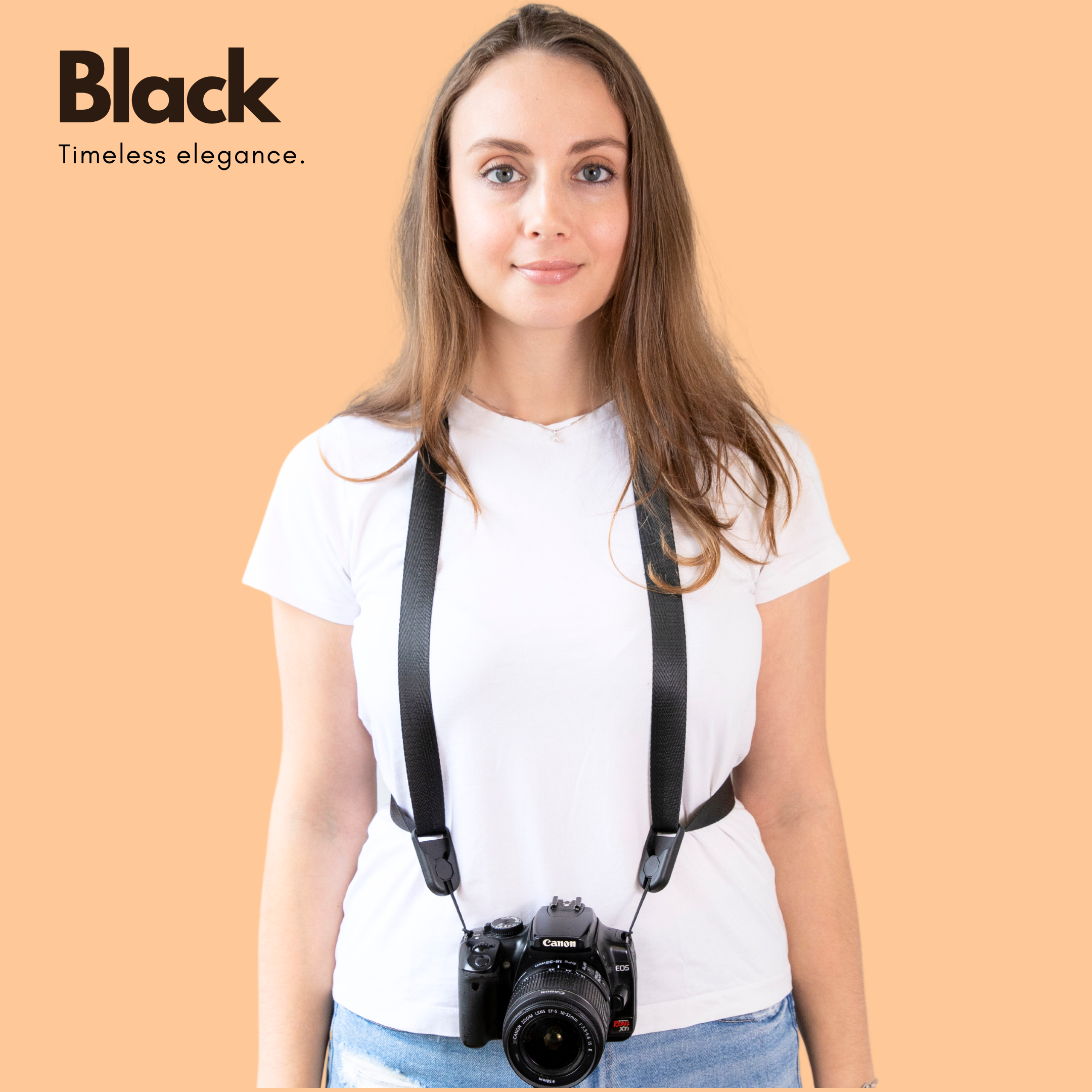
By choosing the Camstrap strap, you are opting for a high-quality product designed to meet the needs of the most demanding photographers.
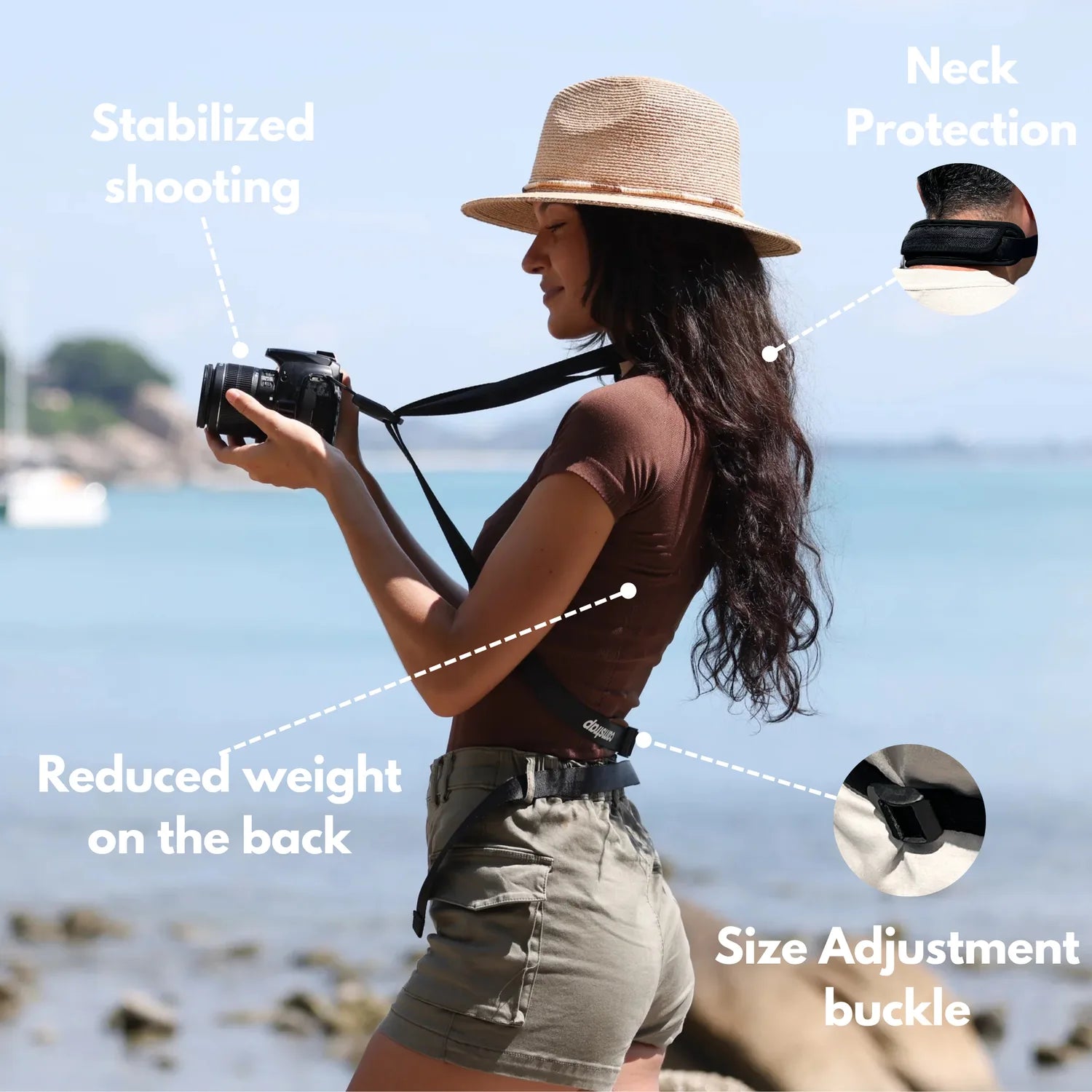
- Developed by a physiotherapist to relieve neck and back pain.
- Fast delivery with tracking by the Post Office 🚚
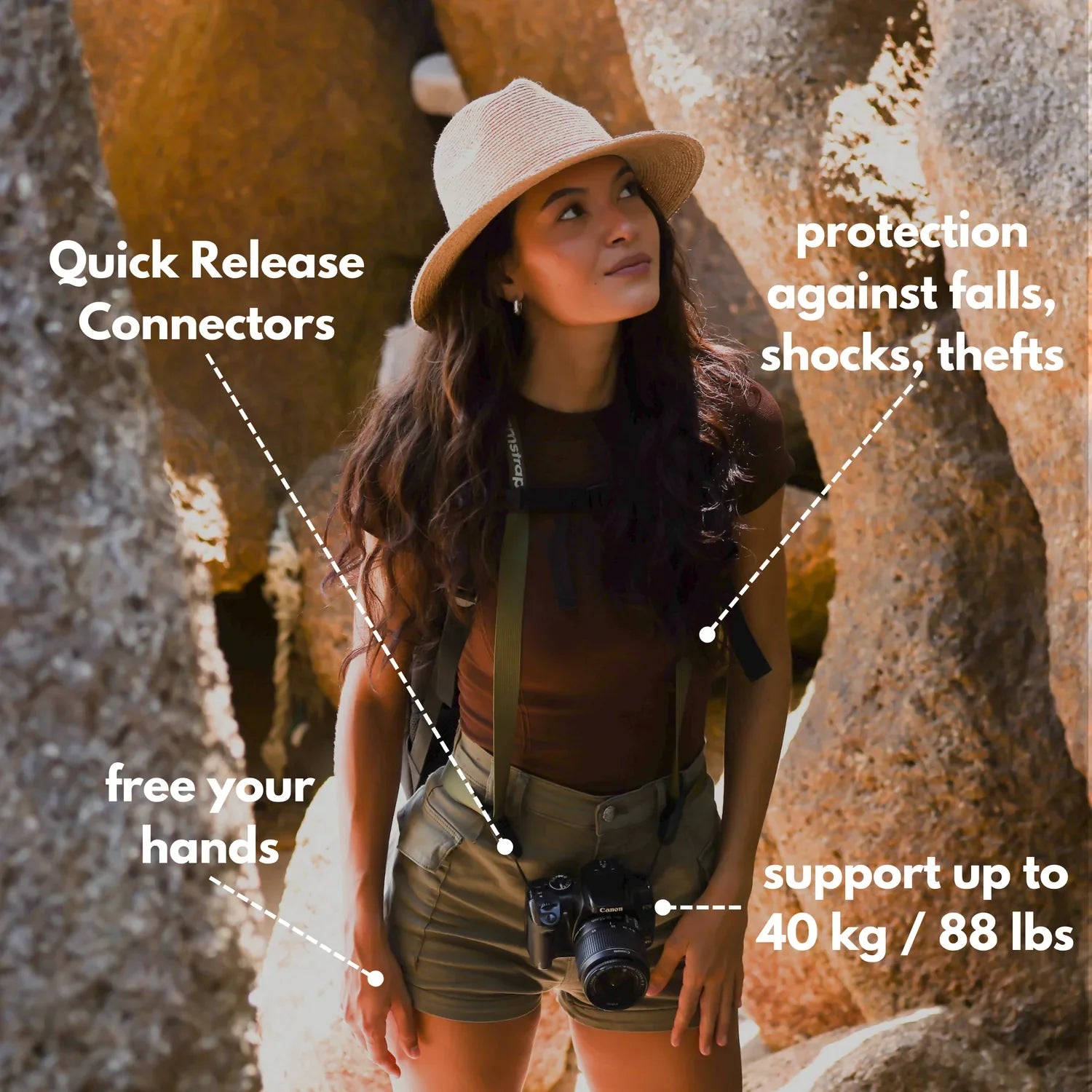
- Can be used as a shoulder strap or hands-free harness

- Regular price
-
€36 - Regular price
-
€42 - Sale price
-
€36
Free shipping included
Why the first wave break works so well
The first wave break often gives the cleanest shape in a scene. Less foam, less churn, and fewer stray streaks make it easier to read than the waves that follow.
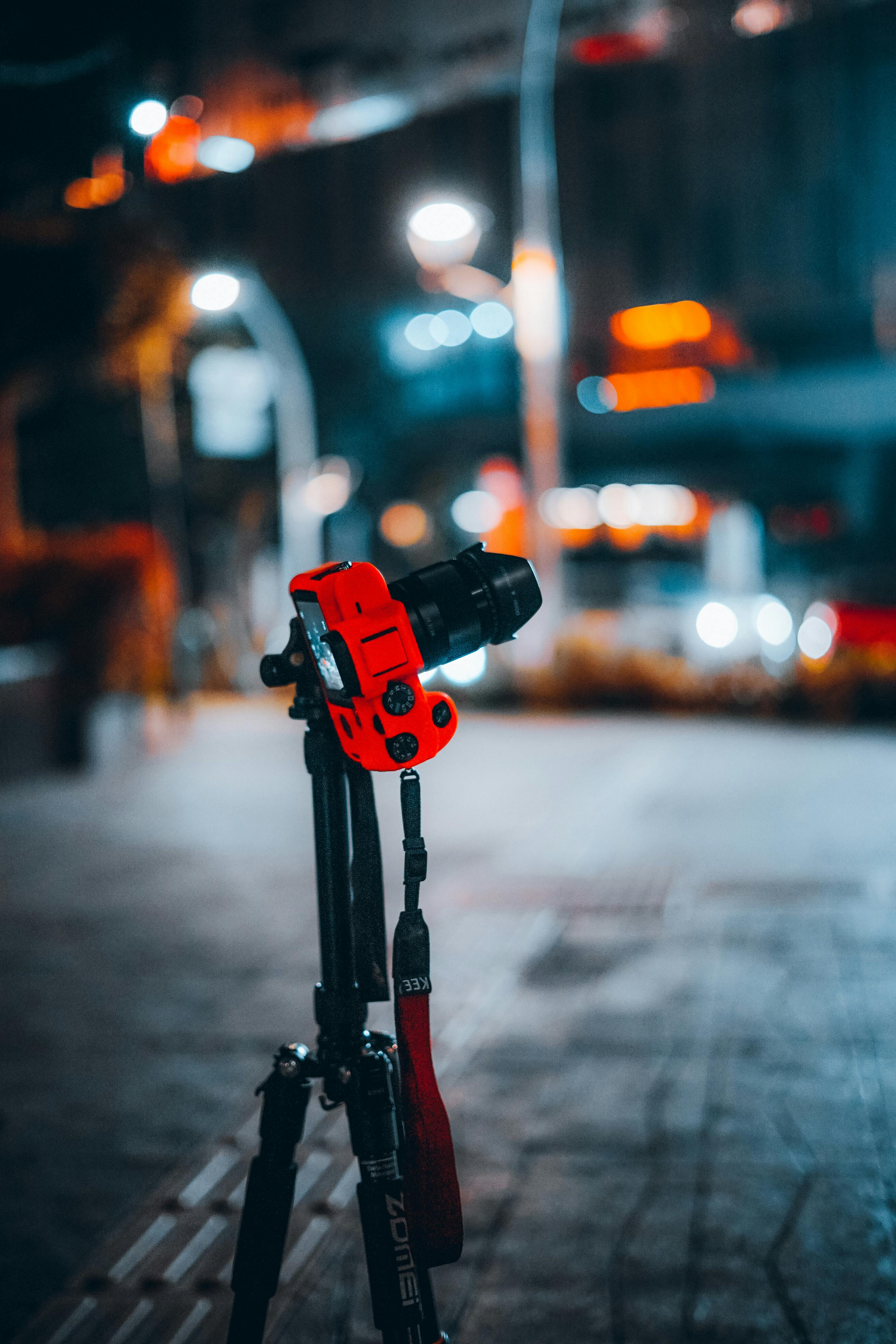
Near dawn or dusk, the light stays softer, which makes slower shutters easier without heavy filtration. Nikon recommends 5- or 6-stop ND filters around those times, while 10- to 16-stop filters suit bright conditions.
Why this moment feels cleaner
The first break usually rises in a simple line before it collapses. A line like that guides the eye better than a crowded wall of white water. A strong subject helps too. A rock, jetty, or curved shore can hold the frame together while the water turns silky around it.
Where to stand for better results

Find a safe spot above the wet line, then watch the pattern for a few minutes. Tide pools, low rocks, and small coves can frame the wave more cleanly.
A hands-free carry setup helps when both hands need to grip the rocks. A single, secure strap such as the Camstrap voyager keeps the camera ready while you move between spots.
How to shoot long exposure photography
Set a slow shutter, keep the camera still, and match the exposure to the light. A tripod, low ISO, and a neutral-density filter give you the control you need. Start in manual exposure mode, then choose a small aperture such as f/11 or f/16. After that, check brightness with live view or a histogram before you shoot.

- Set the camera on a tripod and frame the scene.
- Use manual focus or autofocus, then lock focus on the main rock or shoreline edge.
- Choose ISO 64, 100, or 200 to keep noise low.
- Set the aperture around f/11 for strong depth and sharpness.
- Use an ND filter if the shutter is still too fast.
- Trigger the shot with a cable release or a 2-second timer.
For moving water, a shutter near 30 seconds often gives a smooth look. Exposures of 60 or 90 seconds can turn waves into an abstract wash.
What long exposure means in photography
It means the shutter stays open long enough to record motion over time. In seascapes, that motion usually comes from the tide, foam, and spray.
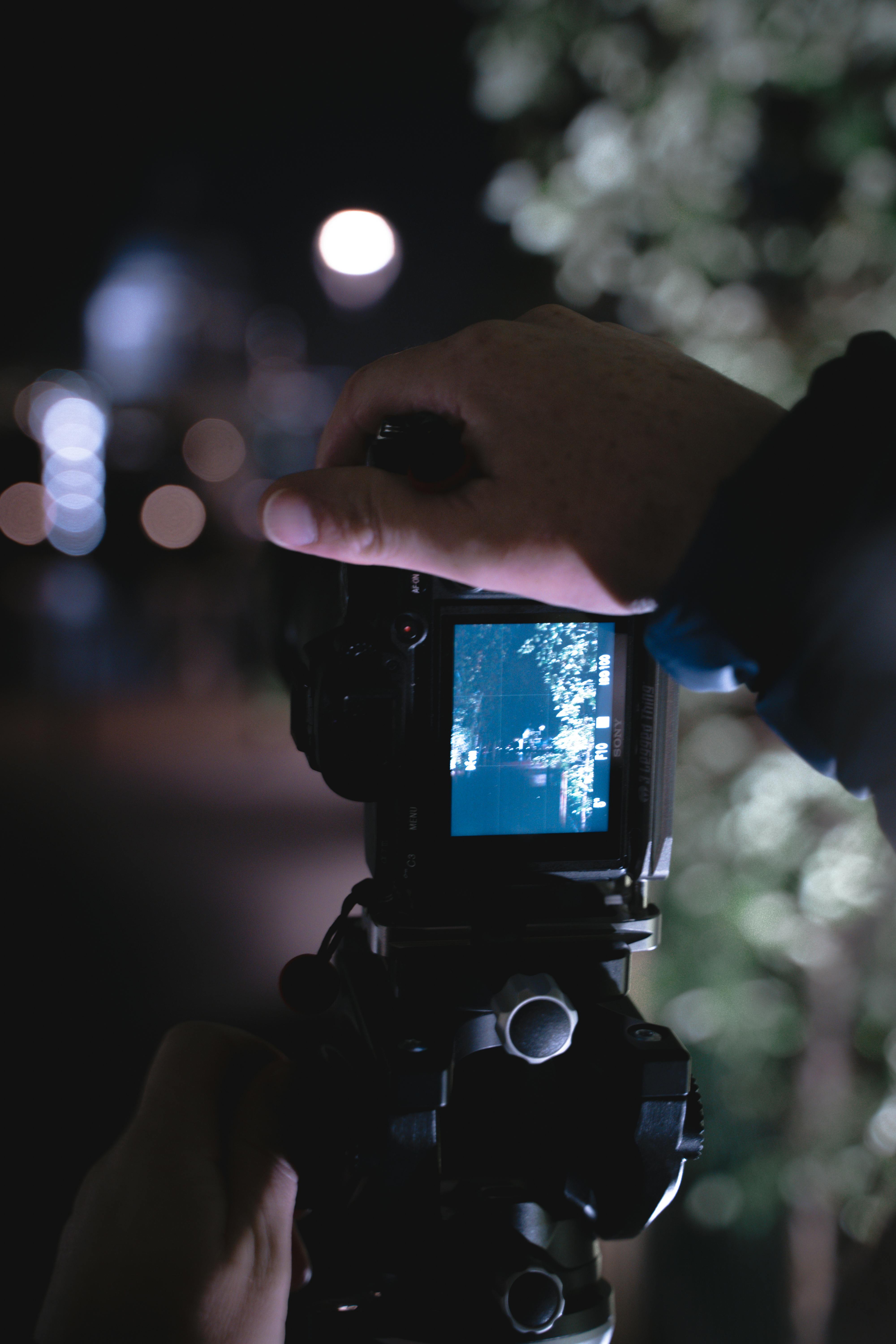
A calm ocean wave may need about 15 to 30 seconds to look smooth and silky. More active water often needs about 30 seconds to 1 minute, depending on how much blur you want.
The same beach can look different from one minute to the next. A short delay between waves can change the whole feel of the frame.
Which shutter speed works best
The best shutter speed matches the water’s pace and the look you want. For cleaner surf, 15 to 30 seconds is a strong starting point. If the water moves fast, 1 to 5 seconds can still hold shape while keeping some detail. When the sea is calm, 30 seconds can smooth the surface without losing the coast’s texture.
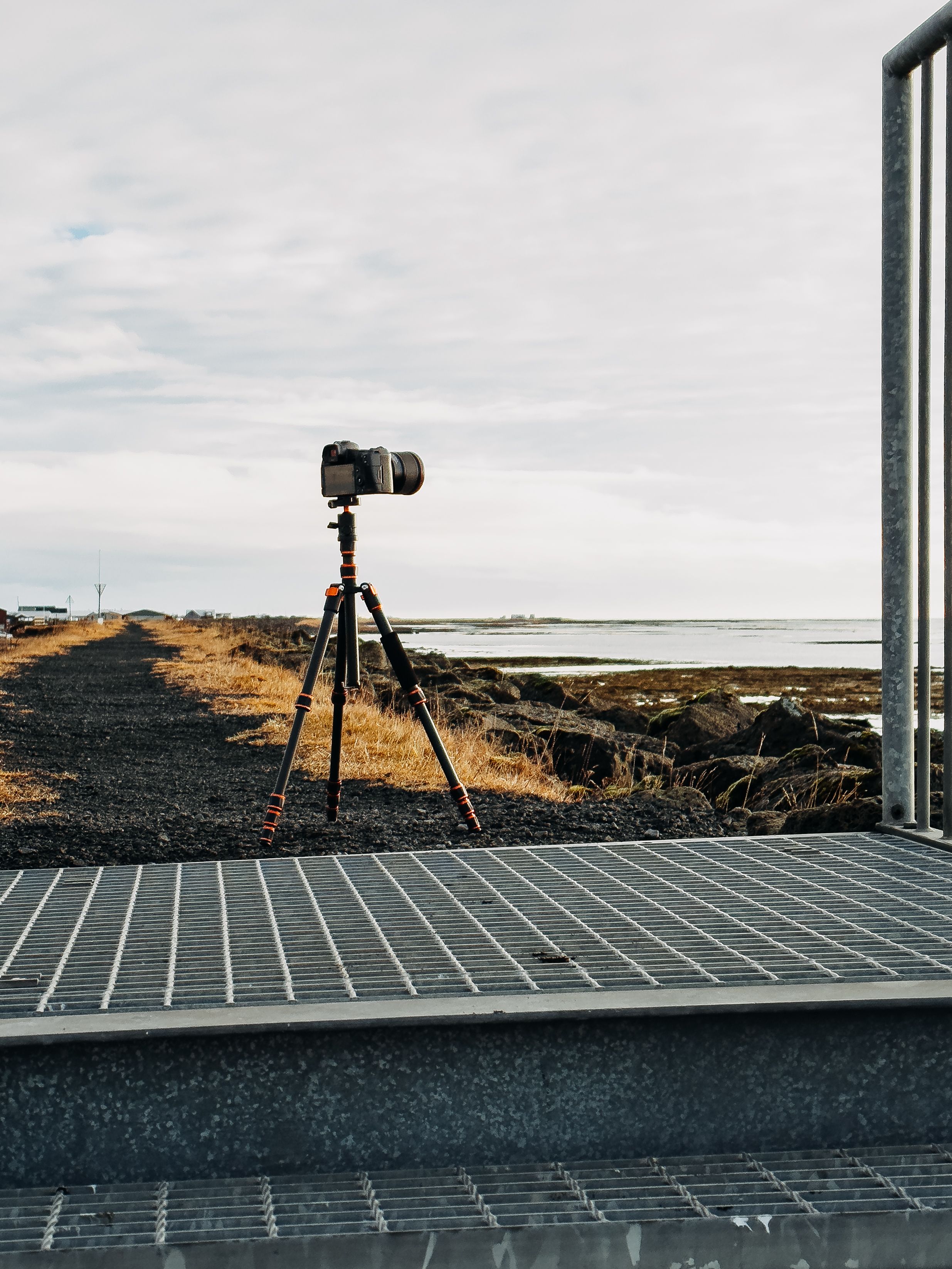
For exposures longer than 30 seconds, many cameras need Bulb mode unless they offer an extended-shutter setting. A tripod becomes essential once you move past one minute, and a cable release helps keep the camera steady.
How I choose the shutter in the field
I watch the first few waves and decide what role the water should play. For soft streaks, I go longer. When I want motion with some edge, I shorten the exposure.
One Nikon seascape example used a 16–35mm lens at 1 second, f/11, and ISO 64 to record tide movement. Another used the same lens at 30 seconds, f/11, and ISO 64 to smooth the water.

What ISO to use for long exposure
Use the lowest native ISO your camera offers, usually ISO 64, 100, or 200. Lower ISO protects detail and gives you more room for a slow shutter.
High ISO pushes against the look you want because it brightens the scene too much. That can force a faster shutter or make you cut the exposure down with a stronger filter.
Keep an eye on highlight clipping in the foam and sky. Bright white surf can blow out fast, even when the rocks still look fine.
Filters, light, and the hidden tradeoff
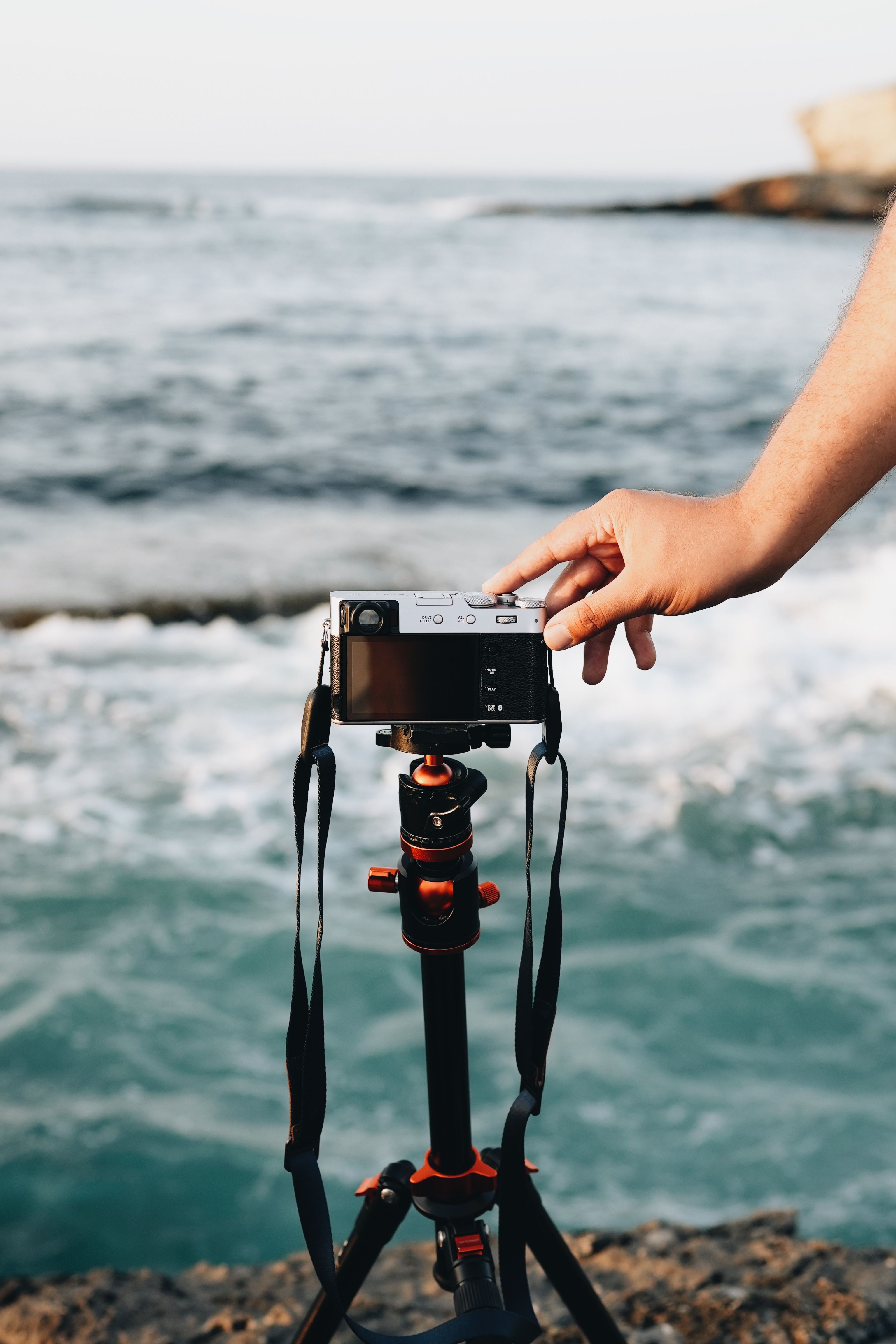
Neutral-density filters reduce the light entering the lens, which lets you use slower shutter speeds in bright conditions. A 5- or 6-stop filter can suit dawn or dusk, while a 10- to 16-stop filter can help in strong sun.
The tradeoff is simple. A darker filter makes the viewfinder dimmer, slows autofocus, and can make composition harder. You may need to focus first, then switch to manual focus before the shot.
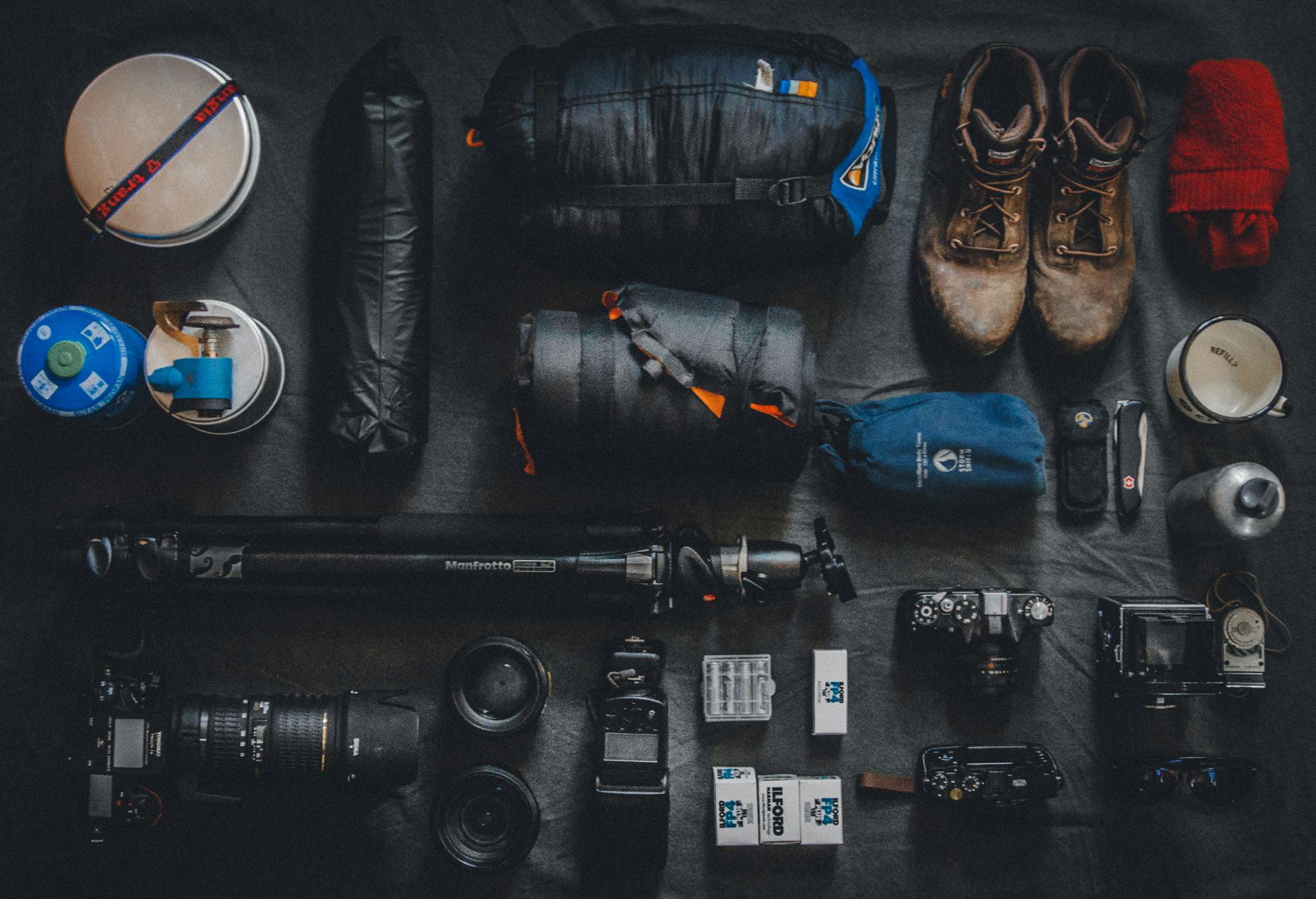
Gear that helps on rough shorelines
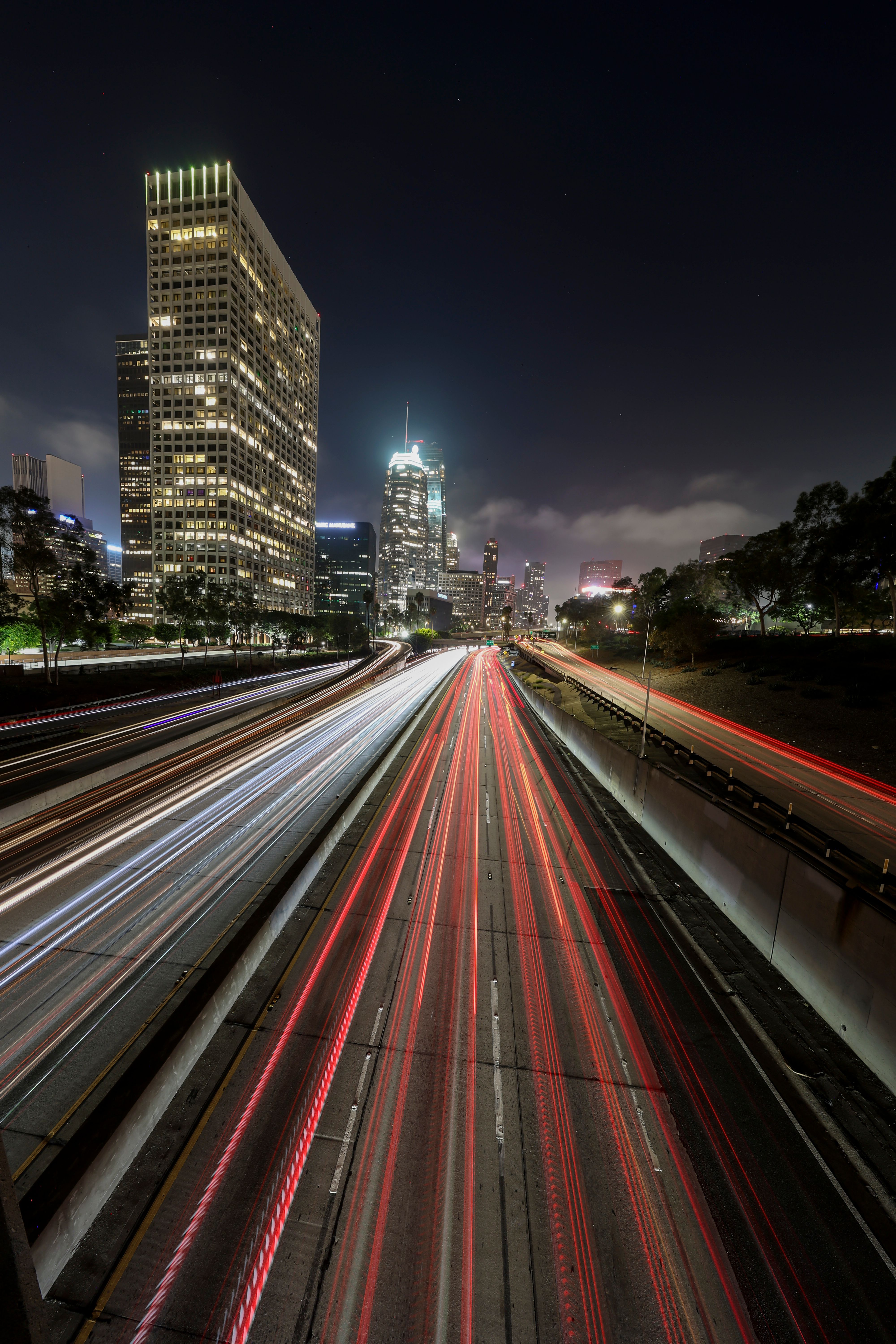
Good seascape gear does more than keep the camera safe. It also saves time when the tide shifts and the first break shows up for only a few seconds.
- A sturdy tripod with a firm ball head
- A cable release or wireless trigger
- Neutral-density filters in 5–6 stop and 10–16 stop strengths
- A microfiber cloth for spray on the front element
- A lens in the 16–35mm range for wide coastal scenes
A wide lens keeps the shore, sky, and wave pattern in balance. A 50mm lens can isolate one rock and one line of surf when a tighter look fits better. The bag or strap matters too, because shoreline work means walking, crouching, and moving fast. A carry system that stays close to the body keeps the camera ready without swinging into wet stone.
Reading the sea before you press the shutter
The best frame often starts before the shutter opens. Watch the rhythm of the swell, then wait for a wave that rises cleanly and breaks in one clear line.
Look for foam that pulls back in a simple path. Complex, messy wash can turn into a bright blur that steals the shape from the scene.
Small signs that improve the frame
- A dark rock that anchors the image
- One clear wave line instead of many broken ones
- Side light that shows texture on the water
- A calm gap between sets for a clean exposure
Those small signs matter more than fancy settings. They help you place the camera in the right spot before the light changes again. With practice, you start to see which wave will hold shape and which one will turn to foam too fast. That habit saves time and gives your frames a cleaner finish.
Building a simple shoreline workflow
A steady process keeps the technique calm, even when the surf is loud. I like to set the tripod first, meter the sky and water, and then make one test frame.
After that, I check the histogram and adjust the filter or shutter speed. If the frame feels too busy, I wait for the next set and try again.
Back at editing time, I cull the files with pick and reject flags in Lightroom or Photo Mechanic. That keeps the best wave shape, the cleanest foam, and the sharpest shoreline in front of me. Clean seascapes come from simple control, good timing, and a stable camera. Chase the first break, keep the ISO low, and let the water turn into a soft line instead of a mess.
On the next calm morning, try a 30-second exposure at f/11 with ISO 64 and a 10-stop filter. Then move one step left or right and see how the wave line changes.
Frequently Asked Questions
How do you do long exposure photography?
Long exposure photography is done by using a slow shutter speed, keeping the camera completely still on a tripod, and setting a low ISO with a small aperture such as f/11 or f/16. A neutral-density filter, manual exposure, and a cable release or 2-second timer help control brightness and avoid camera shake.
What does long exposure mean in photography?
Long exposure in photography means the shutter stays open long enough to record motion over time in a single frame. In seascapes, that motion usually comes from waves, foam, tide, and spray, which can blur into a smooth or abstract look.
What is the best shutter speed for long exposures?
The best shutter speed for long exposures depends on the water and the look you want, but 15 to 30 seconds is a strong starting point for cleaner surf. Calm water may need about 15 to 30 seconds, while more active water often needs 30 seconds to 1 minute; 60 to 90 seconds can turn waves into an abstract wash.
What ISO to use for long exposure?
For long exposure photography, use a low ISO such as 64, 100, or 200 to keep noise low. Lower ISO settings give more control over the exposure and help preserve image quality during long shutter times.


