


- Use a 3–6 frame burst when a gesture or expression peaks briefly.
- Pre-focus at 2–3 metres and shoot at f/8 to cut focus lag.
- Blend in with calm movement, quiet handling, and a small camera profile.
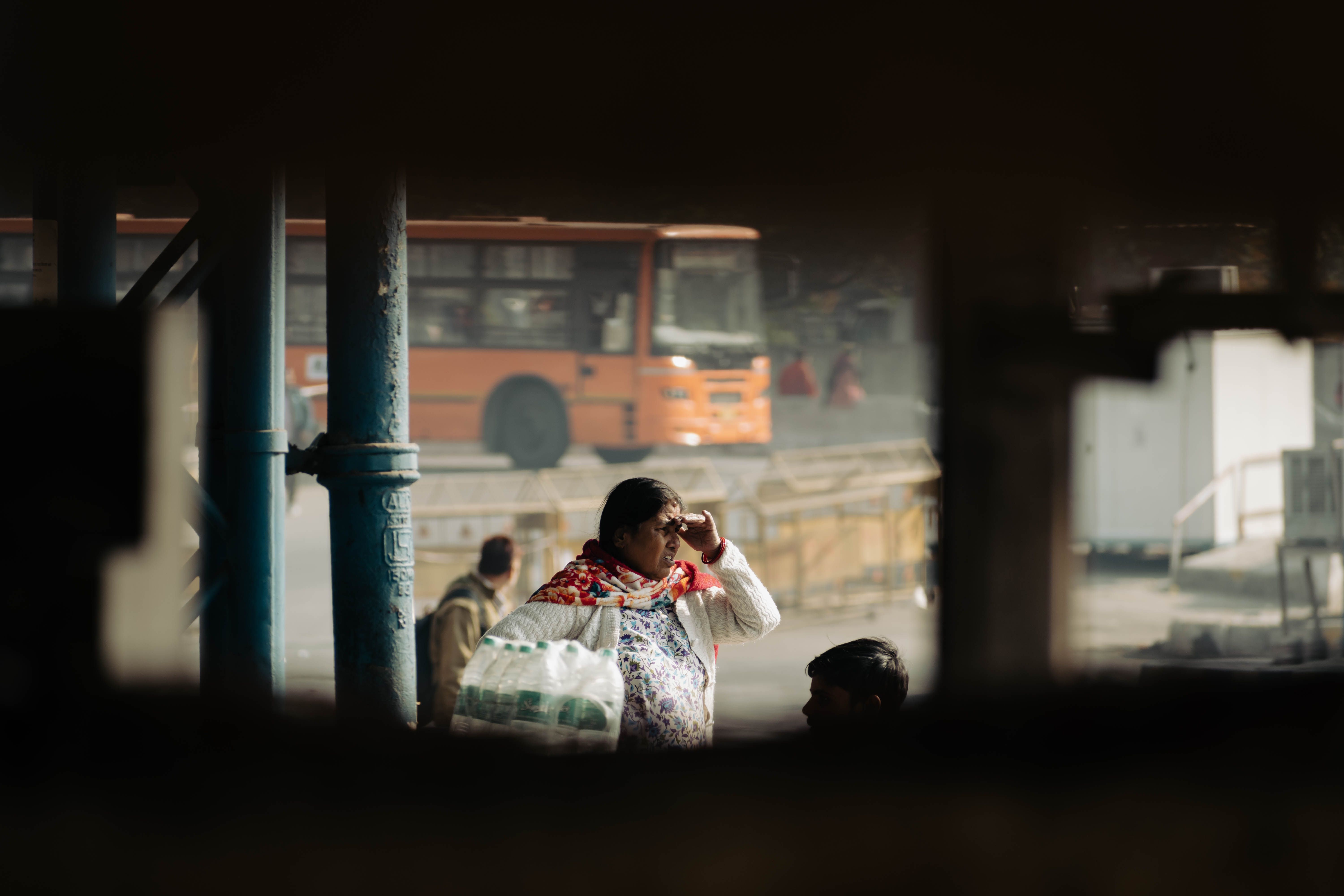
Burst mode photography records several frames in quick succession while action unfolds. On busy streets, those extra frames can be the difference between a blank glance and a real expression. Street scenes move fast. People turn, step, laugh, and slip out of frame in a second, so timing has to stay sharp.
Translation missing: en.blog_cta.bundle_heading

- Regular price
-
€42 - Regular price
-
€44 - Sale price
-
€42
By choosing the Camstrap strap, you are opting for a high-quality product designed to meet the needs of the most demanding photographers.
- Developed by a physiotherapist to relieve neck and back pain.
- Fast delivery with tracking by the Post Office 🚚
- Can be used as a shoulder strap or hands-free harness

- Regular price
-
€36 - Regular price
-
€42 - Sale price
-
€36
Translation missing: en.blog_cta.free_shipping_included
Why the Moment Slips in Crowded Scenes
Busy streets break your rhythm before you even press the shutter. Light shifts from one step to the next, people cut across your subject, and your own feet keep moving too.
The biggest problem is delay. A camera may need time to lock focus, then time to fire, then time to write the frame.
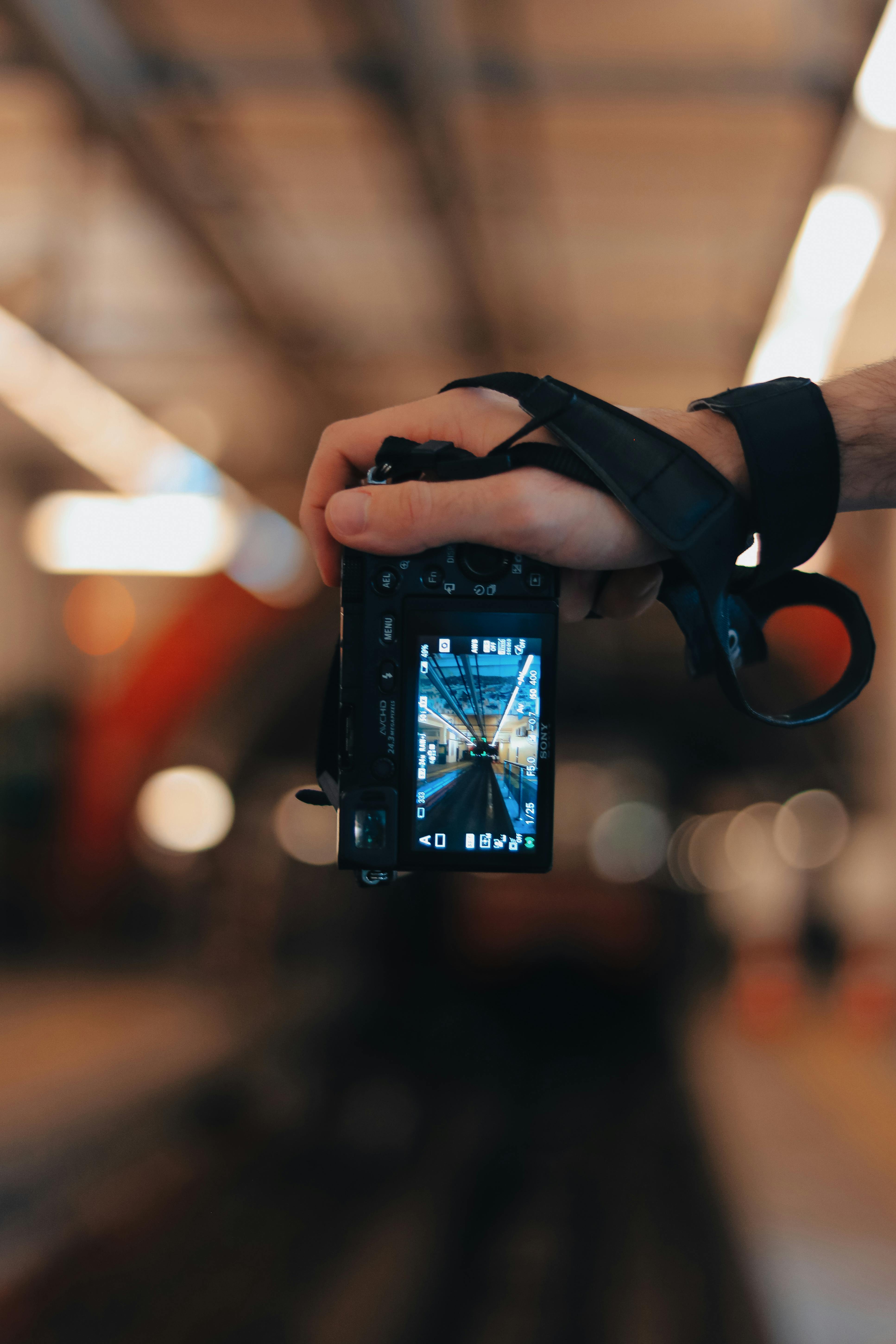
Why Motion Is Harder Than It Looks
A person walking across the frame is harder to freeze than someone moving toward the camera. A shot can look crisp in the viewfinder and still land late in the file. Research on street shooting points to 1/125s as a useful base for a normal walk. I prefer 1/250s for more margin, and 1/500s gives a cleaner stop to faster motion.
The peak moment is brief. A raised hand, a quick smile, or a head turn may last only one frame.
Focus Lag Adds Its Own Delay
Autofocus can slow you down when people move toward gaps in the crowd. If the camera hunts for focus, the expression may be gone before the shot lands.
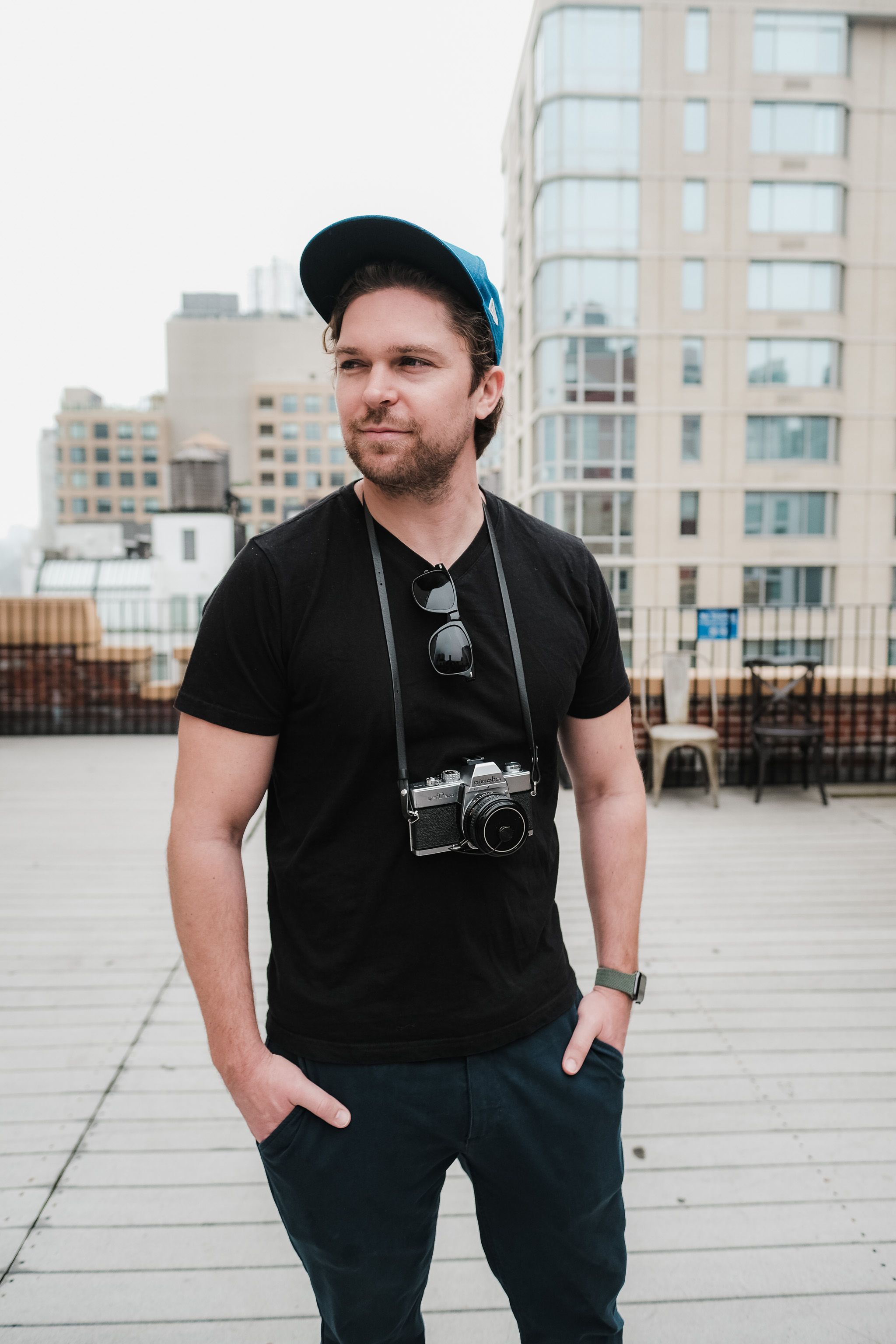
Zone focusing helps here. Many street shooters set focus at about 2–3 metres and stop down to f/8, which keeps more of the scene sharp and cuts wait time.
When Should You Use Burst Mode for Street Photography?
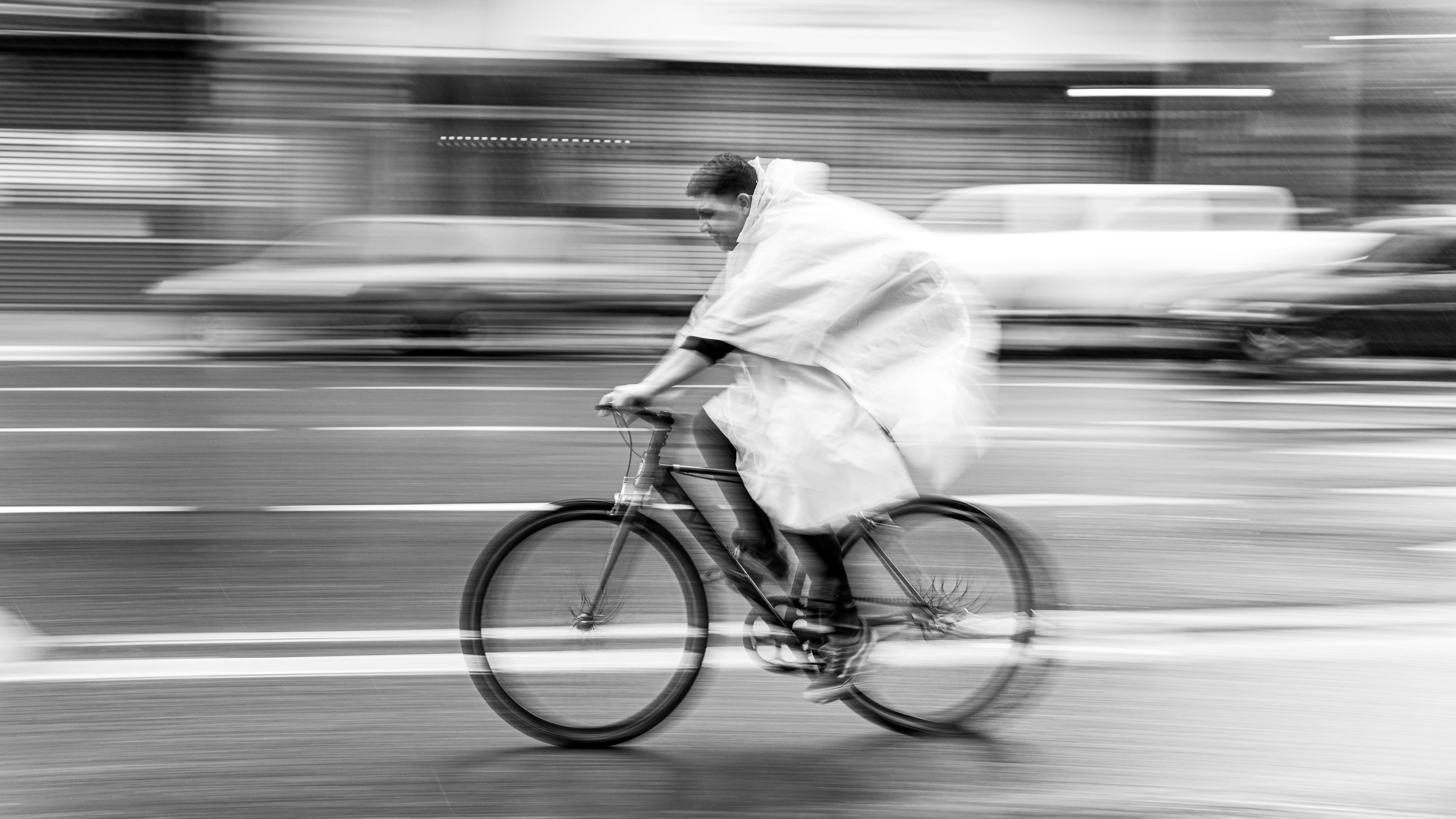
Use it when the scene has a short peak and no second chance. A laugh, a hand wave, a bike passing, or a child darting through a crosswalk all reward a short frame run. The goal is simple: raise the odds of catching the exact face, gesture, or step that makes the frame work.
Best Moments for a Short Frame Run
- A subject is about to enter a patch of light.
- Two people are about to make eye contact.
- Someone is turning a corner into your frame.
- A gesture is building, like a wave or a laugh.
- The crowd is thick and you have only one clean lane.
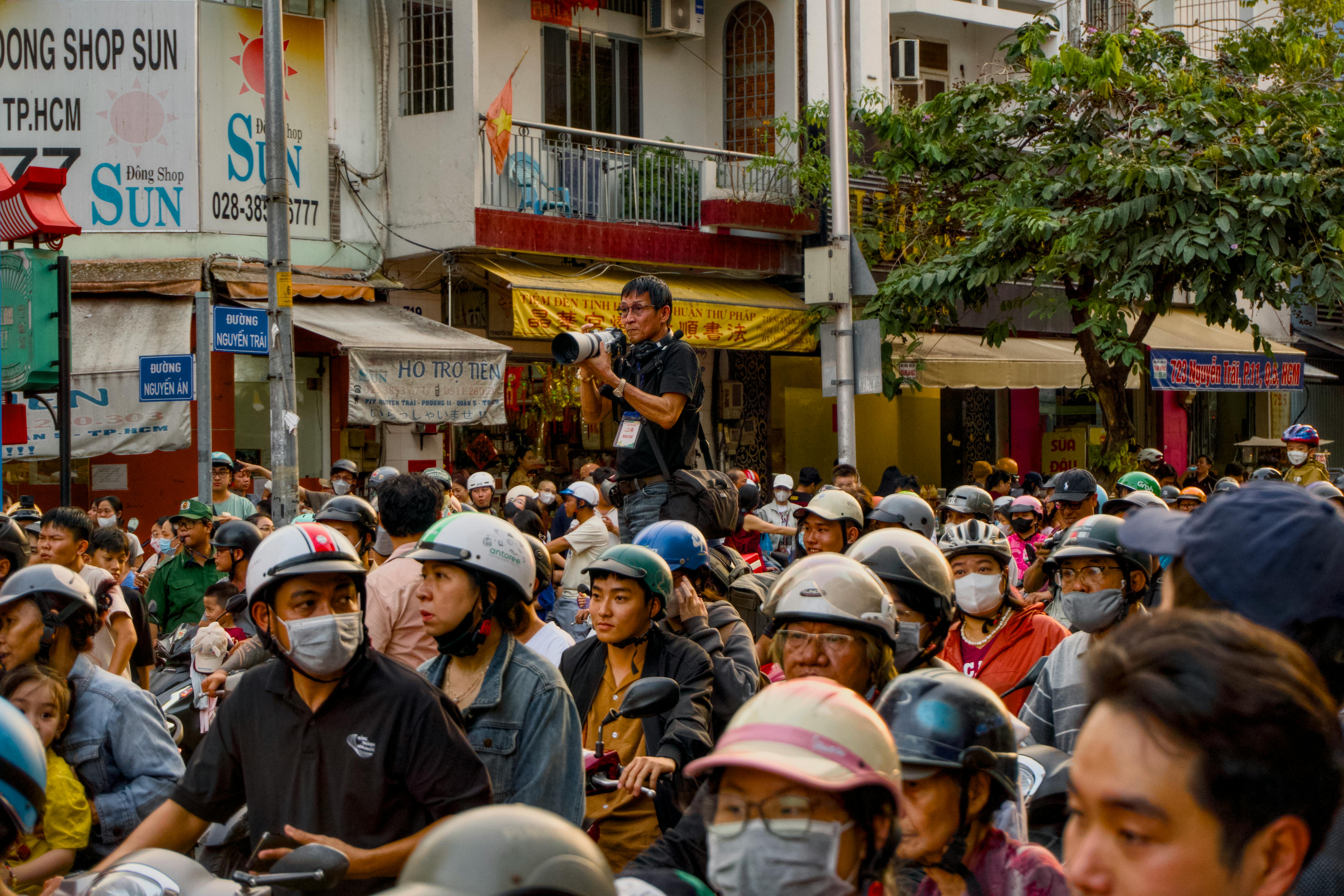
Short bursts work best. A 3–6 frame run gives you choices without filling the buffer fast on a modern body.
Many mid-tier cameras can handle roughly 20 to 40 RAW frames before they slow, while JPEG lasts longer. A fast UHS-II V60 or V90 card helps the camera clear data faster, but the buffer still matters more than the card for very short bursts.
How Do You Stay Discreet When Photographing People in Public?
Stay discreet by keeping your camera ready before the scene happens. A hands-free carry setup helps because both hands stay open for walking, framing, and quick lifts. This is where a strap with a quick, stable carry point can help. A Camstrap camstrap voyager keeps the camera easy to reach without making it swing as much as a loose neck hang.
Small Habits That Blend In Better
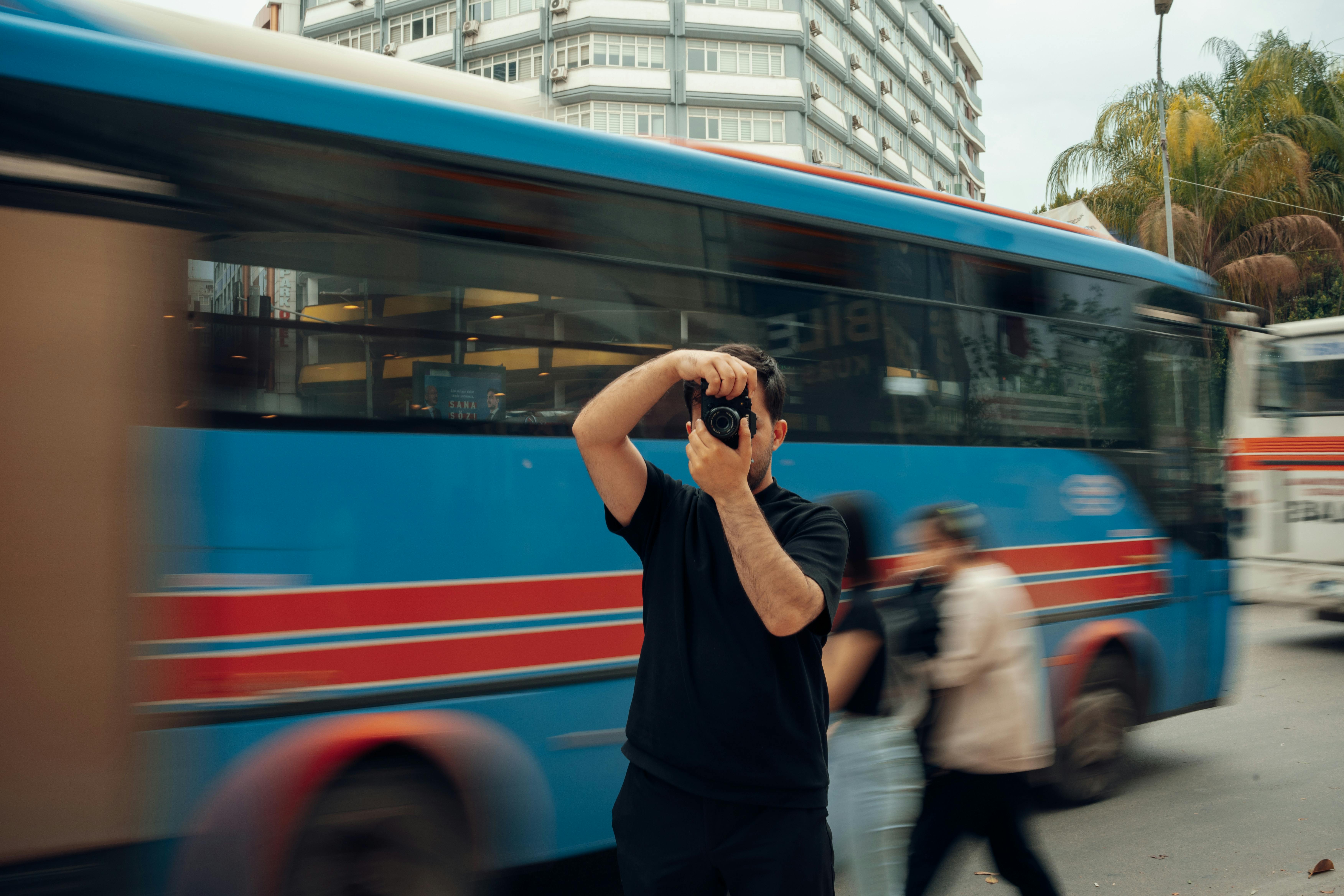
- Keep the camera at chest height until you need it.
- Use a small prime like 35mm or 50mm.
- Turn off loud beeps and heavy image review.
- Use a black or simple strap that does not draw eyes.
- Take the frame, then keep moving with the crowd.
Lens choice matters here too. A 35mm prime feels natural in tight streets, while 50mm to 85mm gives a narrower view and more subject separation.
Mirrorless bodies also change the feel of the work. The biggest drains are the always-on EVF or LCD and the habit of checking every frame, not some hidden shutter motor.
How Do You Keep a Low Profile While Shooting in Public?
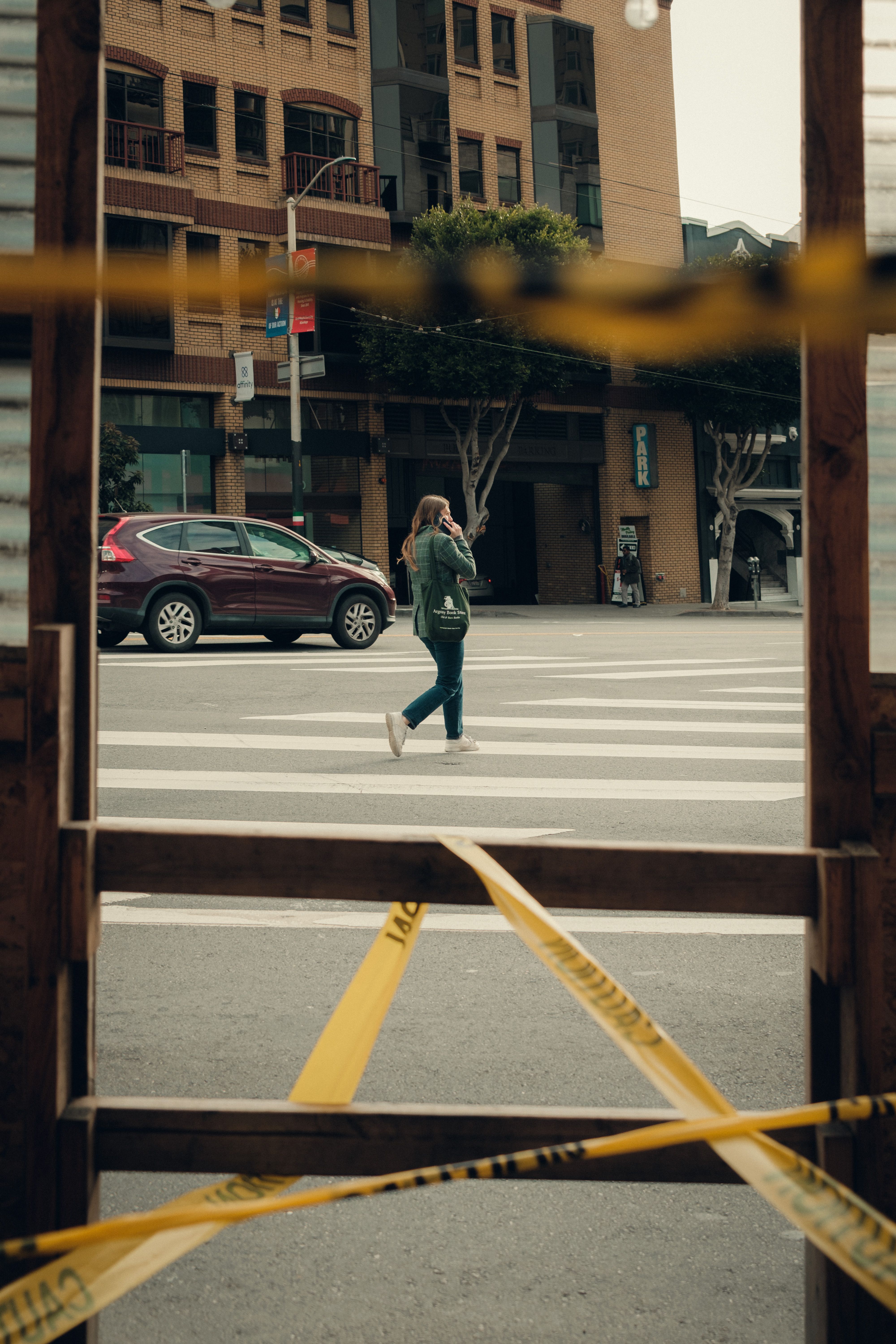
Use a quiet, ready stance and keep your eyes on the flow, not on the camera. People notice pauses more than motion, so a smooth walk often draws less attention than a stop-start routine. Back-button focus helps because it separates focus from the shutter. That makes it easier to pre-focus, wait, and fire without extra finger movement.
What Settings Help You Catch Gestures and Expressions Fast?
Fast street work starts with a shutter speed around 1/250s or 1/320s. Many street setups also use ISO 800–1600, which gives room to keep that shutter speed in shade or late light.
A 35mm prime is a common choice for this style. It gives a wide enough view for context without making the frame feel too busy.
A Practical Camera Setup
- Set exposure mode to manual or aperture priority.
- Choose f/2 to f/2.8 for loose background blur, or f/8 for more depth.
- Set shutter speed near 1/320s to start.
- Raise ISO until exposure looks clean on the histogram.
- Switch to continuous AF-C or AI Servo with subject detection if the scene shifts fast.
Wide apertures help isolate one person, but they also shrink your focus zone. Stopping down to f/8 gives more room for error, which is useful when the subject moves toward you without warning. A wider aperture gives more light, while a smaller depth of field makes missed focus more likely in a crowd.
How Do You Frame Street Scenes Without Stopping the Walk?
Frame while you walk by using scene edges as anchors. Doorways, crosswalk lines, signs, and shadows can act like guide rails for the shot.
You stay in motion that way. The street keeps its own rhythm, and you do not need to plant your feet for every frame.
Use the Scene Before You Use the Shutter
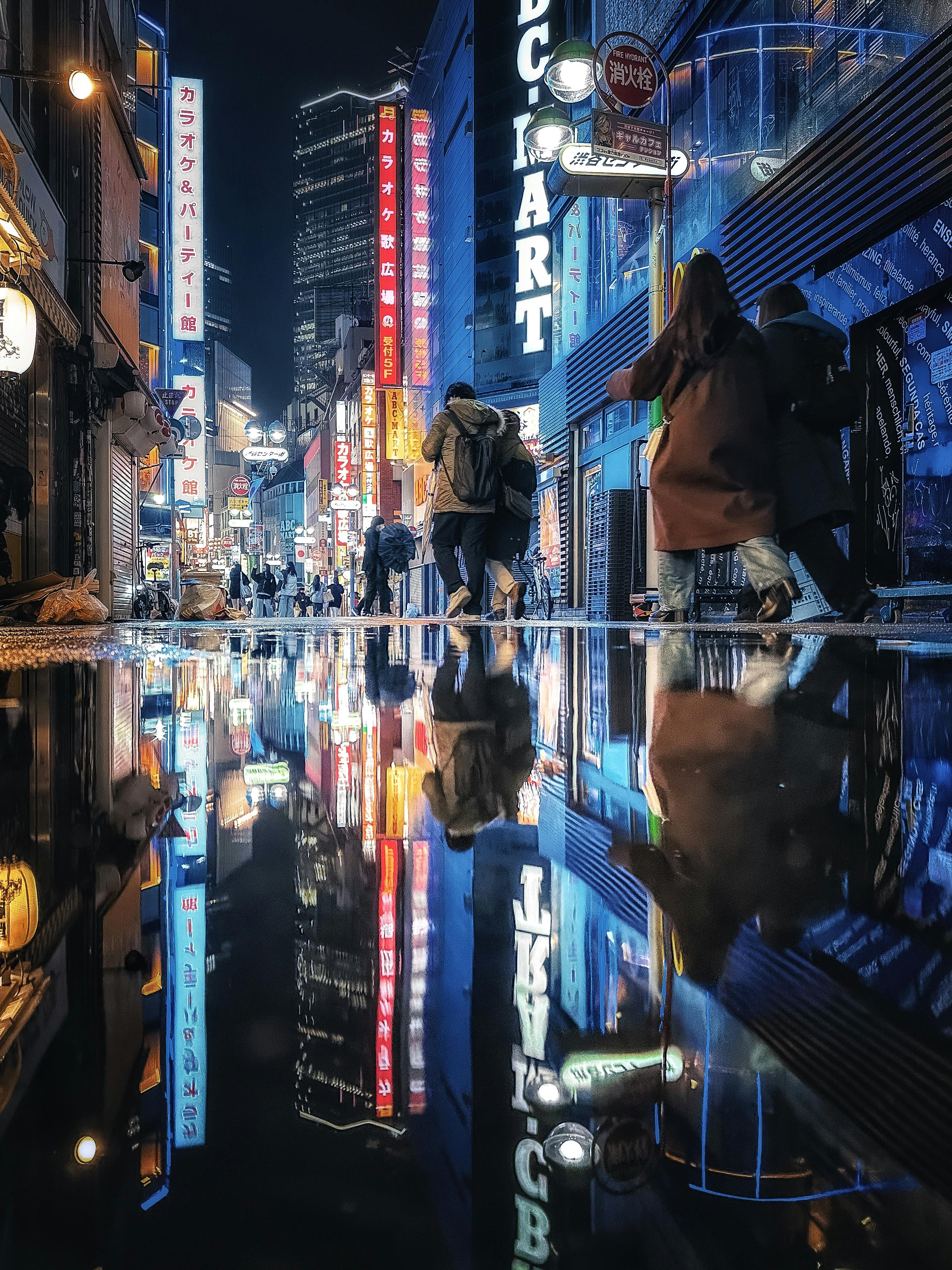
Start by finding one clean shape in the chaos. A bright patch on the pavement, a red coat in a gray crowd, or a single face near a dark wall can hold the frame together. One point perspective photography can help here, especially on long streets or narrow lanes. Lines that lead into the frame pull the eye toward the subject without slowing your step.
Pre-focusing also helps the walk stay smooth. Zone focus at about 2–3 metres and keep your camera near that working distance, so you are ready the moment a subject enters the spot.
How Do You Avoid Blurry Street Photos When Subjects Move Suddenly?
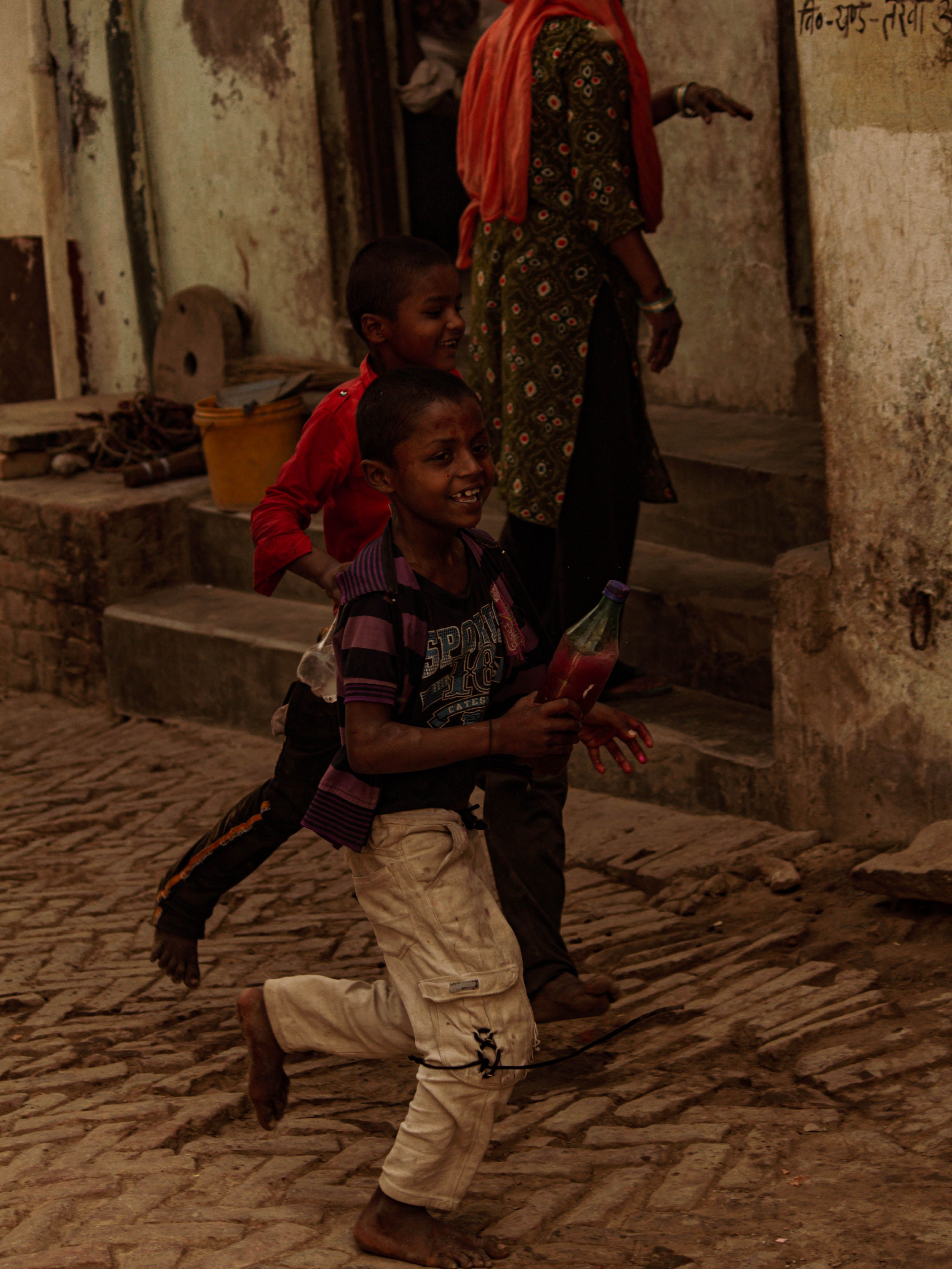
Use a faster shutter speed, a stable stance, and a focus method that does not wait too long. A starting point of 1/500s gives a strong freeze for sudden motion and works well when people change direction.
Dim streets make that speed harder to hold. Raise ISO or open the lens wider to keep the shutter where you need it.
Three Things That Cut Blur Fast
- Keep your elbows close to your body.
- Use continuous AF-C or AI Servo with a small focus area.
- Fire a short burst as the subject reaches the best pose.
Focus technique matters almost as much as shutter speed. Zone focusing removes autofocus delay, while continuous AF helps when the subject keeps changing distance. Pre-capture or pre-burst modes add another edge on some cameras. They save frames from just before full press, which can rescue a hand gesture that started too early for your reflexes.
What a Strong Street Sequence Really Needs
The best street frame often comes from a simple chain of choices. You stay light on your feet, keep the camera ready, and use settings that match the pace of the block.
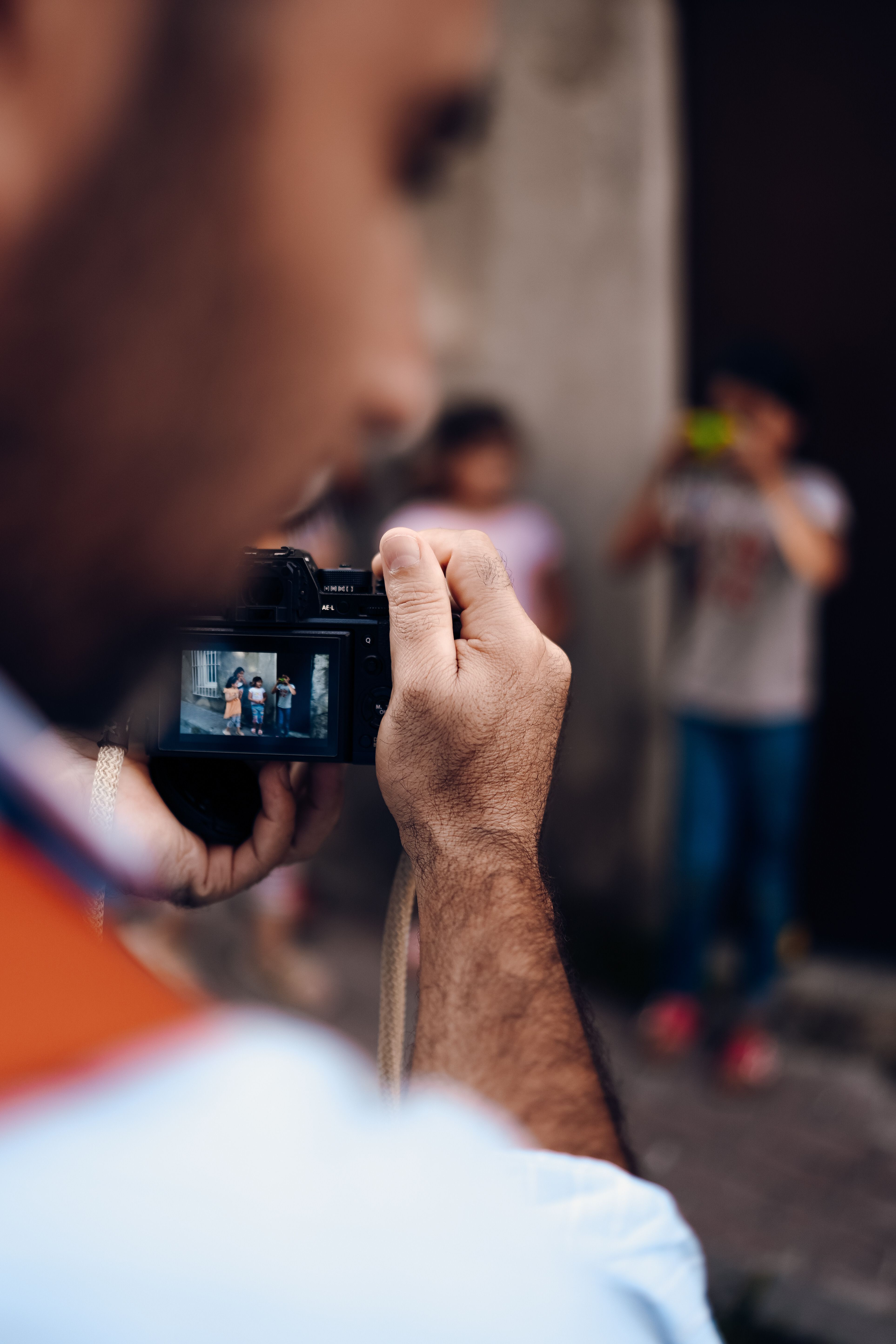
Missed moments usually come from friction. A dangling setup, slow focus, and soft shutter speed all stack against you.
For a clean routine, I keep the camera ready, watch for the gesture, and fire only when the frame has a clear shape. After that, I move on fast and check the result later in Photo Mechanic or Lightroom with pick and reject flags. Busy streets reward the shooter who removes delay at every step. A steady carry, a 1/250s to 1/500s shutter range, zone focus at 2–3 metres, and short burst runs all work together, and the next good face may appear before the light changes again.
Frequently Asked Questions
When should you use burst mode for street photography?
Use burst mode for street photography when the scene has a short peak and no second chance, such as a laugh, a hand wave, a bike passing, or a child darting through a crosswalk. A short 3–6 frame burst raises the odds of catching the exact face, gesture, or step that makes the frame work.

How do you stay discreet when photographing people in public?
Stay discreet when photographing people in public by keeping the camera ready before the scene happens, so you can lift and shoot without obvious preparation. A hands-free carry setup, keeping the camera at chest height, and using a small prime like 35mm or 50mm all help the camera blend in.
What settings help you catch gestures and expressions fast?
Fast street photography settings start with a shutter speed around 1/250s for general motion, with 1/500s giving a cleaner stop to faster movement. Zone focusing at about 2–3 metres and stopping down to f/8 reduces autofocus lag and keeps more of the scene sharp.
How do you frame street scenes without stopping the flow of the walk?

Frame street scenes without stopping the flow of the walk by carrying the camera ready at chest height and lifting it only when the moment forms. A small prime lens and a hands-free carry setup let you keep moving while staying prepared to compose quickly.
How do you avoid blurry street photos when subjects move suddenly?
Avoid blurry street photos when subjects move suddenly by using a faster shutter speed, with 1/250s as a solid base and 1/500s for quicker action. A short burst can also help because it captures multiple frames as the subject moves, increasing the chance of one sharp shot.
Sources


