


Many people now ask why analog photography is back for travel. Travelers pick film to slow down and feel more present. They use film cameras to make images that feel real and warm.
This shift shows in cities, on trails, and at cafés. Travel photography now mixes old gear with new trips. Travel enthusiasts, outdoor adventure photographers, and amateur photographers all join the trend.
Shop the setup

- Regular price
-
€42 - Regular price
-
€44 - Sale price
-
€42
By choosing the Camstrap strap, you are opting for a high-quality product designed to meet the needs of the most demanding photographers.
- Developed by a physiotherapist to relieve neck and back pain.
- Fast delivery with tracking by the Post Office 🚚
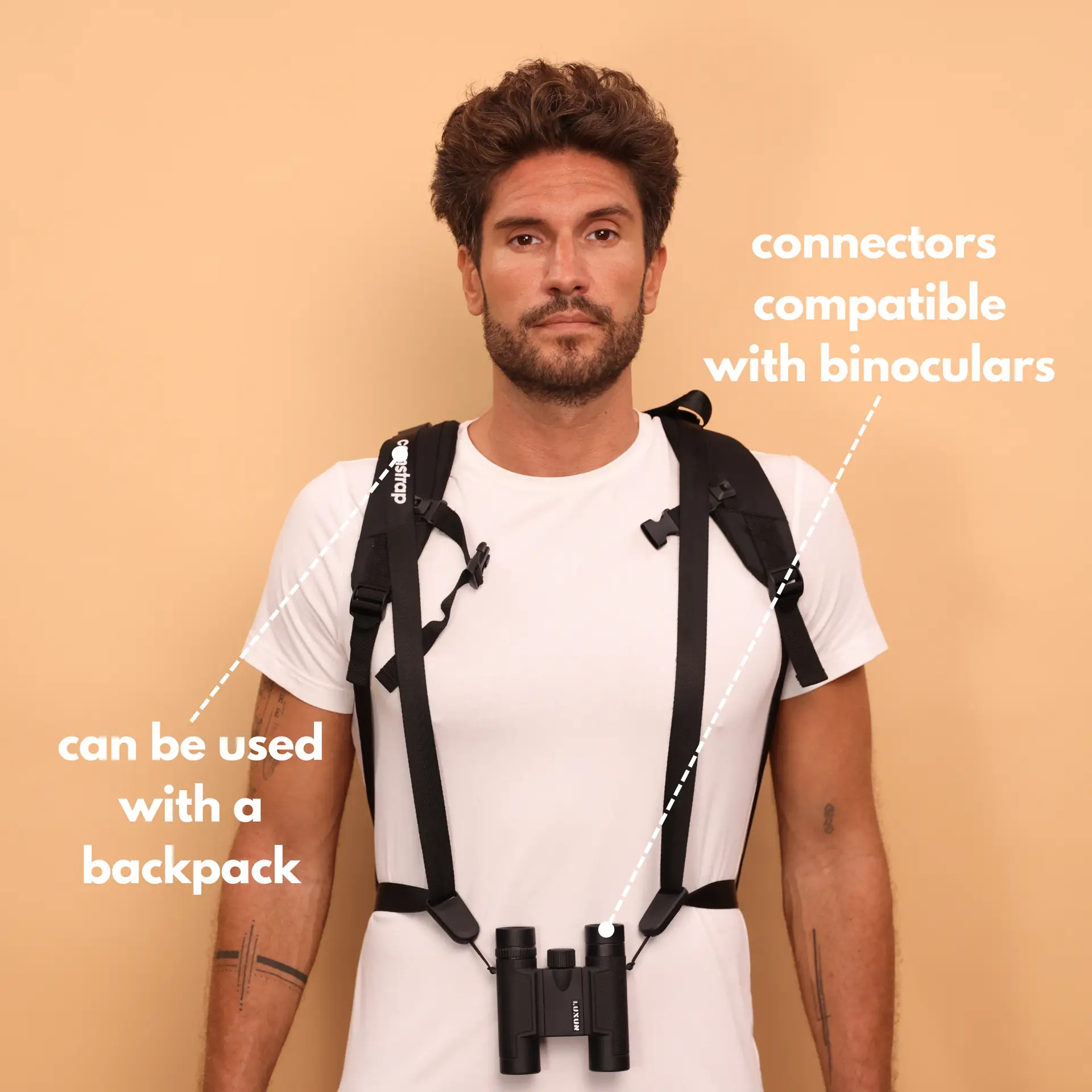
- Can be used as a shoulder strap or hands-free harness

- Regular price
-
€36 - Regular price
-
€42 - Sale price
-
€36
Free shipping included
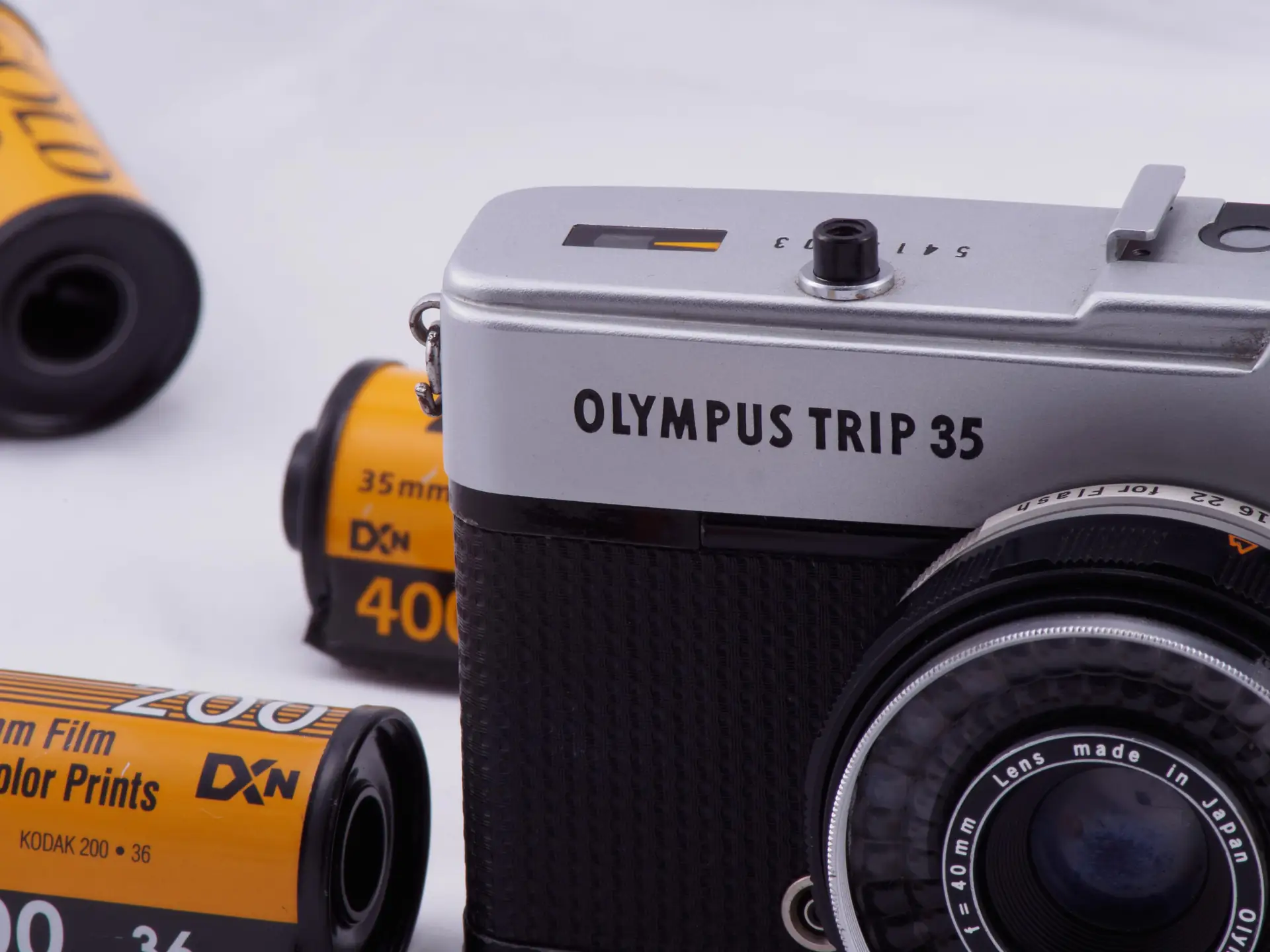
Why analog is surging among travelers
Travelers choose analog for clear reasons. Film forces you to slow down and think about each shot. That care makes images with more mood and story.
Writers and shops like the Wall Street Journal and Analogue Wonderland report the same thing. They say film fights the cold look of overedited digital photos. Film also brings a human and imperfect touch.
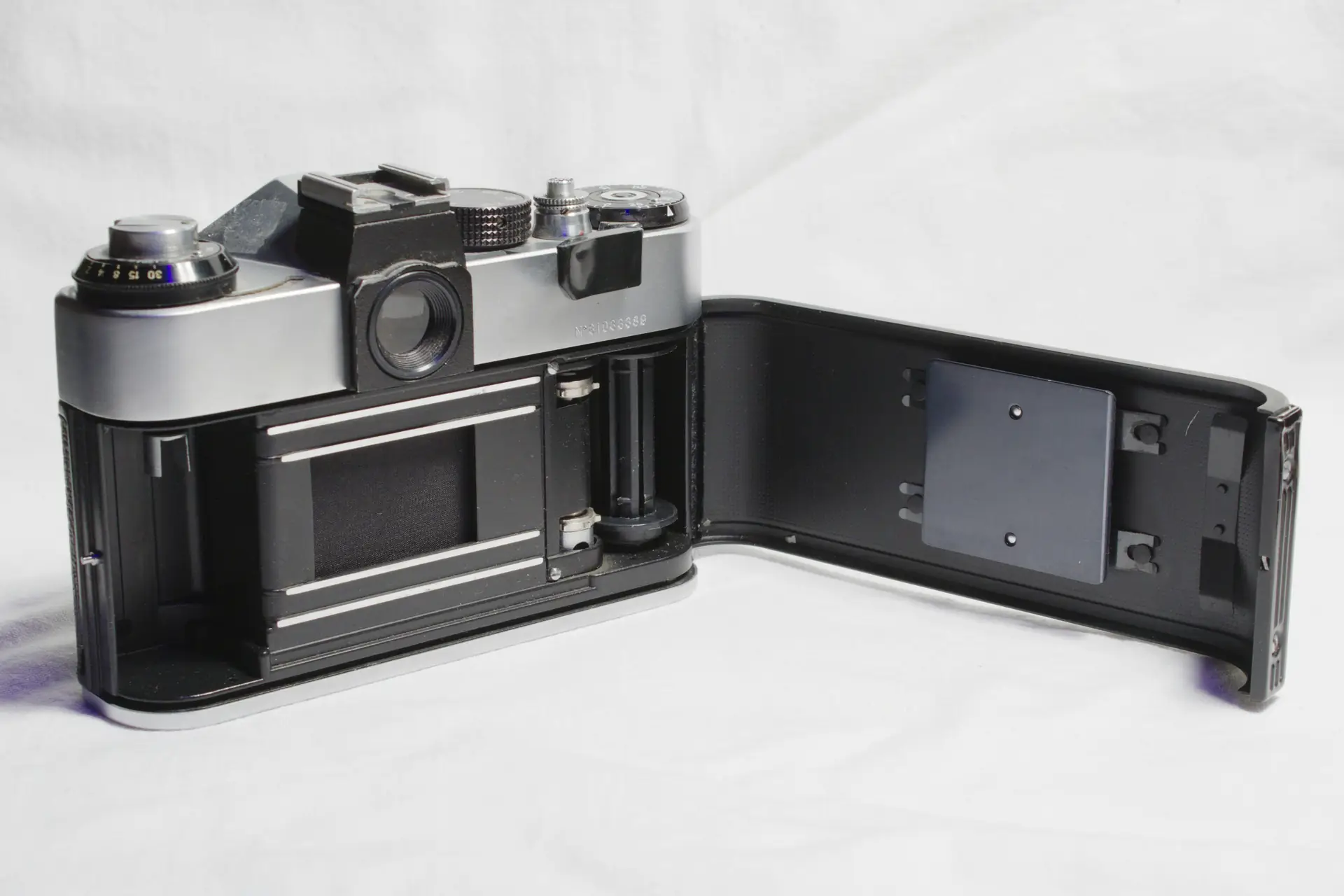
What drives the trend
- Desire for slow travel and real moments
- Wish for prints and tactile keepsakes
- Pushback against overedited digital and AI images
- More film services and niche shops worldwide
The appeal of film on the road
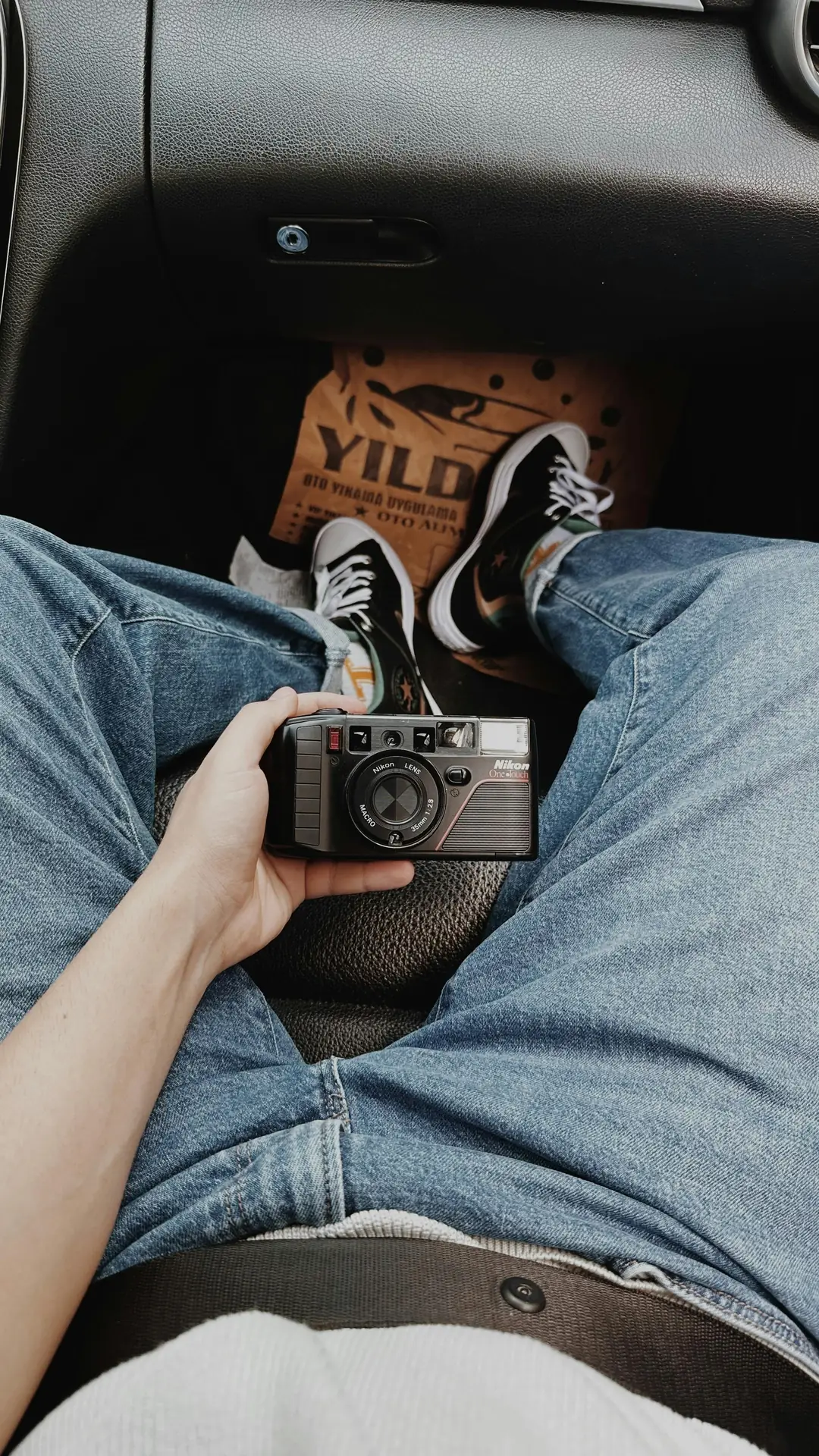
Film gives color and grain that feel honest and warm. Travelers like the soft tones and the surprise of results. You shoot, wait, and enjoy the reveal days later.
Film cameras often feel solid in the hand. Old rangefinders and SLRs are rugged and simple. They fit a small pack and keep working on long trips.
How to shoot analog on your next trip
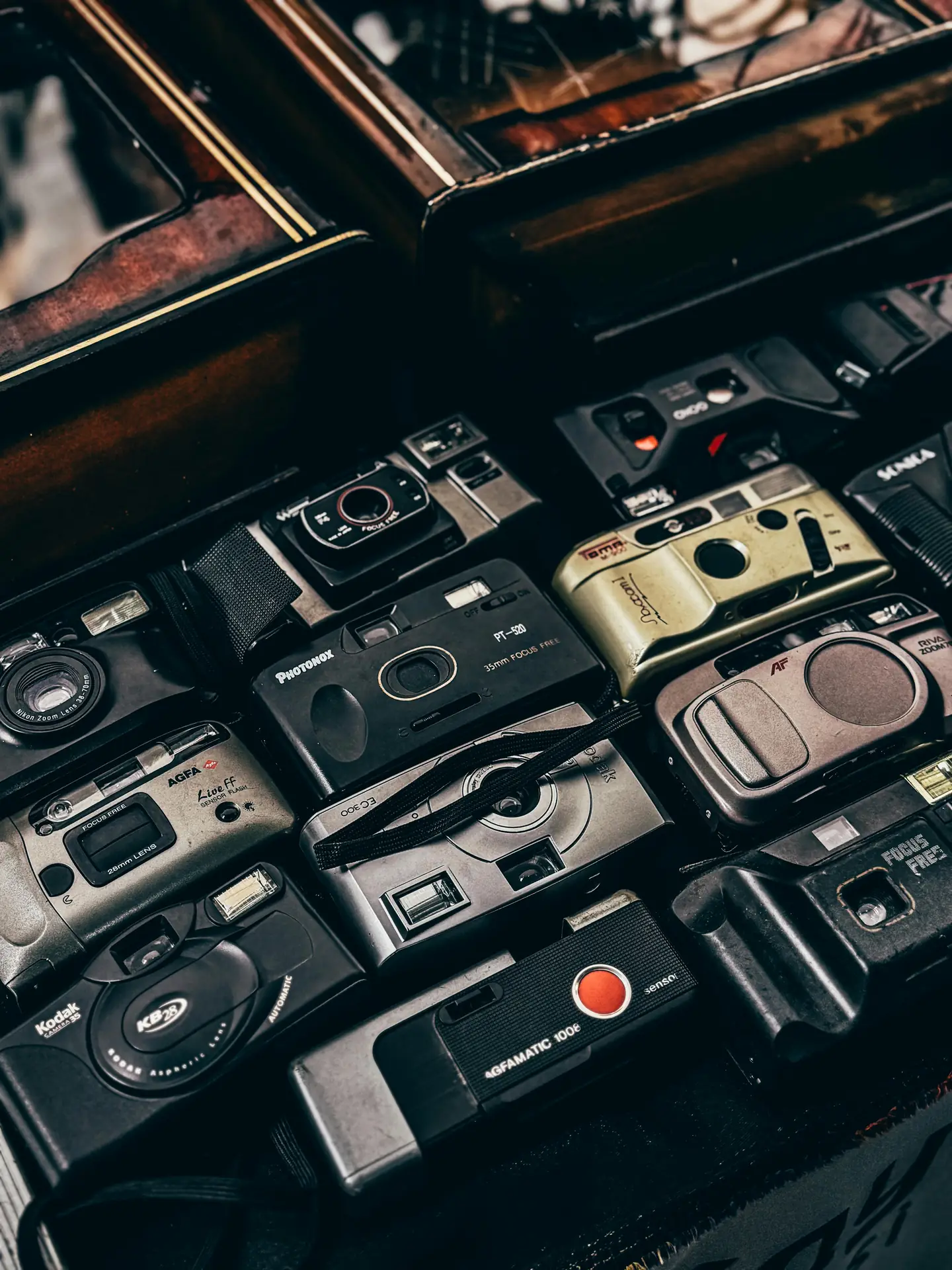
Shooting film on the road needs a plan and the right gear. Pick a few film stocks and one camera that fits your trip. Then use a simple routine for exposure and storage.
Gear choices that travel well
Choose a camera that fits your style and weight needs. A compact 35mm rangefinder is light for street travel. A medium format camera gives richer tones but weighs more.
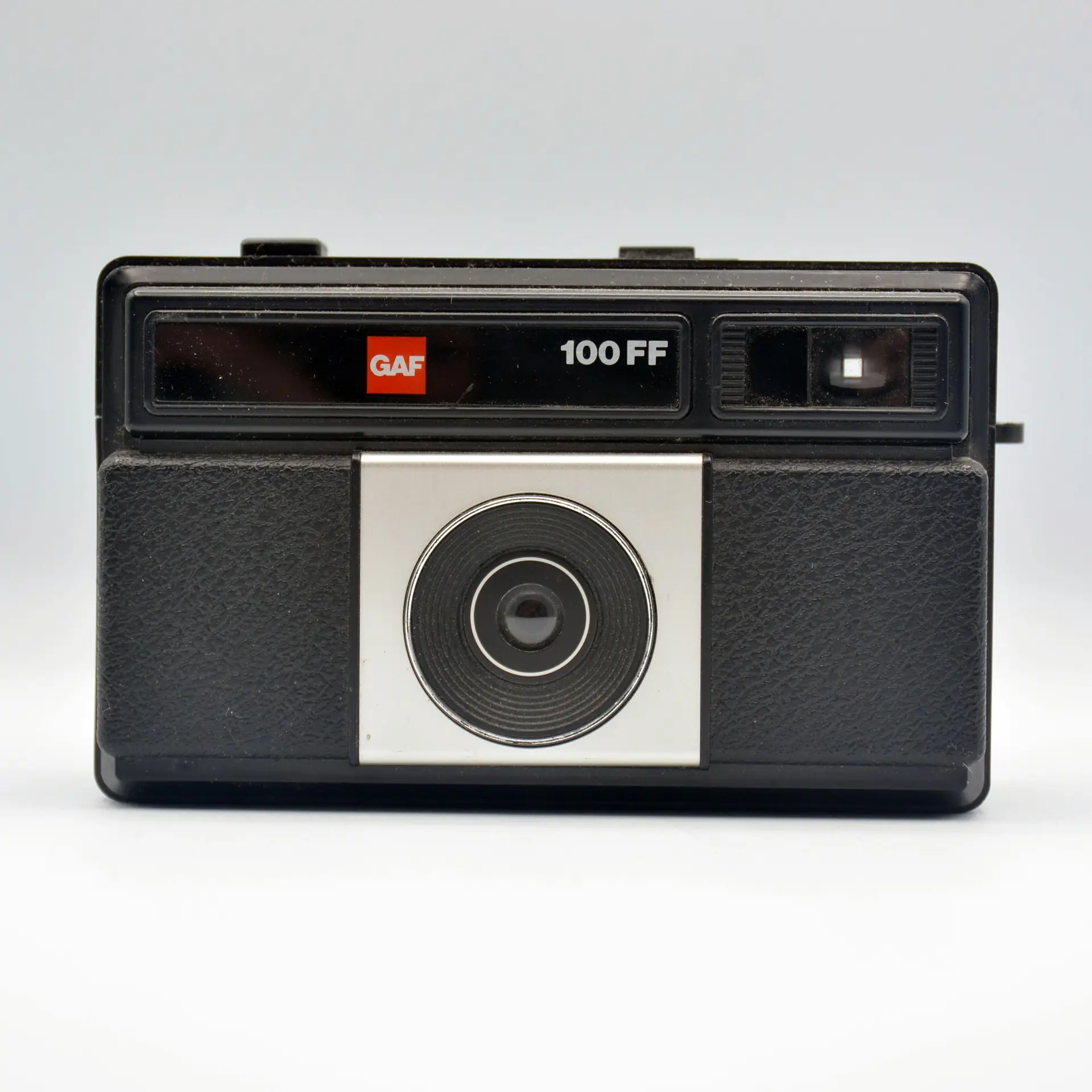
- Compact rangefinder for street work
- Point-and-shoot for easy carry
- Medium format for slow, high-quality shots
- Rugged SLR for varied light and lenses
Film stocks and exposure made simple
Pick a few film stocks and stick with them for a trip. Kodak Portra gives warm skin tones and wide exposure latitude. Fujifilm Superia works well for bright days and city scenes.
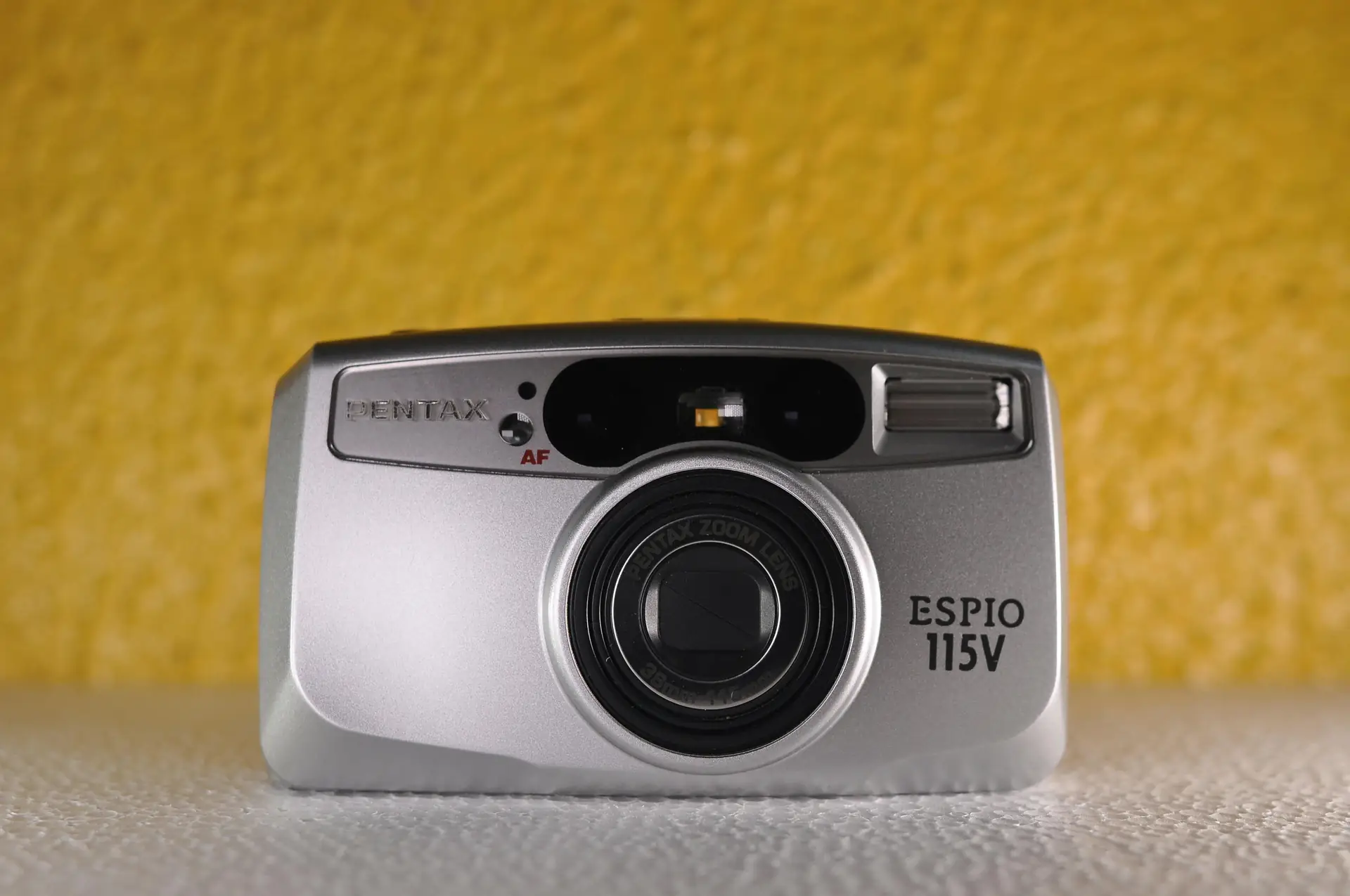
For grainy mood, try Ilford HP5 or Kodak Tri-X in black and white. Use ISO 200 or 400 for most light. Meter for midtones and bracket one stop if light looks odd.
Shooting tips for better frames
Shoot with intent and move slowly. Frame tight, then step back for a wide shot. Use golden hour light for warm tones and clear mood.
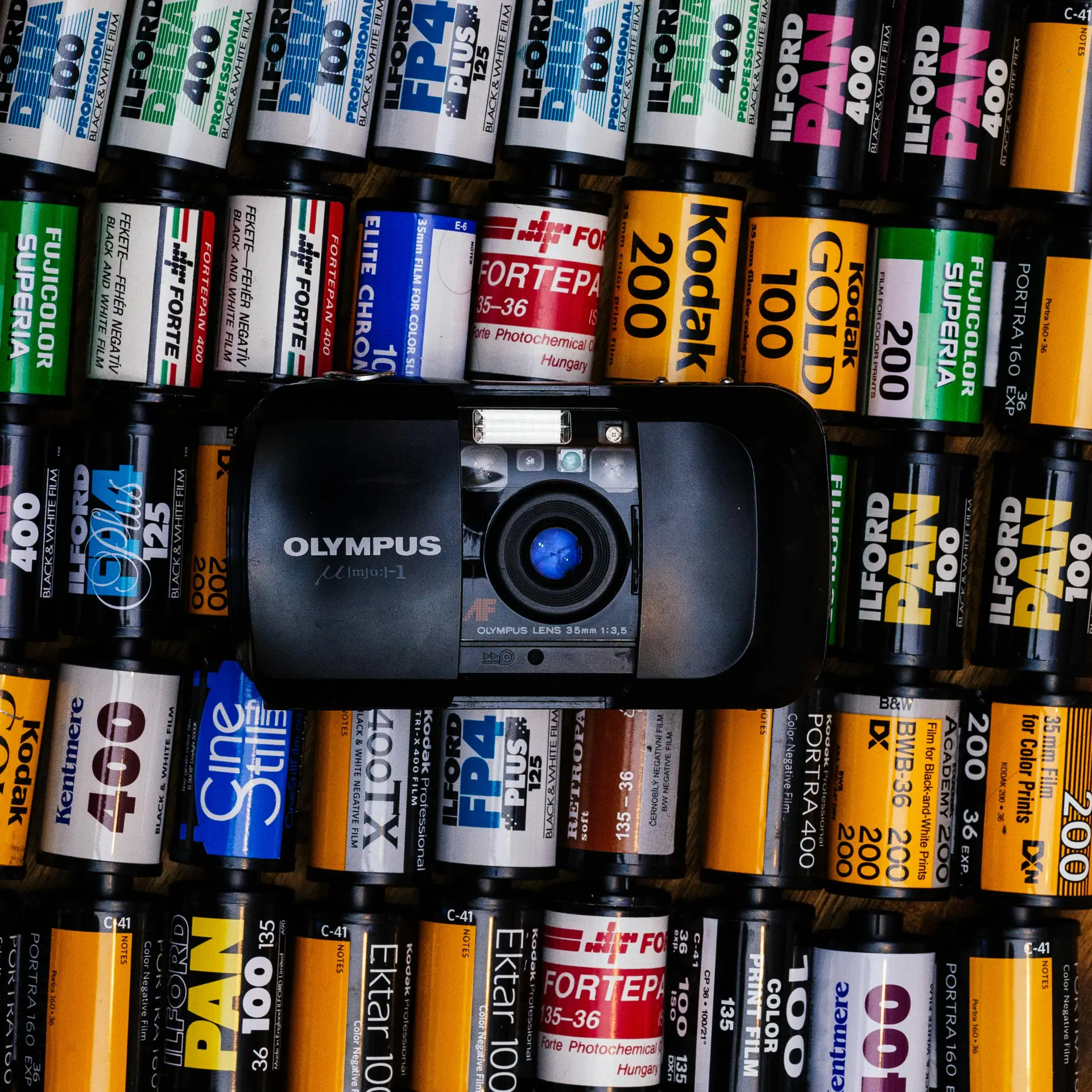
- Check light, then set exposure.
- Make one careful frame, then one wide frame.
- Rotate between color and black-and-white rolls.
- Note meter settings in a small travel log.
Scanning, editing, and sharing analog photos in 2026
After the trip, scan and share your film work. Many labs now offer high-quality scans and fast turnarounds. You can also scan at home with compact film scanners.
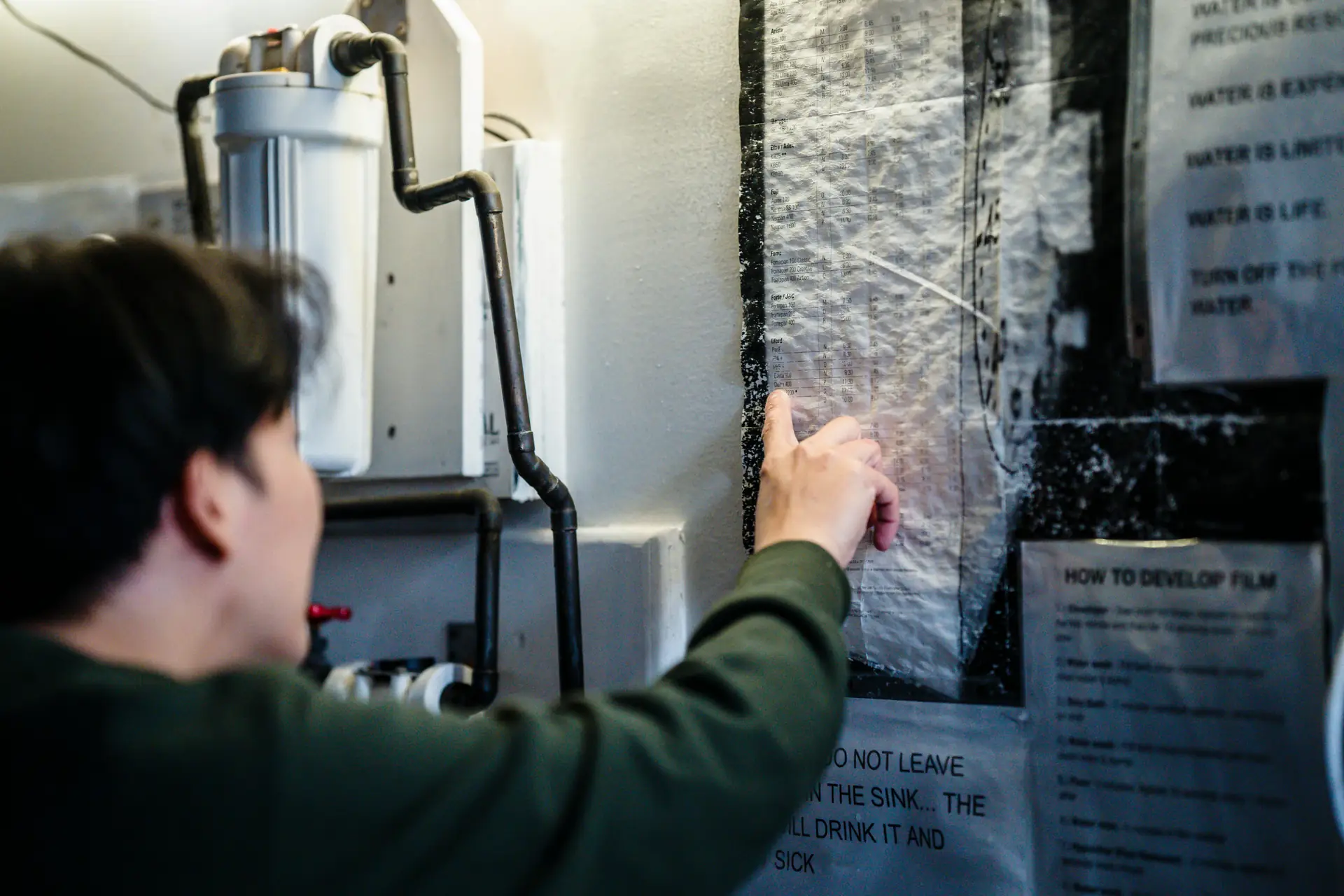
Edit lightly to keep the film look. Adjust exposure, contrast, and color balance with small moves. Share images on social apps and make a printed zine for keepsakes.
Where to get film developed
- Local labs in cities and tourist towns
- Mail-in services that scan and return negatives
- Pop-up lab services at film fairs and markets
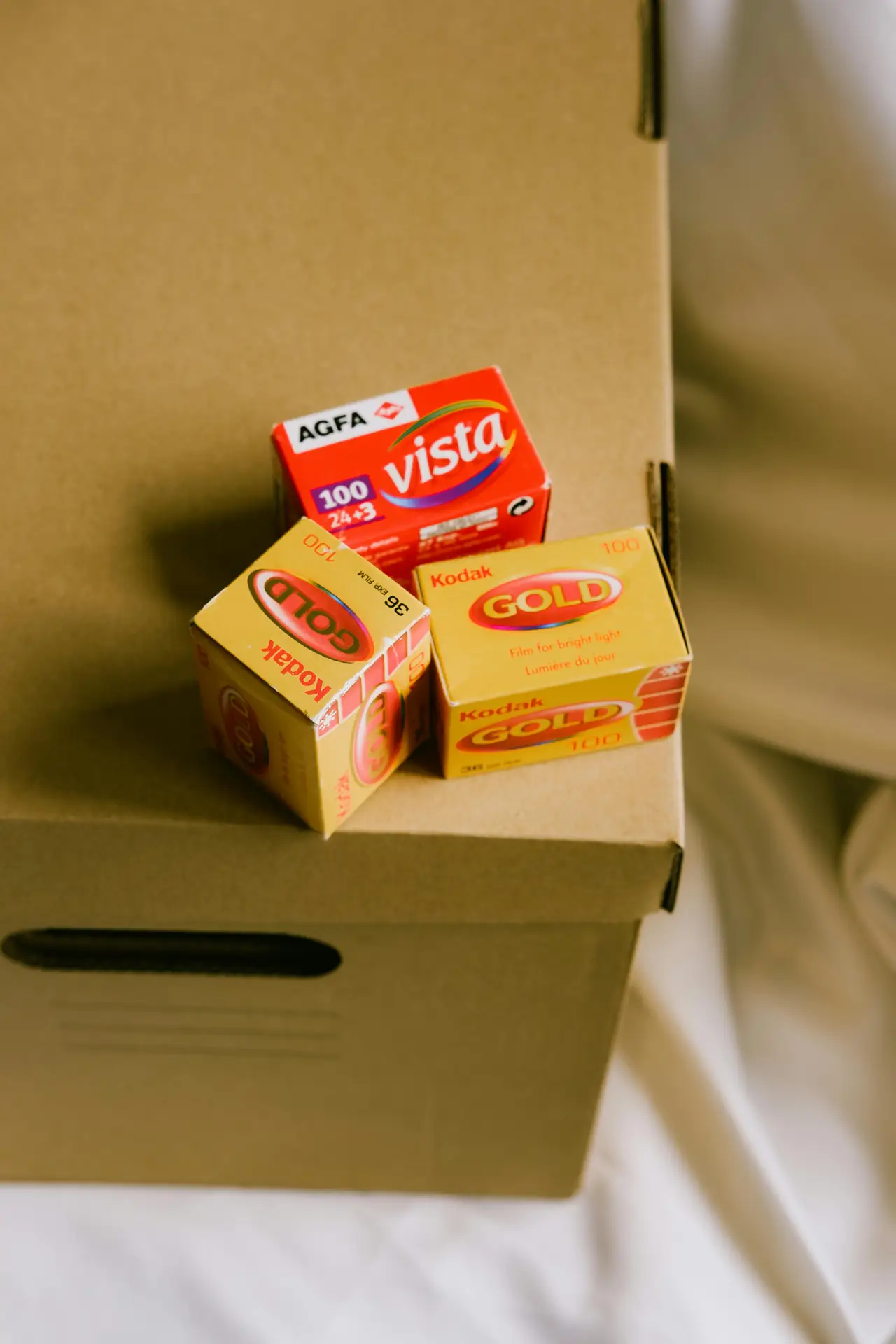
Trusted labs often give better color and cleaner scans. Read reviews and ask other travelers for lab tips. Pack exposed rolls well if you use mail services.
Carry and protect your analog gear: why good straps and clips matter
How you carry film cameras matters for safety and access. A good camera strap keeps your gear ready and safe. It also helps you shoot more often on the road.
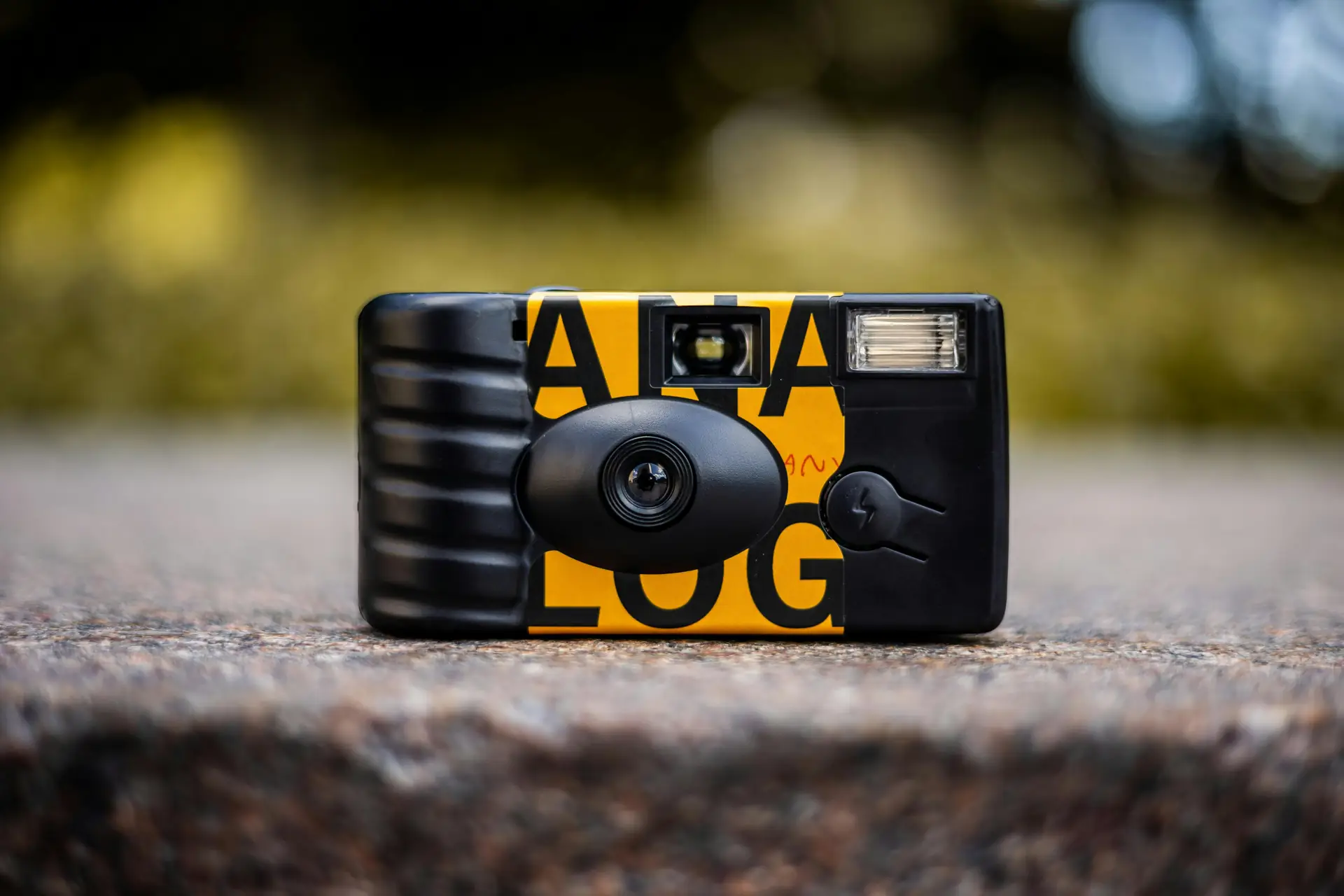
Camstrap blends function with style. Camstrap is a brand that wants to change how photographers and adventurers carry cameras. Their mission is to mix function with elegance and make secure, stylish camera straps.
- Camstrap voyager gives padded support for long trips
- Camstrap explorer fits city walks and quick shots
- Camstrap nomad works well on rough trails
- Camstrap magclip holds lens caps and small gear
Packing tips for film safety
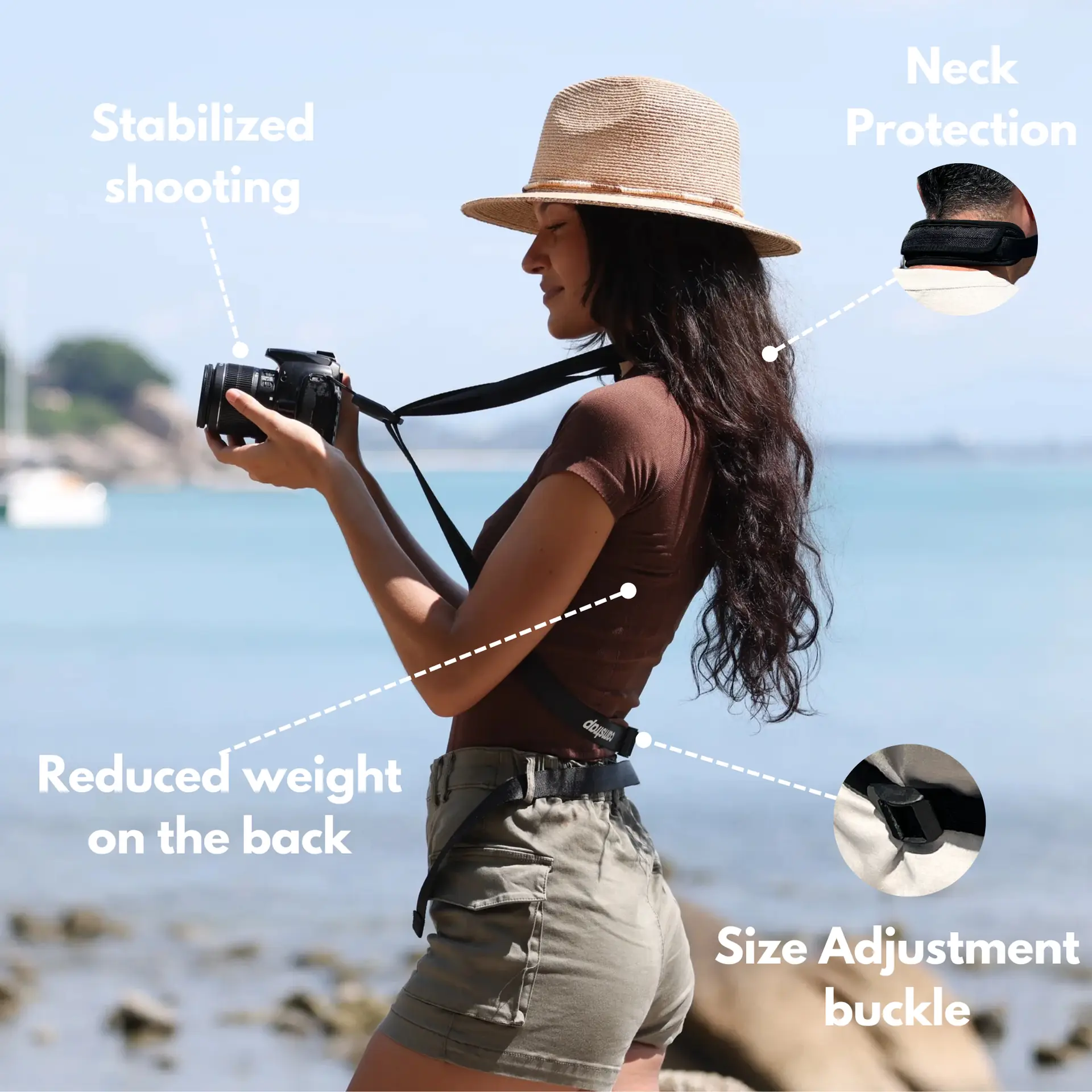
Keep exposed rolls in a hard case until developed. Store unused film in a cool part of your bag. Carry film in your carry-on to avoid heavy X-rays at airport check-in.
Also bring small repair tools like a lens cloth, spare battery, and tape. These items help you fix small problems fast. A light strap like the Camstrap explorer keeps your camera at hand.
Practical advice to keep shooting analog while traveling
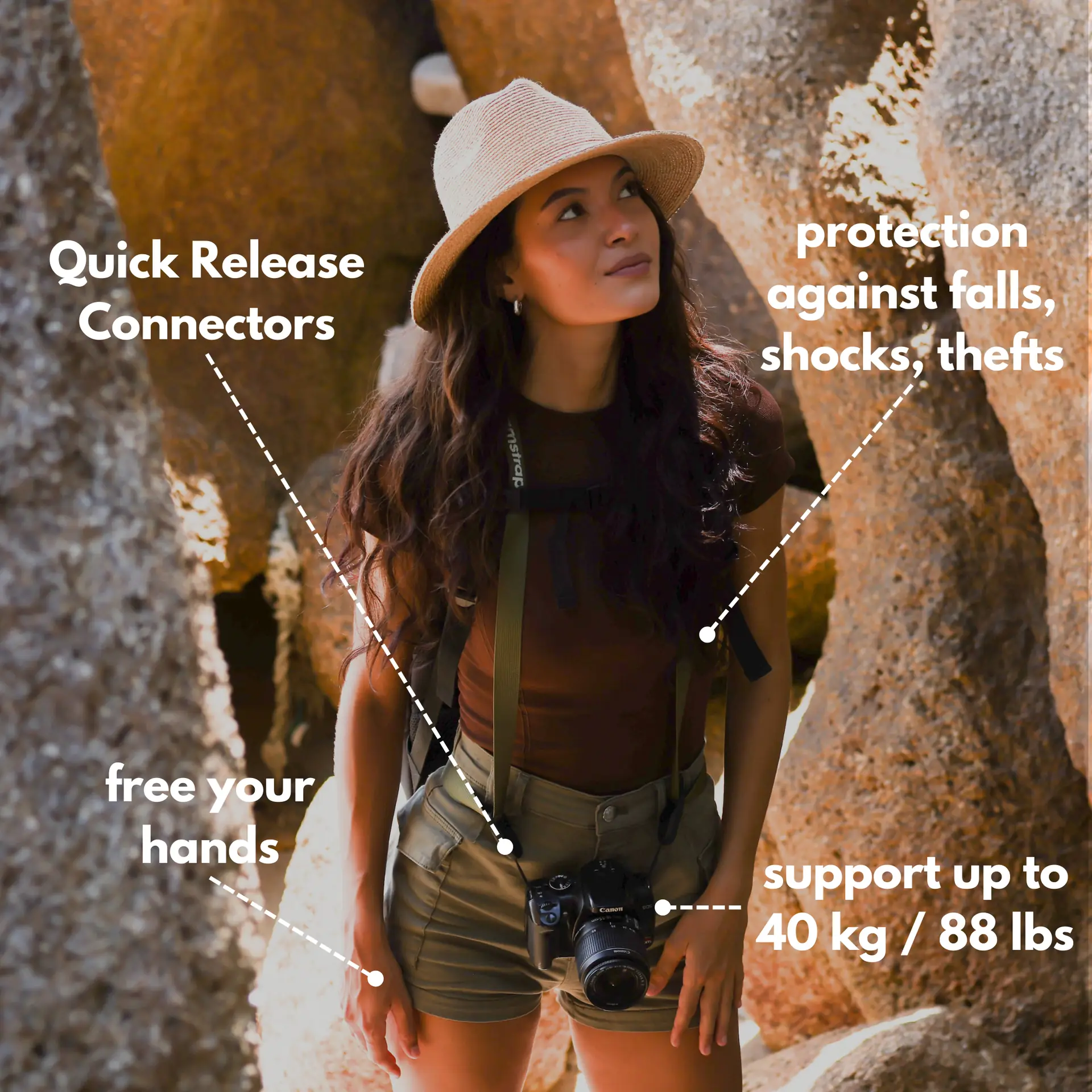
Plan shots but stay flexible. Look for stories, not just pretty views. Talk to locals and let them show real places and moments.
Keep a small log for film types and settings. Note the roll number, camera, and meter setting. This habit helps you learn and repeat what works on future trips.
Balancing cost and creativity
Film adds cost, but you can manage it. Shoot fewer frames and save rolls for key moments. Buy bulk film or shop sales to cut expenses.
Mix digital and film. Use your phone for proofs and then shoot the best scenes on film. This mix keeps your feed full and your film use smart.
Final thoughts: why analog will keep surging among travelers
Analog will keep finding fans because it gives a human touch to images. Travelers want photos that feel like memories and not just files. Film brings chance, craft, and a slow pace many people value.
As you plan trips in 2026, try bringing one film camera and a good camera strap. Pack a roll of color and a roll of black-and-white. Use trusted labs, make prints, and keep notes.
With simple gear like a Camstrap nomad or the Camstrap voyager, you move light and safe. Then shoot with care and enjoy the slow art of analog photography. That is why analog is surging among travelers now.


