


- Use alley shadows and edges to funnel attention to one vanishing point.
- Keep lines clean, contrast strong, and the subject anchored at the frame’s end.
- Avoid wobbling verticals and clutter that break the one-point perspective illusion.
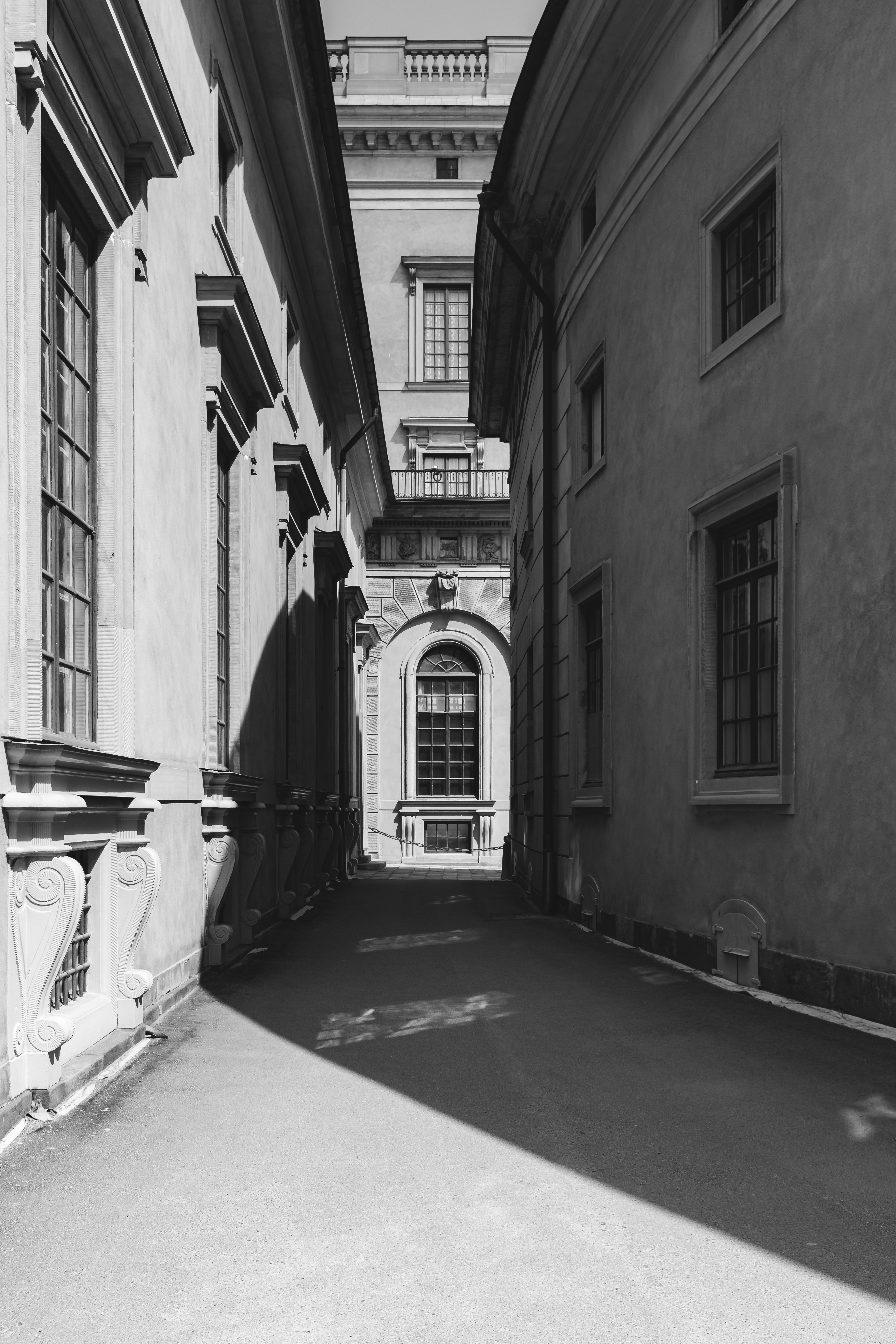
One-point perspective photography frames a scene so parallel lines appear to meet at a single vanishing point. In alleyways, shadows, walls, and pavement edges often pull the eye straight toward the center. City alleys offer more than a narrow passage. They throw slashes of light, hard edges, and deep shade across the frame, and that mix can turn an ordinary street view into something that feels like a film still.
Shop the setup

- Regular price
-
€42 - Regular price
-
€44 - Sale price
-
€42
By choosing the Camstrap strap, you are opting for a high-quality product designed to meet the needs of the most demanding photographers.
- Developed by a physiotherapist to relieve neck and back pain.
- Fast delivery with tracking by the Post Office 🚚
- Can be used as a shoulder strap or hands-free harness

- Regular price
-
€36 - Regular price
-
€42 - Sale price
-
€36
Free shipping included
How shadows turn a narrow street into a visual path
Alley shadows work like leading lines. The eye follows the dark edge, the seam in the wall, or the strip of light until it lands on the subject.
Parallel lines in real space seem to converge as they recede from the camera. That effect adds depth, giving a city frame width and drama.
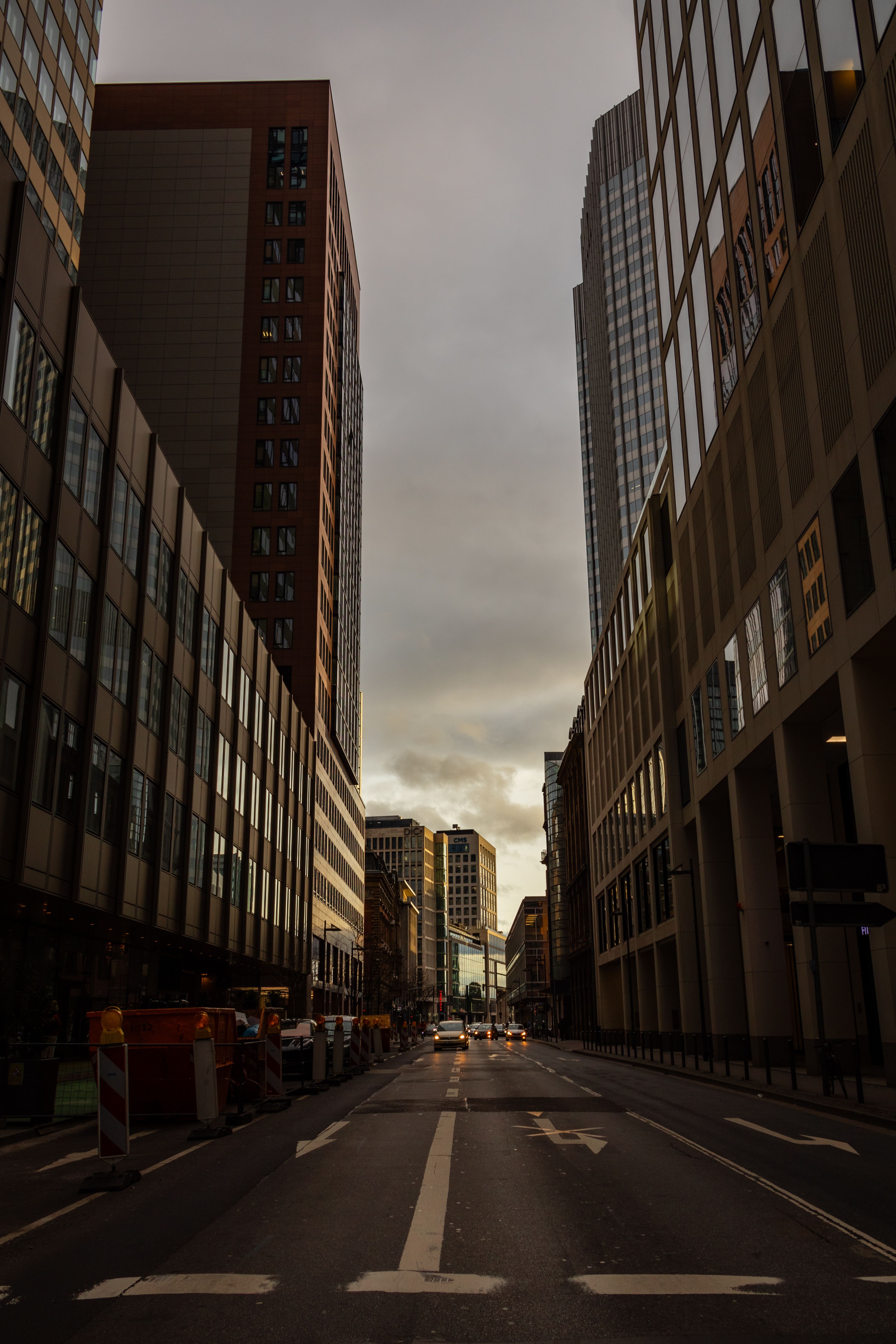
Light edges matter more than deep shade alone
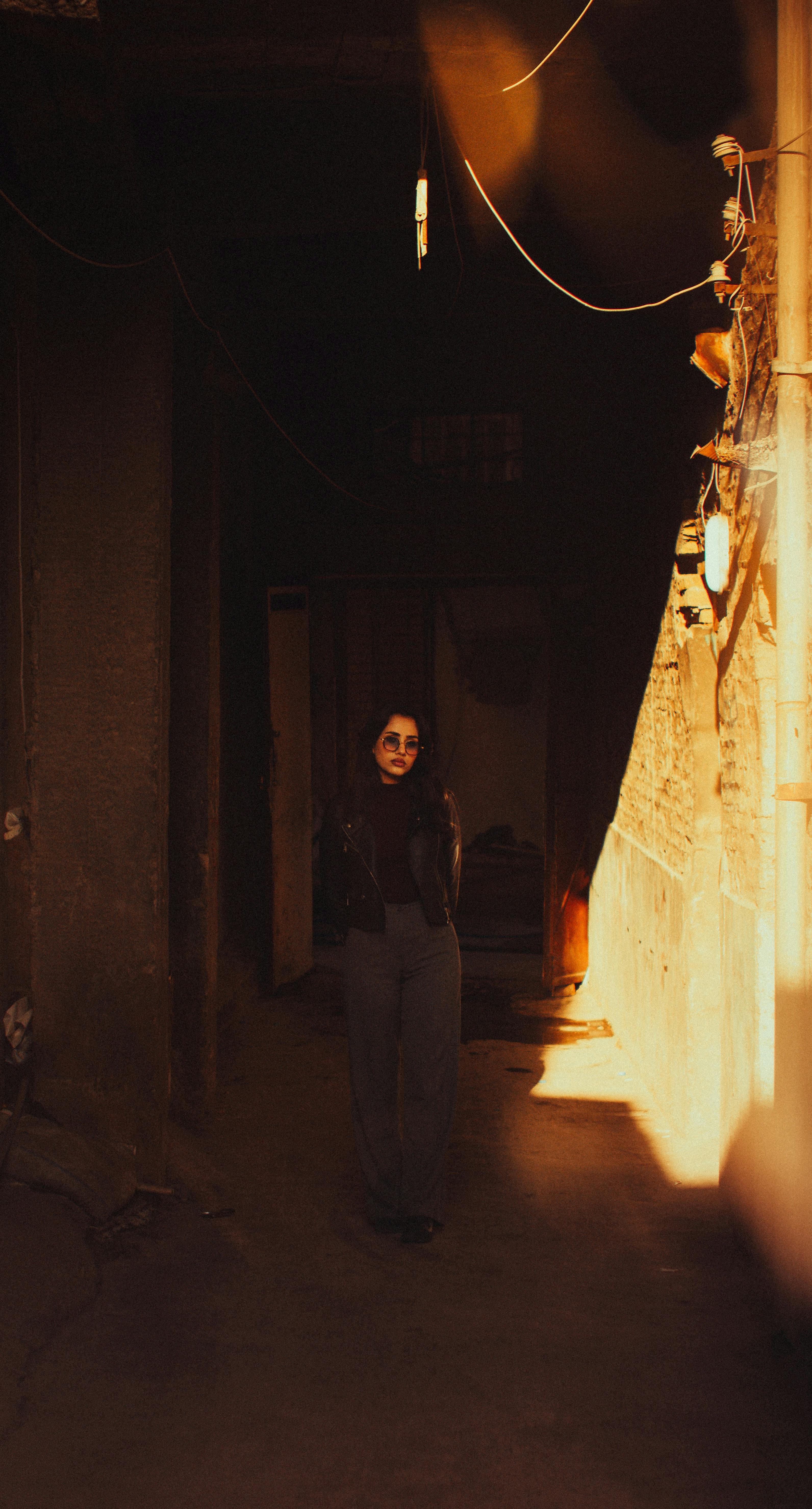
A shadow on its own can look flat. Set it beside a bright wall, and it becomes a crisp border that guides the eye. Often, that border points straight to a person, a doorway, or the end of the alley.
Converging lines also reveal scale. Tall buildings feel taller when the lines climb upward and tighten in the frame, and verticals add tension that gives the scene more life.
Why the mood feels like cinema
Cinematic images lean on contrast, direction, and space to tell a story. Alley shadows hand you all three in one place.
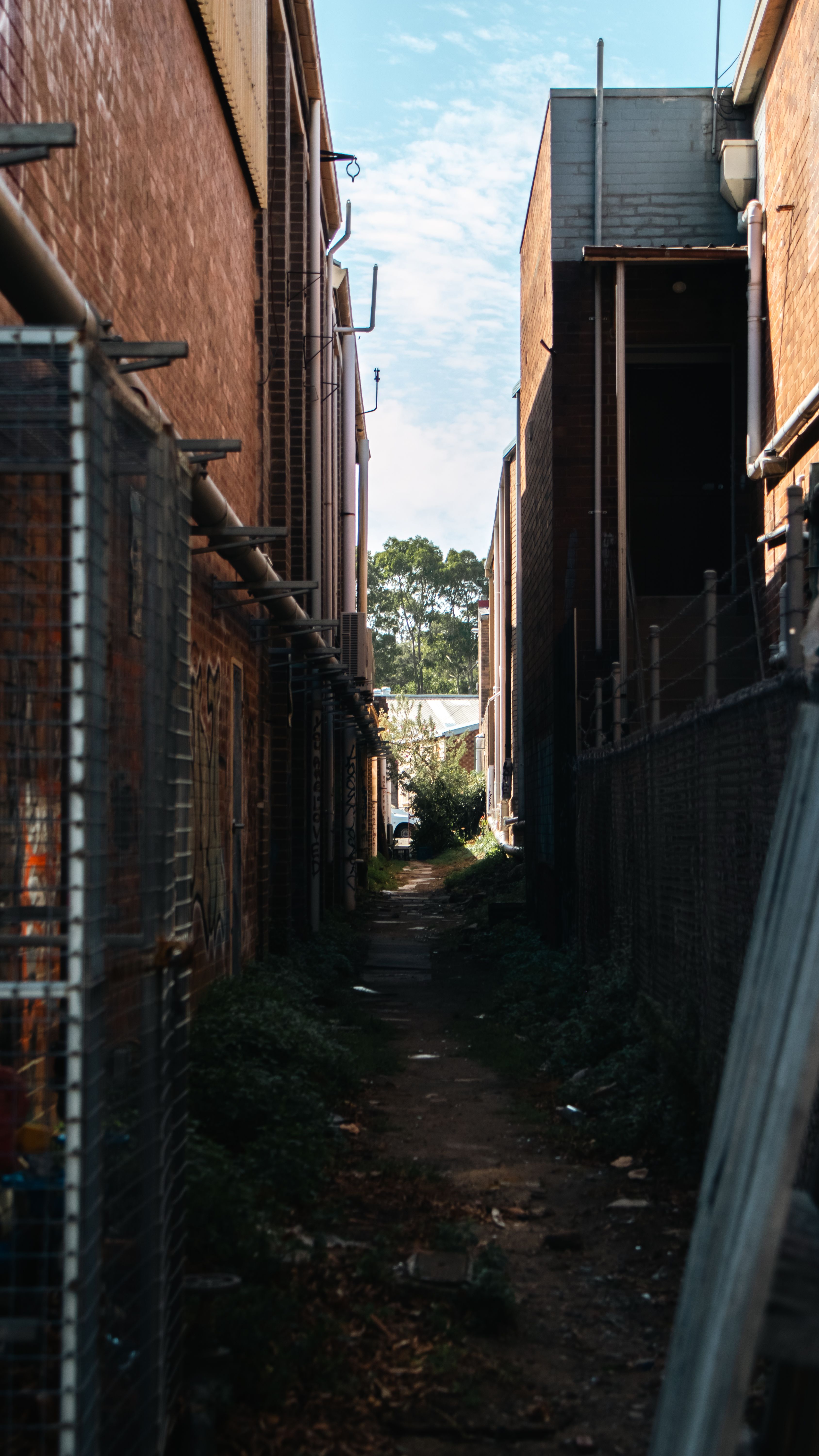
Dark corners build suspense. Bright patches read like stage lights. Together, they make the frame feel deliberate, even when you found it by chance.
What is a one-point perspective photo?
A one-point perspective photo uses a single vanishing point to pull the viewer deep into the frame. Walls, roads, rails, or shadows seem to meet in one spot. This setup suits alleys because the space is already narrow and direct. Put a subject near the vanishing point, and the whole scene seems to point there.
What the frame needs to work
- Two strong edges that run toward the same center point.
- A clear end point, like a person, door, sign, or light patch.
- Enough contrast to separate the subject from the walls.
- A clean camera angle that keeps the lines from wobbling too much.
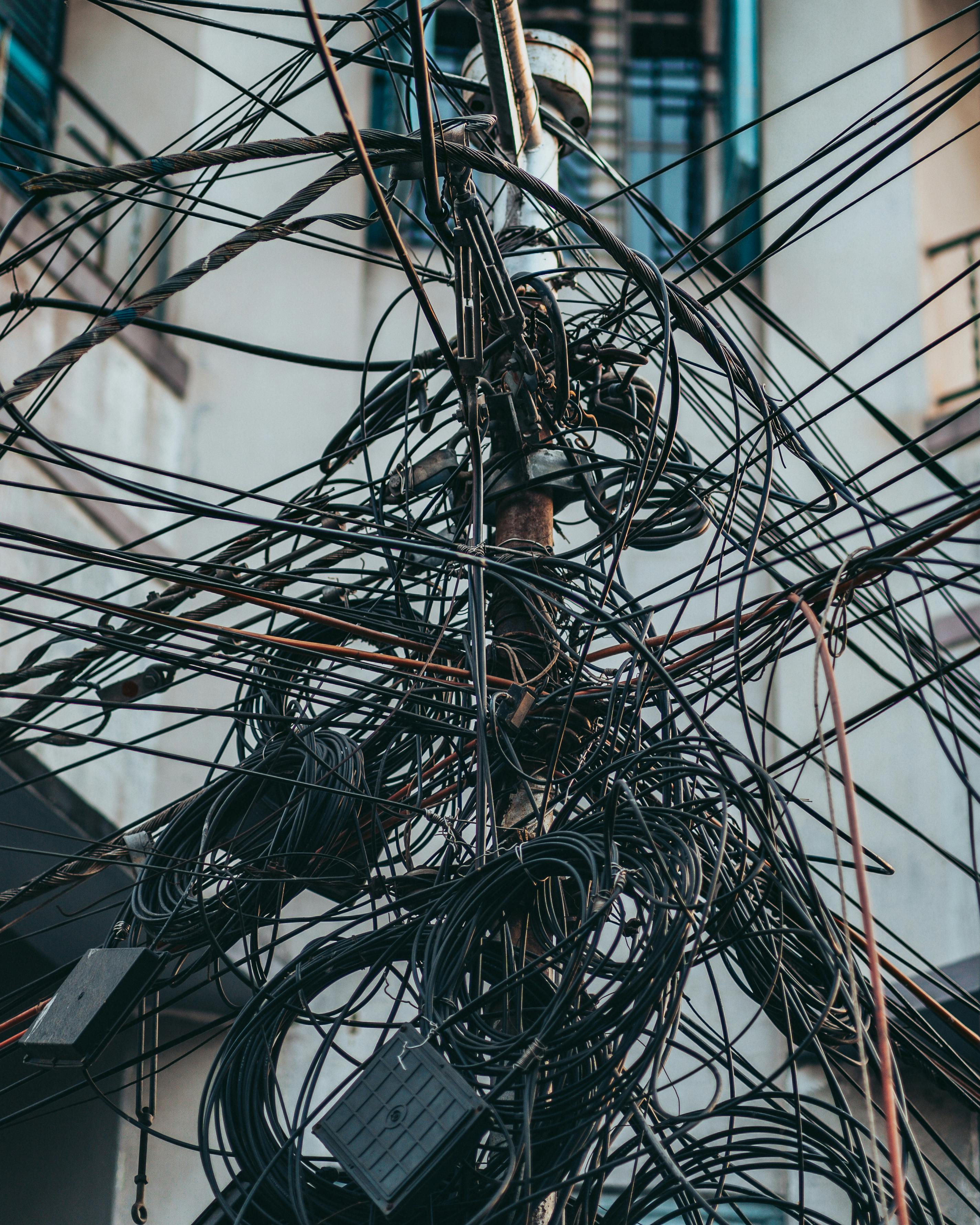
Canon suggests aperture-priority mode with f/8 or f/11 for converging city buildings. That range keeps more of the scene sharp, which makes the lines easier to read.
Why the eye follows alley lines so easily
The human eye likes order. Give it a clear path, and the brain moves through the frame quickly and without strain.
That’s why alley edges work so well. The lines set the direction, and the shadows supply the contrast. The subject becomes the natural stopping point.
Depth, scale, and distance in one glance
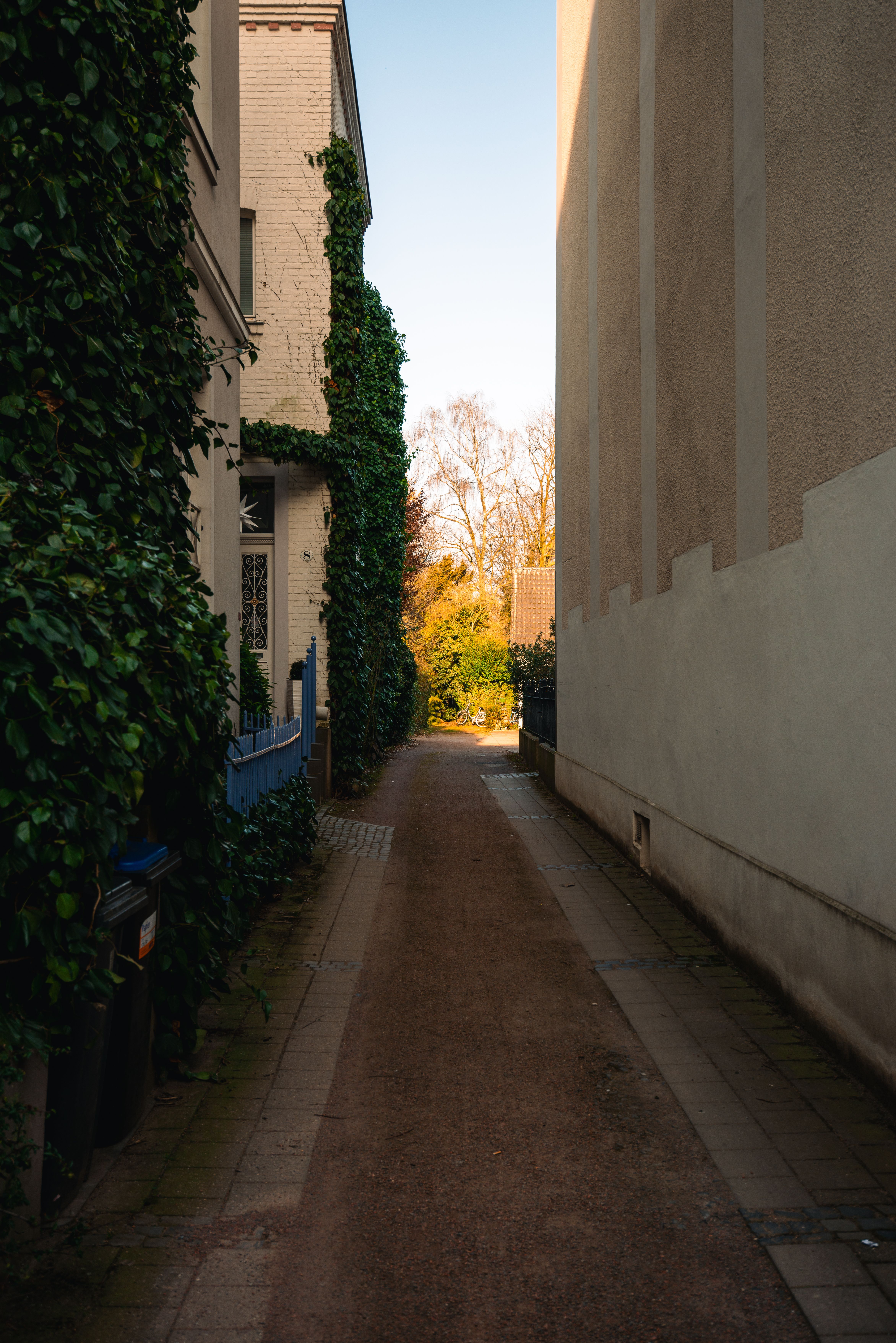
A wide alley can look larger when the lines stretch deep into the distance. A tight alley can feel deeper when the shadows draw inward and the light narrows at the far end.
Wide-angle lenses help because they capture more of the scene. Telephoto lenses do the opposite. They compress space and make background pieces appear larger, which can reduce the sense of depth when you want a broad, open feel.
That tradeoff is useful. A 24mm or 35mm lens often gives a strong sense of place. A 50mm to 85mm lens feels more focused and compact, which can suit a single subject in a bright slice of light.
What are common mistakes in one point perspective?
Weak vanishing points, messy edges, and subjects that fight the lines instead of using them are the usual trouble spots in one-point perspective. Those problems make the frame feel loose rather than directed.
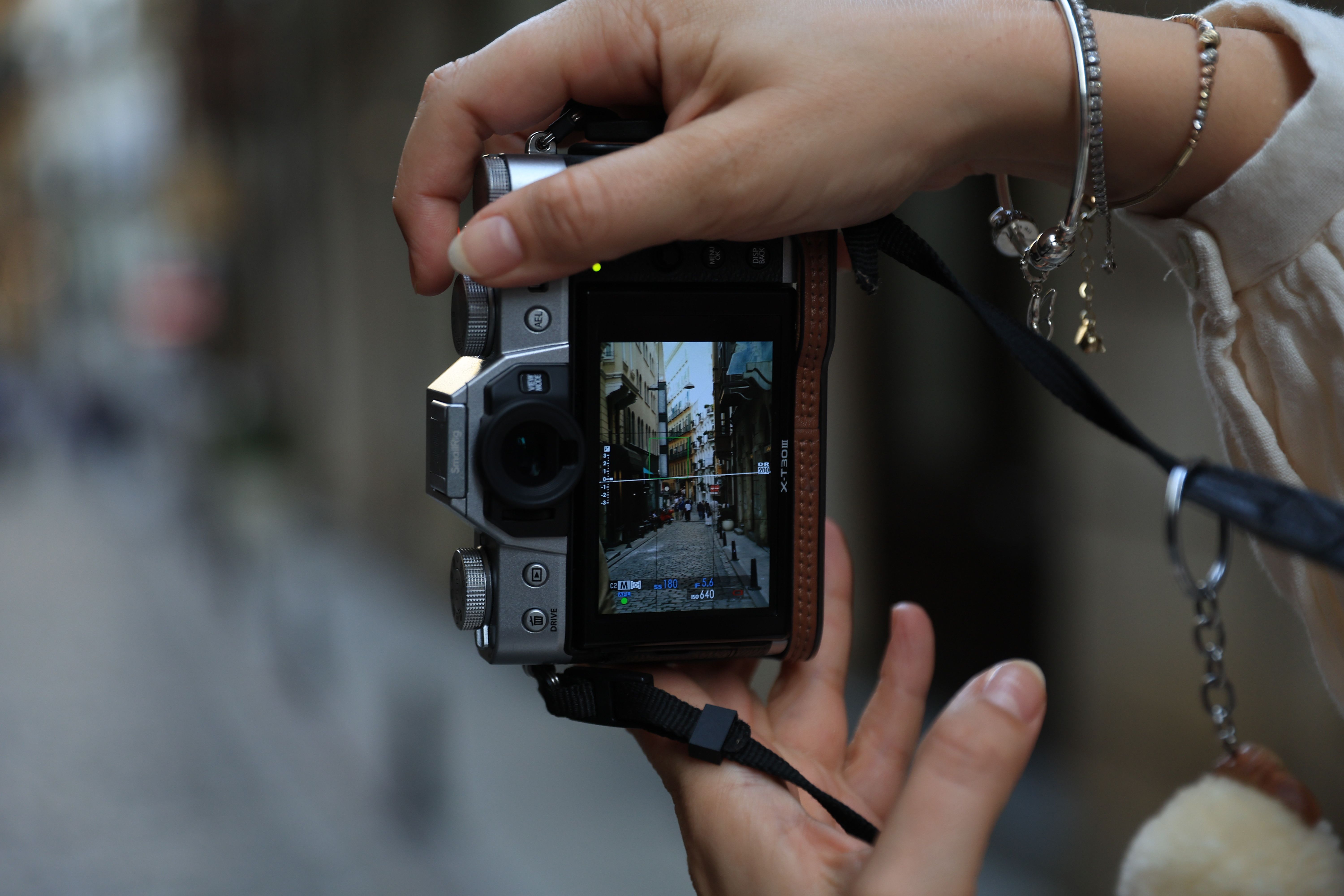
One of the biggest issues is a center point with no payoff. If the lines lead nowhere interesting, the photo loses its pull.
Watch for these frame problems
- The subject blends into the background.
- Too much empty wall takes over the frame.
- The camera tilts, and the lines feel sloppy.
- Bright signs or cars steal attention from the end point.
- Shadows are so dark that they hide the path.
A wider aperture can isolate a subject, but too shallow a depth of field weakens the line work. If only part of the alley is sharp, the perspective may feel soft and less clear.
Low-light scenes need care too. Canon recommends a wide aperture, higher ISO, and a camera suited to low light. That keeps detail in the walls and the subject, even when the alley is dim.
What are the rules of one point perspective?
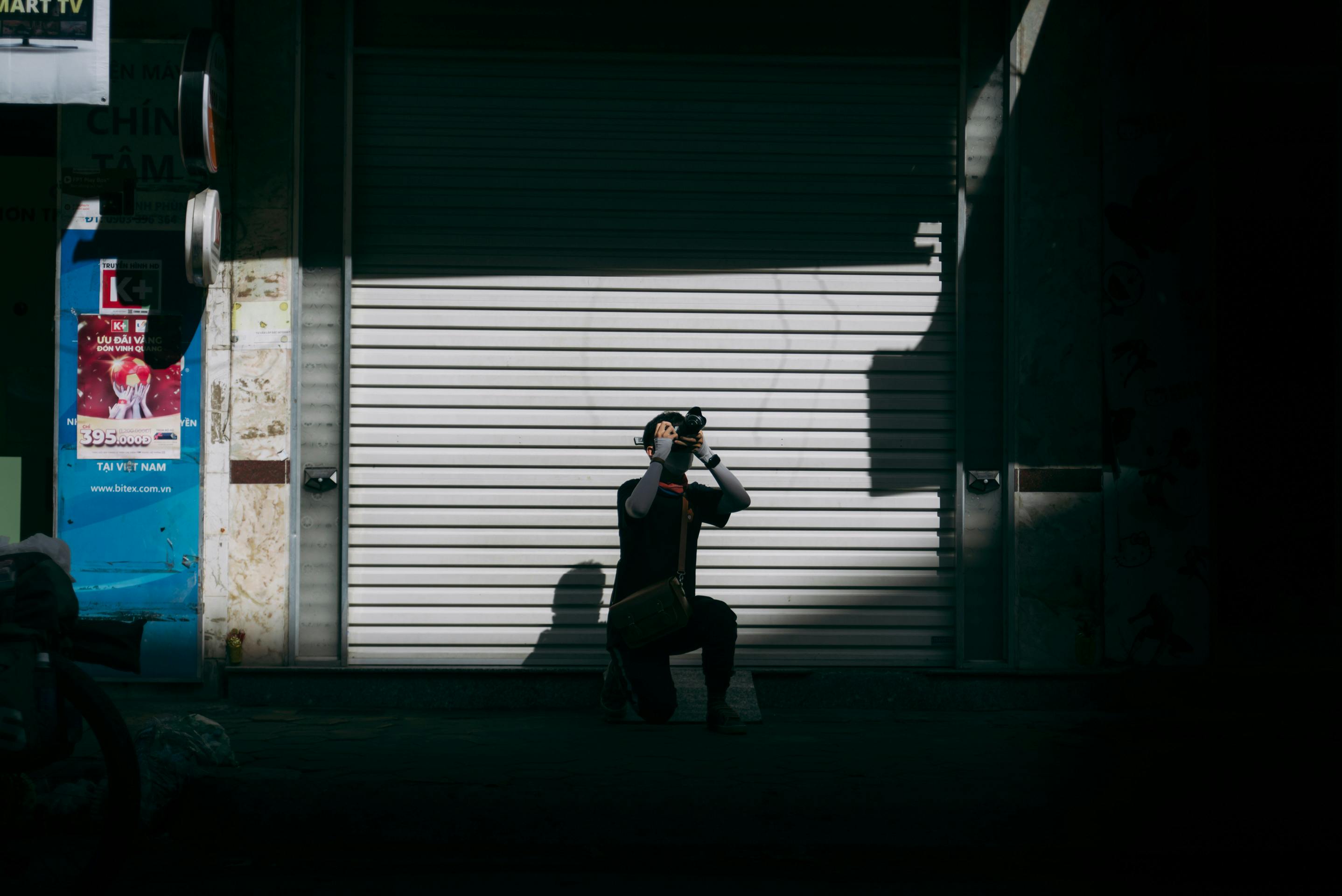
The rules are simple: keep parallel lines aimed at one vanishing point, keep the subject readable, and keep the frame balanced. The photo should feel like it has one clear destination.
Not every line has to be perfect. The frame just needs to feel intentional. Even small changes in angle can shift the whole mood.
Practical rules that matter in the street
- Place the camera so the main lines point to one spot.
- Use a clear focal point near that spot.
- Keep verticals as straight as possible unless you want a tilt.
- Use shadow blocks to frame the center, not hide it.
- Choose a lens that matches the space, often 24mm to 50mm.
A tripod can help with alignment, but it is not always necessary. A steady stance and a careful reframe often work just as well in a narrow alley.
The horizon line matters more than many people expect. Move it up or down, and the whole scene changes. A low viewpoint can make the alley feel grand, while a higher view can flatten it.
Can you explain one-point perspective to a beginner?
One-point perspective shows depth by making lines appear to meet in one place. Stand in an alley and look straight down it, and the idea clicks fast. The walls seem to come together in the distance, even though they stay parallel. The camera turns real space into a visual tunnel.
A quick way to see it on the street
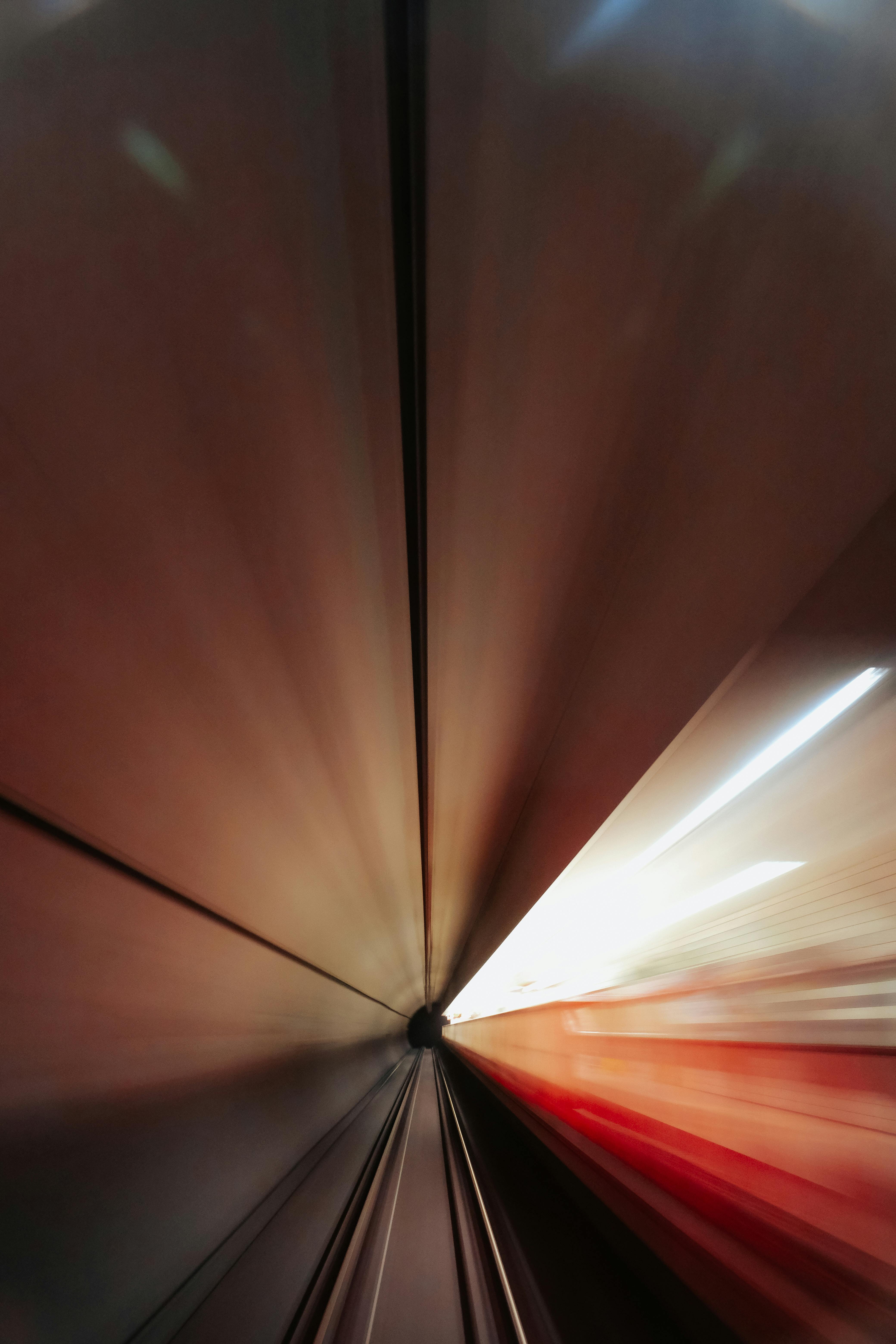
- Find a narrow street, alley, stairwell, or corridor.
- Face the camera straight down the path.
- Place a person, sign, or lamp at the end.
- Let the walls or shadows lead the eye to that point.
Start with one strong subject and one strong set of lines. Too many points of interest can make the scene feel busy and blunt the effect.
Back-button focus helps when the subject shifts a little in the frame. It lets you lock focus once, then recompose without refocusing each time. That comes in handy when slices of light change as you move a step left or right.
How to shoot alley shadows with more control
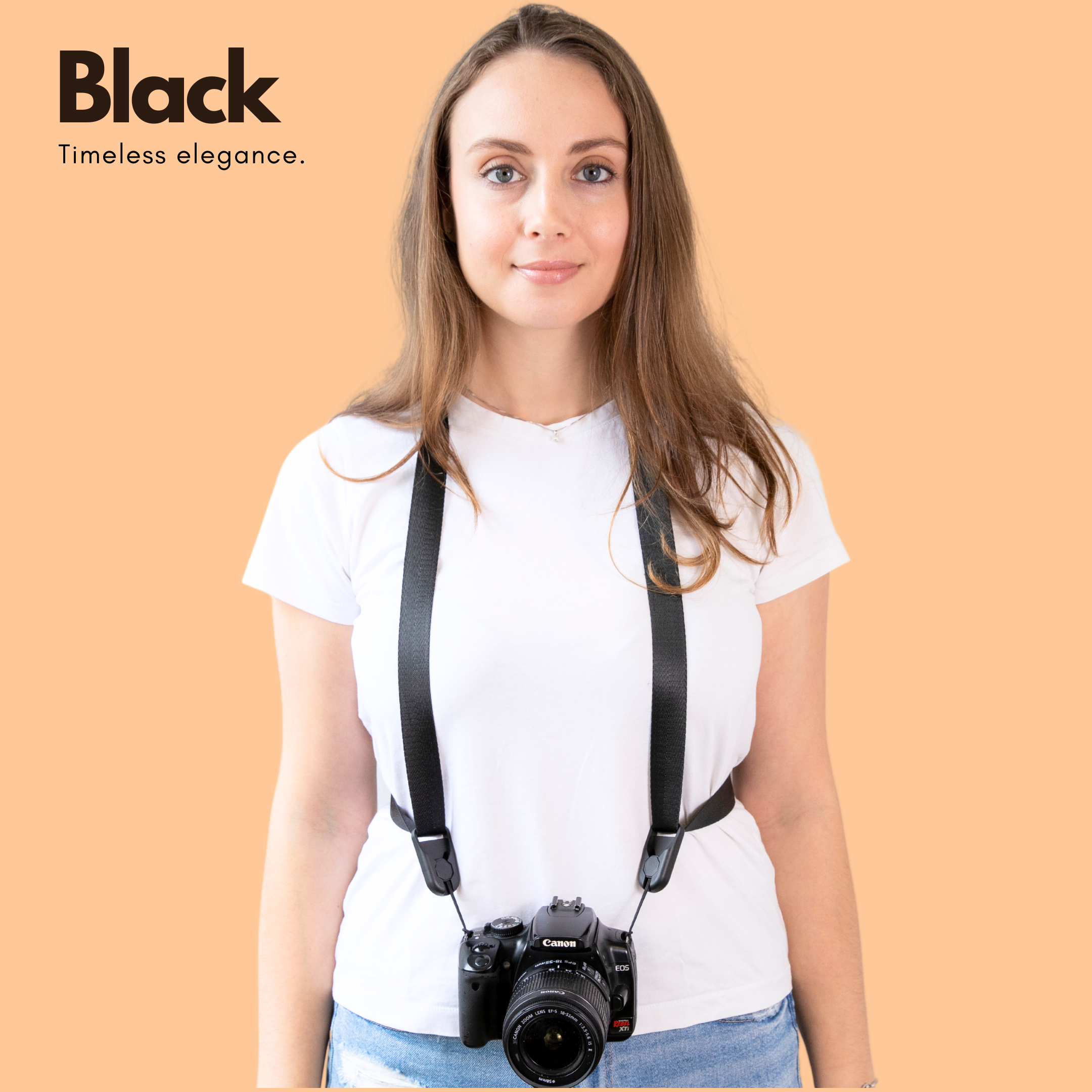
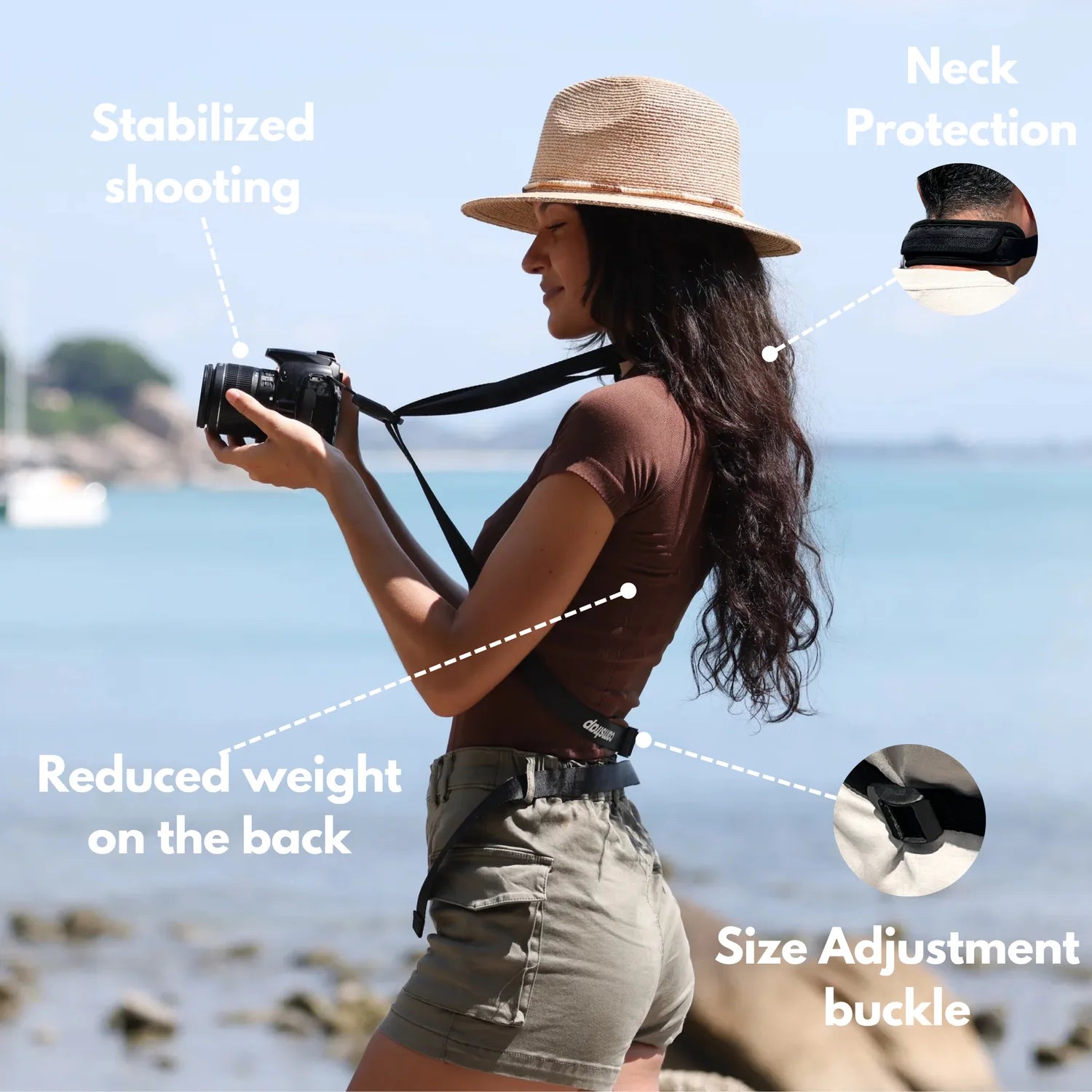
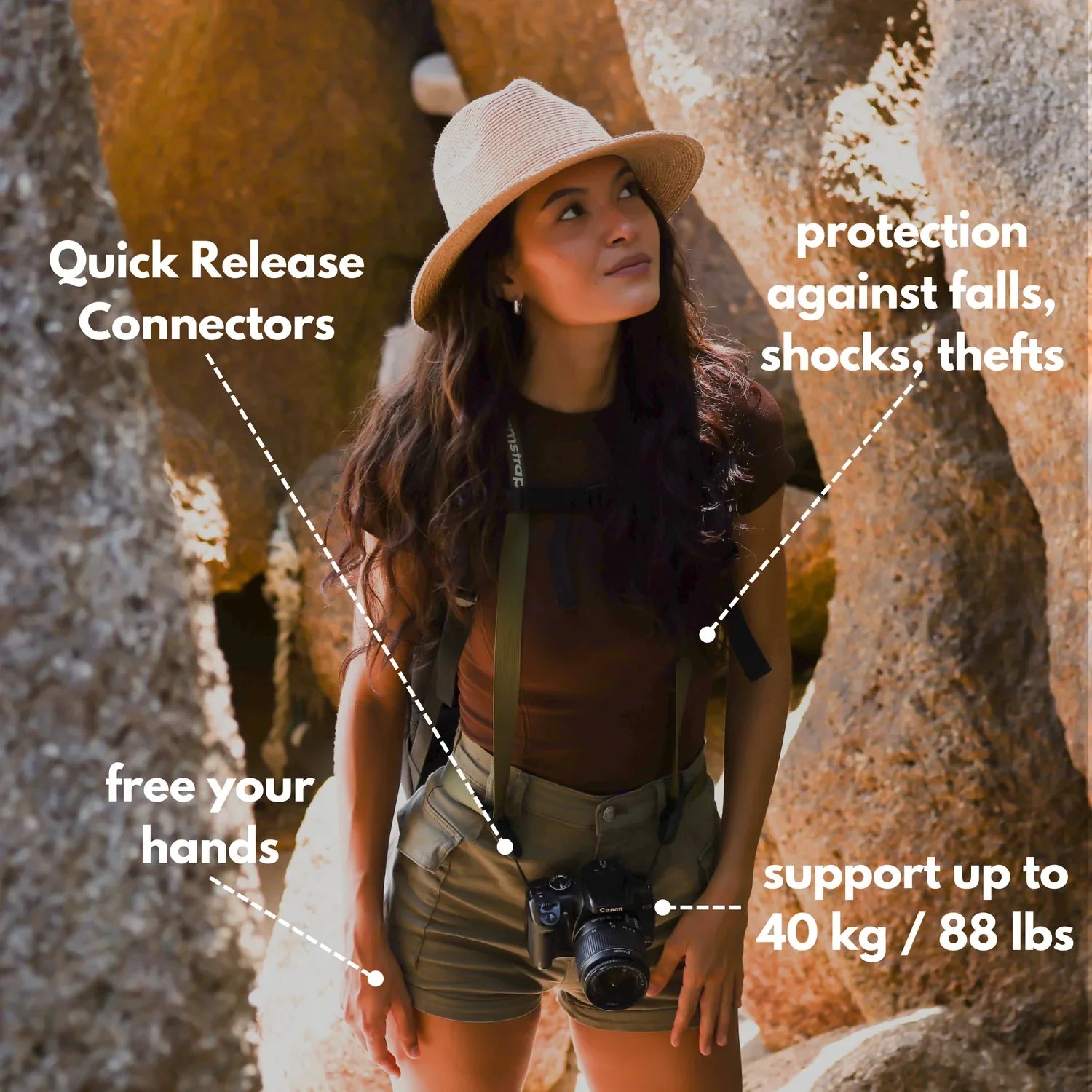
A hands-free carry setup makes this kind of work easier because the camera stays ready for quick detours. A strap like the Camstrap voyager spreads weight across the body and keeps the camera close when you duck into side streets or climb stairs.
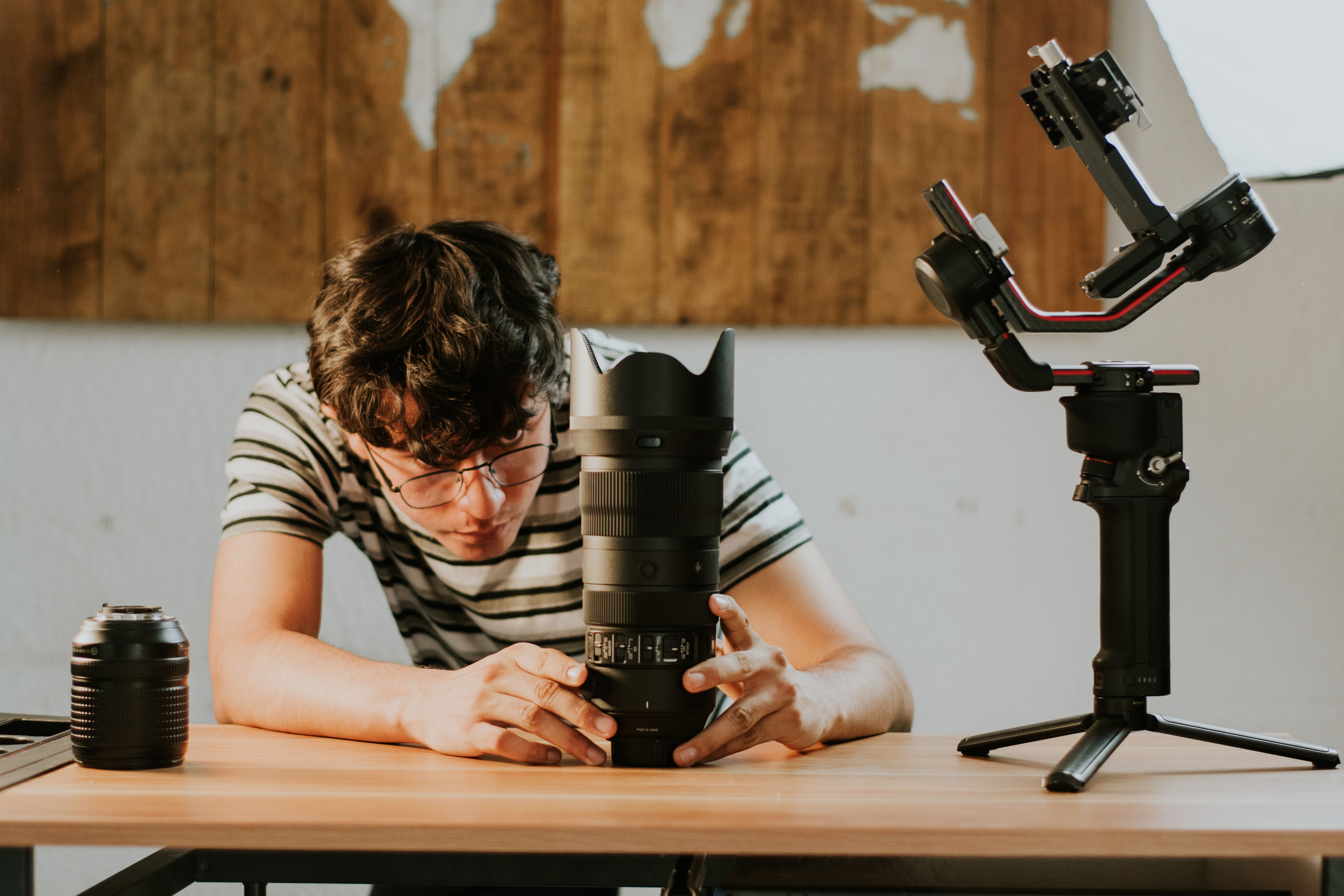
That helps in alleys, where the best light may last only seconds. If the camera is already within reach, you can react before the shadow pattern shifts.
Settings that fit the scene
Aperture-priority mode is a strong starting point. Use f/8 or f/11 for buildings and lines that need detail across the frame. If the alley is dark, open up a bit, but watch the depth of field.
For moving people, continuous AF with subject detection keeps the focus point more stable. A modern mirrorless body can shoot about 10 fps with the mechanical shutter, while electronic bursts can run far faster. Fast burst rates help when a person steps into a beam of light, but very fast electronic shooting can bring rolling-shutter skew or banding under some LED lights.
Buffer depth also matters. A mid-tier body may hold roughly 20 to 40 RAW frames before it slows, while JPEGs usually stretch farther. UHS-II V60 or V90 cards clear that buffer much faster than UHS-I cards, and CFexpress is even faster on supported bodies.
Use this short field check
- Look for one clean vanishing point before you raise the camera.
- Check the shadow edge, not just the subject.
- Watch for bright signs that pull the eye away.
- Take one test frame and zoom in on the lines.
- Move a step if the center feels weak.
Read the scene from edge to center. When the edges guide the eye well, the subject usually lands in the right place without much effort. For editing, simple pick and reject flags in Lightroom or Photo Mechanic keep the best frame easy to find. Alley shots often look close at first glance, so a fast cull helps you spot the one with the cleanest line flow.
Why this look keeps drawing photographers back
Alley shadows keep city frames cinematic because they do more than add darkness. They shape direction, depth, and mood at the same time.
That mix gives you a frame that feels built, not random. The viewer sees the path, feels the space, and lands on the subject with very little effort.
Next time you walk into a narrow street, look for one line of light and one strong end point. If both are there, the shot is already halfway made.
Frequently Asked Questions
What is a one-point perspective photo?
A one-point perspective photo is an image where parallel lines appear to converge at a single vanishing point. In city scenes, walls, roads, rails, or shadows can all guide the eye toward that one spot.
What are common mistakes in one point perspective?
Common mistakes in one-point perspective include crooked camera angles that make the lines wobble and weak contrast that hides the subject. Another mistake is lacking a clear endpoint, so the viewer has no obvious place for the lines to lead.
What are the rules of one point perspective?
The basic rules of one-point perspective are to use two strong edges that lead to the same center point and to include a clear subject or endpoint near that vanishing point. Good one-point perspective also needs enough contrast to separate the subject from the surrounding walls and a camera angle that keeps the lines clean.
Can you explain one-point perspective to a beginner?
One-point perspective is a way of photographing a scene so all the main lines seem to point to one spot, called the vanishing point. In a narrow alley, the walls, pavement edges, and shadows naturally create that effect and make the photo feel deeper and more dramatic.


