


Photojournalism is about being on the scene and telling the story with images. You must make fast, safe choices during December protests. Camstrap is a brand that blends function and style to help photographers carry gear simply and well.
This guide gives clear gear, safety, and legal tips for photojournalism now. It also recommends Camstrap straps like the Voyager and Nomad. Read these steps to shoot and stay safe at protests in December 2025.
Translation missing: en.blog_cta.bundle_heading

- Regular price
-
€42 - Regular price
-
€44 - Sale price
-
€42
By choosing the Camstrap strap, you are opting for a high-quality product designed to meet the needs of the most demanding photographers.
- Developed by a physiotherapist to relieve neck and back pain.
- Fast delivery with tracking by the Post Office 🚚
- Can be used as a shoulder strap or hands-free harness

- Regular price
-
€36 - Regular price
-
€42 - Sale price
-
€36
Translation missing: en.blog_cta.free_shipping_included
Photojournalism Gear Essentials
Pick reliable cameras that work well in low light and fast action. Bring a main body and a backup like a Nikon D7500 or Canon EOS R8. Also consider a high-end body such as the Nikon Z9 for tough jobs.
Use lenses that cover wide to medium ranges. A 24-70mm covers many needs. A 70-200mm helps keep a safe distance while getting tight shots. A Leica Q3 is great for walk-around work when you need speed and image quality.
Camera bodies and quick tips
Choose a body that handles high ISO with clean images. The Canon EOS R8 is light and good in low light. The Nikon D7500 is tough for long days. The Nikon Z9 gives extra speed and reach for critical moments.
Carry a small action camera like the GoPro Hero 12 for hands-free angles. It helps when you need to move and keep your main camera safe.
Memory, power, and backups
Bring extra batteries and several memory cards. Keep a power bank for phones and small devices. Store backups in a waterproof pouch to protect gear from rain or spray.
Photojournalism Straps and Carry Systems: Camstrap Picks
Straps matter when you move fast in crowds. A good strap keeps your camera safe and ready. Camstrap makes gear that blends strength with clean design for travel and tough use.

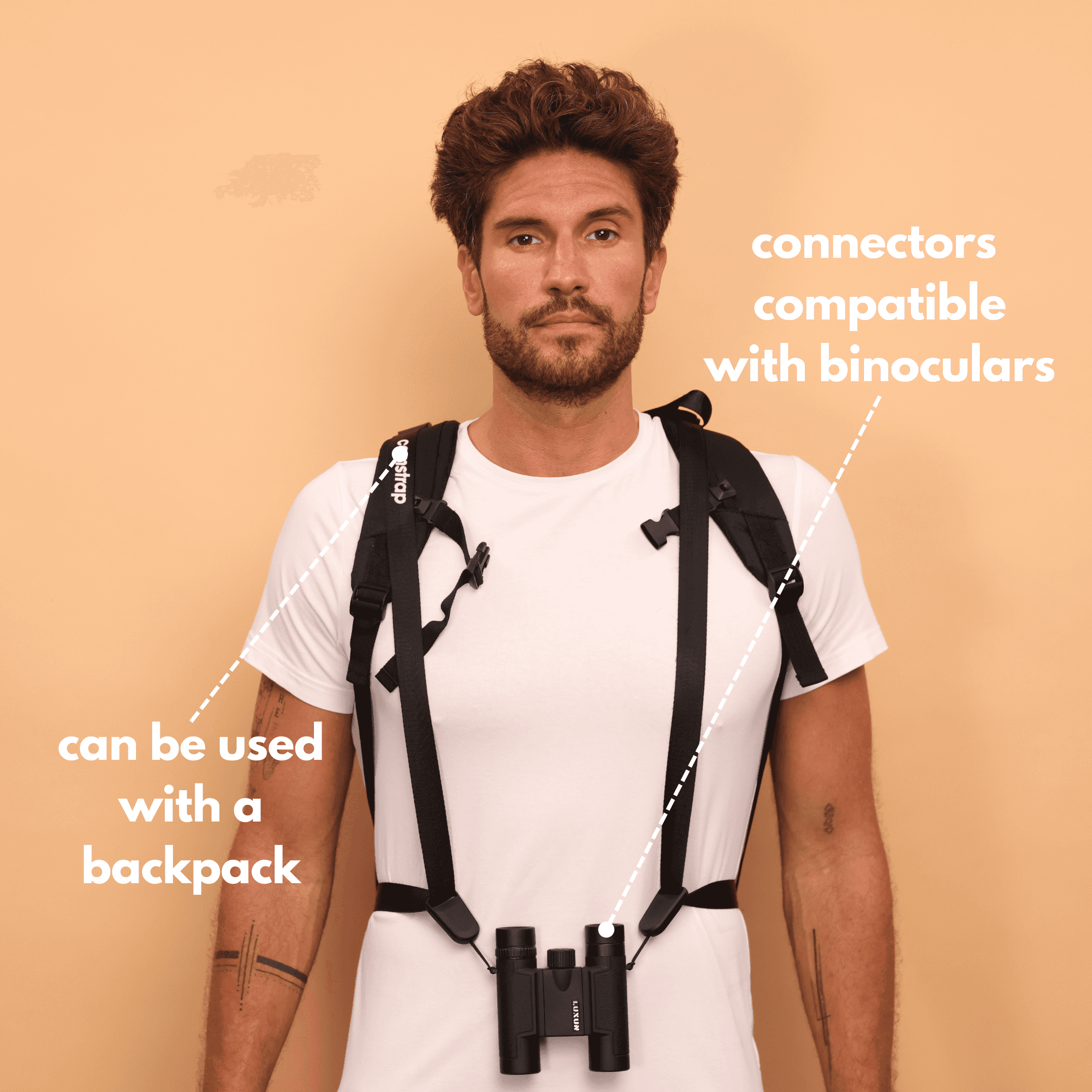
Try the Camstrap Voyager for quick access and firm hold. Use the Camstrap Nomad for light weight on long walks. The Camstrap Explorer fits heavier gear and long lenses. Add the Camstrap MagClip to speed lens swaps and secure your camera to a vest.
How to wear straps safely
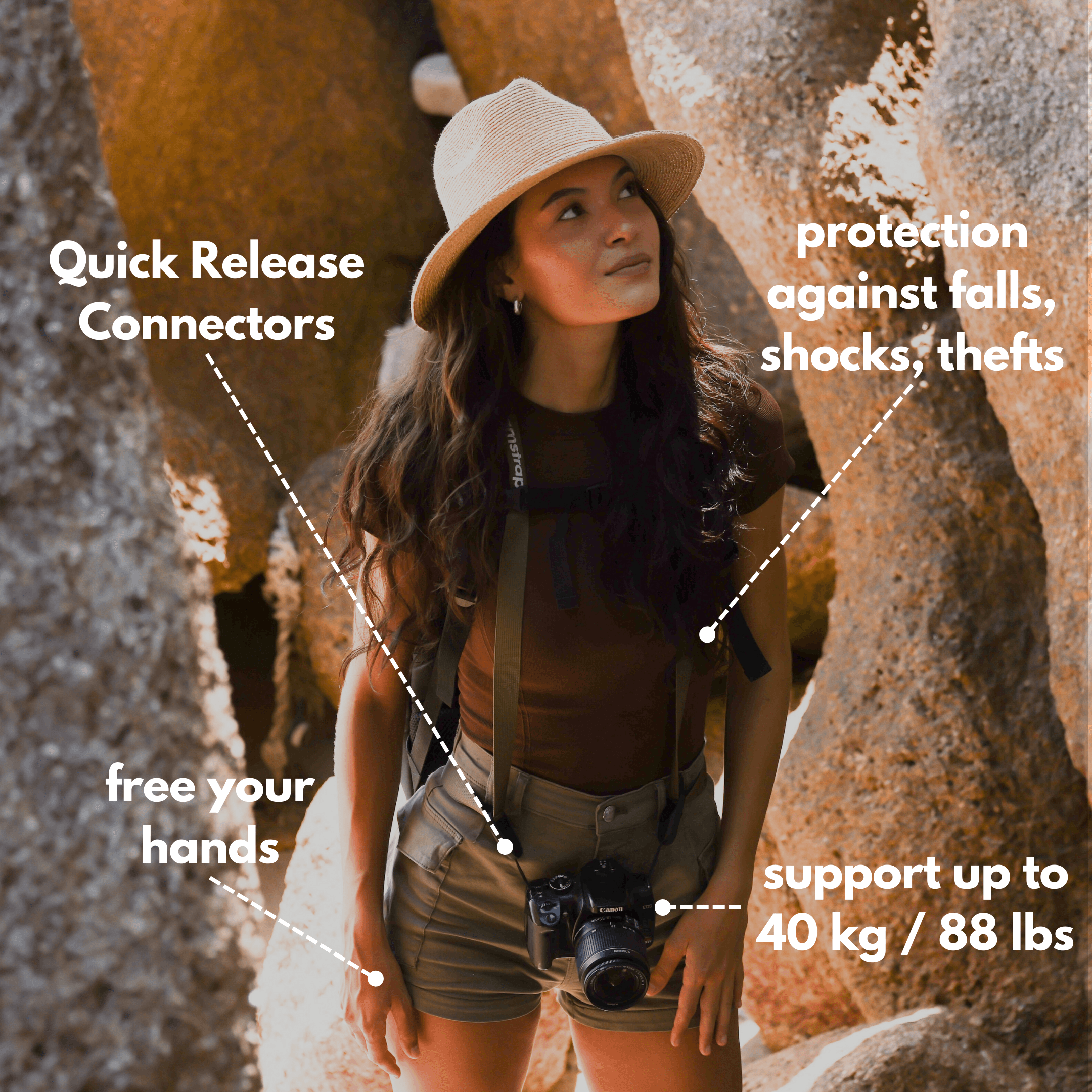
Wear straps across your chest to balance weight and reach your camera fast. Keep the camera at your hip while you walk. Lift it to your eye only when you are ready to shoot.
Use a quick-release for fast moves. Then add a small safety cord or lock. This step stops loss or theft in a crowd.
Photojournalism Safety and Personal Protection
Safety is the top priority for photojournalism now. Put on a helmet, eye protection, and a mask to block dust and tear gas particles. Carry water and a small first-aid kit for quick help.

Travel with one teammate who watches exits and crowd flow. Stay aware of police lines and medical points for quick help. Move away from trouble and keep your gear secure.
Protecting equipment from harm
Use a rain cover or a clear plastic bag for quick weather protection. Wrap lenses in soft cloth inside your bag to avoid scratches. Keep a hand on your camera to avoid theft or damage.
Behavior in tense scenes
Stay calm and keep your hands visible when officials approach. Show press ID and speak in a clear voice. If asked to leave, walk away calmly and keep your gear safe.
Photojournalism Legal and Ethical Tips for December Coverage
Know the local laws before you shoot. Rules for public photography change by city and country. Check official sources and local press groups for updates in places like London or Kenya.
In December 2025, some cities changed rules on police access and drones. Keep copies of your press ID on your phone and in print. This helps if you face questions on the scene.
What to do if stopped
If police stop you, stay calm and speak clearly. Show your press ID and explain your assignment. Record the interaction on your phone if it is safe and legal to do so.
Consent and privacy
Respect people who ask not to be photographed, unless public interest is at stake. Avoid close shots of vulnerable people without permission. Think about harm and privacy before you file images.
Photojournalism Shooting Tips and Story Planning
Plan your story before you go. Think of a main image, crowd context, and close details. A clear sequence helps editors and readers see the event and its meaning.
Use wide lenses for crowd scenes and a medium telephoto for tight moments. Mix wide and medium shots to give a full view of events.
Timing and movement
Move with the crowd and avoid standing alone in the middle. Use short bursts to raise your chance of sharp shots. Keep shutter speed high to freeze action and cut blur.
Shot list for protest coverage
- Arrival shot showing location and context.
- Wide shot of the crowd to show scale.
- Close-ups of faces and hands to show emotion.
- Detail shots of signs, shoes, and small props.
- Exit shots to show how the event ends.
Packing and Travel Tips for Photojournalism Now
Pack light but smart for December travel. Bring your main camera, a backup, two lenses, and key filters. For remote trips to the Galapagos or Kenya, add a padded case and spare batteries.
Keep a travel pouch for meds and ID. Put valuables in inner pockets or a belt pouch. Travel enthusiasts and outdoor photographers will like gear that is fast to reach and made to last.
Check airline rules for batteries and gear before you fly. Use padded cases for long transit and rough handling. Camstrap Voyager and Explorer make airport swaps and bus travel easier.
Working with local fixers
Hire a local fixer in tricky cities like London or remote islands. A fixer helps with language, local rules, and safe routes. They also find strong photo angles that first-time visitors miss.
Post-Processing, File Safety, and Delivery for Photojournalism
Back up your files fast after a shoot. Upload copies to cloud storage when you can. Keep one copy on a separate hard drive in a different bag or pocket.
Edit simply to keep photos honest and clear. Crop, fix exposure, and adjust color. Do not change facts in an image or remove key parts of a scene.
Sharing and labeling files
Label files with date, city, and a short note for quick use. For December coverage, add tags like the city and protest type. This step helps editors and archives find images fast.
Delivering to editors and platforms
Compress files when needed but keep print quality. Use secure links or encrypted transfers for sensitive material. Tell editors if an image may need context or a careful caption.
Final Checklist and Persona Notes
Use this quick checklist to prepare for December protests and urgent work. Check your straps, batteries, backup body, and press ID before you leave. Add local aid and legal contacts to your phone.
- Pack main camera, backup, lenses, and a GoPro Hero 12 for quick angles.
- Wear protective gear and keep a small first-aid kit on hand.
- Use Camstrap Nomad, Voyager, or Explorer for secure carry and quick access.
- Store extra batteries and memory in waterproof pouches.
- Know local rules and keep press ID visible for photojournalism access.
Persona notes
Travel Enthusiasts will like Camstrap gear for trips to London and Kenya. Outdoor Adventure Photographers will value the strength and fit for sites like the Galapagos. Amateur Photographers can pick the Camstrap MagClip for easy use and extra safety.
Conclusion: Stay Safe and Keep Telling Stories in Photojournalism
Photojournalism now asks for careful gear picks, safe habits, and clear ethics during December protests. Use strong straps like the Camstrap Voyager and Nomad and plan each move. Check local rules, bring backups like a Canon EOS R8 or Nikon D7500, and add a Leica Q3 or Nikon Z9 when you need extra speed or quality.
Photojournalism is about people and facts. Act with care and common sense. Stay safe while you keep telling true stories with strong images in December and beyond.


