


- Drop the camera to knee level to make city scenes feel larger and sharper.
- Use curbs, steps, and shadows as built-in lines for a stronger editorial frame.
- Catch cyclists, benches, and towers from below to turn ordinary streets into drama.
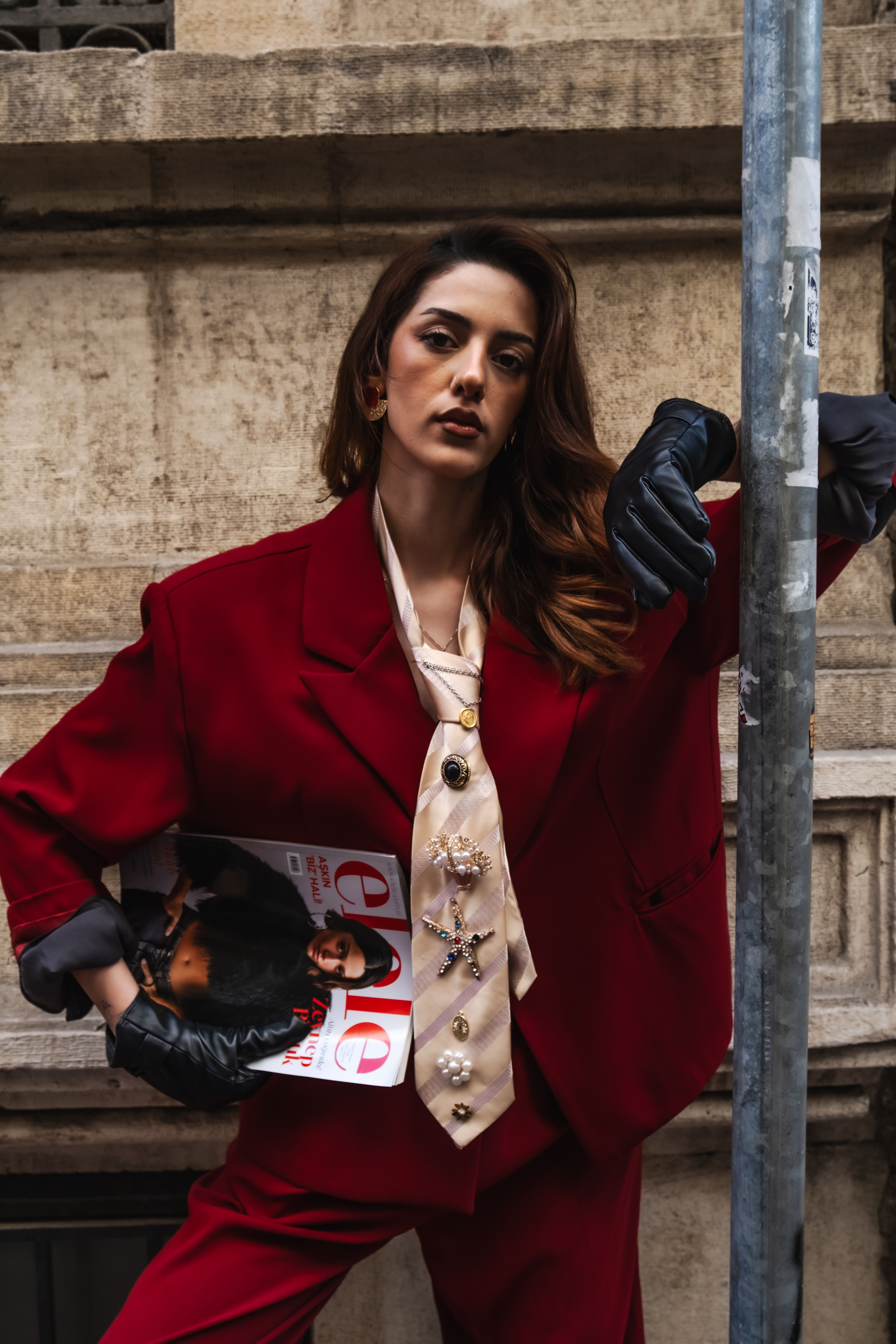
Low-angle shot photography puts the camera close to the ground so a scene feels larger, crisper, and more deliberate. A city walk gives you plenty of chances to use that viewpoint. Streets, steps, rails, storefronts, and people all shift shape from below.
Shop the setup

- Regular price
-
€42 - Regular price
-
€44 - Sale price
-
€42
By choosing the Camstrap strap, you are opting for a high-quality product designed to meet the needs of the most demanding photographers.
- Developed by a physiotherapist to relieve neck and back pain.
- Fast delivery with tracking by the Post Office 🚚
- Can be used as a shoulder strap or hands-free harness

- Regular price
-
€36 - Regular price
-
€42 - Sale price
-
€36
Free shipping included
Why a street route can feel like a magazine page
Editorial frames turn a simple walk into a clear visual story. You choose lines, layers, and moments that steer the eye instead of just recording a place.
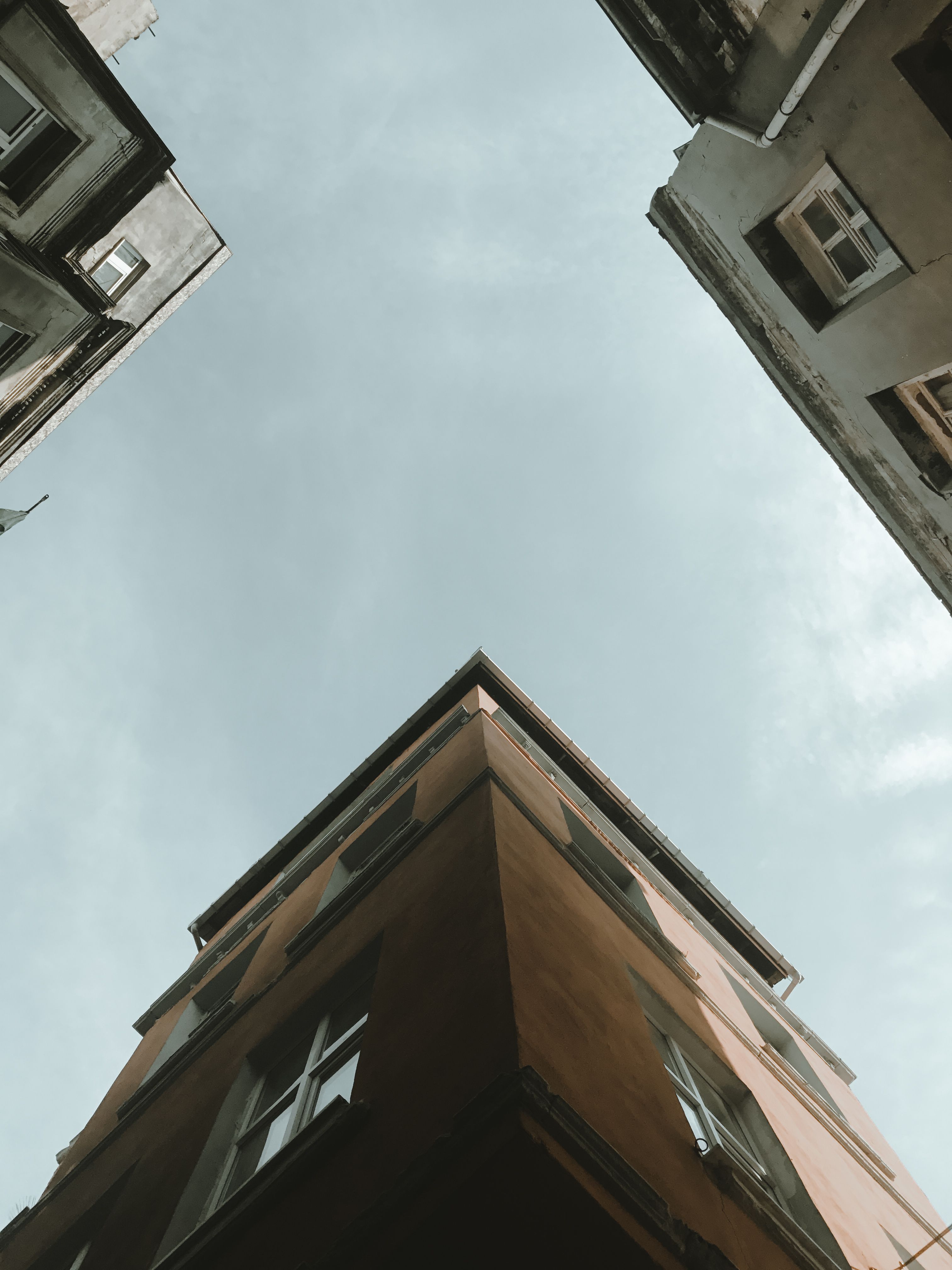
Urban scenes make that easier because the shapes are already there. Curbs, signs, windows, shadows, and traffic marks all serve as useful edges.
Look for structure before you look for action
Scan the scene for clean lines first. A strong frame often starts with one bold edge and one clear subject. Try corners, stair landings, fence gaps, bus stops, and shop windows. Those spots give the shot a built-in shape and a front point.
Research on visual attention shows that people often follow strong edges and high-contrast areas first. A wet road, a bright sign, or a hard shadow can pull the eye in quickly.
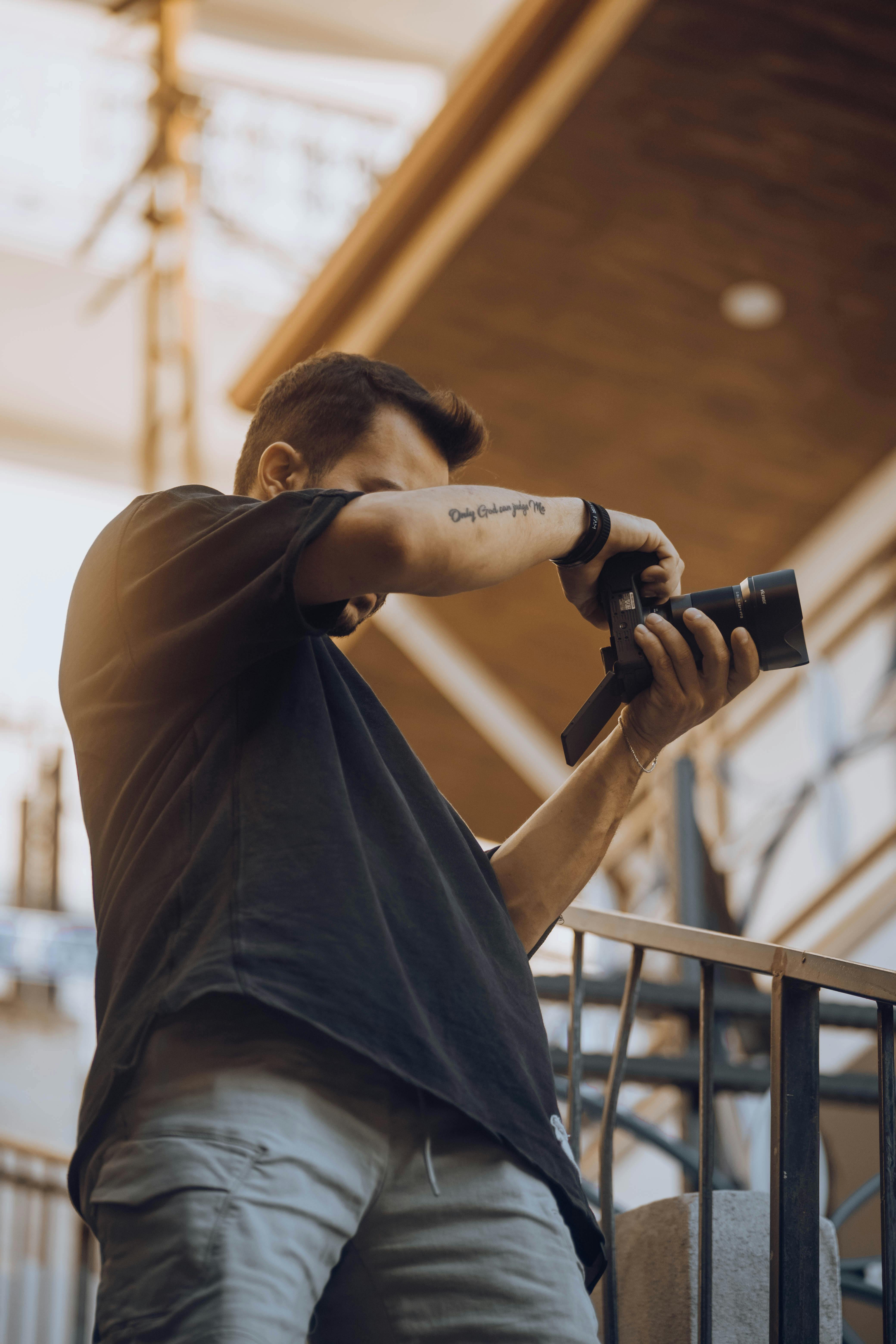
One simple habit helps a lot. Pause for three seconds before raising the camera. Those three seconds often surface a better frame than a rushed snap.
What is a low angle shot in photography?
A low angle shot is a view made from below the subject, usually near knee level or lower, to make the subject feel more dominant.
This angle adds power, scale, and drama. It also reshapes the background, which can hide clutter and bring in sky, glass, or building lines.
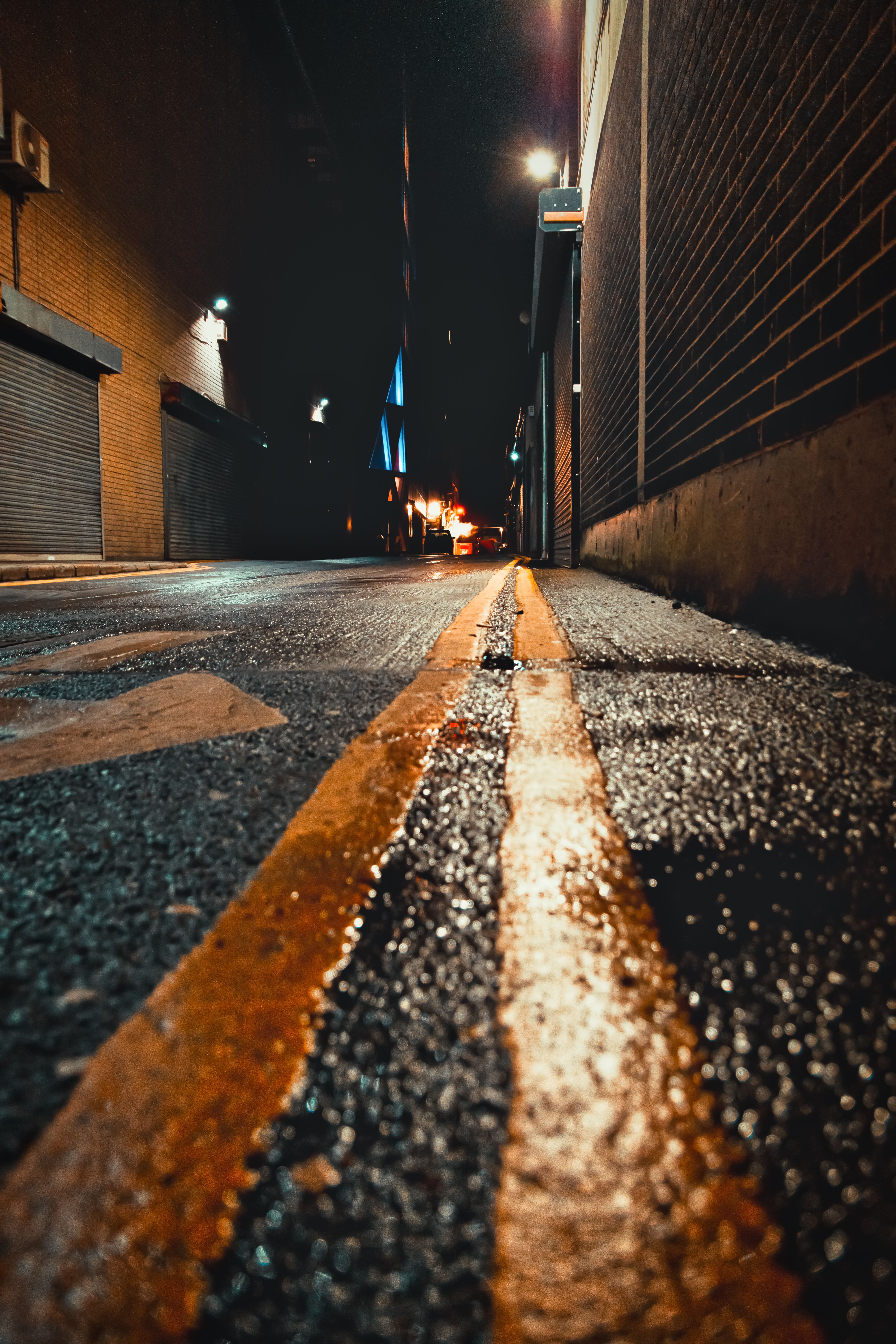
In city work, the angle can make ordinary things feel fresh. A bench can look heroic. A cyclist can look fast. A tower can feel endless.
The effect works because human vision is used to eye-level views. Drop the camera, and the same place starts to look less ordinary.
How to get low angle shot photos?
Low-angle shots come from smart placement, steady support, and quick timing. For a city walk, I keep my camera ready in AF-C or AI Servo, use back-button focus, and set a shutter near 1/500s for moving people. A 50mm to 85mm lens works well when I want a clean subject shape, while a 24mm or 35mm lens gives more street context.
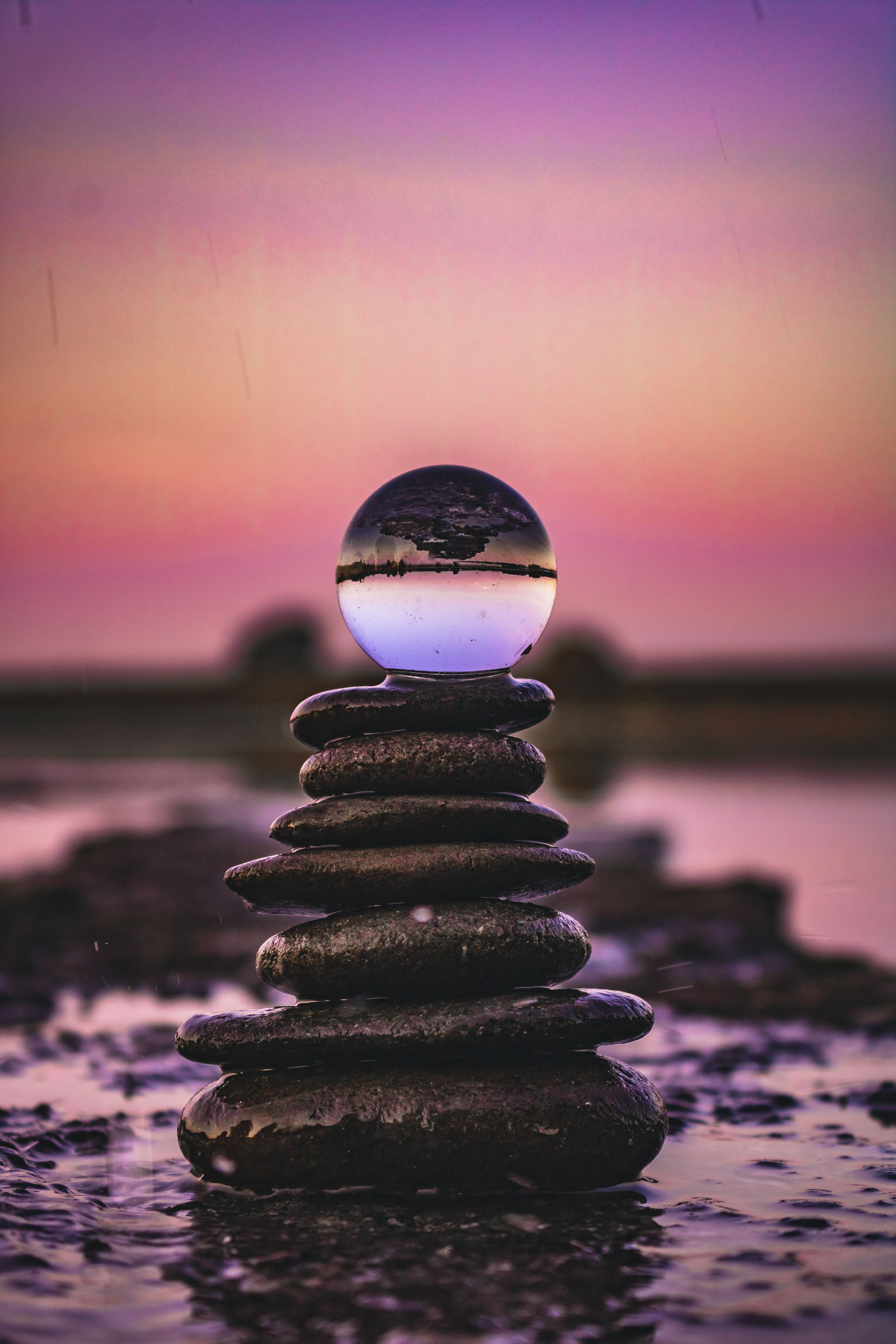
Build the frame from the ground up
- Find a foreground edge, like a curb, step, drain line, or tile seam.
- Drop the camera to waist, knee, or ground level.
- Shift a few inches left or right until the subject sits against a clean background.
- Use wide-open or near-wide-open aperture, such as f/2 to f/2.8, when you want the subject to stand out.
- Raise ISO only as needed. A bright street may stay near ISO 100 to 400, while shade may push you to 1600.
A mid-tier mirrorless body can often deliver about 15 to 25 RAW frames before it slows, depending on card speed and subject size. A UHS-II V60 or V90 card clears the buffer faster than UHS-I, especially during a burst.
Electronic bursts can reach 20 to 40 fps on some bodies, but they can show rolling-shutter skew or LED banding. Mechanical shutters around 10 fps avoid some of that, which helps under mixed city light.
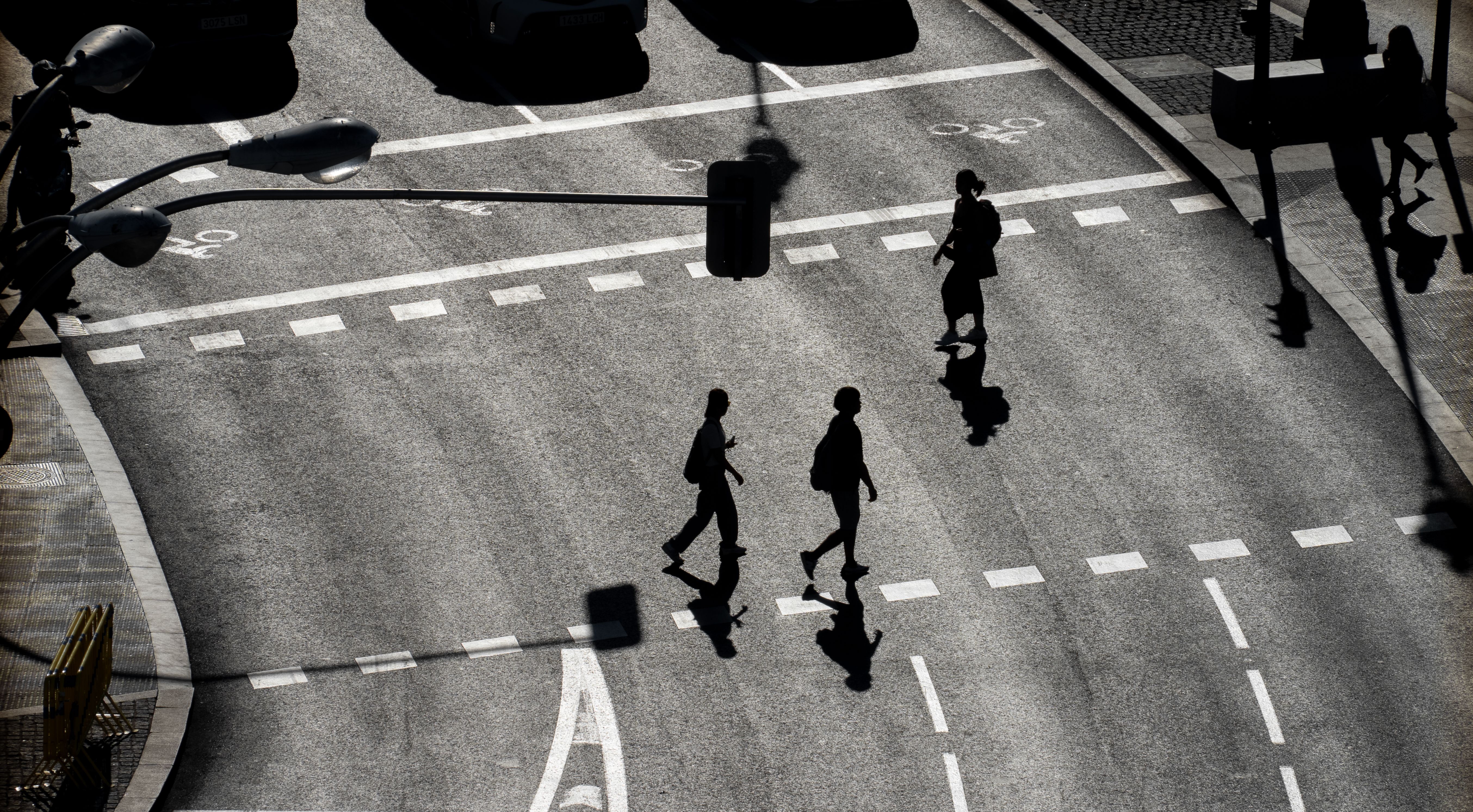
One hands-free strap can make this easier. A model like Camstrap Voyager keeps the camera ready between crossings and storefronts, so you can drop low and shoot without digging in a bag.
Can you give me some examples of low-angle shots?
Low-angle shots can show people, buildings, motion, and street details in very different ways. Each one changes the mood. The angle can feel calm, bold, or almost cinematic, depending on what sits above the frame.
- A child standing on a sidewalk, shot from curb level, with tall buildings behind them.
- A cyclist passing a puddle, with the road surface filling the lower half of the frame.
- A street musician framed from below, with a shop sign and window reflections above.
- A row of steps leading to a station entrance, shot so the lines climb toward the top edge.
- A person crossing in front of a glass tower, where the camera looks up through reflected light.
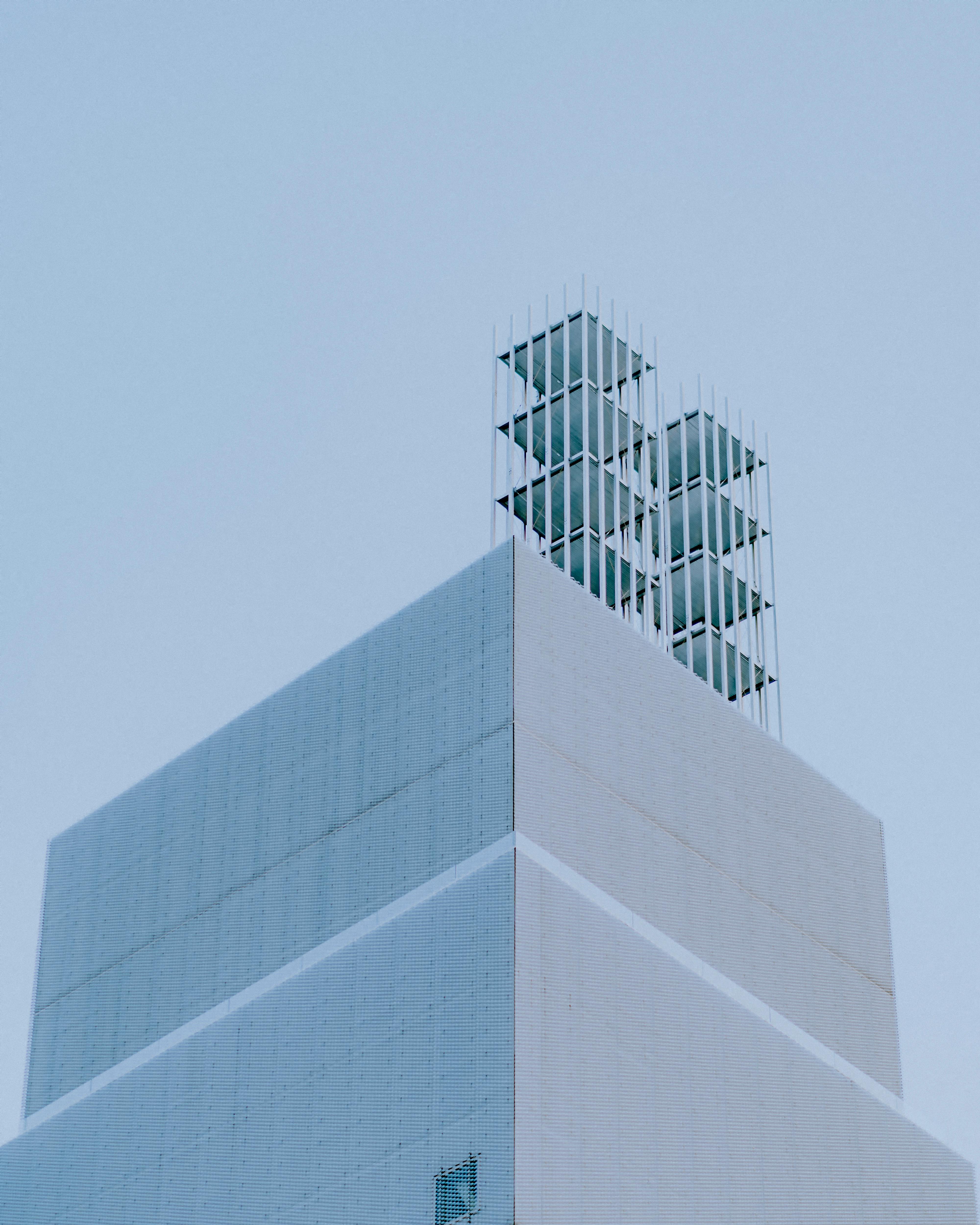
These examples work because they mix subject and setting. The frame does not just show a person; it gives the surrounding space a role in the story.
What is the 20 60 20 rule in photography?
The 20 60 20 rule in photography divides a frame into three visual zones, with 20% for one side, 60% for the main area, and 20% for the other side.
It helps you place the subject and balance empty space. The middle zone usually holds the main action, while the outer zones support it and keep the frame calm.
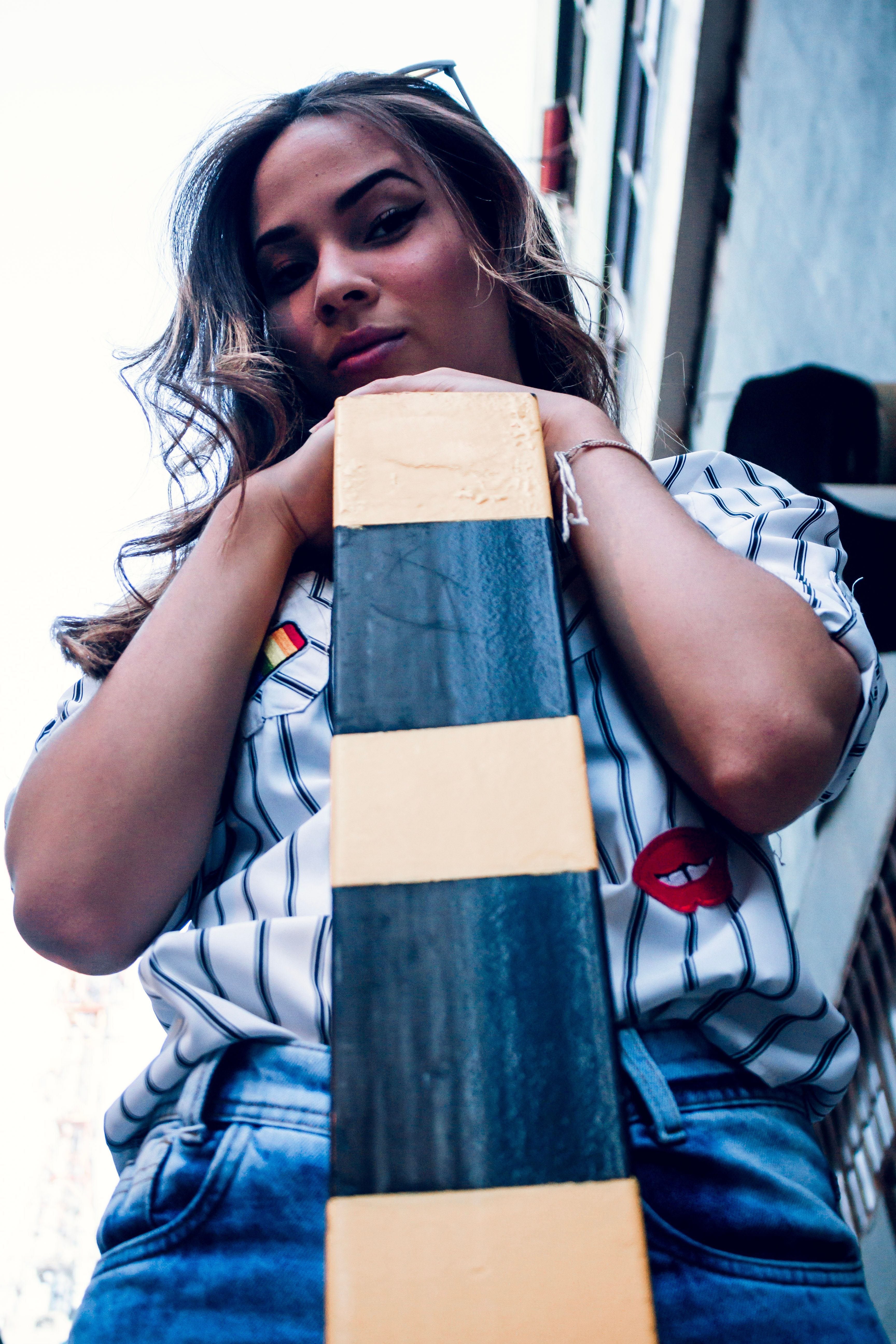
On a city walk, this rule can help you build editorial shape fast. Put a subject in the center 60% zone, then use the side 20% areas for leading lines, signs, sky, or shadow. This helps when the scene feels busy. A simple split keeps the eye from wandering too far.
Use the split to guide attention
Try placing a person where the middle zone meets a strong line. A curb, railing, or shadow can act like a guide rail.
Then watch the edges. If the side zones pull too hard, step again or crop later. The frame should feel controlled, not crowded.
Light, timing, and lens choice on the street
Light changes the whole feel of a low view. Morning side light can carve out steps and brick. Late-day light can turn wet pavement into a bright path.
Aperture and speed have to work together. If you want a sharp moving subject, f/2.8 and 1/500s often give a useful start. If the scene is still, slow down and let the city’s texture become part of the frame.
Choose the lens for the mood you want
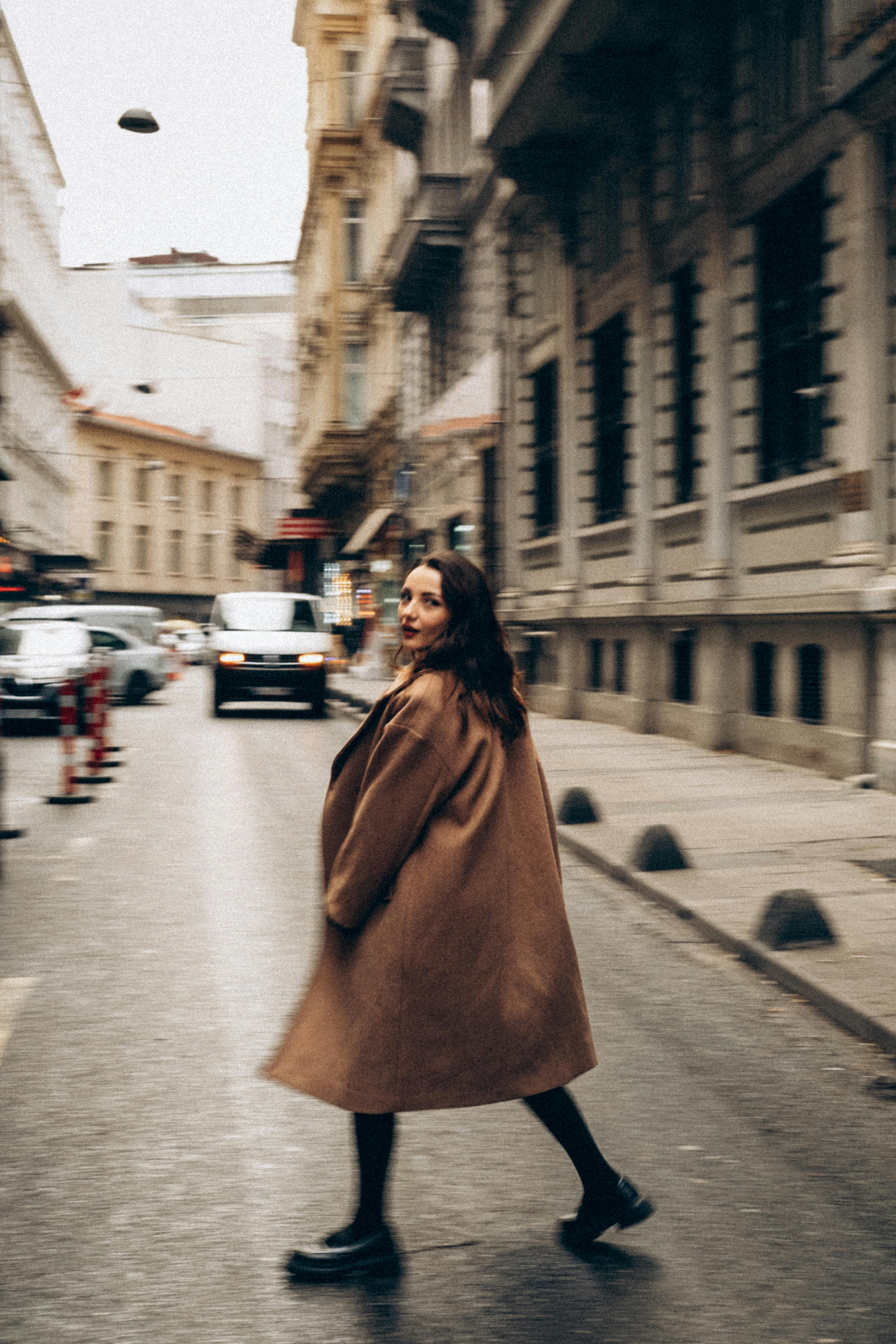
A 24mm lens brings in more surroundings and pushes lines toward the viewer. A 35mm lens keeps things natural while still showing enough street detail. An 85mm lens flattens space a bit and can make one person feel separate from the crowd.
A low angle with a wide lens feels open and active. The same angle with a short telephoto feels tighter and calmer.
Focus mode matters too. Continuous AF with subject detection helps when a person walks toward you or crosses a frame line. Back-button focus gives you more control, especially when you want to lock focus on one point and reframe fast.
Small habits that make the frame feel editorial

Editorial work often looks clean because the photographer strips out noise, both visual and mental. Fewer random objects, fewer crooked lines, and fewer half-finished gestures keep the frame clear.
Move your feet before you move the crop. A better position often solves the problem faster than editing later.
- Watch the top edge for poles, wires, and cut-off heads.
- Check the ground for bright trash, puddles, or sharp glare.
- Use one strong subject, not three weak ones.
- Wait for a clear step, turn, or crossing moment.
- Review only when needed, since the EVF and screen drain power fast on mirrorless bodies.
Buffer depth also shapes your pace. A modern body usually handles a short burst well. Long bursts are different, and RAW files fill the buffer faster than JPEGs.

Quick culling helps after the walk. Pick and reject flags in Lightroom or Photo Mechanic keep the story tight and save time later.
The strongest city frames usually come from quick, simple choices. Lower the camera, watch the lines, and let the street do the rest. On the next walk, try one block with only low angles and a single 35mm lens. That constraint will show you which corners, crossings, and shadows deserve a place in the final frame.
Frequently Asked Questions
What is a low angle shot in photography?

A low angle shot in photography is a view made from below the subject, usually near knee level or lower, to make the subject feel more dominant. It adds power, scale, and drama while reshaping the background.
How to get low angle shot photos?
To get low angle shot photos, place the camera near the ground at waist, knee, or ground level and use a foreground edge such as a curb, step, drain line, or tile seam. Keep focus and shutter settings ready for movement, then shift slightly until the subject sits against a clean background.
Can you give me some examples of low-angle shots?
Examples of low-angle shots include a bench photographed so it looks heroic, a cyclist framed from below so it looks fast, and a tower shot from the ground so it feels endless. Streets, steps, rails, storefronts, and people all change shape from this viewpoint.
What is the 20 60 20 rule in photography?
The 20 60 20 rule in photography is a composition idea that divides attention across a frame so about 20% acts as an opener, 60% carries the main visual story, and 20% provides a closing or balance. It is used to structure the eye’s path through the image.


