


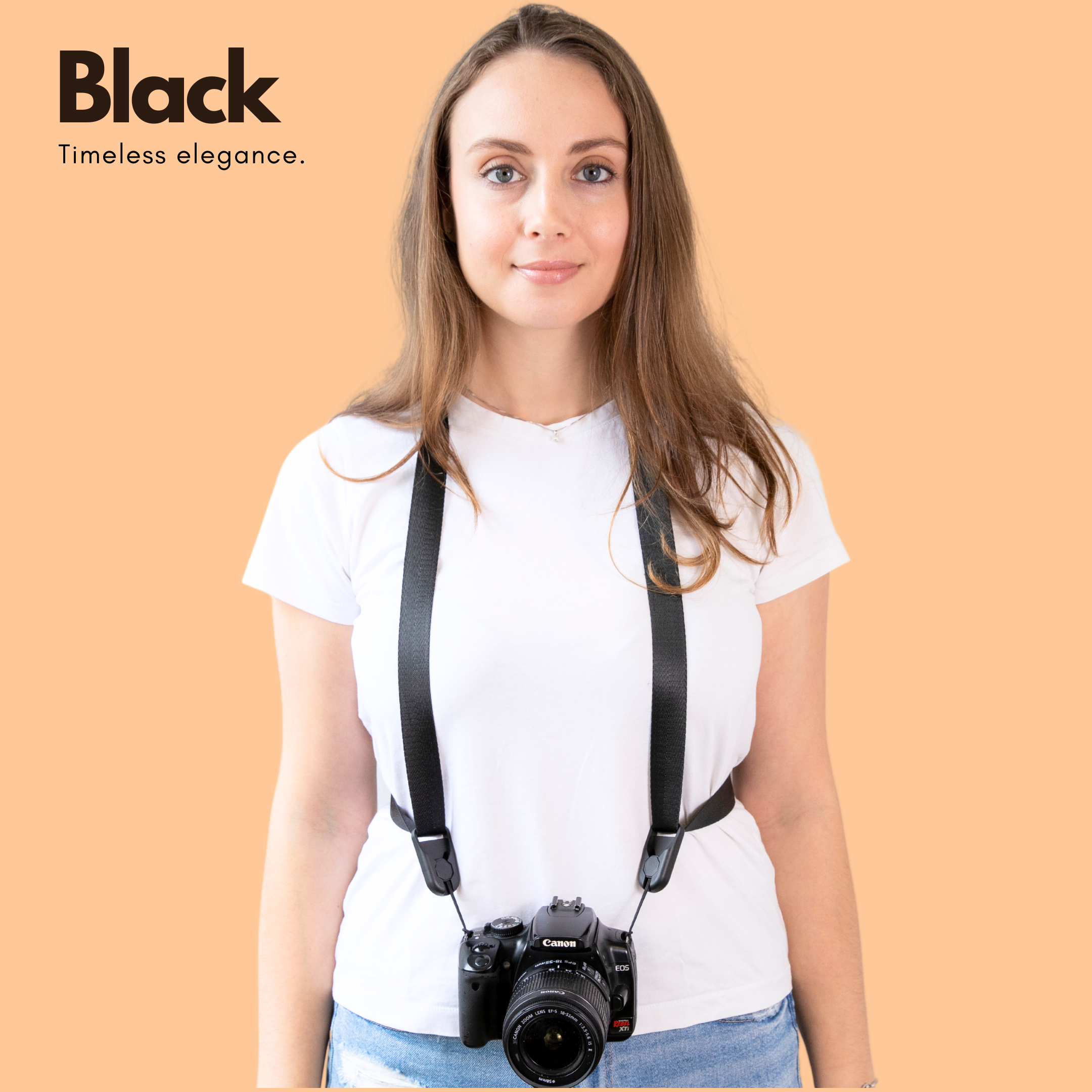
- Carry the camera tight to your body with a hands-free strap or clip.
- Choose a 28mm or 35mm lens for context, speed, and easy zone focus.
- Shoot in one clean motion: preframe first, then fire quickly and quietly.
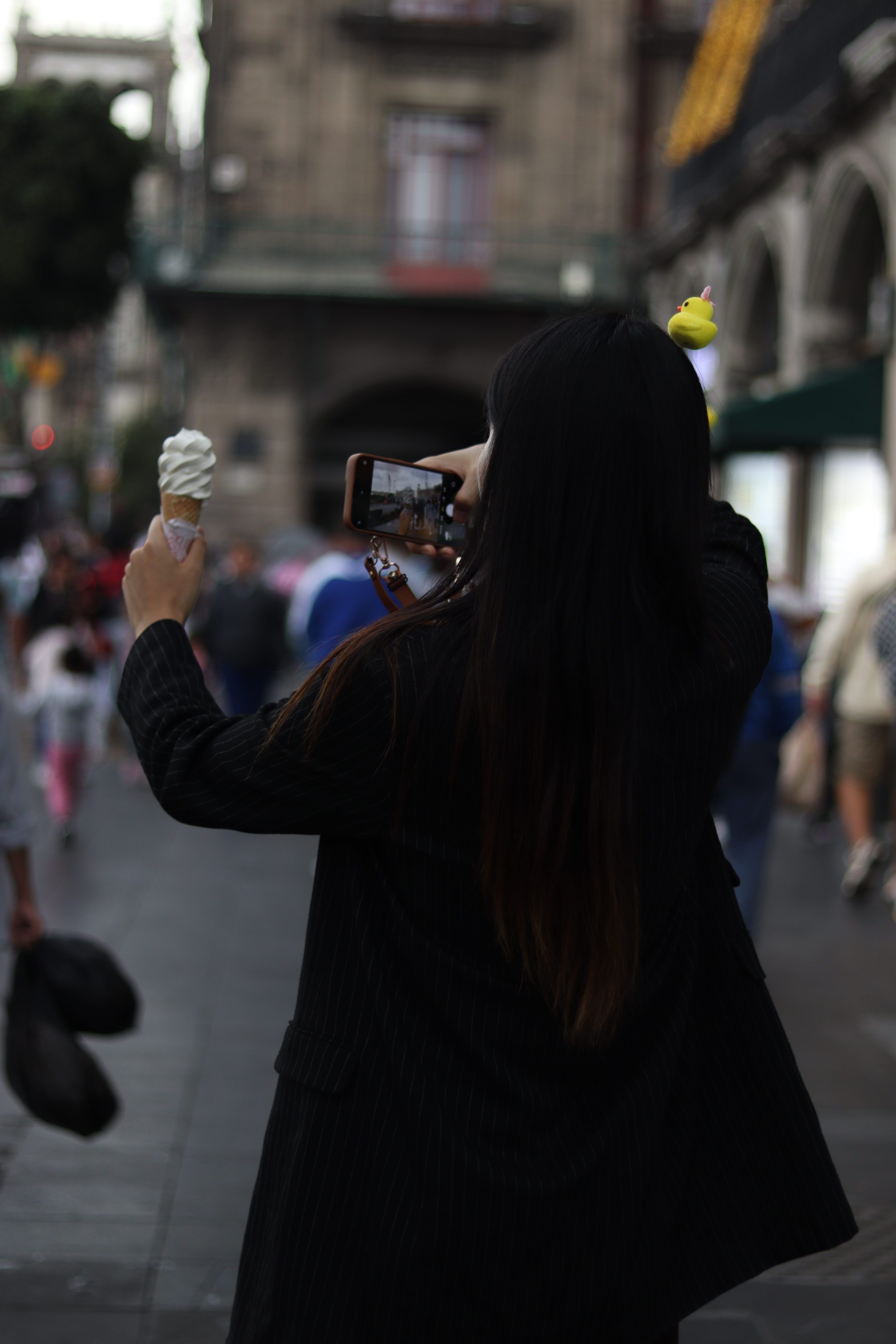
Urban exploration photography captures city texture, street art, and hidden spaces with care and speed. It asks for a light touch, a quiet setup, and quick framing, which lets you stay low-key while still making bold images.
Translation missing: en.blog_cta.bundle_heading

- Regular price
-
€42 - Regular price
-
€44 - Sale price
-
€42
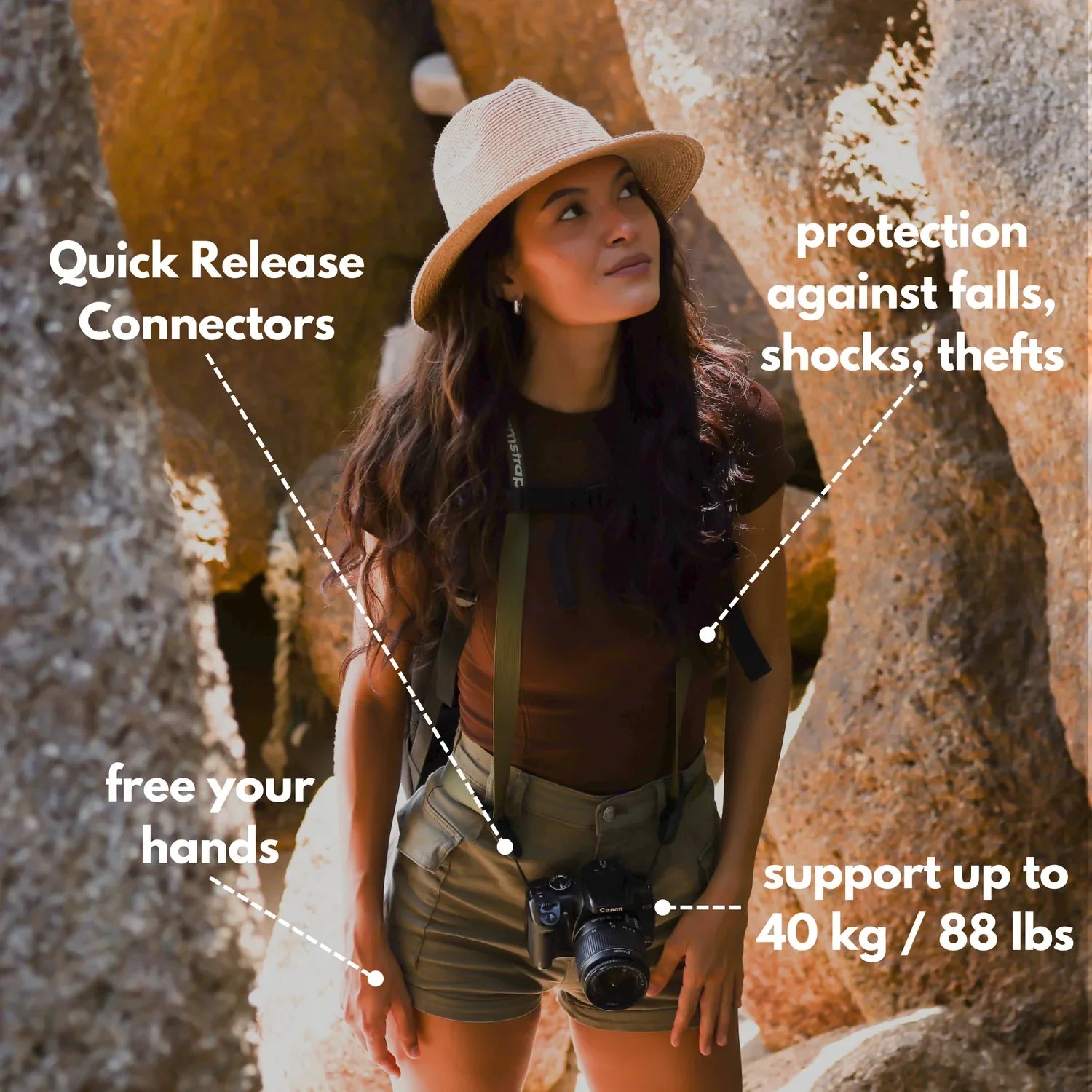
By choosing the Camstrap strap, you are opting for a high-quality product designed to meet the needs of the most demanding photographers.
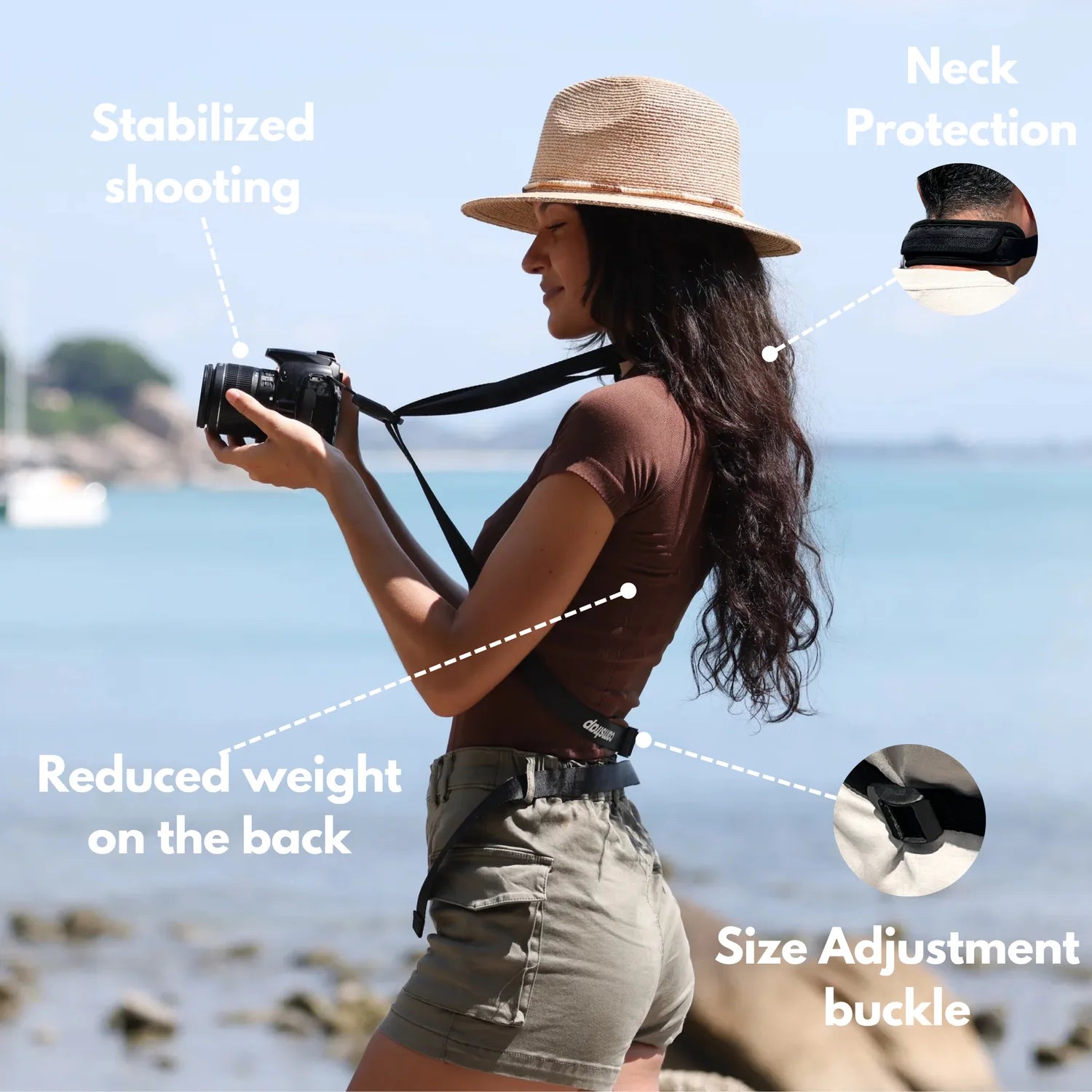
- Developed by a physiotherapist to relieve neck and back pain.
- Fast delivery with tracking by the Post Office 🚚
- Can be used as a shoulder strap or hands-free harness

- Regular price
-
€36 - Regular price
-
€42 - Sale price
-
€36
Translation missing: en.blog_cta.free_shipping_included
The calmest graffiti walks can happen in the busiest parts of the city. Move with purpose, keep the camera close, and avoid long pauses that pull attention. Strong frames still come from smart choices, not loud gear or hurried shots.
Why a low-profile approach changes the whole shoot
Discreet shooting starts before the camera comes up. Look like you belong on the street, not like you are working a scene. Fewer big moves, fewer gear swaps, and fewer long stops help you blend in.
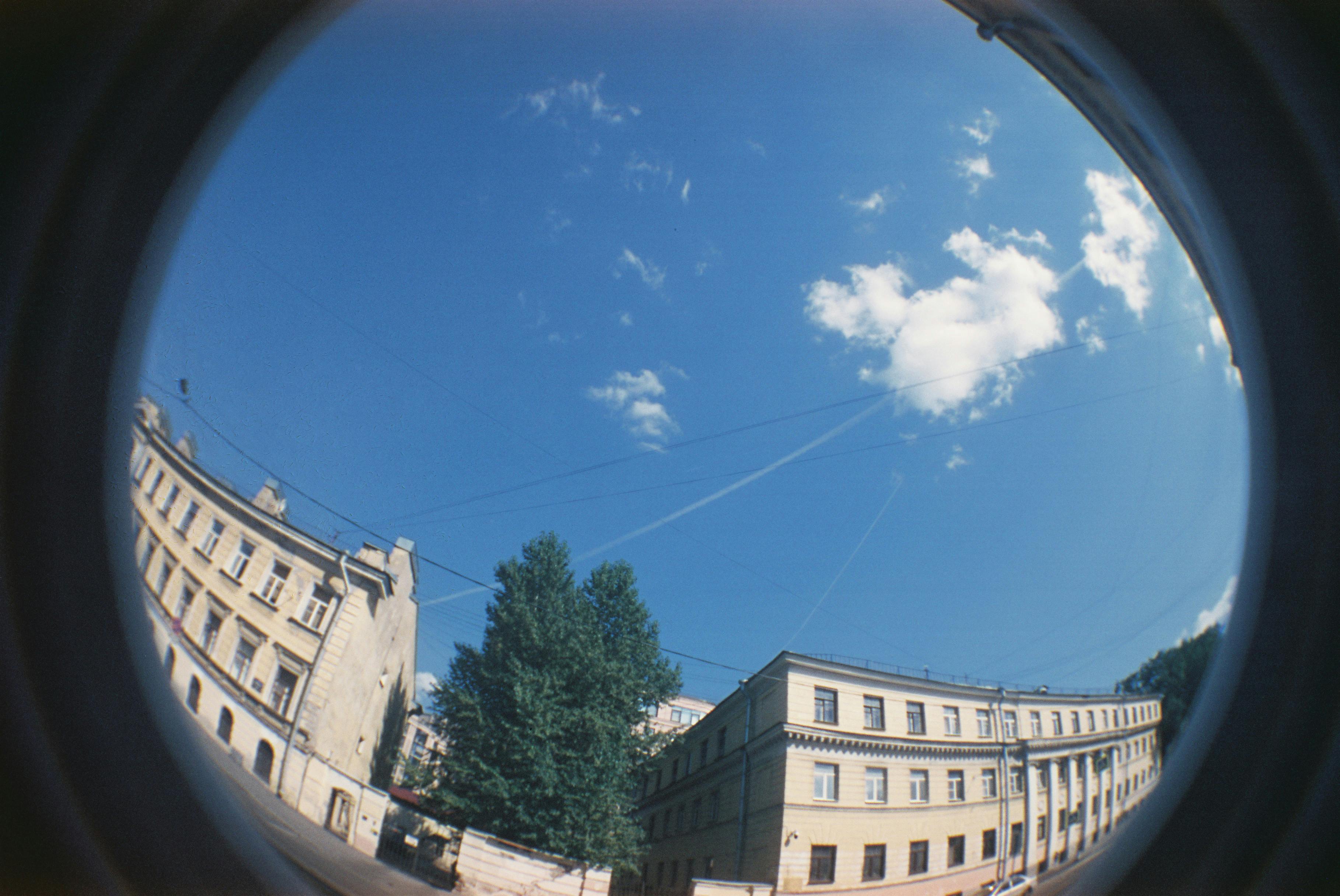
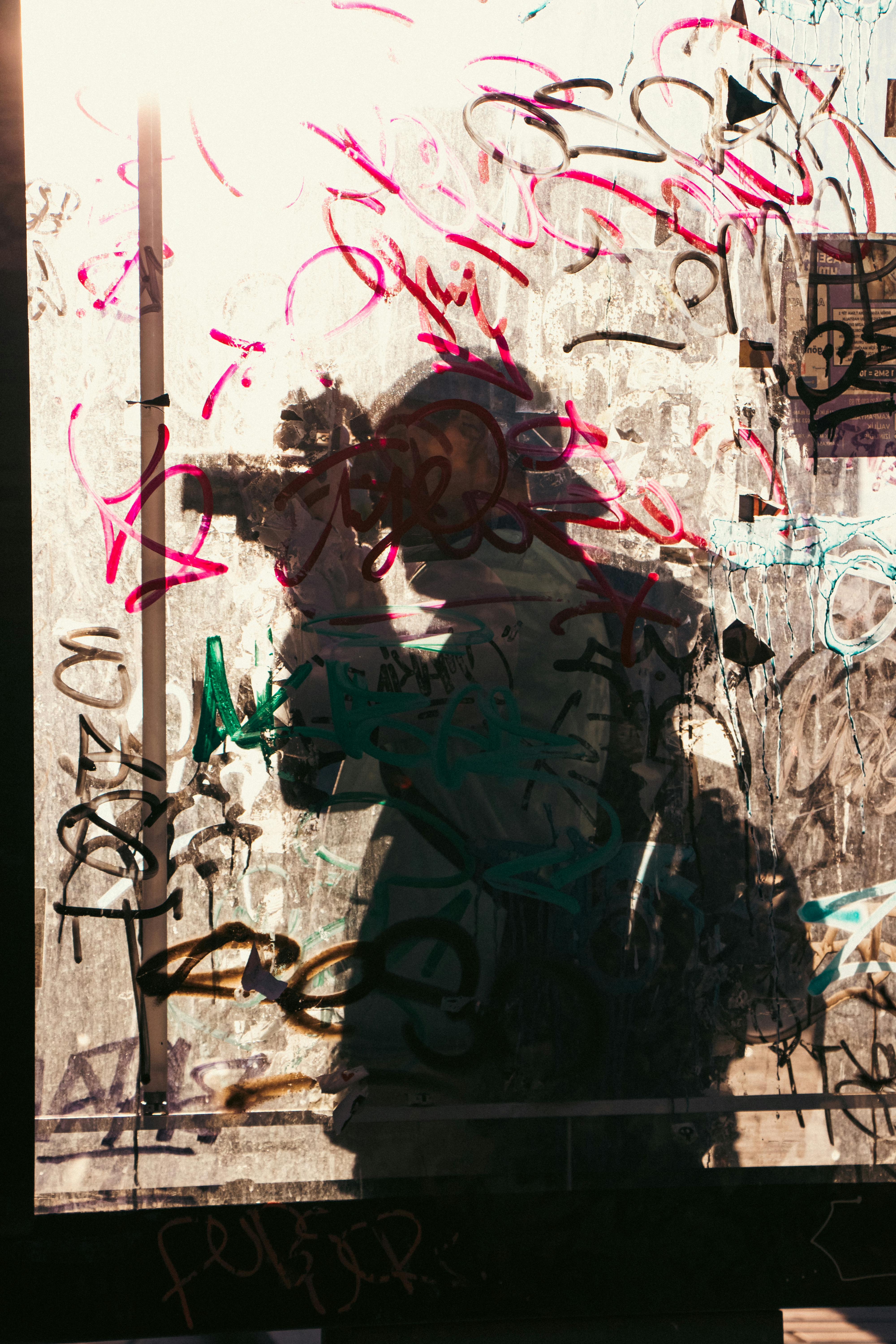
Street art zones often come with narrow paths, parked cars, shuttered doors, and people who do not want a crowd. Move smoothly and steadily, and you can read the wall, find the angle, and leave fast. Your frame stays clean, and your presence stays small.
Keep your setup close to the body
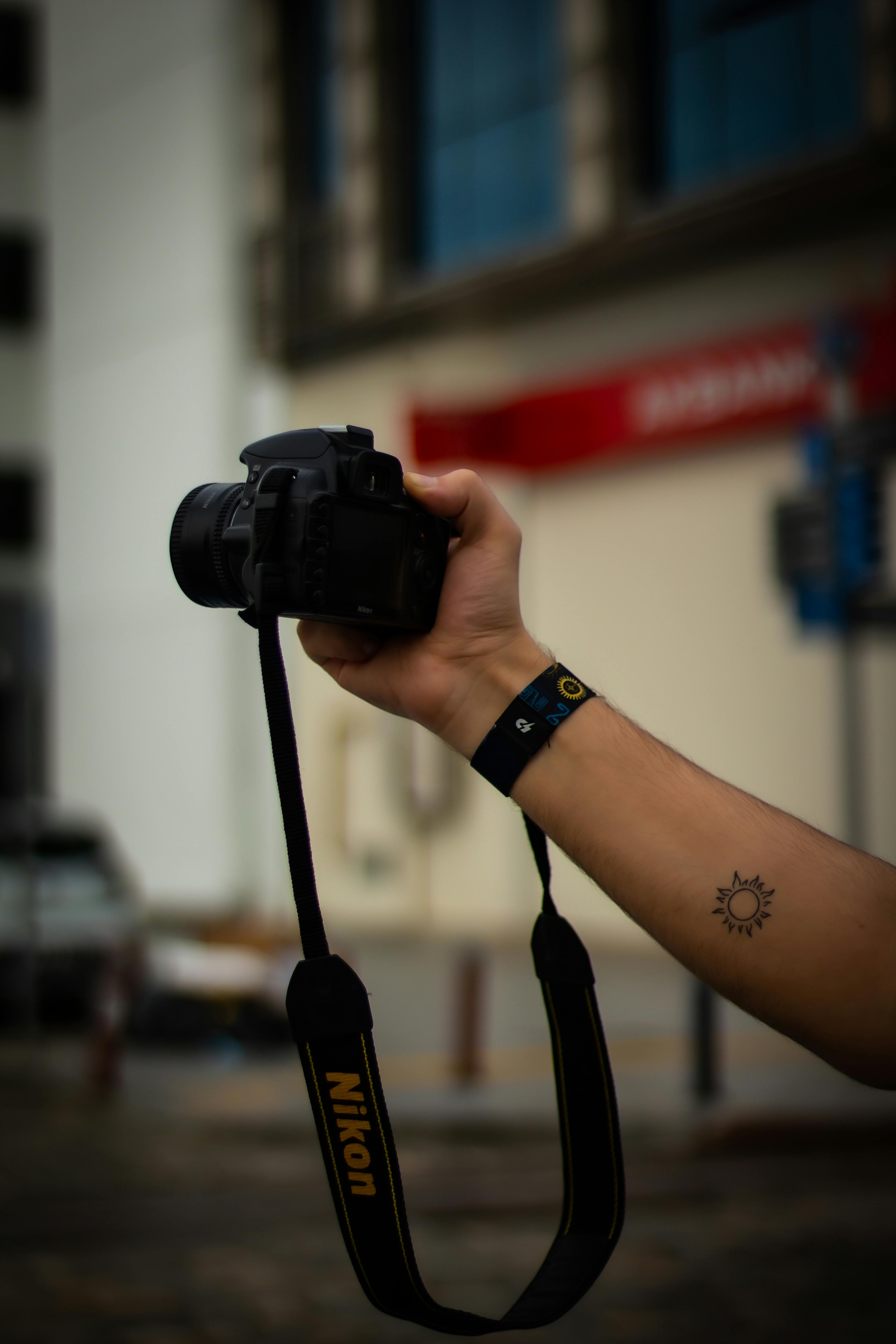
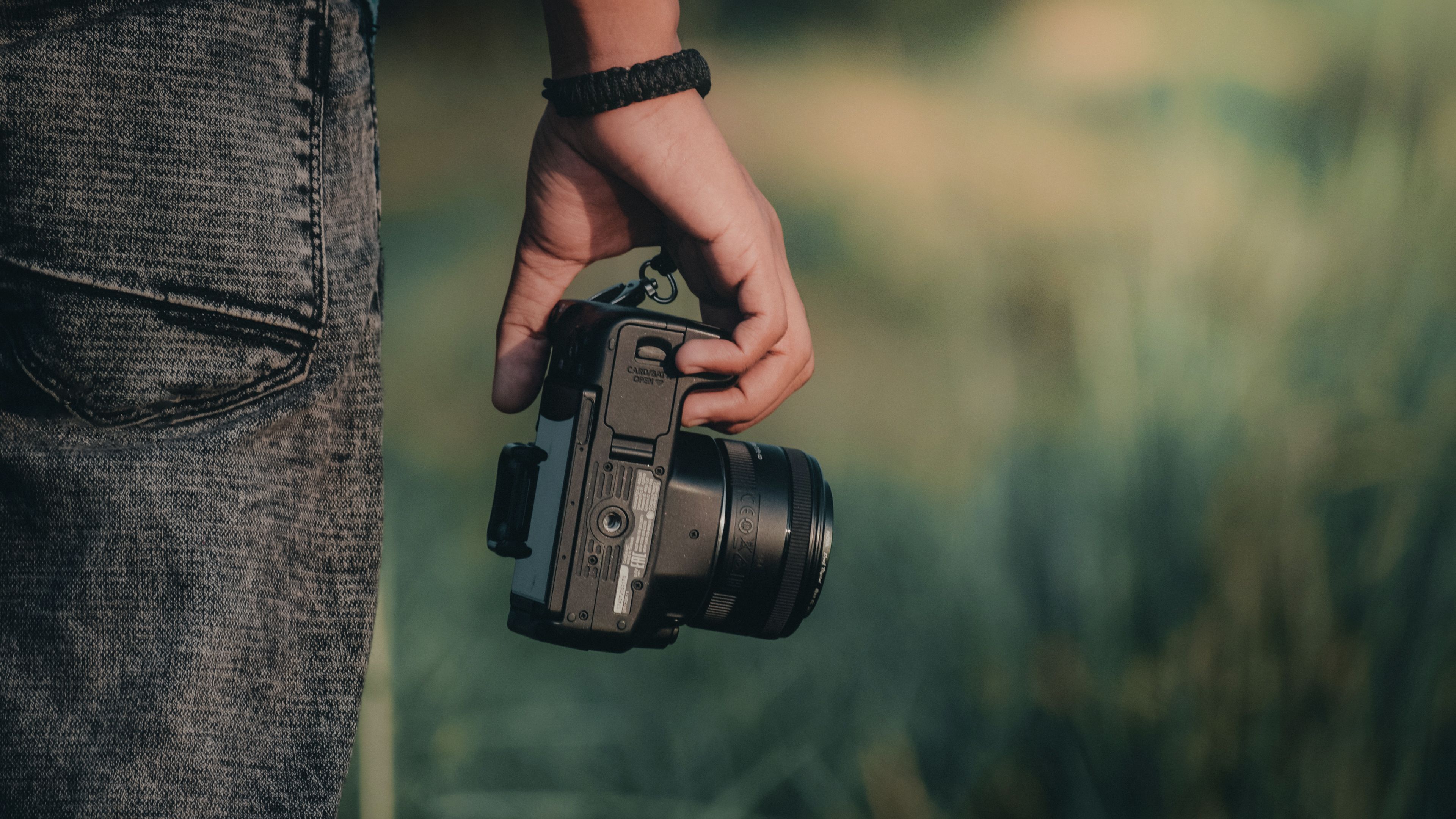
A hands-free strap or clip helps most when both hands matter. It keeps the camera against your body while you climb stairs, pass a gate, or check a map. A close carry also reduces the chance of bumping a wall or swinging into passersby.
One useful option is the Camstrap voyager, because it holds the camera snug and makes fast one-handed access simple. On graffiti walks, a good frame can disappear in two seconds.
Move like a visitor, not a target
Keep your bag slim and your route simple. Wear muted clothes, skip noisy zippers, and stop only when you have a clear angle. The less fuss you make, the easier it is to work near people without pulling focus.
Use your eyes first and your screen second. Read the wall, the light, and the edge of the frame before you lift the camera, and you will save time while cutting repeat takes.
The lens and frame choice that work best
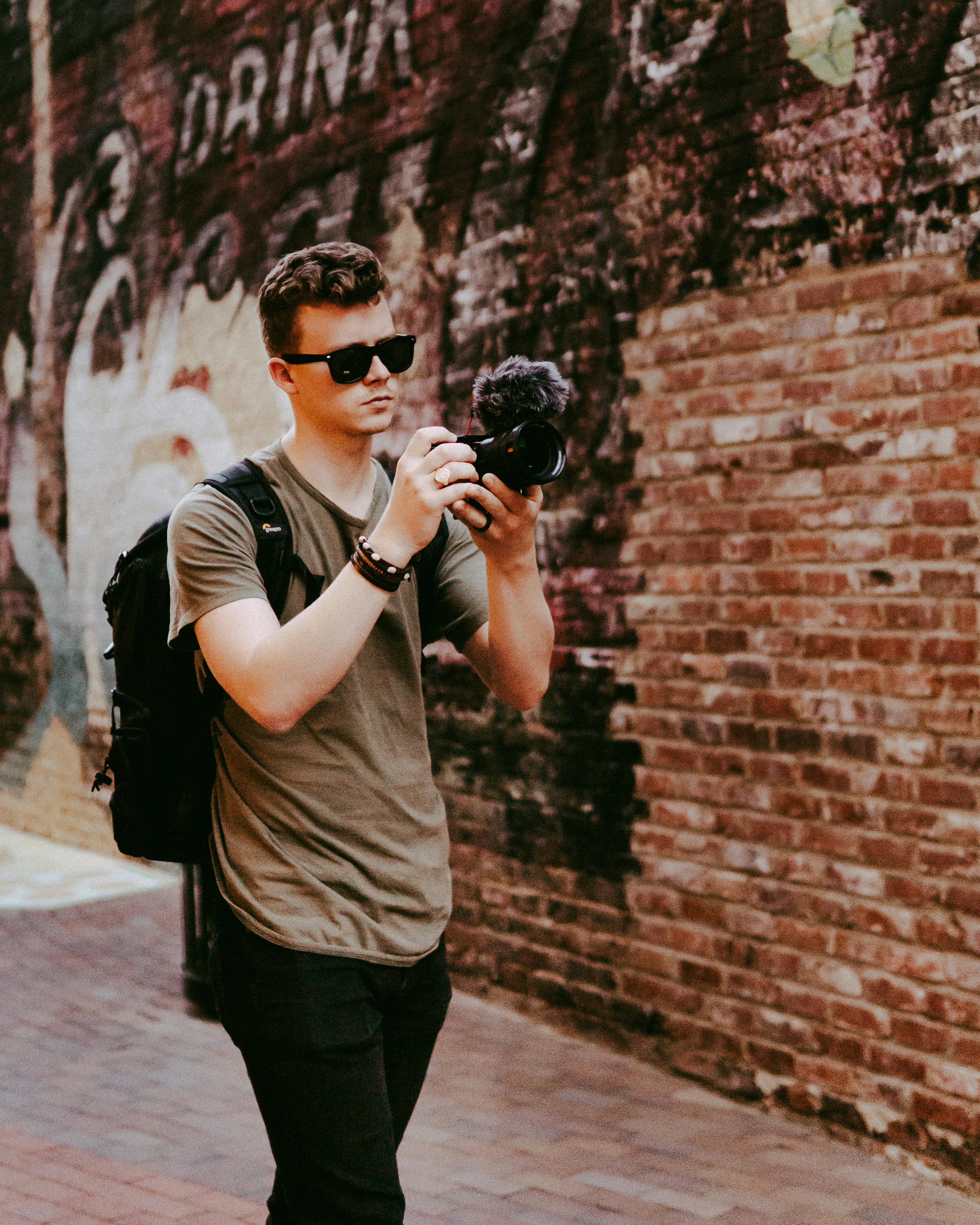
A moderate wide lens is the sweet spot for this kind of walk. A 24mm, 28mm, or 35mm lens leaves room for wall art, context, and leading lines without heavy distortion. It also keeps you close enough to ground the scene.
For most walls, 28mm is a strong pick. At about 1.5 meters to infinity, zone focus gives you a wide usable range. If you want a little more room to isolate a tag or face, 35mm at around 5 meters works well too.
Use aperture to keep the scene sharp
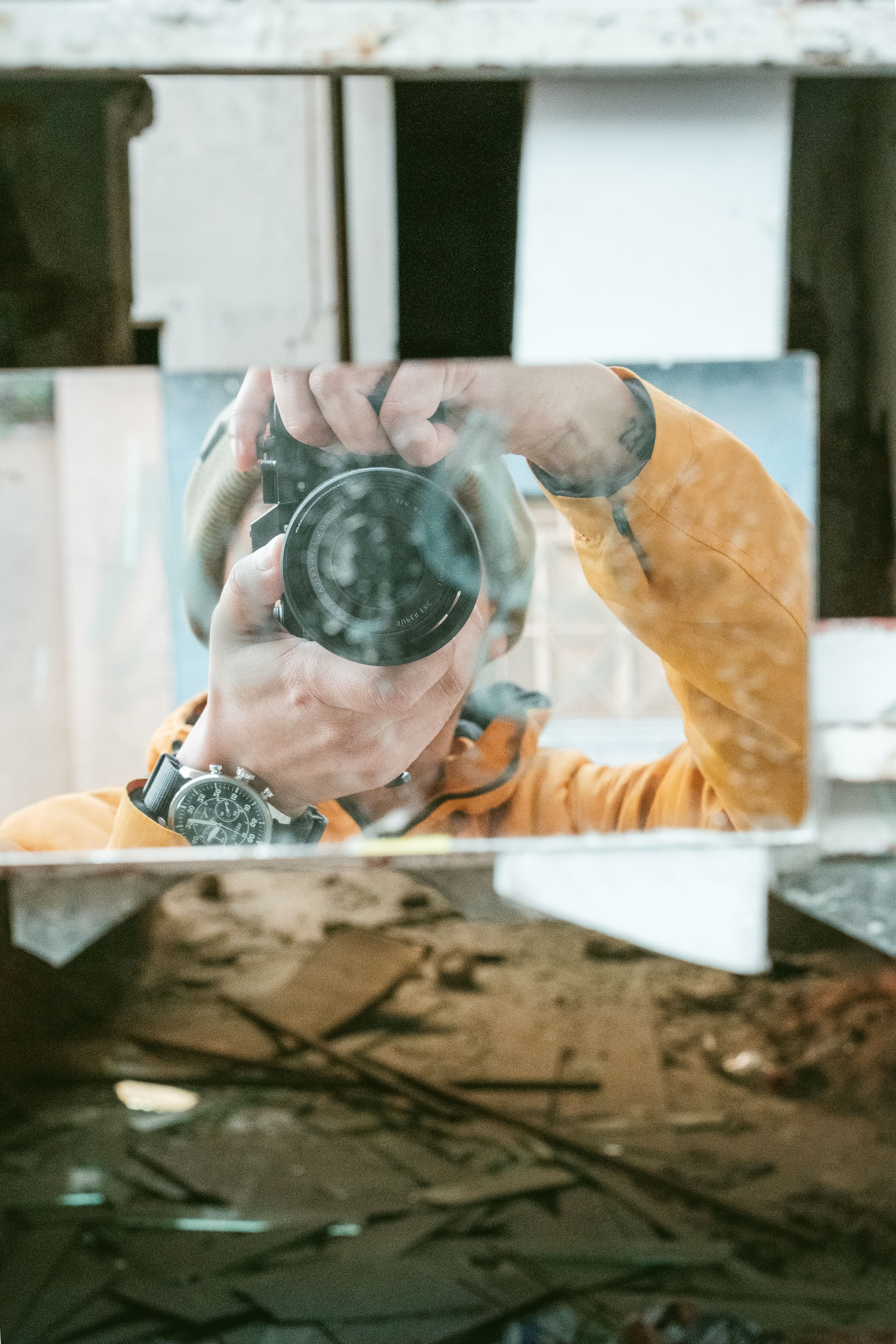
Set a small aperture such as f/8 or f/11 when you want more depth of field. Brick texture, paint drips, and foreground edges stay sharp at short-to-mid distances, and you get a bit more room if your focus point shifts. This also leaves you some cushion when the street moves around you.
Narrow apertures need more light, and ISO can climb fast in dim alleys or inside doorways. If the light drops hard, hold the same aperture and let shutter speed or ISO do the work.
Work with a focus plan, not focus luck
Zone focusing keeps the camera from hunting at the wrong moment. Set a preset distance around 1.5 meters for close street work, or 2.5–3 meters for wider scenes. Then wait for the subject or wall detail to enter that range.
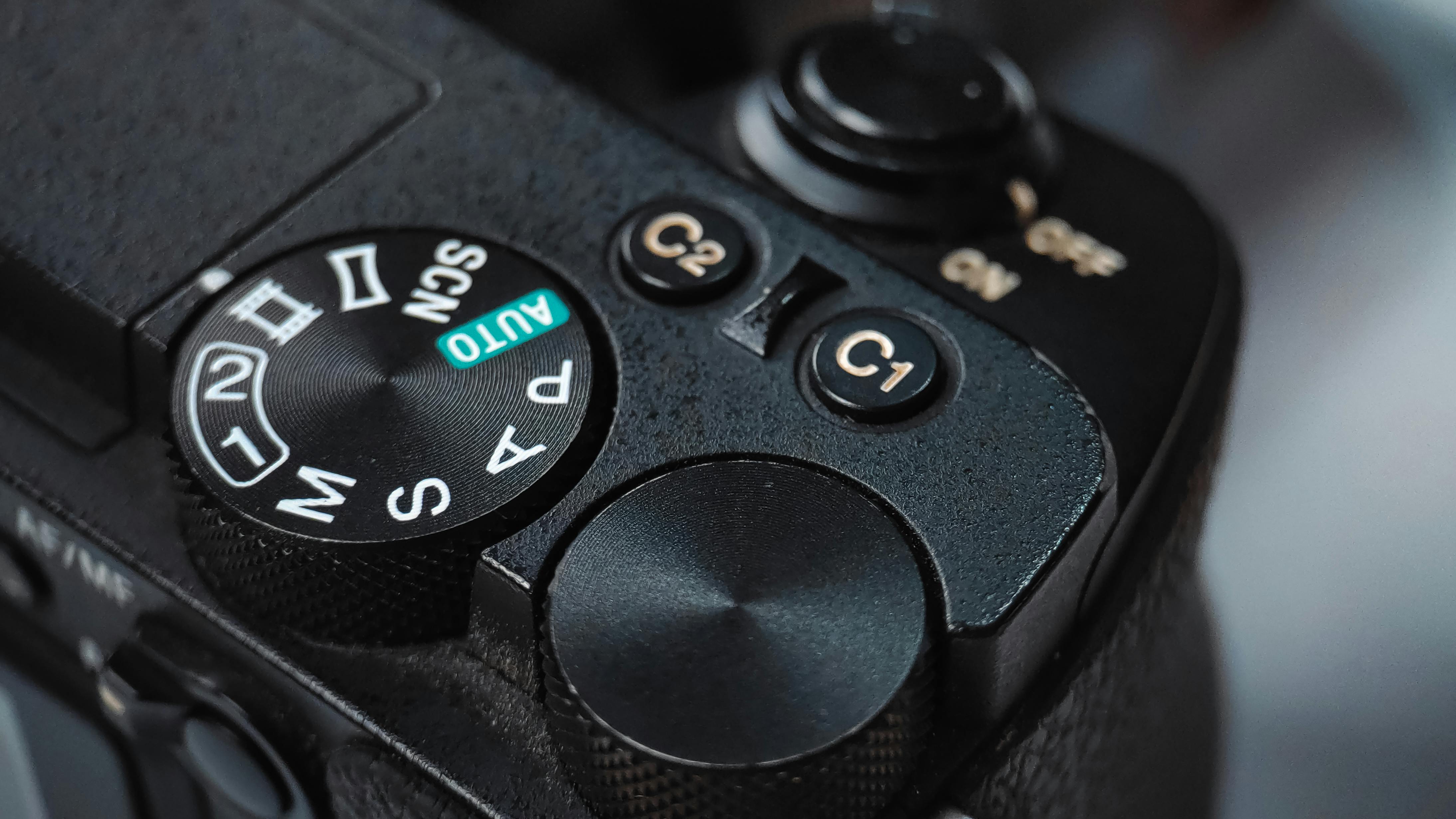
Back-button focus can help too, especially when you switch between a far wall and a person in front of it. Use AF-C with subject detection when you need it, then lock the distance once the scene settles. That is faster than letting the camera search every time.
How do I carry a camera safely in abandoned buildings or alleys?
Carry the camera on a short, secure strap and keep it in front of your torso. In tight spaces, the body should sit high enough to clear rails, broken steps, and door frames. A close carry also lowers the risk of snags and drops.
Hands-free carry matters most in places with uneven floors or sudden stops. When you need to climb, open a gate, or steady yourself, the camera stays close and ready. Both hands stay free, and your attention stays on the ground.
- Use a strap length that keeps the camera above hip height.
- Keep one hand near the body when passing corners or broken stairs.
- Switch to a wrist or chest carry before entering narrow alleys.
- Check every buckle before you step over debris or low rails.
What lens works best for urban exploration photography?
A 24mm to 35mm lens works best for most street art walks. This range keeps enough context for walls and paths while still letting you frame details close in. It also avoids the cramped look that can come with ultra-wide glass.
If you want one simple choice, start with 28mm. It gives a natural view, a bit of working distance, and solid control over perspective. A 50mm lens can also work for tighter detail shots, but it asks for more room and more footwork.
How do I shoot quietly without drawing attention?
Use silent or electronic shutter mode when your camera offers it. That removes, or greatly cuts, the audible click that can pull eyes toward you. It also helps in quiet corridors, stairwells, and enclosed yards.
Keep your screen dim and avoid constant chimping. Review only when you need to check focus or exposure, not after every frame. A quick, calm rhythm makes you blend into the street much better than a stop-and-start workflow.
Match the camera mode to the moment
For moving people or fast shifts in light, use a minimum shutter speed near 1/250 s. Many street guides place 1/125 s at the slow end for candid work, but faster is safer when you want crisp hands and faces. If the scene is still, you can drop below that and use a wall or ledge for support.
Continuous AF helps when someone steps into your frame. Use it with a short burst only when needed, not as a habit. A mid-tier mirrorless body may slow after roughly 20 to 40 RAW frames, while JPEG holds more, so short bursts keep you clear of buffer lag.
How do I protect gear from dust and grime on city walks?
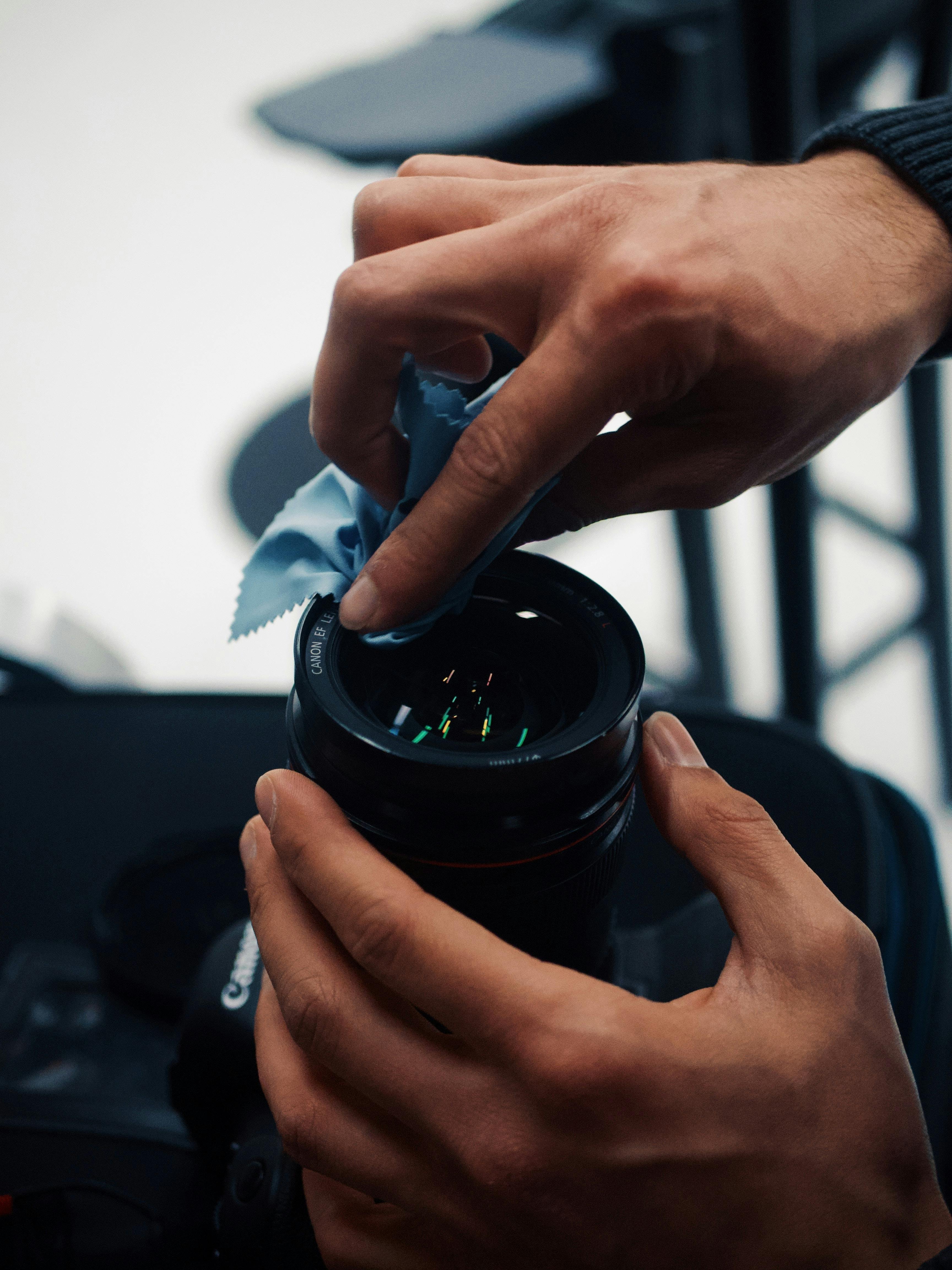
Keep the camera closed up until the frame is ready. Dust, soot, and paint grit collect fast near broken brick, alley floors, and old windows. A front cap, a zipped pouch, and a close strap all cut the time your gear spends exposed.
Carry a small microfiber cloth in a pocket you can reach fast. Wipe the front element before each new block, not after a full day of grime. If the lens gets dusty inside a structure, stop swapping lenses until you are out of the mess.
- Face the mount down when changing lenses outdoors.
- Keep a cloth for the front glass and another dry cloth for the body.
- Avoid placing gear on the ground, even for a short pause.
- Use a sealed bag or zip pocket for spare cards and caps.
What settings help in dark interiors with window light?
In dark rooms with window light, start at ISO 800 to 1600 and test from there. Keep the aperture at f/8 or f/11 if you need more depth, but be ready to raise ISO as the room darkens. A stable surface or tripod helps once shutter speed drops below what you can hold cleanly.
For handheld work, stay above 1/60 s when you can. If the subject is still and the camera is steady, slower can work, but movement shows fast in dim rooms. Auto ISO capped at 6400 gives you a useful safety net without letting files get too messy.
Window light often gives you the best shape on brick, metal, and peeling paint. Place the bright opening behind or beside the key wall, then expose for the lit area and let the shadows fall. This makes the scene feel deep without needing flash.
Use the light you already have
Look for one strong source, then build the frame around it. A door, a broken pane, or a cut of daylight from above can turn a flat room into a clean graphic scene. Even a small shift in position can change the whole shot.
When the frame feels weak, move your feet before you change your settings. A better angle often gives you cleaner lines and less noise than a big ISO jump. That small habit saves time and keeps the work honest.
A simple walk-through for clean, quiet frames
Start with your lens on 28mm, aperture at f/8, and shutter near 1/250 s if people are moving. Set Auto ISO with a ceiling of 6400, and switch to silent shutter if your body supports it. Then set your focus distance before you step into the scene.
- Scan the wall, ground, and light before lifting the camera.
- Keep the camera tight to your chest while you move.
- Use a short burst only when the subject enters your focus zone.
- Check the frame once, then move on.
This rhythm keeps your walk light and your files strong. You spend less time adjusting gear and more time seeing the next frame. The result is a calmer pace and cleaner work, even in busy streets.
On the next walk, try one change only: carry the camera close, set 28mm at f/8, or lock in a 1.5-meter focus point. One clean adjustment is often enough to make the whole route feel easier.
Frequently Asked Questions
How do I carry a camera safely in abandoned buildings or alleys?
Carry a camera close to the body with a hands-free strap or clip so it stays secure while climbing, checking a map, or squeezing past obstacles. A snug carry reduces bumps into walls, doors, and passersby, and a slim bag keeps movement easier in tight alleys or abandoned spaces.
What lens works best for urban exploration photography?
A moderate wide lens works best for urban exploration photography, especially 24mm, 28mm, or 35mm. These focal lengths capture wall art, context, and leading lines without heavy distortion, while still keeping the scene grounded.
How do I shoot quietly without drawing attention?
Shoot quietly by moving with purpose, avoiding long pauses, and limiting gear swaps or big gestures. Keep the camera close, read the scene before lifting it, and use a simple setup so framing happens fast and discreetly.
How do I protect gear from dust and grime on city walks?
Protect gear from dust and grime by keeping the camera close to your body and carrying it in a slim, minimal bag. Avoid unnecessary stops and extra gear changes, which reduce exposure to dirty walls, dust, and scuffed surfaces.
What settings help in dark interiors with window light?
Use a small aperture such as f/8 or f/11 to keep texture and edges sharp in dark interiors with window light. If the light drops hard, keep the aperture steady and let shutter speed or ISO adjust to maintain exposure.


