


- Keep beginner flights under 5–6 m/s, and drop lower when gusts spike.
- Inspect exposed launch spots for wind funnels, loose footing, spray, and edge turbulence.
- Lock the frame with a faster shutter, because hovering drones still jitter in wind.
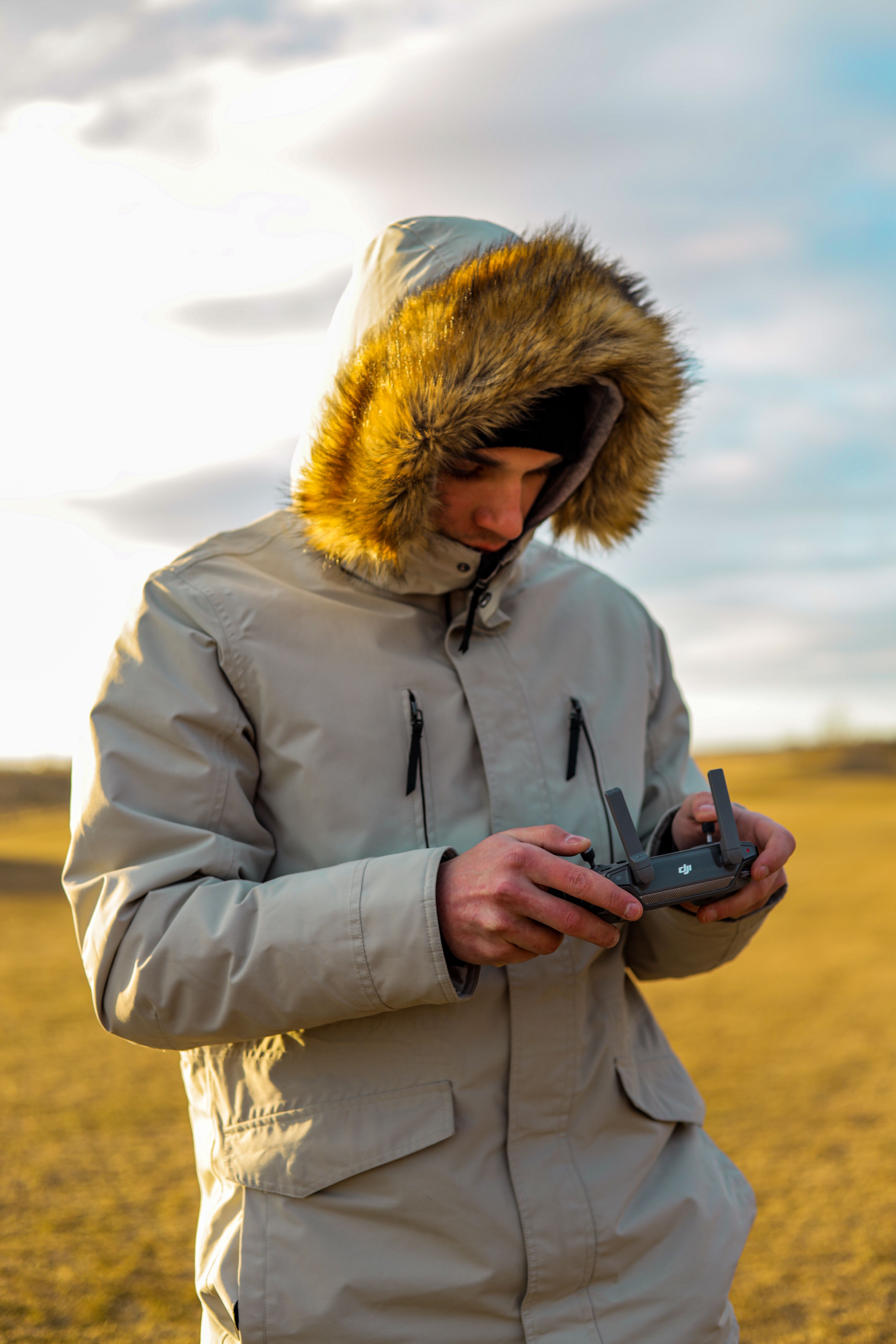
Camera exposure is the balance of shutter speed, aperture, and ISO that sets an image’s brightness. In windy weather, the same balance also shapes how well a drone holds a clean, steady frame. Wind changes the way a drone moves, and even light gusts can add little jitters that show up in video and stills. A few smart choices before takeoff can make a noticeable difference.
Translation missing: en.blog_cta.bundle_heading

- Regular price
-
€42 - Regular price
-
€44 - Sale price
-
€42
By choosing the Camstrap strap, you are opting for a high-quality product designed to meet the needs of the most demanding photographers.
- Developed by a physiotherapist to relieve neck and back pain.
- Fast delivery with tracking by the Post Office 🚚
- Can be used as a shoulder strap or hands-free harness

- Regular price
-
€36 - Regular price
-
€42 - Sale price
-
€36
Translation missing: en.blog_cta.free_shipping_included
How much wind is too much for a beginner drone flight?
Once winds climb above 5 to 6 m/s, beginners usually start to feel the strain. That is about 11 to 13 mph, and gusts can hit harder than the steady breeze.

DJI rates the Air 3 and Air 3S for wind resistance up to 12 m/s, but that figure comes from a test, not a guarantee of smooth footage. New pilots are better off staying well below the limit and leaving room for gusts, battery drain, and quick course corrections.
Read the air before you launch
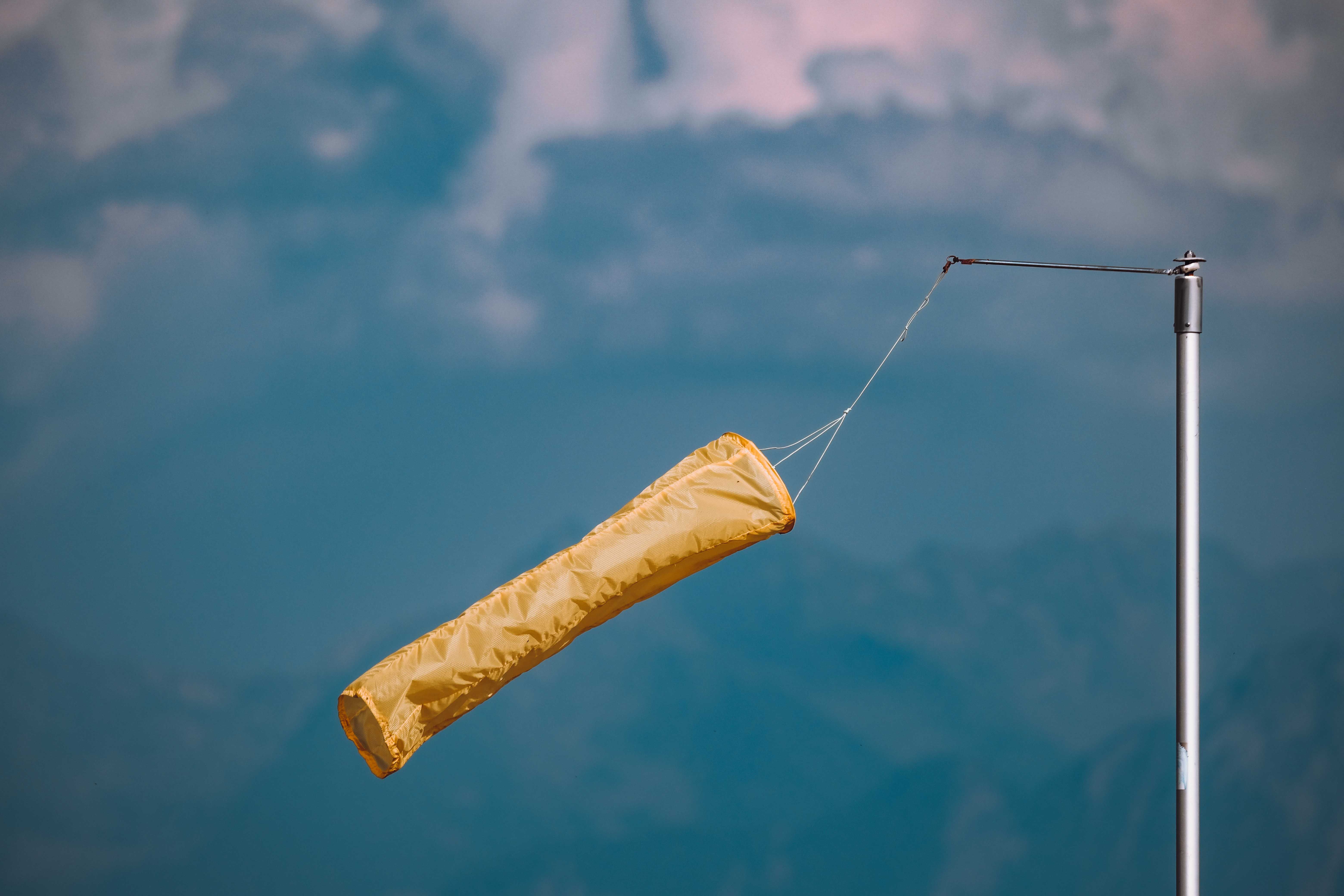
Check a weather app, then look around you. Trees bending hard, flags pulled straight out, and dust blowing across the ground all point to active air. Flight near buildings, ridges, or water can get rougher than the forecast suggests. Wind often speeds up over open edges and around cliffs, and the drone may feel unnervingly light there.
What should I check before taking off from a cliff or shoreline?
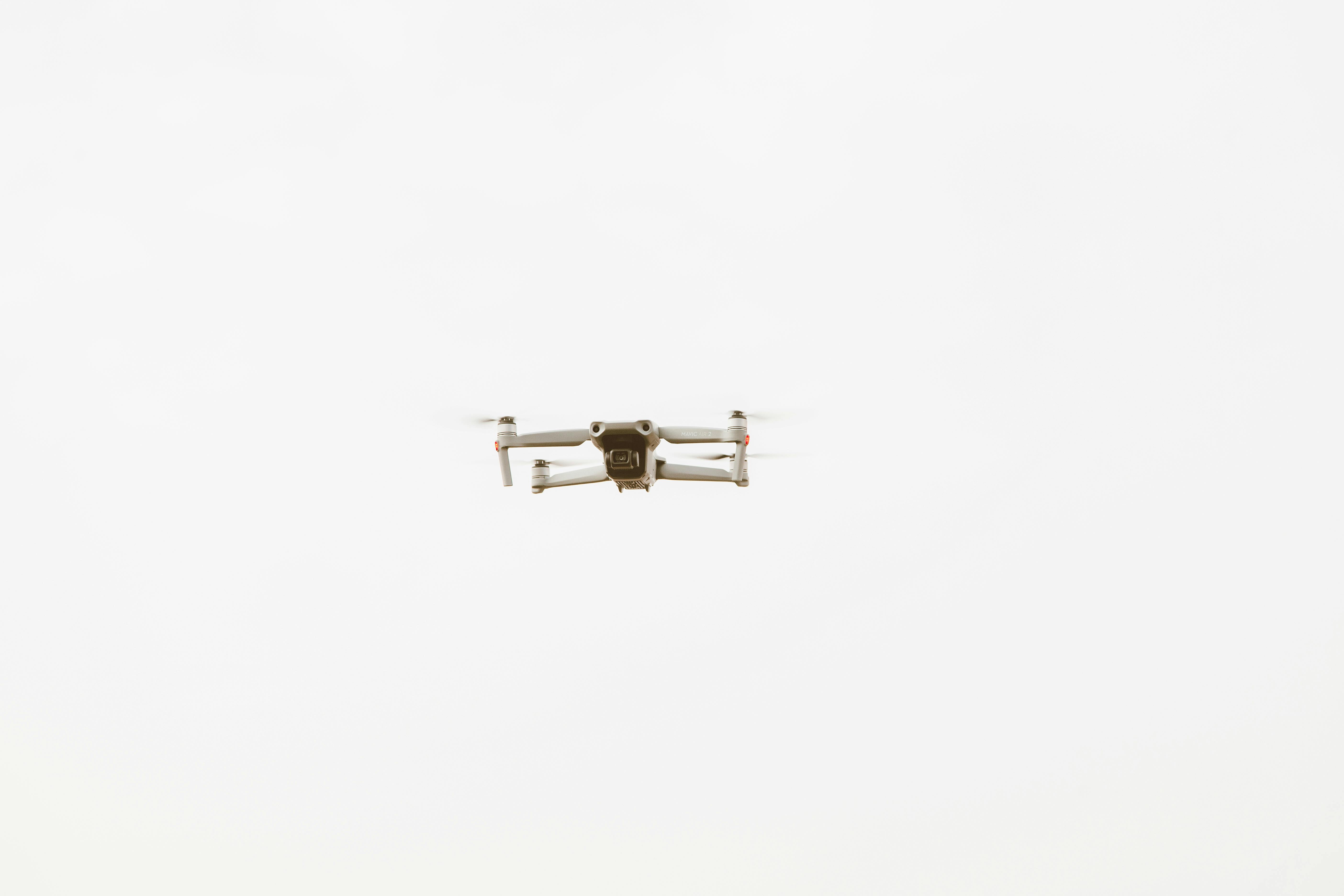
Safe launches from a cliff or shoreline begin with a solid, open spot and a clear way out. Loose sand, wet rock, and a steep drop can turn a short takeoff into a tense one fast.
Face into the wind first and make sure the launch area is wide enough. Then give the drone room to rise straight up before it moves forward, since lift off the cliff or sea air can push it back toward you.
- Stand well back from the edge, especially on soft ground.
- Check for salt spray, sand, or dust near the motors.
- Set the home point after the drone has a clear GPS lock.
- Keep one hand free for the controller and the other for the case.
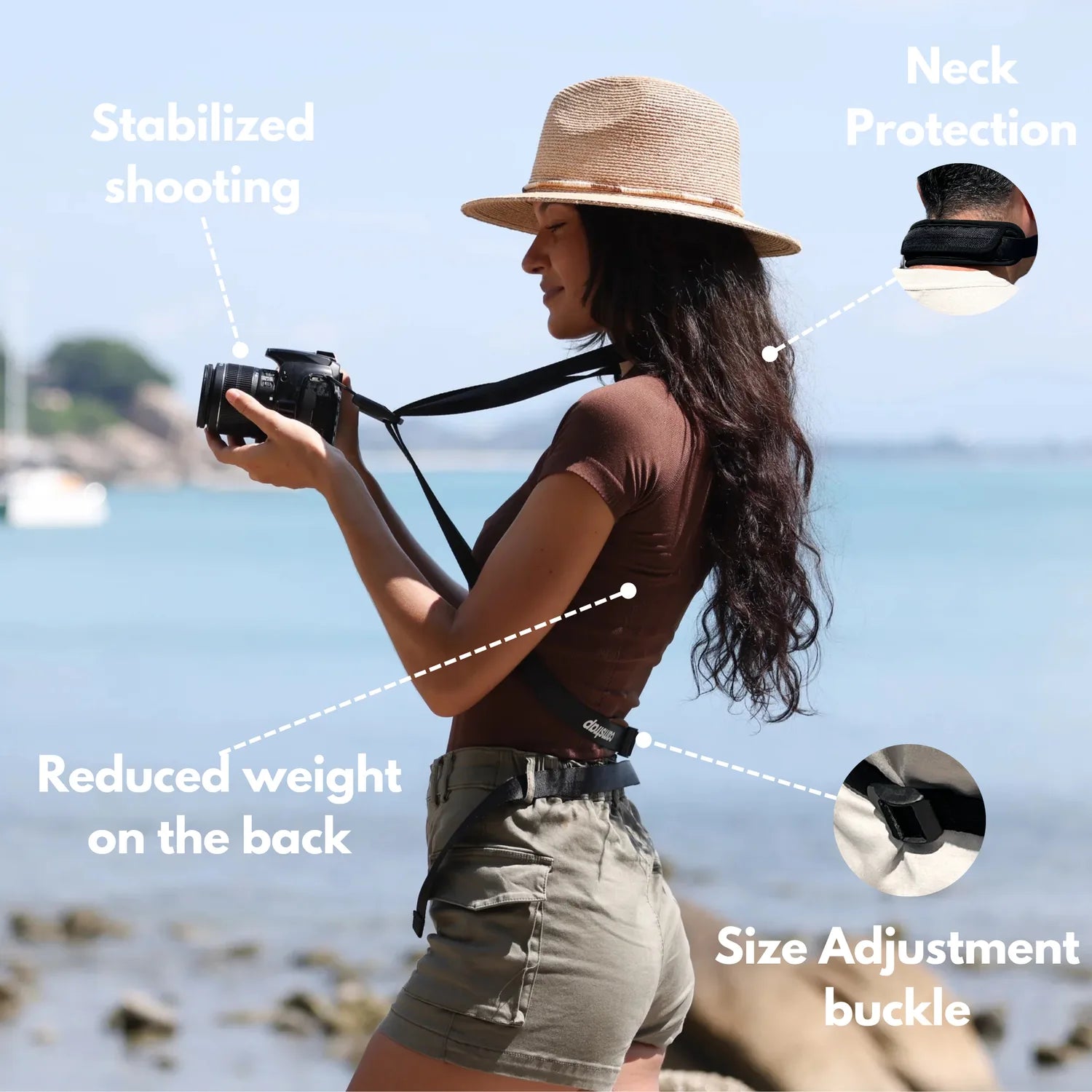
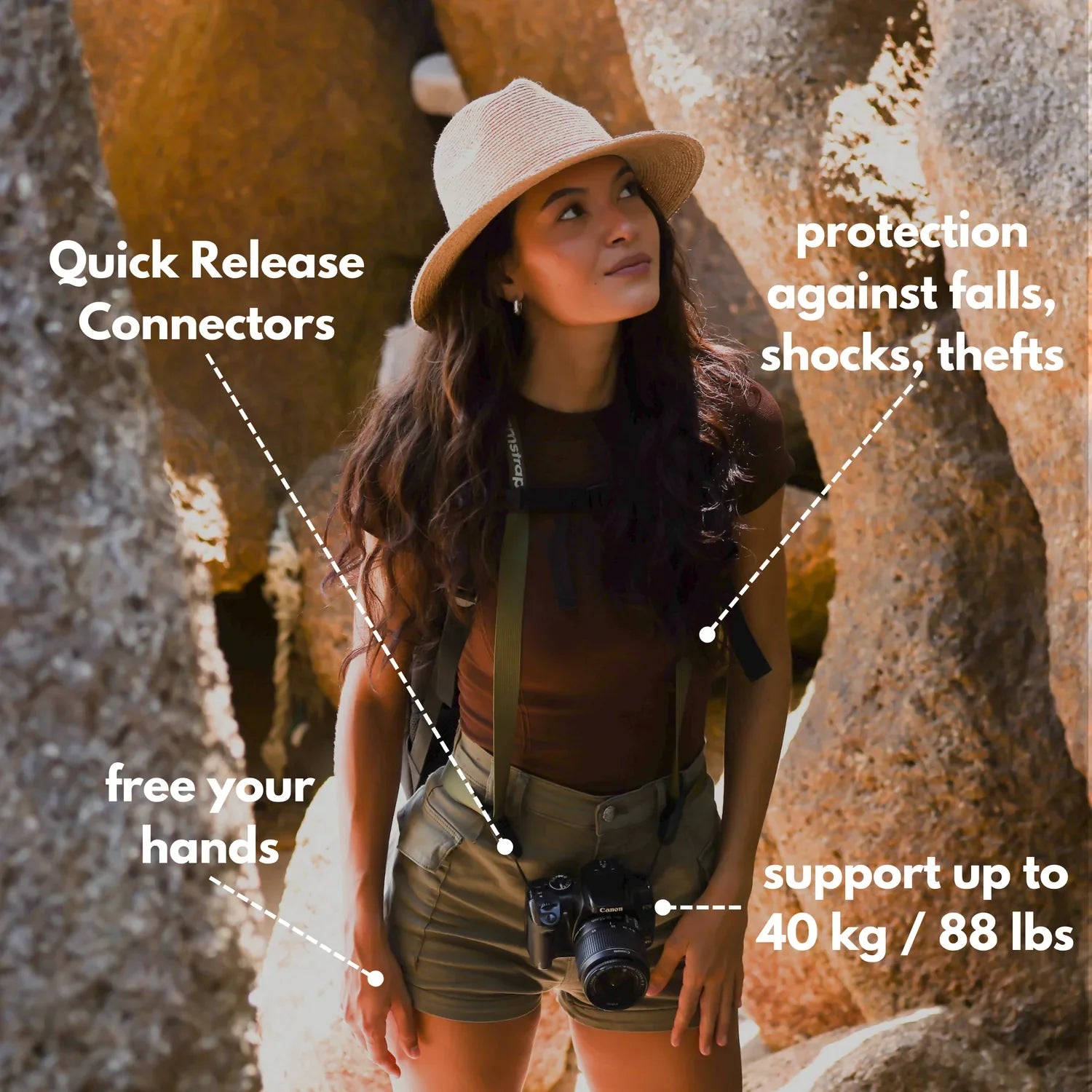
A hands-free carry setup helps here because both hands stay open while you move. A Camstrap Voyager can make that easier by keeping the camera-style load close and centered on the walk to the launch point.
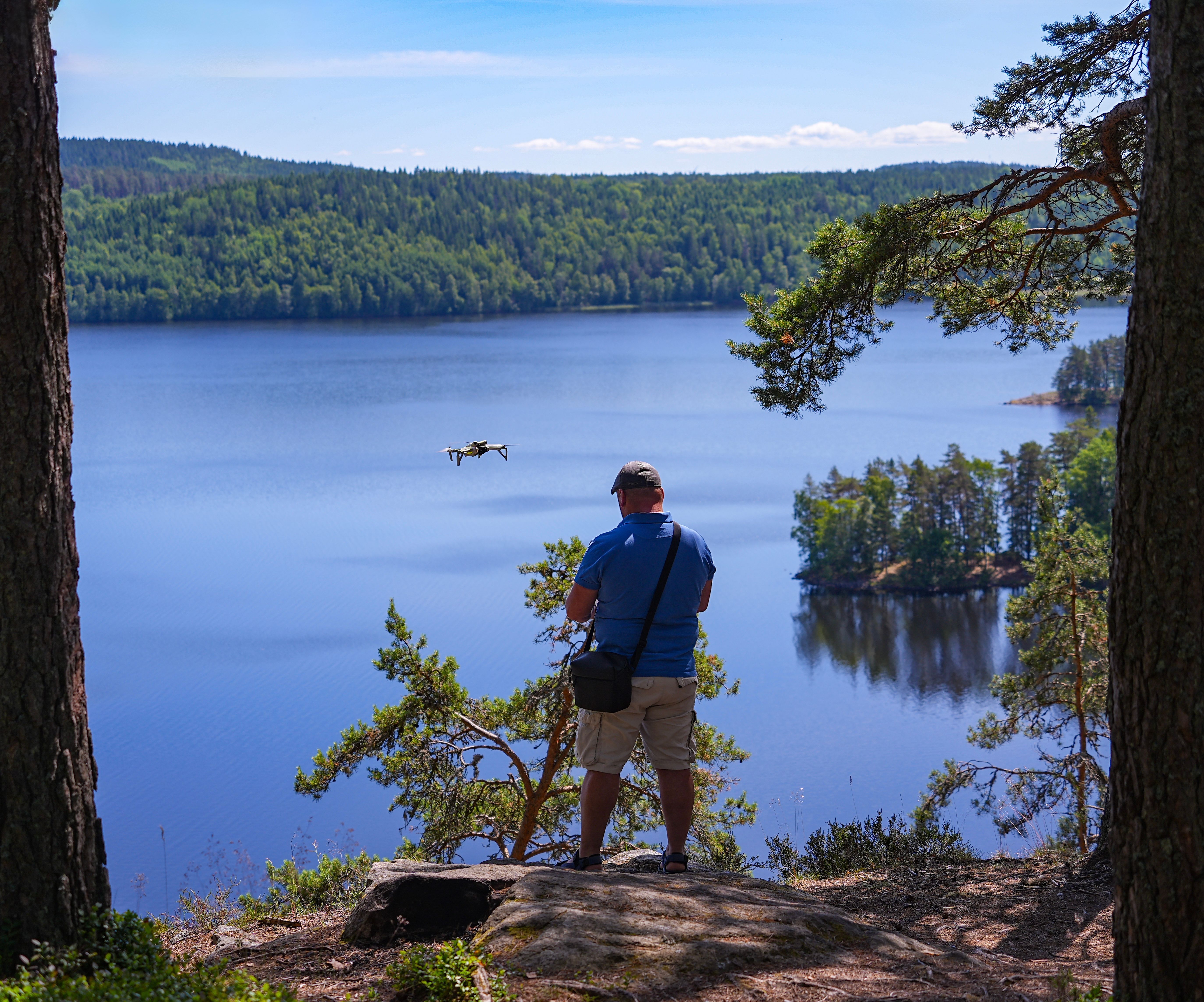
Why do my aerial shots look shaky even when the drone hovers?
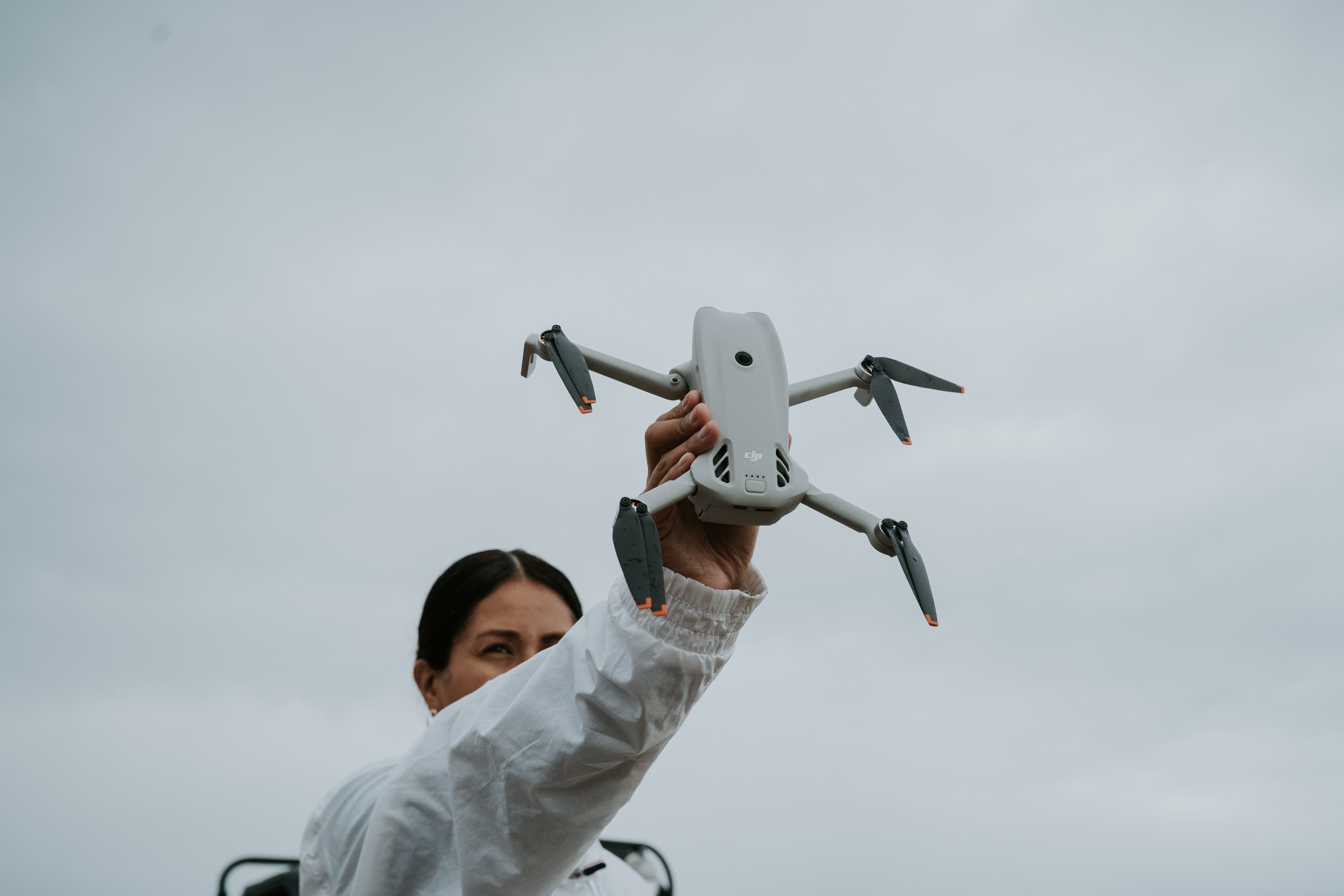
Hovering is never perfectly still, and a light breeze can still shake a small drone. DJI notes that strong wind can cause slight vibration in lightweight drones while the gimbal works to hold the frame steady. The issue can come from more than flight drift. A quick yaw twitch, a small gimbal correction, or even prop wash can show up as frame shake in video and tiny blur in stills.
Why the image itself can move
The drone may hold position, but the camera can still react to tiny shifts in the body. A fast lens move, weak stabilization, or a shutter speed that is too slow can make those shifts visible.

On the ground, Canon recommends a shutter speed at least as fast as the inverse of the effective focal length. At 50mm, that means about 1/50s; at 200mm, about 1/200s.
Wind also changes the best setting choice. Canon notes that the needed shutter speed depends on wind strength and whether image stabilization is on, and fast subjects may need about 1/1000s to 1/4000s.
How do I plan a safe takeoff when hiking to a viewpoint?
Planning starts before the hike, because wind risk rises once you reach open high ground. The best launch plan keeps the drone case secure, the controller ready, and your hands free during the last stretch. Pack the drone so you can reach the launch point without stopping to juggle gear. A simple sling or chest-style carry helps you keep the controller in one hand and the drone case in the other, which is useful on narrow trails and uneven rock.

- Check the forecast at the trailhead, then check it again near the top.
- Pick a launch spot with clear sky and no loose debris.
- Power on the controller before the drone, then wait for a stable GPS count.
- Take off straight up to a safe height before flying away from the slope.
- Watch battery use closely, because wind can shorten flight time fast.
That final step deserves attention. A drone that fights wind burns power quickly, and a planned 25-minute flight can shrink much sooner if the way home faces a headwind.
What settings help keep drone footage smooth in gusty conditions?
Short shutter speeds help most when the air turns rough. For video, start by matching the frame rate with a shutter near the 180-degree rule, then adjust only if the scene gets too bright or too dark.
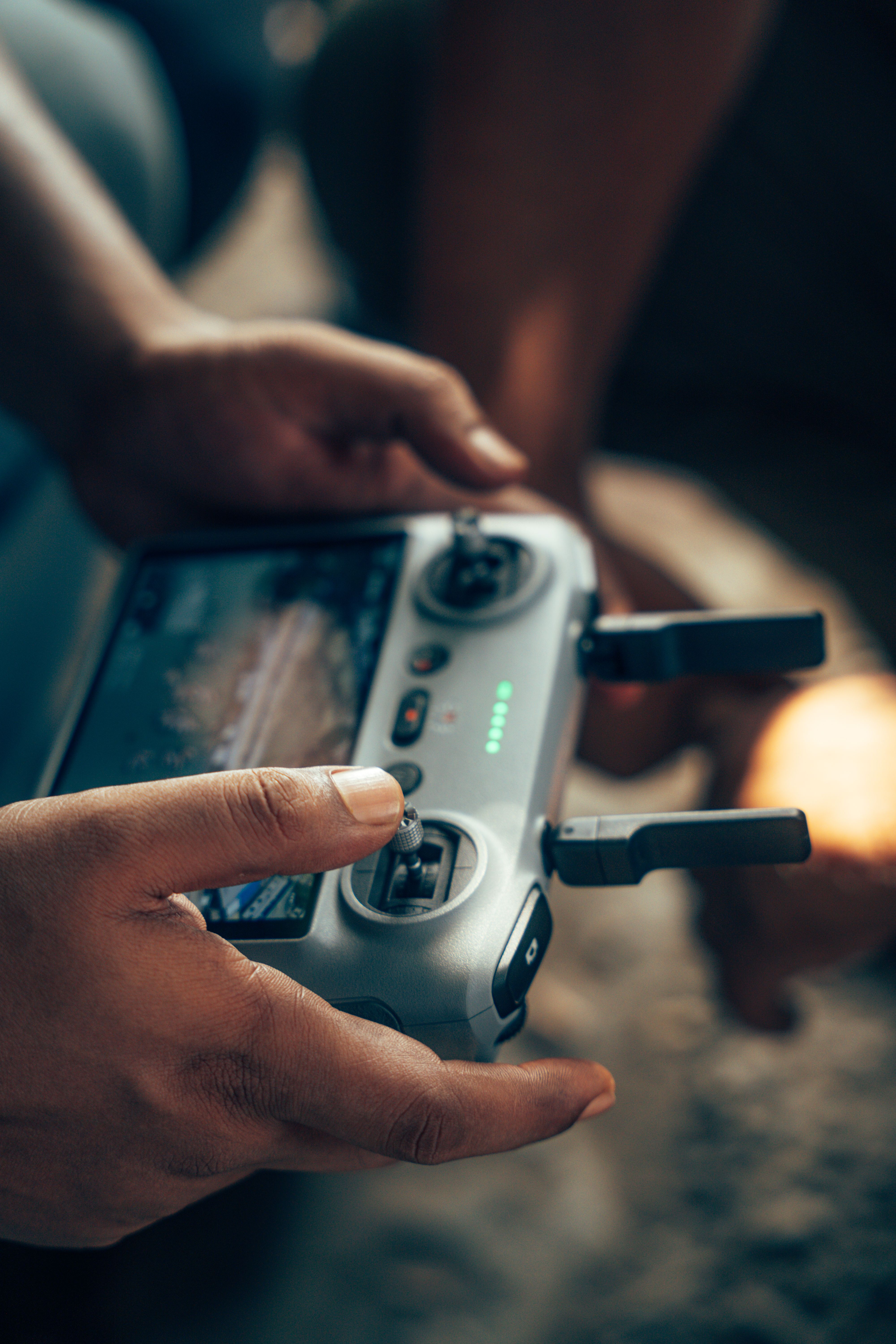
For stills, a higher shutter speed is the first fix. On a drone camera, 1/500s is a strong starting point in light wind, and 1/1000s can help when gusts push harder or the drone sits near a cliff edge.
Core settings that hold up better in wind
Use these as a working base, then fine-tune for light and motion. The goal is a crisp image without forcing the camera into settings that add noise or crush detail.
- Shutter speed: 1/500s to 1/1000s for steadier stills in gusts.
- ISO: keep it as low as light allows, often ISO 100 to 400 in bright conditions.
- Aperture: if your drone lens has one, f/2.8 to f/4 helps in weaker light.
- Focus mode: use continuous AF when your subject keeps moving across the frame.
High wind can tempt you to raise ISO too much, but that tradeoff brings noise fast. If the light is strong, a faster shutter is the cleaner fix, and it often helps more than narrowing the aperture. Storage and capture speed matter too. A fast UHS-II V60 or V90 card clears bursts faster than older cards, and that helps if you shoot RAW while the drone rocks in gusts.
Can a few habit changes make the flight steadier?
Yes, because stable results start with calm control inputs. Smooth stick moves, slow yaw, and gentle braking make the drone easier to read in wind.
Use tripods and launch pads when the ground is dirty or wet, and keep the gimbal level before liftoff. If your drone offers an intelligent flight mode with smooth path control, test it in mild wind first, not on the windiest ridge.

On larger shoots, I keep the camera gear close and move with less fuss. A strap that spreads weight well, like the Camstrap Voyager, helps me walk to the launch point without shifting my grip every few steps.
Can wind make battery use worse than expected?
Wind makes the motors work harder, and battery use rises fast. A drone may look fine on launch, then show a sharp drop once it turns home into the wind. Plan with extra reserve. Start the return trip earlier than you would on a calm day, especially if the drone must climb back up a slope or cross open water.
Battery waste is not only about flight time. Strong wind can force more corrections, more yaw, and more throttle changes, and each one uses power.
What signs tell me to land right away?
Land right away if the drone stops holding its line, tilts hard to stay in place, or drifts when you release the sticks. Those are clear signs the wind has gone past the comfort zone.
Listen for rapid motor changes and keep an eye on the battery number. If the drone starts fighting just to hover, the rest of the flight will cost more power and give you less control.
In rough air, the safest shot is the one you skip. A short, clean flight is better than a long one that ends with a hard landing.

Should I change photo settings for moving birds or fast cars?
Yes, because very fast subjects need much faster shutter speeds than a hovering drone shot. Canon notes that sharp freezing can take about 1/1000s to 1/4000s for birds in flight or speeding cars. The same idea helps in windy drone work, even when the landscape is the subject. A fast shutter cuts blur from both the drone and the scene, while a slower one can smear detail when the air shakes the frame.
Use this as a simple rule: if the scene looks soft, raise shutter speed first, then lift ISO only as needed. On bright days, that shift is often enough to clean up the image without touching aperture.
Closing the loop before you pack up
Wind will always test a drone, but it does not have to spoil the shot. Pick a launch spot with room, keep your settings quick, and leave extra battery margin for the return leg.
For beginner flights, the best habit is plain: launch only when the air feels manageable, keep the sticks smooth, and land while you still have control in reserve. If the gusts pick up again, pack up at once and head back with a clean landing and a full memory card.
Frequently Asked Questions
How much wind is too much for a beginner drone flight?
For a beginner drone flight, winds above about 5 to 6 m/s, or 11 to 13 mph, usually start to become difficult. Gusts can be stronger than the steady wind, so staying well below the drone’s rated limit leaves more margin for control and battery drain.
What should I check before taking off from a cliff or shoreline?
Before a cliff or shoreline takeoff, check for a wide, solid launch spot with a clear path upward and no loose sand, wet rock, or steep drop near your feet. Face into the wind, stand well back from the edge, and make sure the drone has a clear GPS lock before setting the home point.
Why do my aerial shots look shaky even when the drone hovers?
Aerial shots can look shaky during hover because a drone is never perfectly still and light wind can add small vibrations. Tiny yaw movements, gimbal corrections, prop wash, and slow shutter speeds can all make that motion visible in video or stills.
How do I plan a safe takeoff when hiking to a viewpoint?
A safe hike-to-viewpoint takeoff starts with checking the weather, scouting for a protected launch area, and choosing a spot away from edges, ridges, buildings, or open water where wind can accelerate. Keep one hand free for the controller and the other for gear, and use a hands-free carry setup if you need both hands while walking.
What settings help keep drone footage smooth in gusty conditions?
To keep drone footage smooth in gusty conditions, use a shutter speed fast enough to reduce motion blur and avoid settings that make the camera overly sensitive to tiny body movements. A faster shutter, good stabilization, and careful framing help reduce the visible shake caused by wind and gimbal corrections.


