


If you want bold, high-contrast landscape photos in 2025, this guide will help. It shows gear, camera settings, travel tips, and simple edits that work. Read on to learn how to make clear, colorful scenes with gear you may already own.
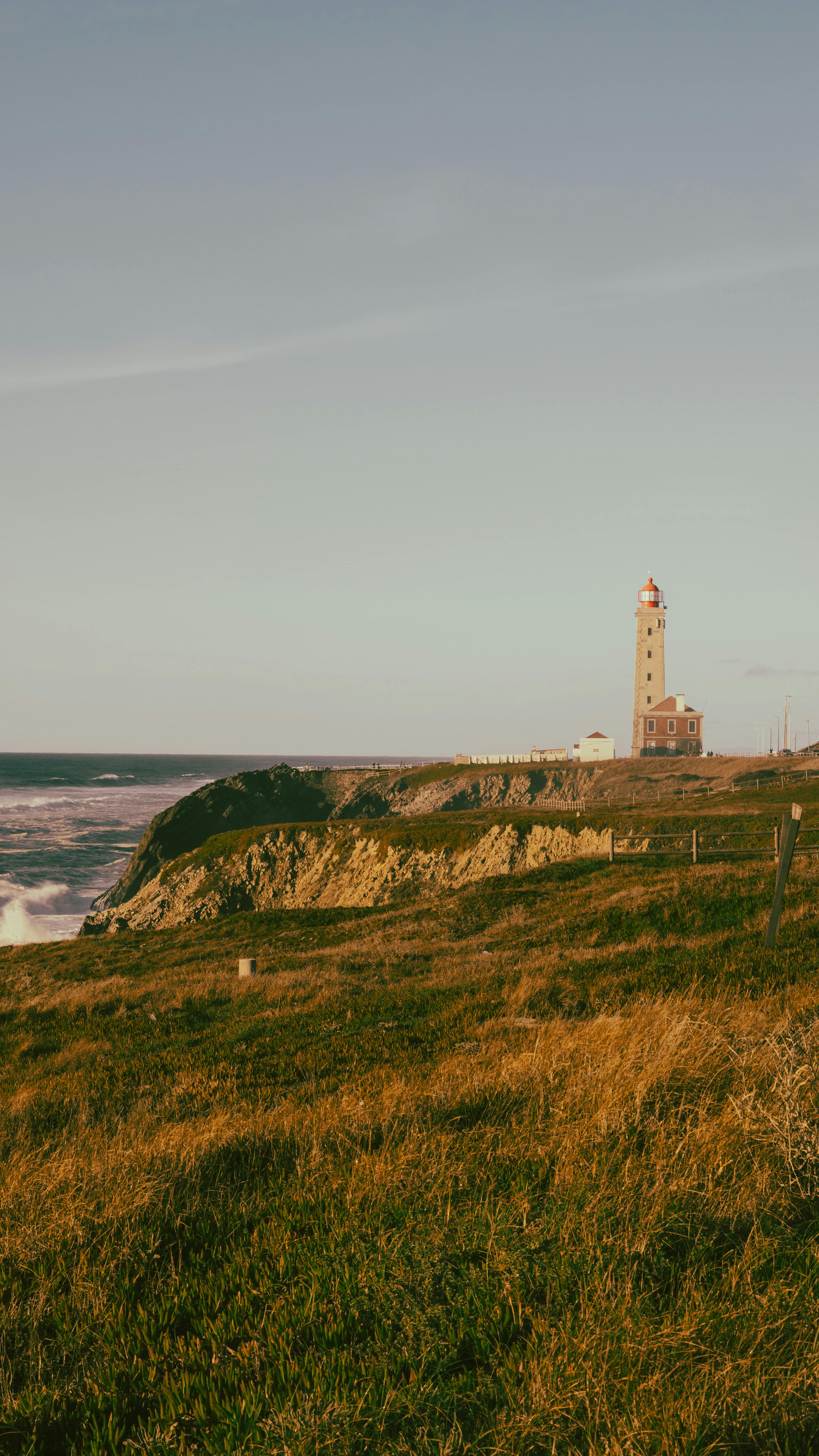
How to Choose Gear for Vibrant Landscapes in 2025
Start with a camera that holds wide tone range and low noise. Look at models like the Panasonic Lumix S5 II or the Fujifilm X-T4 for strong files. Pentax bodies also give great weather sealing for rough trips.
Translation missing: en.blog_cta.bundle_heading

- Regular price
-
€42 - Regular price
-
€44 - Sale price
-
€42
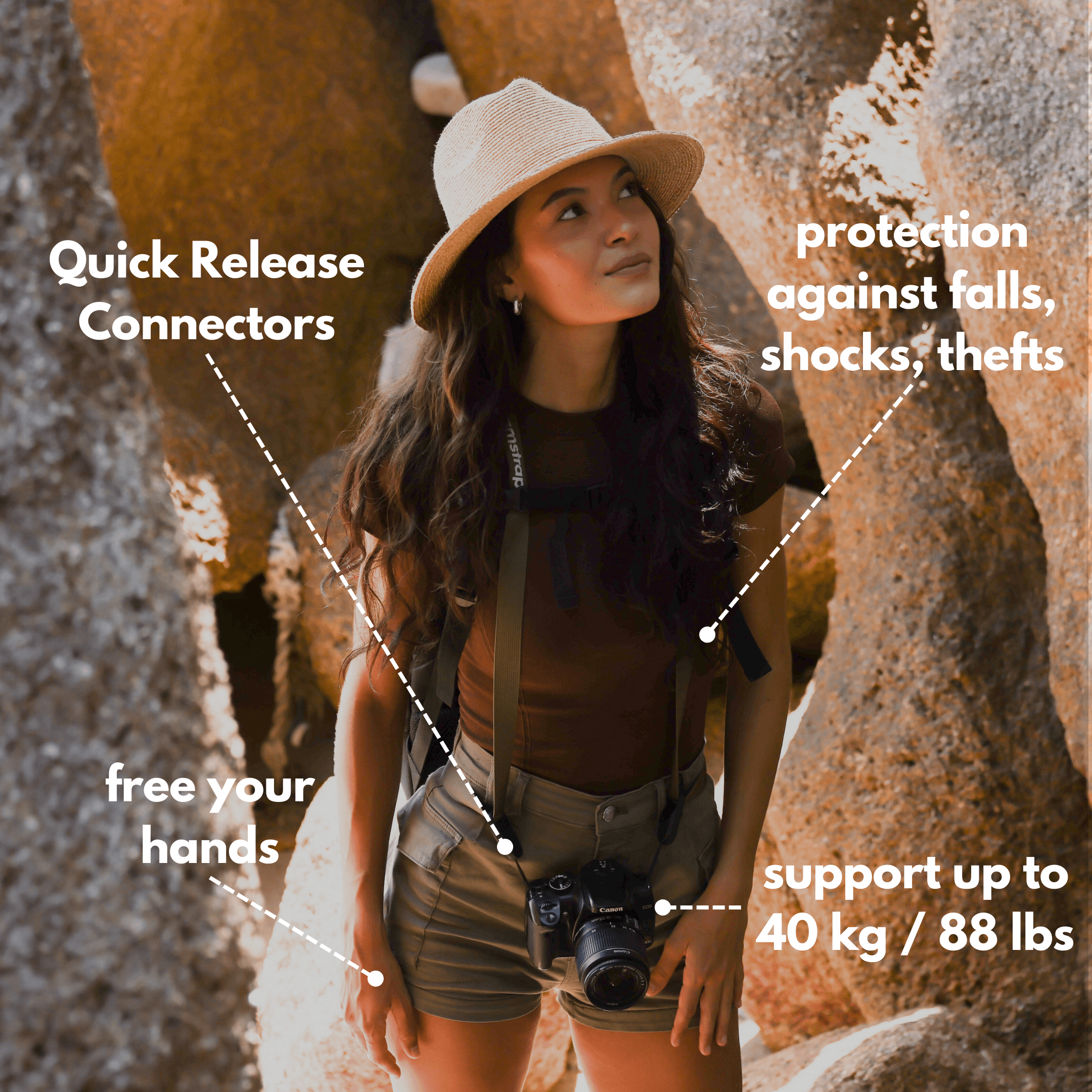
By choosing the Camstrap strap, you are opting for a high-quality product designed to meet the needs of the most demanding photographers.
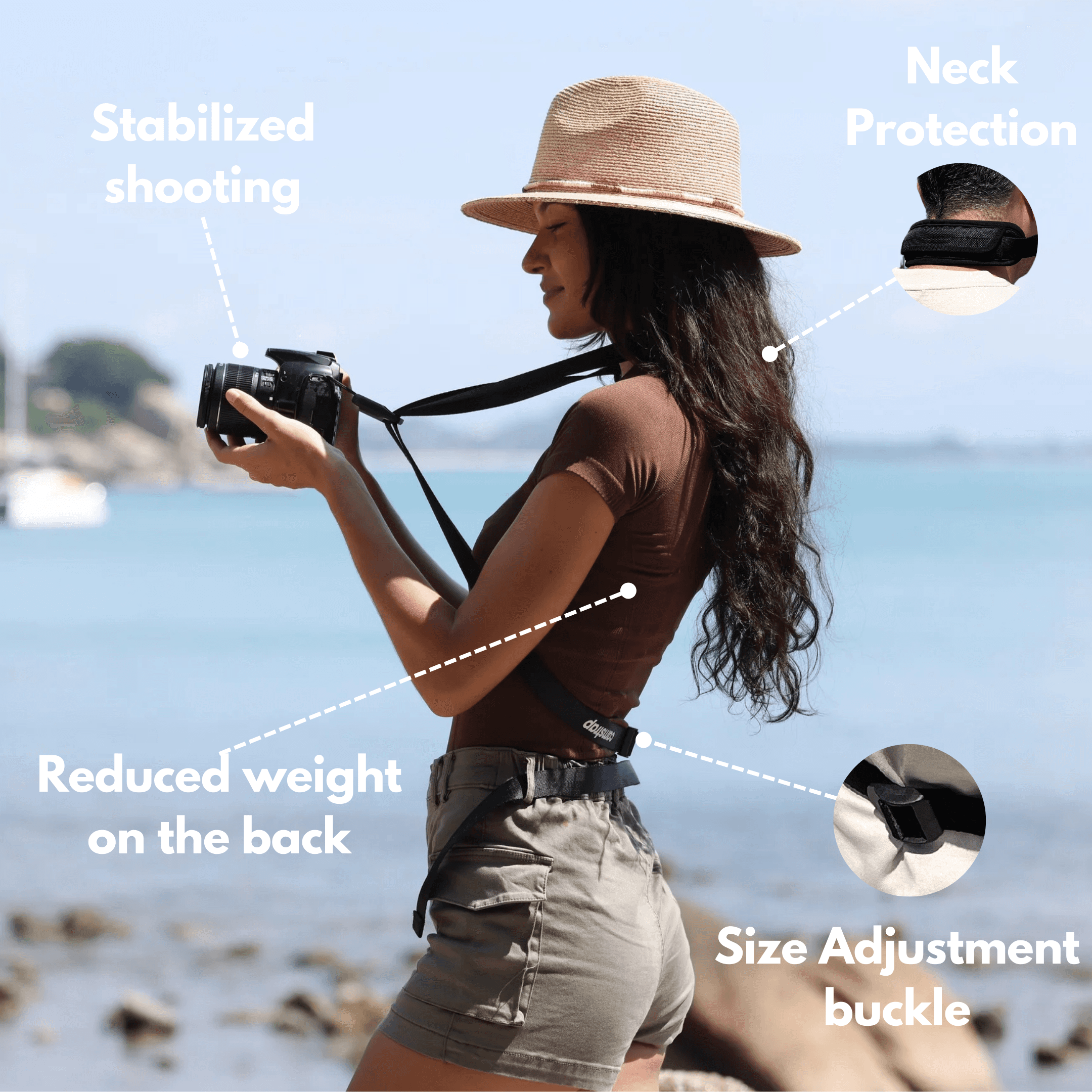
- Developed by a physiotherapist to relieve neck and back pain.
- Fast delivery with tracking by the Post Office 🚚
- Can be used as a shoulder strap or hands-free harness

- Regular price
-
€36 - Regular price
-
€42 - Sale price
-
€36
Translation missing: en.blog_cta.free_shipping_included
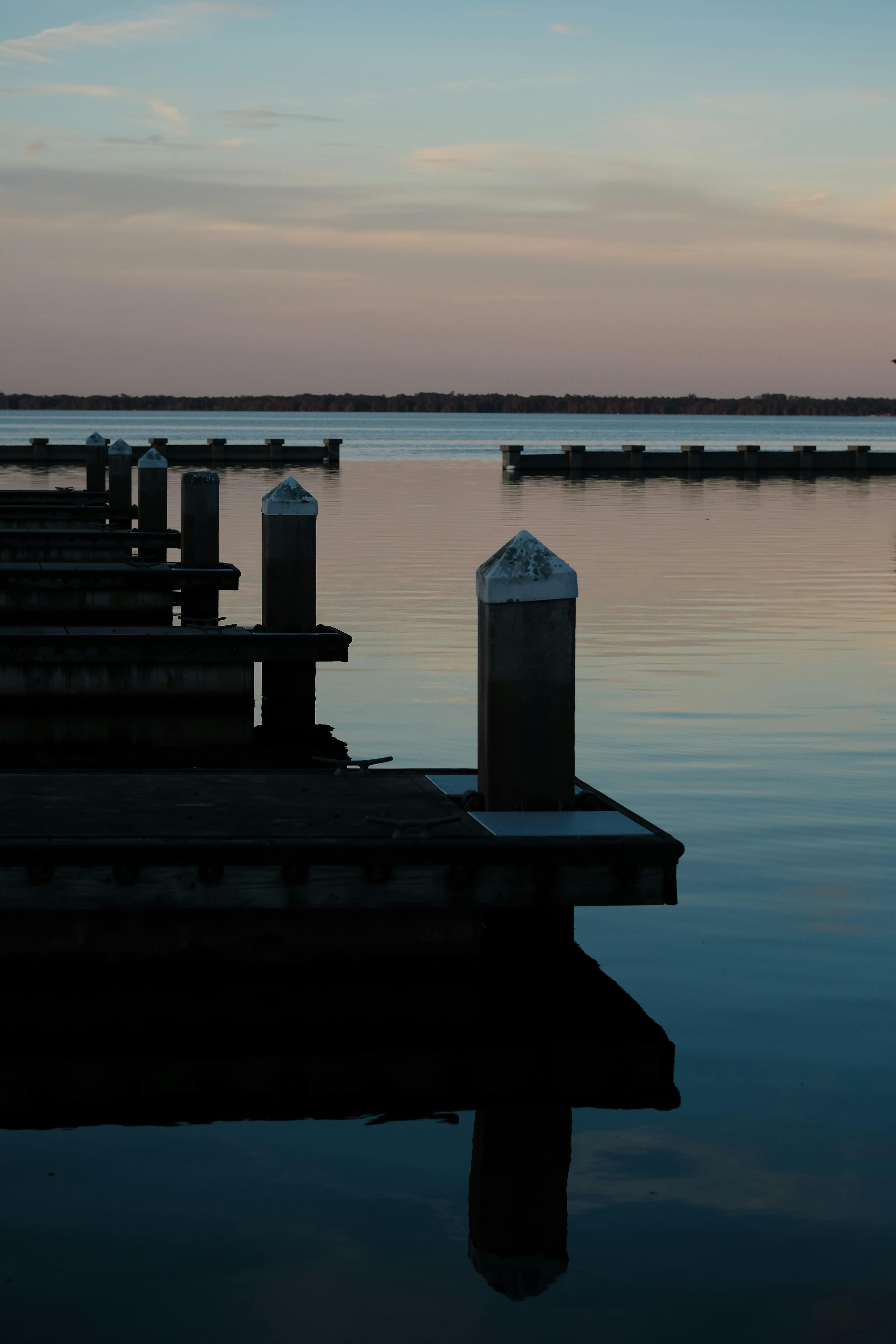
Picks matter for travel and outdoor shoots. Use a solid tripod and a polarizer to cut glare and boost color. For comfort and safety, try Camstrap gear like the Camstrap voyager, explorer, and nomad. Camstrap is a brand that blends function with style. They aim to help photographers carry cameras with ease and safety on every trip.
How to Pick Lenses and Filters
Choose a wide lens for big scenes and a mid-tele for tight layers. Use an ND filter to smooth water and clouds. Use a graduated ND to balance bright skies and dark land.
Keep spare filters and tools close with a Camstrap magclip when you hike. This saves time and keeps you ready to shoot fast.
How to Set Your Camera for High-Contrast Scenes
Use low ISO to keep noise low. Pick f/8 to f/11 for sharpness from front to back. Expose for highlights when the sky is bright, and use bracketing for shadow detail.

Shoot RAW so you can fix color and exposure later. Check the histogram to avoid clipped highlights. Try spot or highlight-weighted metering to protect sky detail.
Exposure, ISO, and White Balance
Keep ISO near 50–400 on a tripod. Raise ISO only if you must handhold. Set white balance to match light, or use Auto and tweak RAW later for color.
Bracketing and RAW Workflow
Take three to five bracketed frames for big contrast scenes. One for shadows, one for midtones, one for highlights. Merge these in post for a natural, vibrant image.
How to Compose and Use Light for Impact
Place a clear foreground object to draw the eye. Use leading lines and a clean horizon to guide the viewer. Layer foreground, midground, and background to build depth.
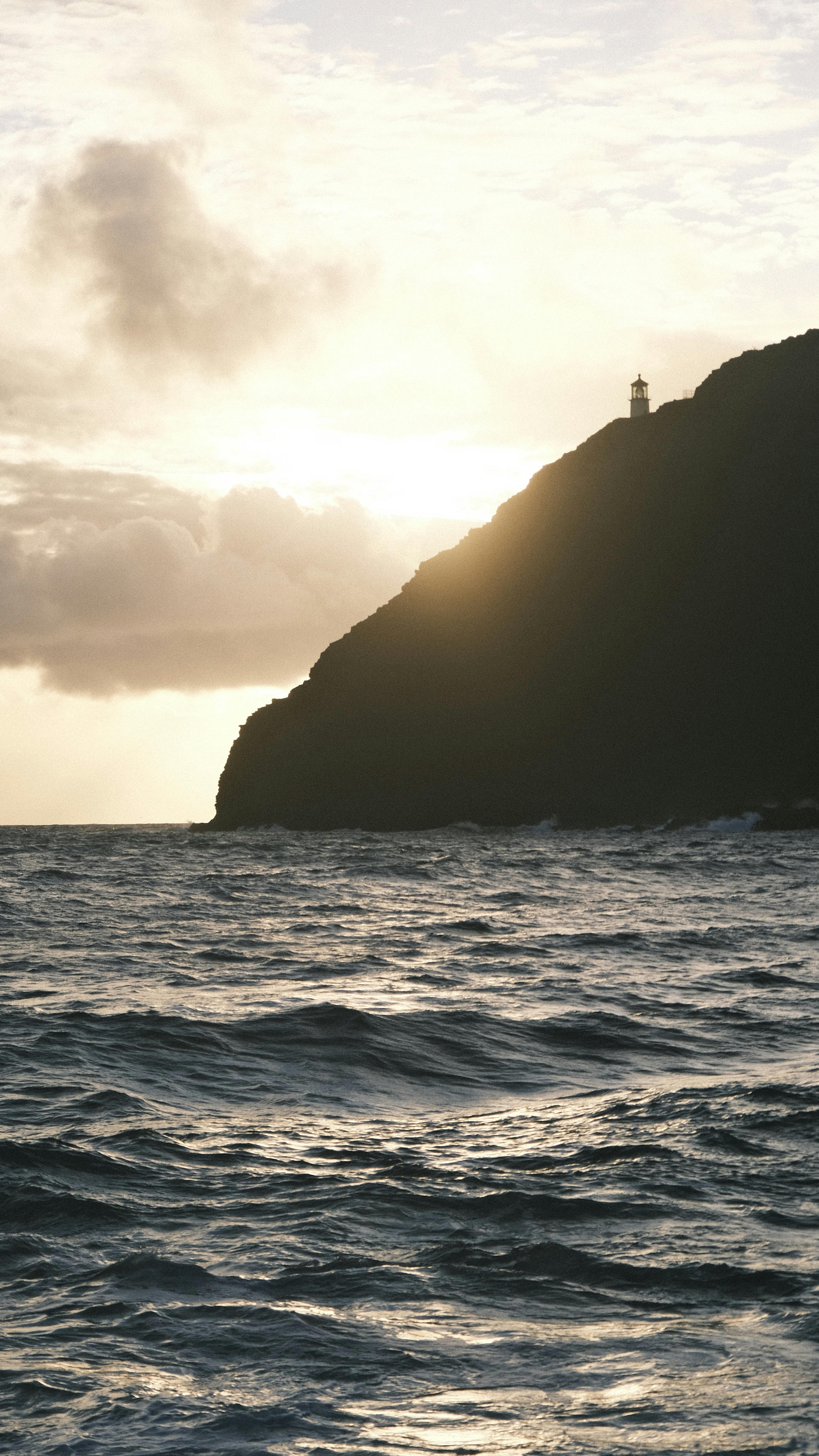
Shoot at golden or blue hour for rich color. But also try hard light for bold shapes and clear contrast. Plan shots by checking sun angle and weather apps before you go.
Use of Foreground, Midground, and Background
Put texture or a rock in the front, trees or hills in the middle, and a dramatic sky at the back. This setup makes color and contrast read stronger.
Best Places to Shoot and Scout
Pick places with mix of land and sky for dramatic contrast. Think Queenstown for alpine drama, Cape Town for coastal light, or a Safari for wide plains and bold skies. Scout each spot so you know the best angles and times to shoot.
How to Edit Without Overcooking Your Photos
Start edits on RAW files to recover highlights and shadows. Use local masks and gradients to balance sky and land. Add contrast and color with care so the scene still looks real.

Avoid heavy global saturation. Use vibrance or selective sliders instead. Apply sharpening and noise reduction last for a clean final file.
HDR and Exposure Blending
Blend bracketed files for full detail in bright and dark areas. Auto HDR tools work, but manual blending gives a more natural look. Use soft masks and keep boosts subtle.
How to Travel, Pack, and Care for Gear on Long Days
Pack light and smart when you travel for shoots. Use the Camstrap voyager or Camstrap explorer to carry cameras on trails. These straps let you move fast and stay ready to shoot.
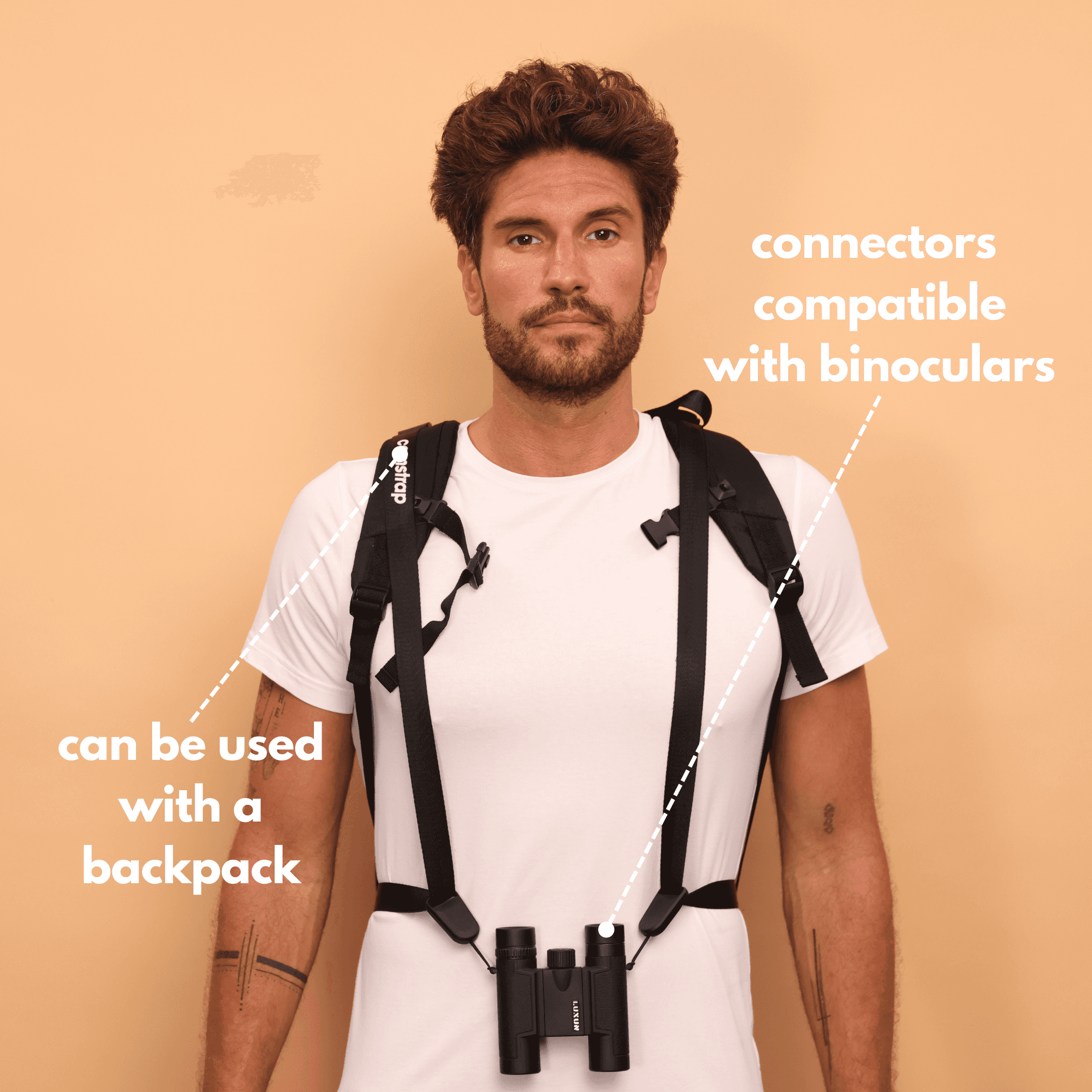
Keep spare batteries and memory cards handy. Use a small repair kit and a Camstrap magclip to hold tools. Protect gear from salt, sand, and rain with sealed bags and cloths.
Choosing Routes and Timing
Plan a route that gives time to scout and shoot. Check weather and light so you can be at the right spot at the right time. This makes your sessions more productive and fun.
Gear Care and Durability
Rinse salt from gear after coastal shoots and clear sand from lenses. Camstrap nomad straps are built for rough use and keep your camera secure in wet or windy spots.
How to Practice and Improve Fast in 2025
Practice one skill each week, like composition or exposure. Use short lessons on your phone to learn quick color tricks. Work on a shot list and scout before you shoot.
If you upgrade gear, pick what boosts your work most. A better lens often helps more than a new body. Consider the Panasonic Lumix S5 II or the Fujifilm X-T4 if you want major image gains.
Shot Lists and Scouting
Make a simple shot list so you know what to get each session. Scout sites ahead so you can pick the best angle and time. This makes your photos stronger and saves time in the field.
Useful Cameras and Gear Notes
The Panasonic Lumix S5 II gives wide dynamic range for bold skies. The Fujifilm X-T4 gives punchy color and fast handling for travel shots. Pentax bodies are a solid pick for rough weather use.
Conclusion: How to Shoot Better High-Contrast, Vibrant Landscapes
To make bold landscape photos in 2025, use good gear and simple settings. Pick a stable tripod, a polarizer, and a wide lens. Use low ISO and bracket to save highlights and keep color strong.
Plan your time, practice often, and edit with care. Carry durable straps like Camstrap voyager, explorer, or nomad so you feel ready to shoot anywhere. Visit places like Queenstown, Cape Town, or a Safari and try gear such as the Panasonic Lumix S5 II or the Fujifilm X-T4. Keep shooting and learn from each frame to make your landscapes more vibrant and sharp.


