


- Keep the camera level, square to a wall, and centered on one vanishing point.
- Avoid tilted angles, crooked horizons, and clutter that breaks the room’s visual path.
- Start with a wide lens and simple alignment; one-point perspective is beginner-friendly.
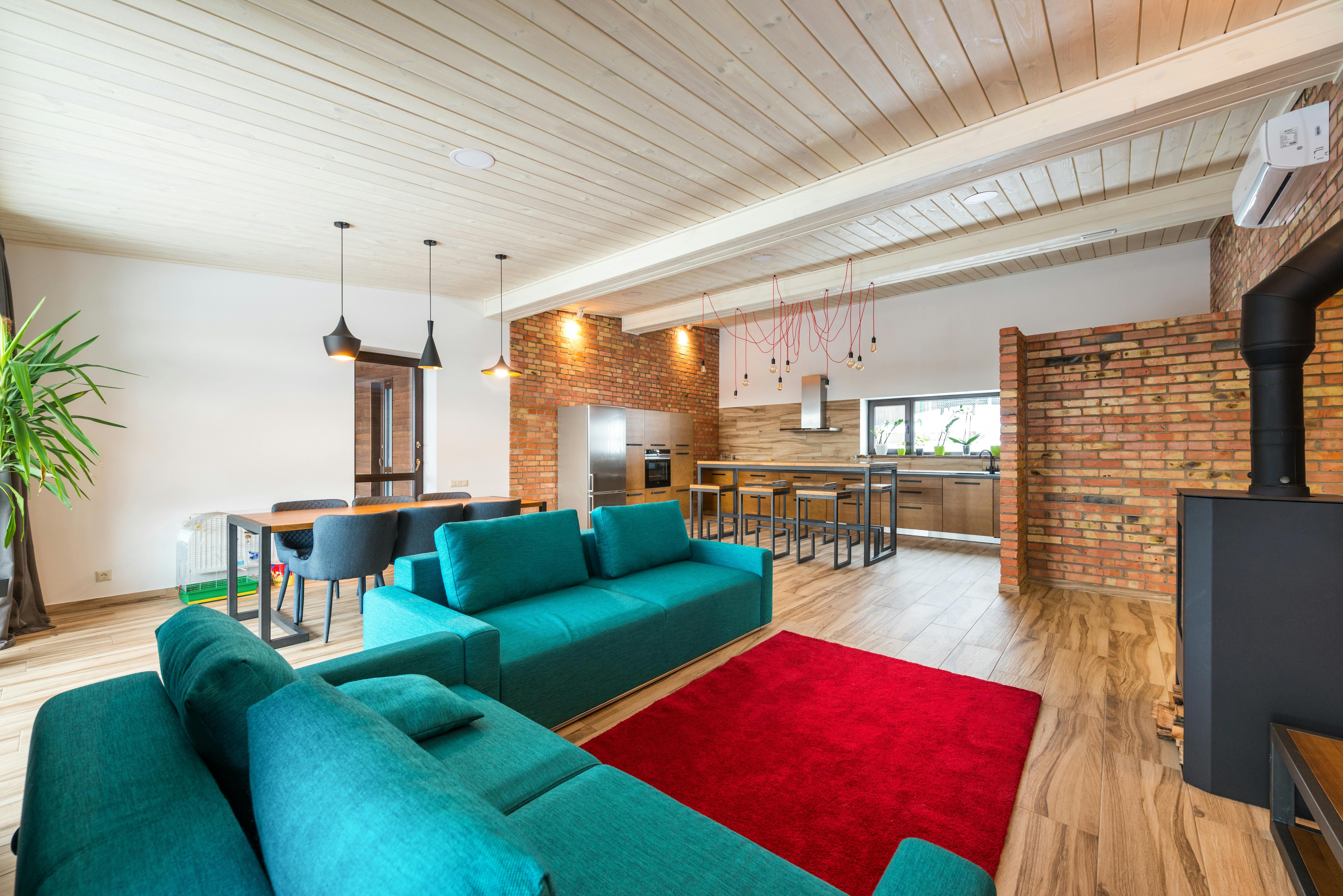
One-point perspective photography uses a single vanishing point on the horizon to give depth a crisp, readable shape. In a tiny apartment, it can turn a cramped room into a calm, open scene in one frame. Small homes suit this approach because walls, floors, and furniture all seem to travel toward one center point. The room reads wider, and the composition feels more ordered.
Why this view opens up small rooms
A tight apartment can feel larger once the eye has a clean path to follow. One-point views do that by lining up edges, floors, and ceiling lines toward a single point in the frame.
The effect is plain but strong: depth increases, and the picture feels less crowded.
What the camera is really doing
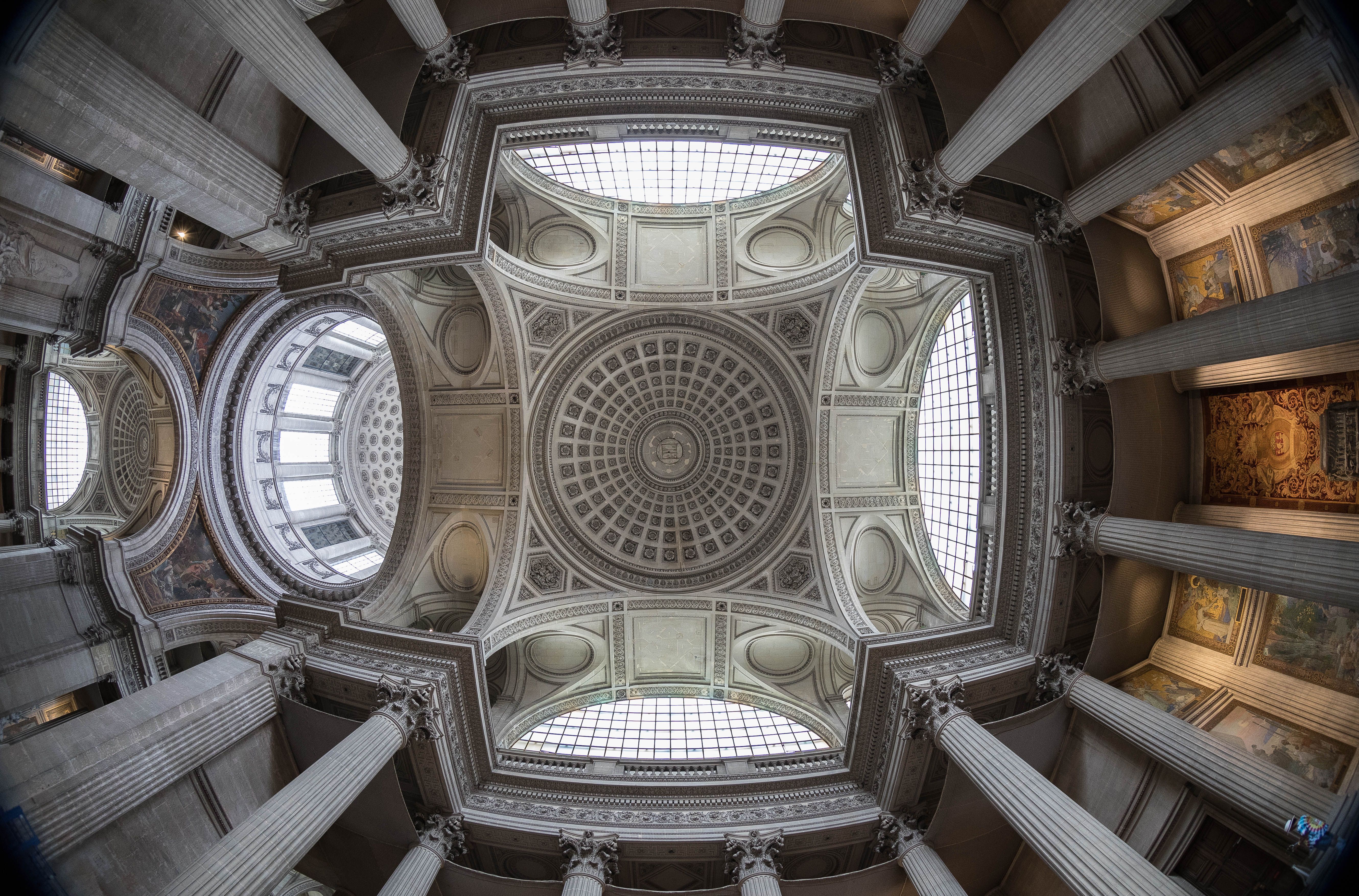
Perspective comes from camera position as much as from focal length. Shift the camera, and the room changes shape in the frame. A small move often matters more than a zoom change. Keep the camera level and square to a wall, and the lines stay straight while the space feels balanced.
For interiors, a wide-angle lens is usually the best place to begin. On full-frame cameras, 16–35mm zooms are common, and 16mm often lands in the sweet spot for tight rooms.
Why the frame feels bigger than the room
A wider view shows more of the space at once. It also lets the eye compare near and far edges, which strengthens the sense of depth.
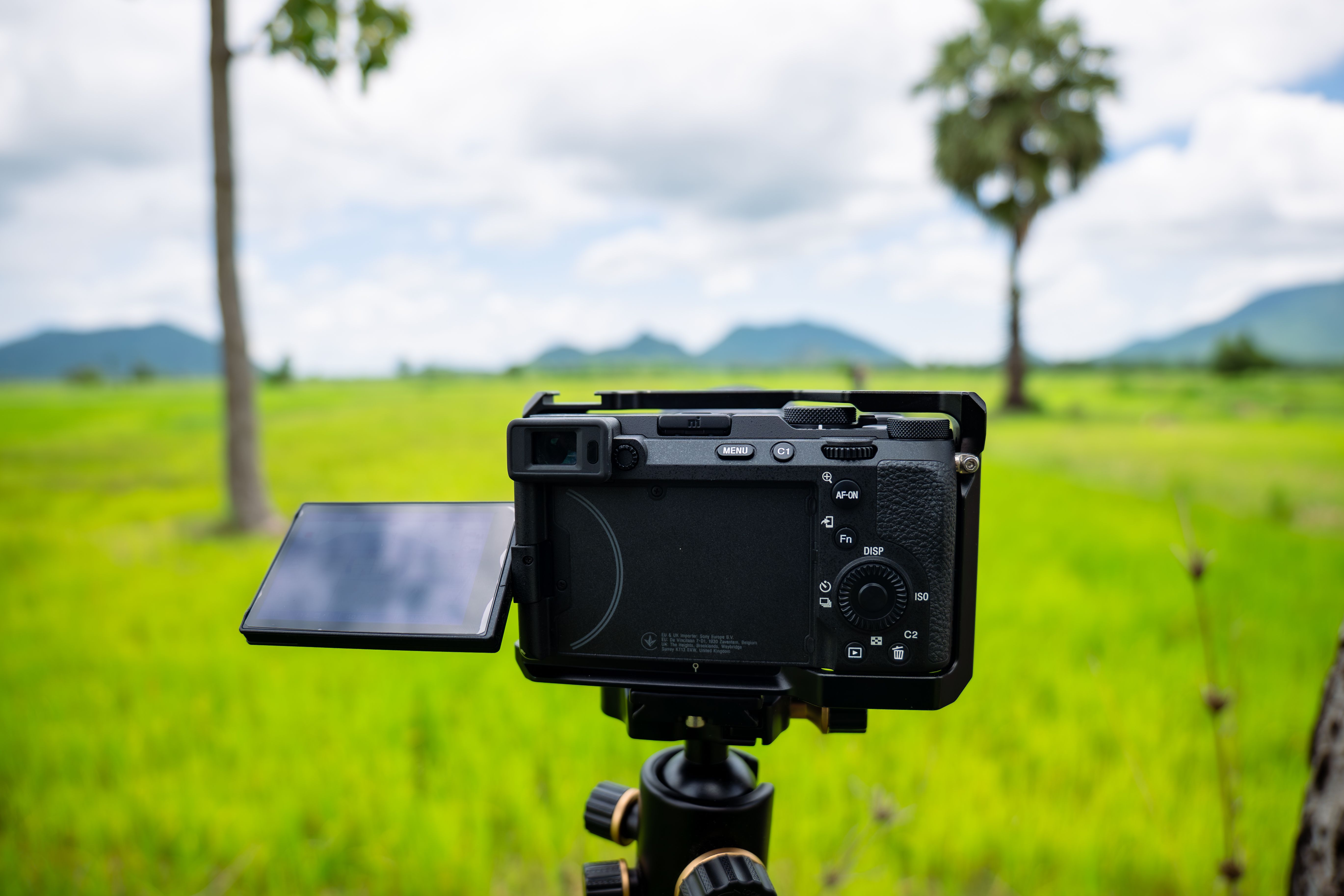
Push the lens too wide, though, and tilted camera angles start bending lines. Walls lean, ceilings feel strange, and the clean look falls apart.
How to make tiny apartments look spacious in one frame
The best result begins with a level camera, a clear center line, and the right lens. A 19mm interior example from Tamron shows how a moderate wide angle can keep a room open without wild distortion. A tripod helps. If you shoot handheld, hold the camera steady and square to the main wall, then check the frame edges before you press the shutter.
Build the shot in a few simple steps
- Stand where one wall, floor line, or hallway leads toward the center.
- Keep the camera sensor parallel to the wall you face.
- Use a focal length around 16–24mm for a small room on full frame.
- Place the vanishing point near the middle for a calm, even look.
- Remove anything that blocks the line of sight, such as open doors or chair backs.
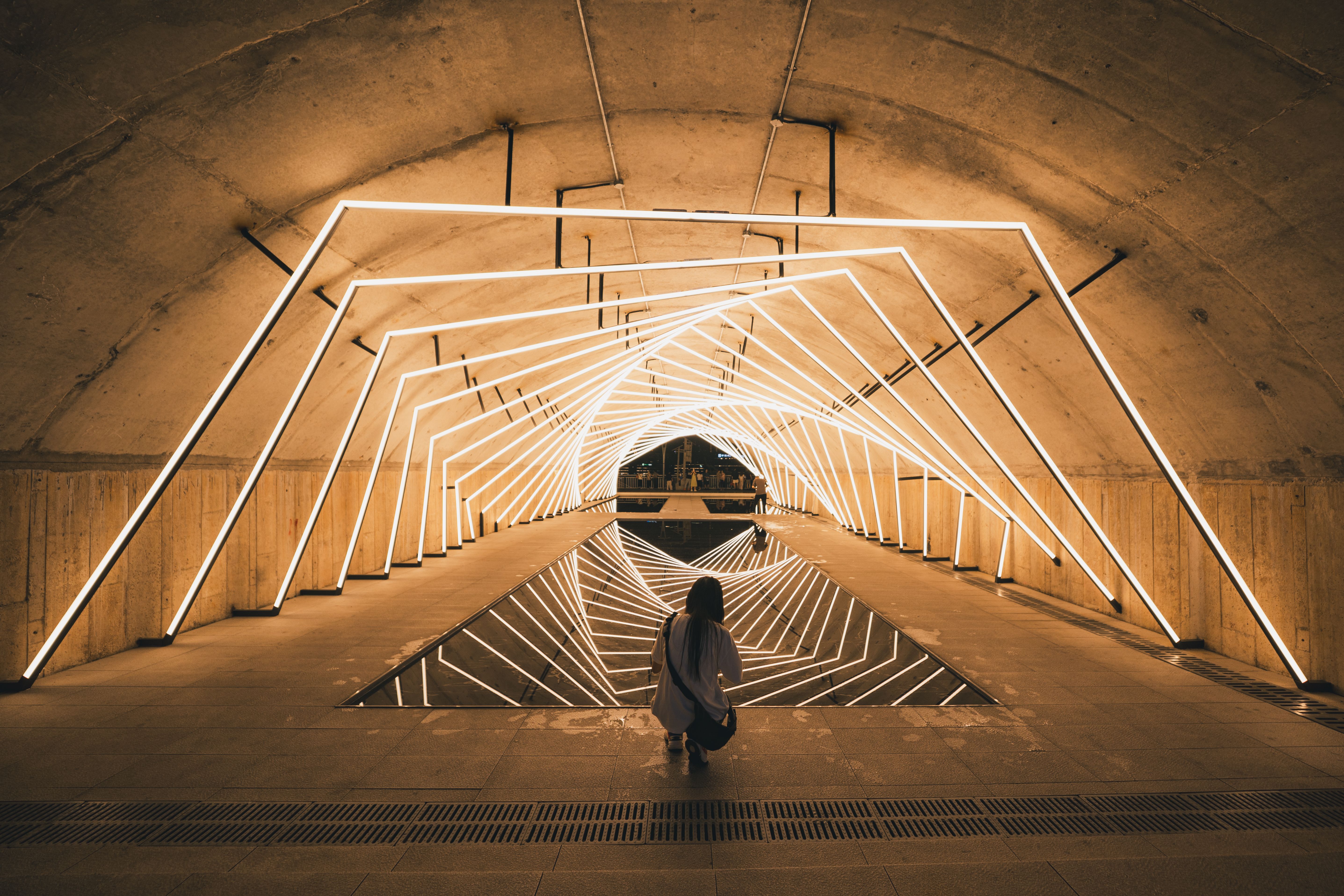
This setup controls the frame before the shutter clicks, and straight lines with a clear center point make the room feel larger right away.
Very small spaces often benefit from a 16mm lens because it fits more into the frame. In larger interiors, 20mm usually feels more natural and stretches the edges less.
Use light to widen the scene
Soft light makes small rooms feel airy. Window light works well because it lifts shadow detail without turning harsh. Open curtains, switch off mixed lights, and watch for bright patches on the floor. Uneven light pulls attention away from the center and makes the room feel busier.
Exposure choices matter too. An aperture around f/4 to f/8 usually gives enough depth for interiors, while ISO should stay as low as the light allows.
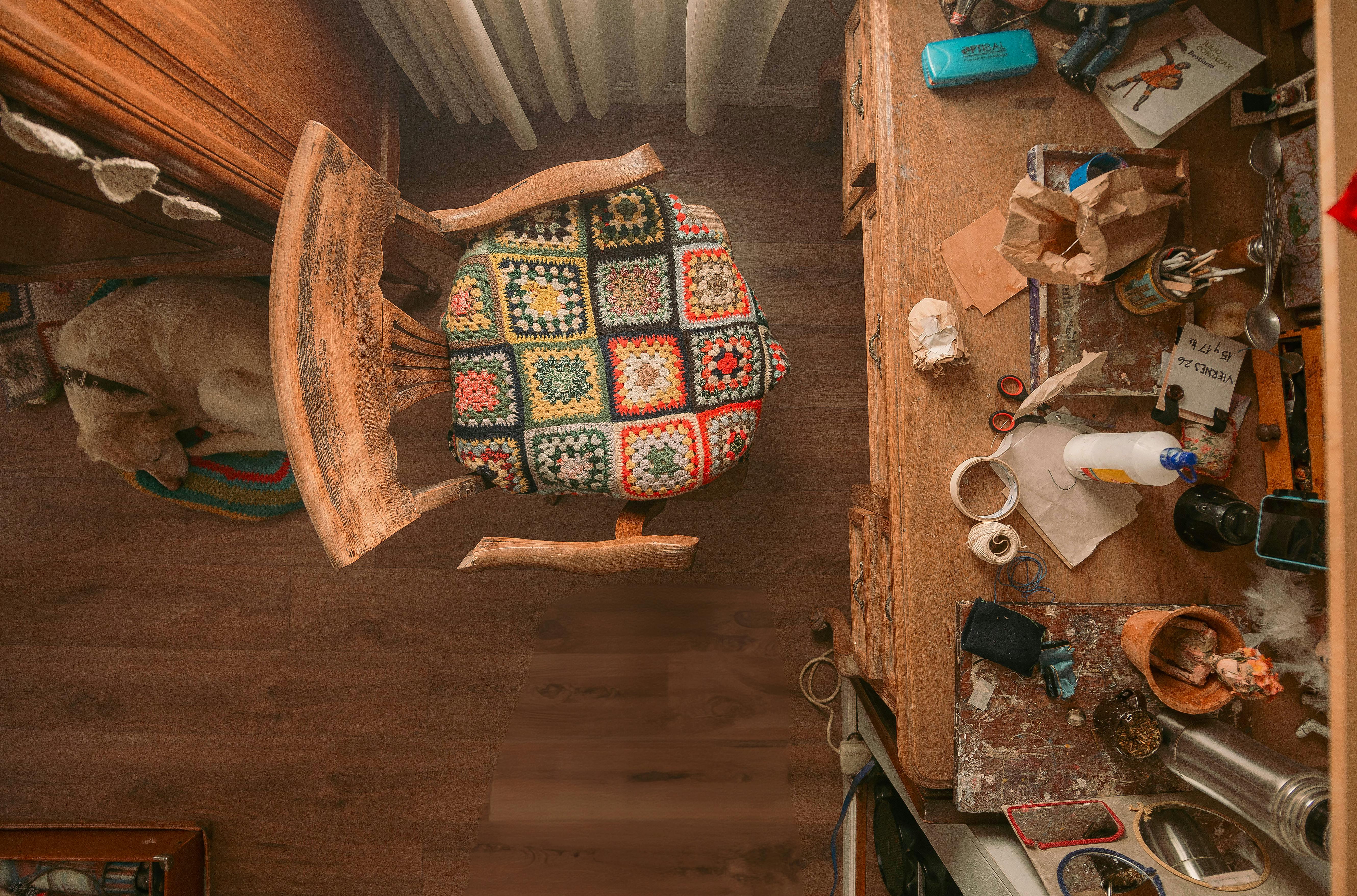
Gear choices that keep the room clean
A camera with strong live view and a level display makes this style easier. Mirrorless bodies help too, since they let you check line placement before you shoot.
A hands-free strap can help while you move through a tiny space. The Camstrap voyager keeps the camera close and ready, which makes it easier to frame one wall after another without setting gear down.
What to carry, and why it matters
- Wide-angle zoom: 16–35mm on full frame covers most small rooms well.
- Tripod: useful for exact alignment and repeat shots.
- Level tool: a hot-shoe level or built-in horizon guide keeps verticals straight.
- Raw capture: gives room for shadow and highlight recovery later.
- Lens cloth: helps keep bright window scenes clear and low in flare.

A 50mm lens gives a natural-looking reference point, but it can feel too tight in many apartments. Shorter focal lengths show more of the room, which is the aim here. One tradeoff deserves attention: ultra-wide glass can stretch straight lines near the edges. With a level camera, the effect stays manageable; tilt up or down, and it becomes obvious.
What are the three rules for one-point perspective?
The three rules are simple: keep one vanishing point, keep the camera level, and aim major lines toward that point. In interior work, those rules usually place the horizon line near the middle of the frame.
Those rules create order and keep the room from looking skewed or messy.
A quick way to check your frame
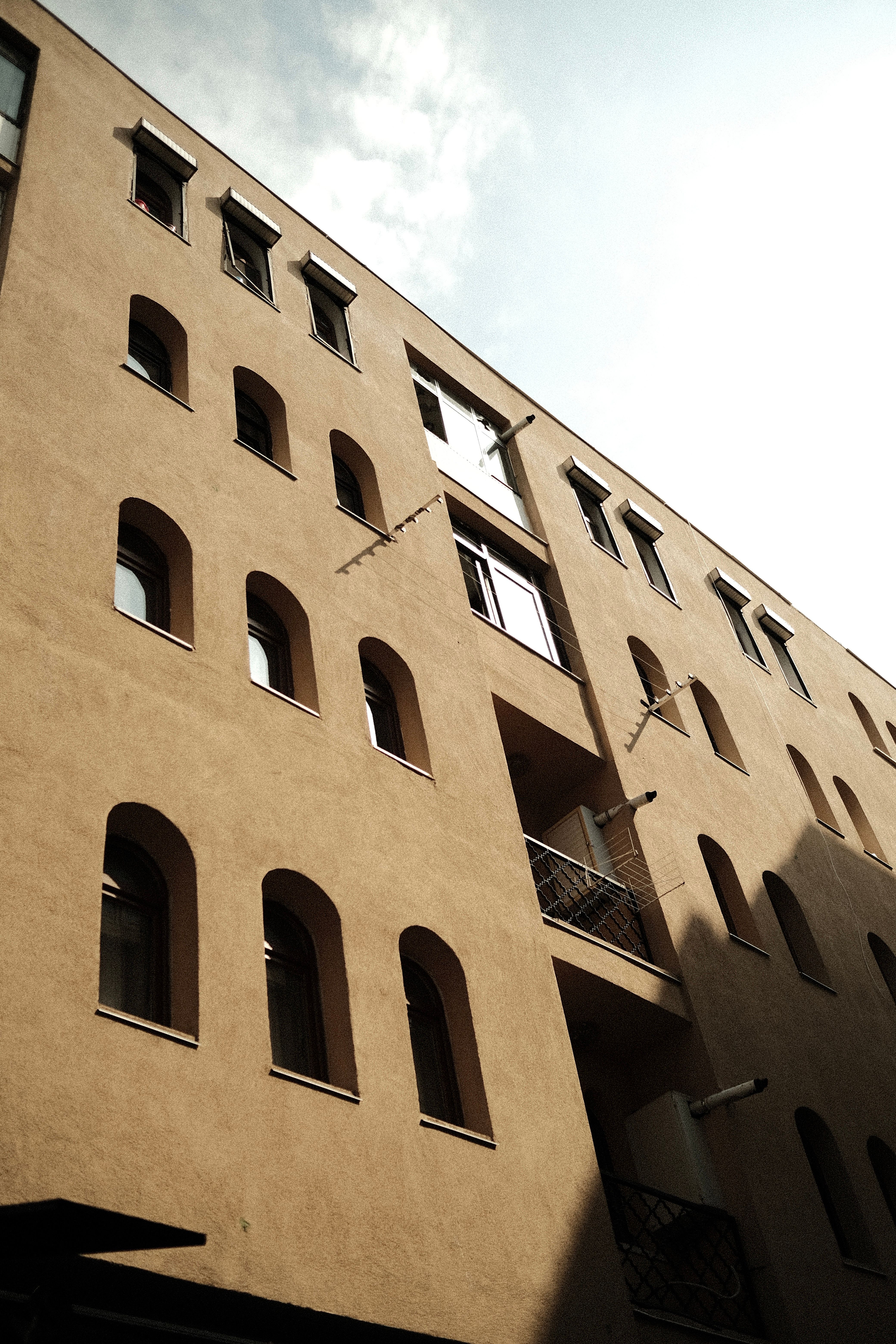
Start by looking for long lines in the room. Floor boards, ceiling edges, shelves, and hallway edges should all lead inward. If the lines drift apart, move the camera instead of fixing the shot later. A small step left or right can bring the whole room into balance.
What are common mistakes in one-point perspective?
The most common mistakes are camera tilt, an off-center vanishing point without a plan, and clutter that blocks the main lines. These problems make a small room feel even smaller.
Another problem shows up with a lens that is too wide and a shooting position that is too close. Furniture warps, and near objects crowd the edges of the frame.
Watch for these problems

- Camera tilt that makes walls lean.
- Too many objects that break the line to the center.
- Bright lamps mixed with window light.
- Over-cropping that removes depth cues.
- Standing too close with an ultra-wide lens.
Perspective also slips when you fight the room instead of working with it. If the sofa blocks the line or the table cuts the frame in half, move the object or change your angle. Keeping the sensor parallel to the wall helps a lot. One habit often fixes more than editing later can.
Is 1 point perspective good for beginners?
Yes, it’s a strong place to start because the rules are easy to see. Beginners can spot straight lines, find the center, and learn quickly from each frame.
This method gives fast feedback. If the room looks off, the reason is usually obvious, such as tilt, clutter, or a poor camera position.

Why it builds skills fast
It teaches framing, line control, and space reading in one exercise. Those skills carry over to bedrooms, kitchens, hallways, and studio corners. It also builds confidence with interior scenes. Once you can make a tiny apartment look open, larger rooms feel much easier to handle.
For practice, use a 16–35mm lens and shoot a few frames from the same spot. Then move only a foot or two and compare how the depth changes.
What are the 7 types of perspective?
The seven types are one-point, two-point, three-point, aerial, linear, forced, and overlap perspective. Each one changes how depth feels in a frame, and each serves a different purpose.

For small apartments, one-point and two-point linear views matter most. They keep rooms readable and make space feel clear.
How they differ in practice
- One-point: one vanishing point, best for halls and straight rooms.
- Two-point: two vanishing points, useful for corner views.
- Three-point: adds height or drop, often used for dramatic angles.
- Aerial: far objects look lighter and softer.
- Linear: lines guide the eye into depth.
- Forced: size and space are altered on purpose.
- Overlap: one object blocks part of another to show depth.
Knowing these types helps you choose the right look before you shoot. In a tiny apartment, the cleanest result usually comes from one strong line system rather than too many effects at once.
Editing moves that keep the illusion intact

Good edits should support the frame, not rebuild it from scratch. Start by straightening verticals, then fine-tune crop, exposure, and color. Lightroom makes this easy with crop and transform tools. Photo Mechanic helps with fast culling, especially when you shoot several versions from the same spot.
Simple post steps that work
- Straighten the horizon first.
- Check wall edges for lean.
- Crop only after the lines feel right.
- Lift shadows a little, but keep window detail.
- Warm or cool the color so the room feels natural.
Keep highlights under control near windows. If the view outside blows out, the room often feels flatter and less spacious.
Noise can rise fast in dark apartments, so watch your ISO. A clean file at ISO 800 often looks better than a muddy file pushed too hard later.

Tiny apartments need calm framing, clear lines, and careful light. One-point perspective photography can make a small space feel open, balanced, and easy to move through. Next time you shoot a room, start with the center line, keep the camera level, and test a 16mm to 20mm view before you refine the shot.
Frequently Asked Questions
What are the three rules for one-point perspective?
The three rules for one-point perspective are to keep the camera level, keep the camera sensor parallel to the wall you face, and place the vanishing point near the middle of the frame. These steps keep straight lines straight and create a calm, even sense of depth.
What are common mistakes in one-point perspective?

Common mistakes in one-point perspective include tilting the camera, shooting too wide so lines bend, and letting objects block the central sight line. Open doors, chair backs, and uneven light can also interrupt the clean perspective and make the room feel busier.
Is 1 point perspective good for beginners?
Yes, one-point perspective is good for beginners because it is simple to read and easy to control. A level camera, a clear center line, and a wide-angle lens give a strong result without complex composition.
What are the 7 types of perspective?
The seven types of perspective are one-point perspective, two-point perspective, three-point perspective, aerial perspective, forced perspective, linear perspective, and curvilinear perspective. One-point perspective uses a single vanishing point to make interior spaces feel orderly and spacious.


