


- Use structured fabrics and a low-angle view to make outfits look longer and sharper.
- Freeze wind with faster shutter speeds and enough depth of field to keep garments crisp.
- Prime your shoot with pressing, hands-free gear, and minimal ISO to preserve texture.
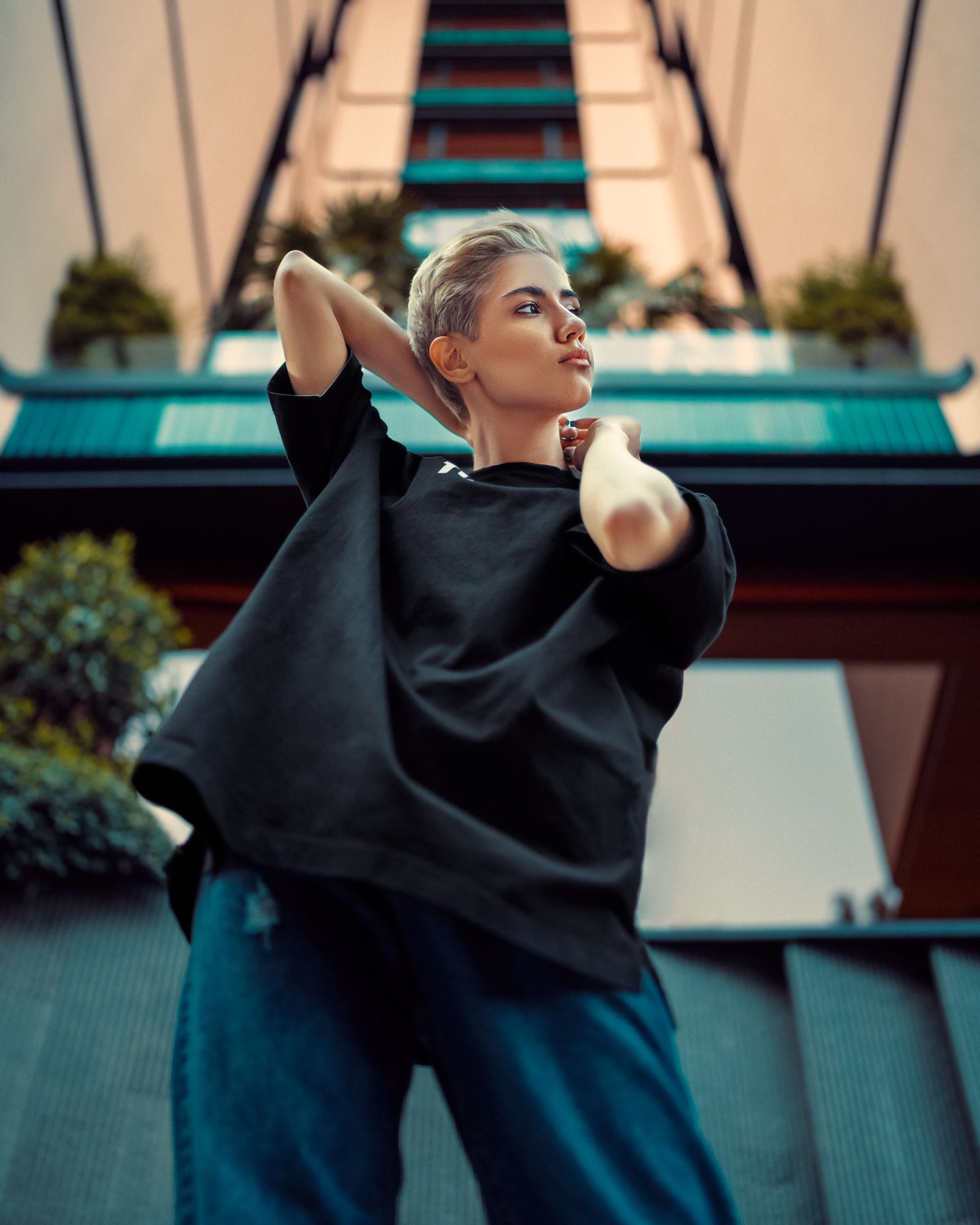
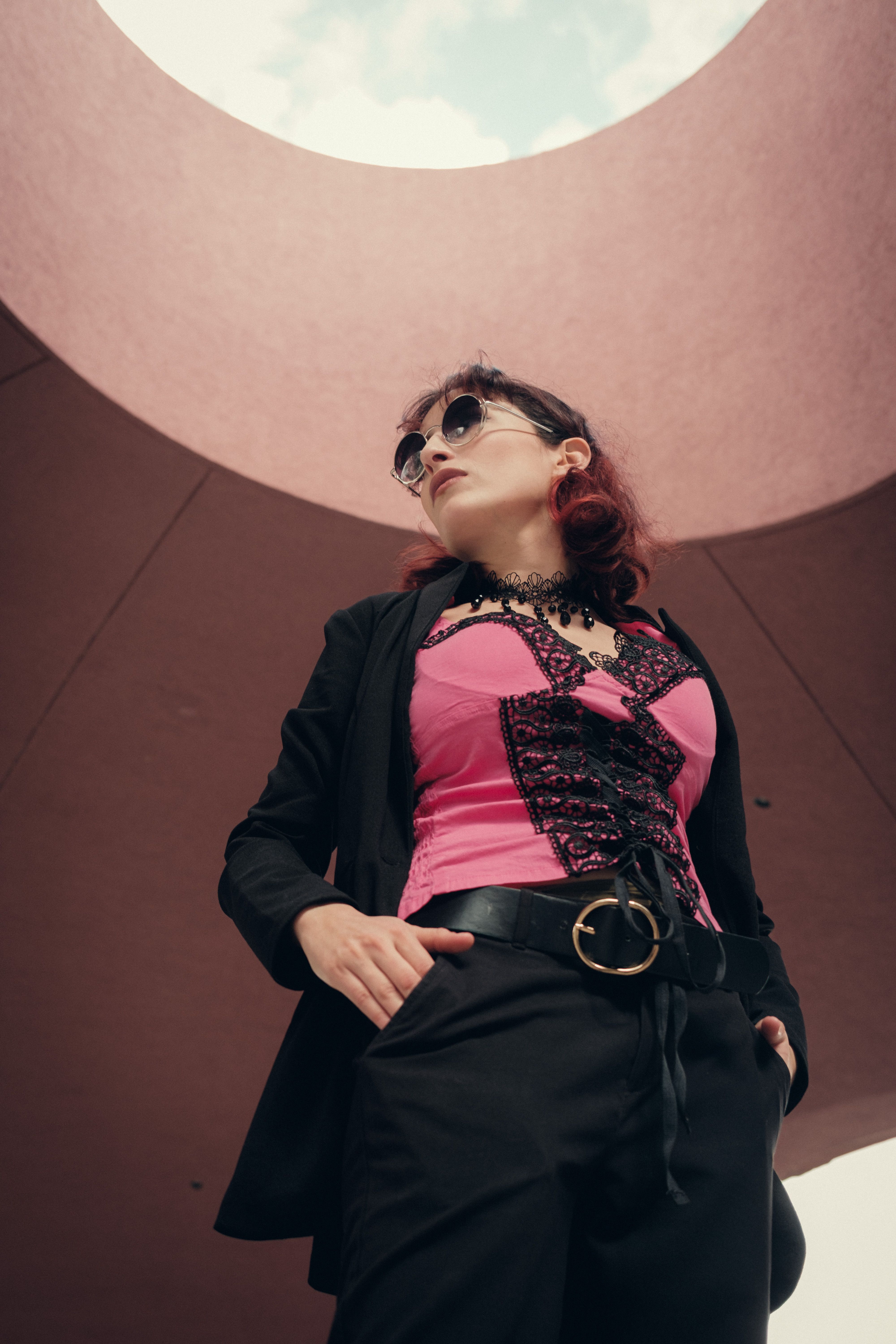
Low-angle photography places the camera below the subject and points it upward. For outdoor outfit work, that angle can lengthen the body, sharpen the pose, and give clothes more presence in frame.
Shop the setup

- Regular price
-
€42 - Regular price
-
€44 - Sale price
-
€42
By choosing the Camstrap strap, you are opting for a high-quality product designed to meet the needs of the most demanding photographers.
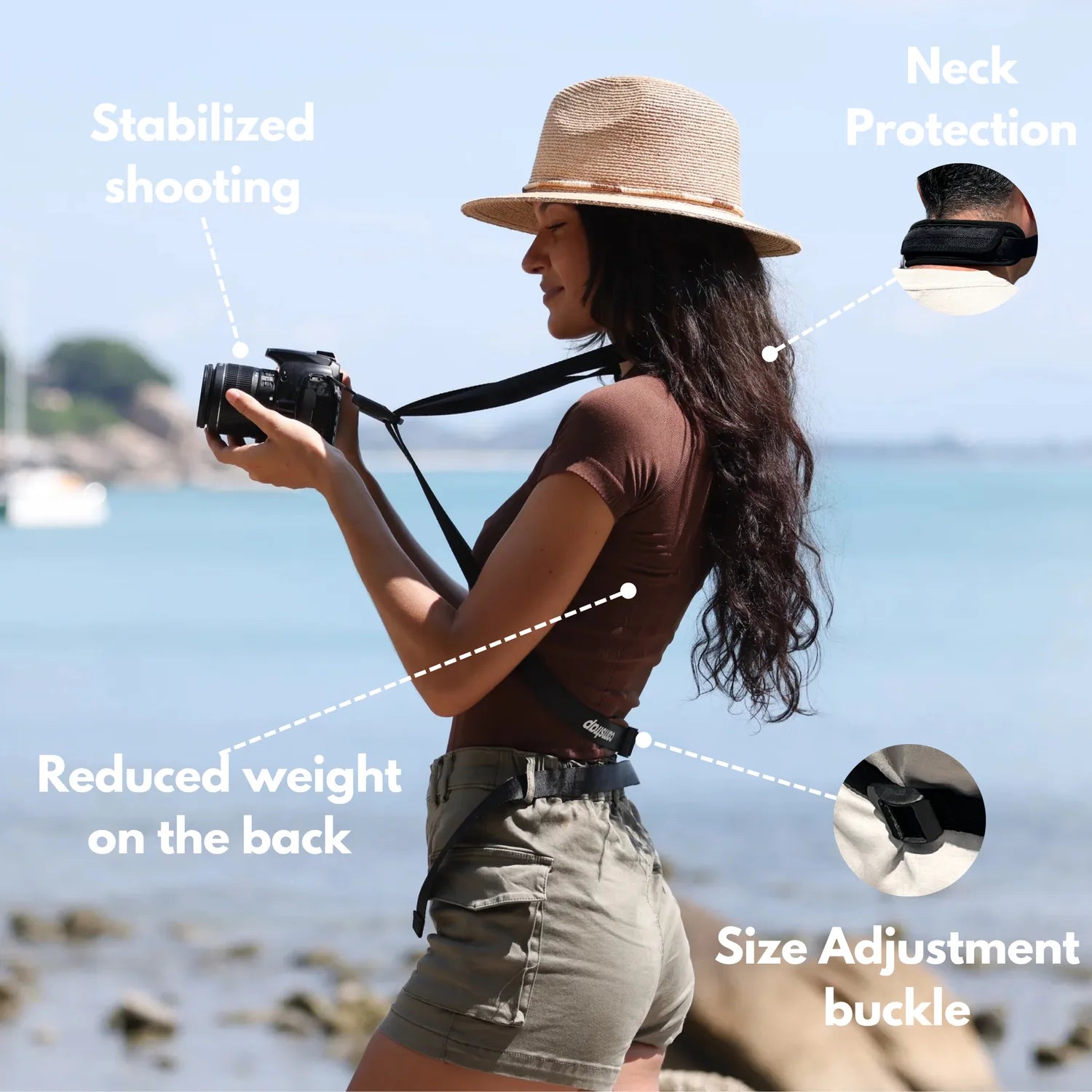
- Developed by a physiotherapist to relieve neck and back pain.
- Fast delivery with tracking by the Post Office 🚚
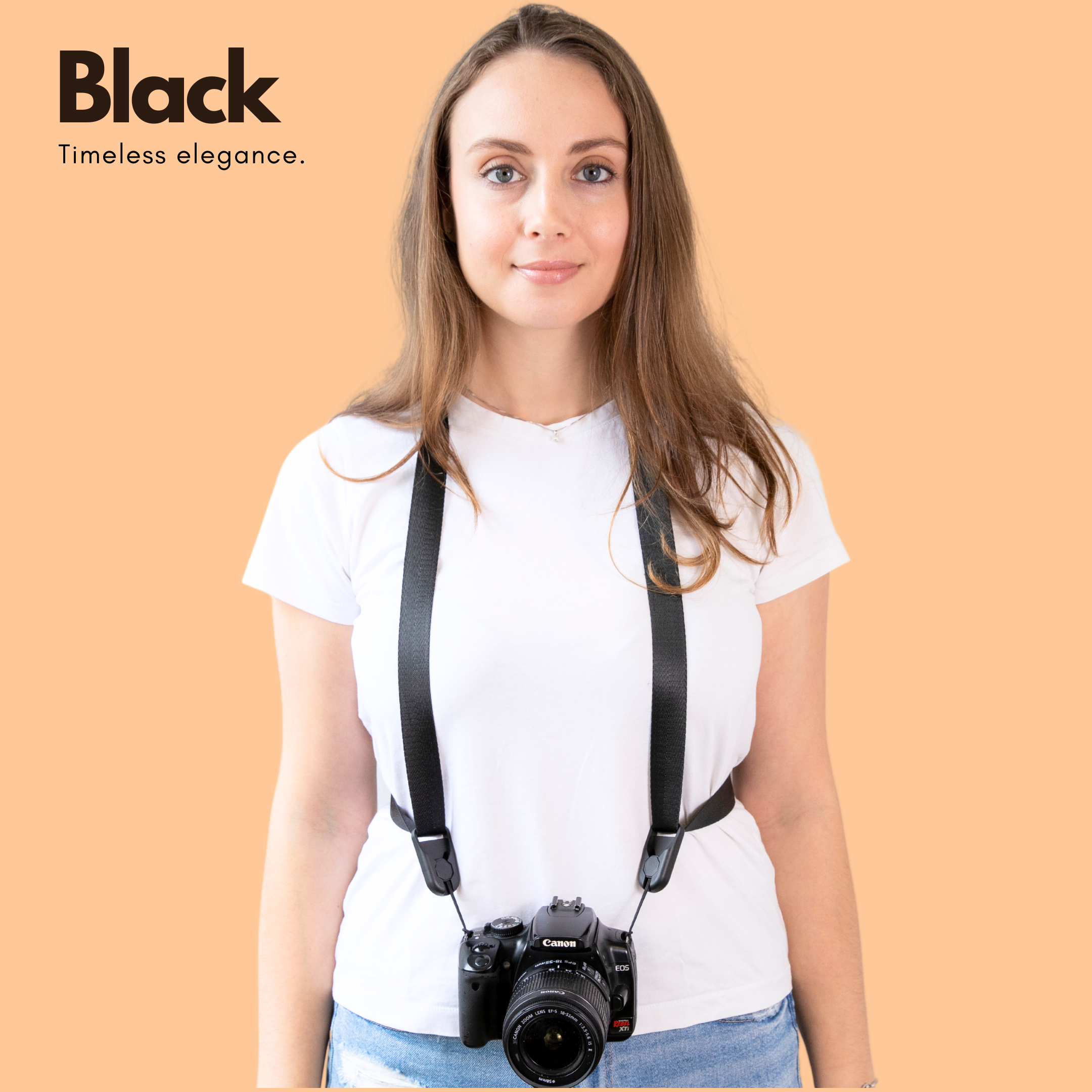
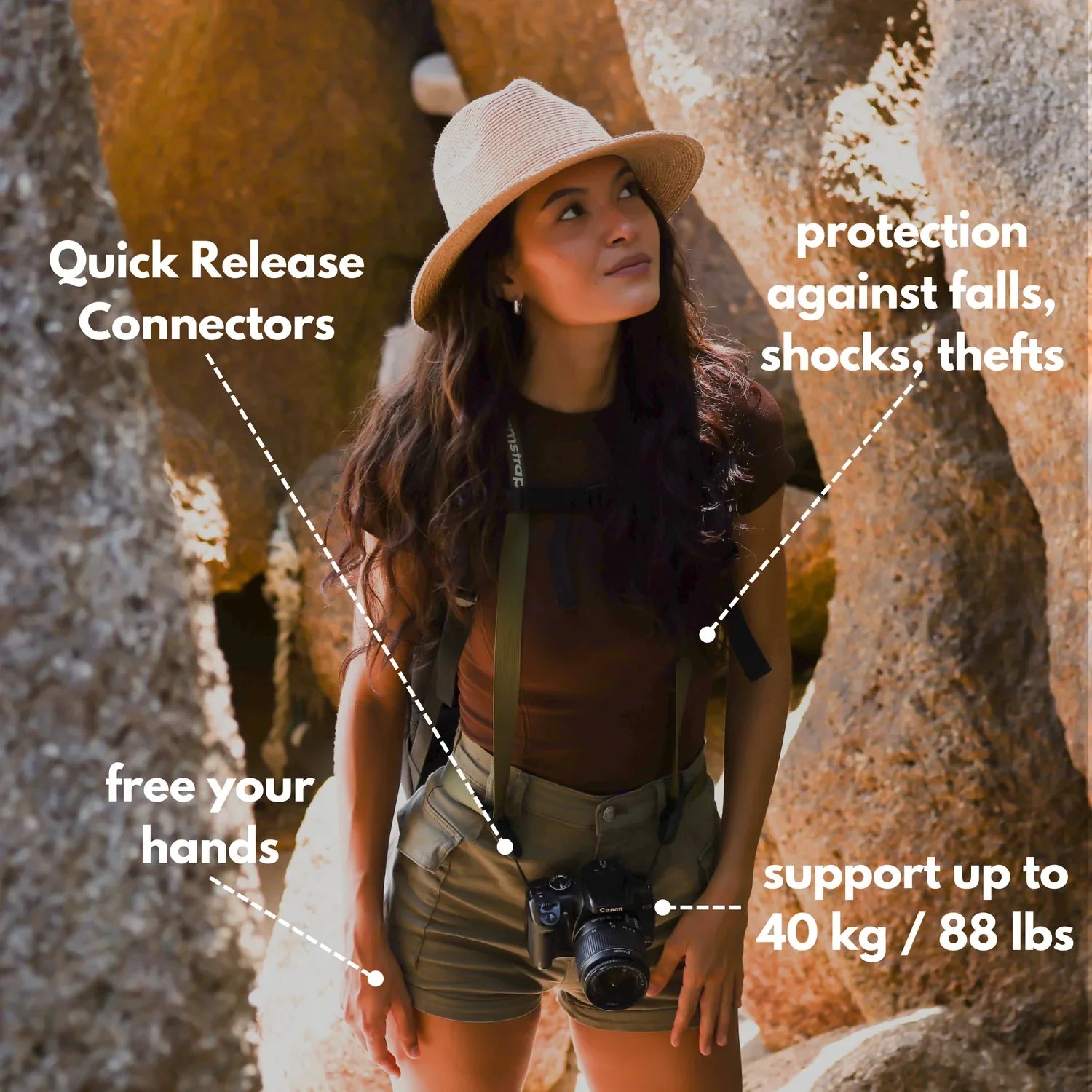
- Can be used as a shoulder strap or hands-free harness

- Regular price
-
€36 - Regular price
-
€42 - Sale price
-
€36
Free shipping included
Why sharp outfit detail starts before the camera comes out
Outfit photos hold up when the setup is right before the first frame. Sun, wind, and long walks can soften cloth lines fast, so planning carries as much weight as camera settings.
Begin with fabric choice, fit, and prep. Bright outdoor light shows wrinkles easily, and loose hems move more in the wind.

Choose clothing that keeps its shape
Heavier fabrics usually look cleaner on location because they hang well and crease less. Structured jackets, denim, twill, and thicker knits keep edges clear when a breeze picks up. Steam or press garments before the shoot, then hang them between locations. A simple garment bag or clean cover keeps dust off hems and shoulders.
Pack for movement, not just storage
A hands-free strap helps because it keeps the camera ready while you move between spots. A Camstrap Voyager can fit that role well, since the weight stays stable and your hands stay open for jackets, hair, and quick fixes.
Outdoors, you may need to walk, crouch, and raise the camera in seconds. Less fumbling means fewer chances for outfits to shift or wrinkle.
Camera settings that keep fabric edges clean
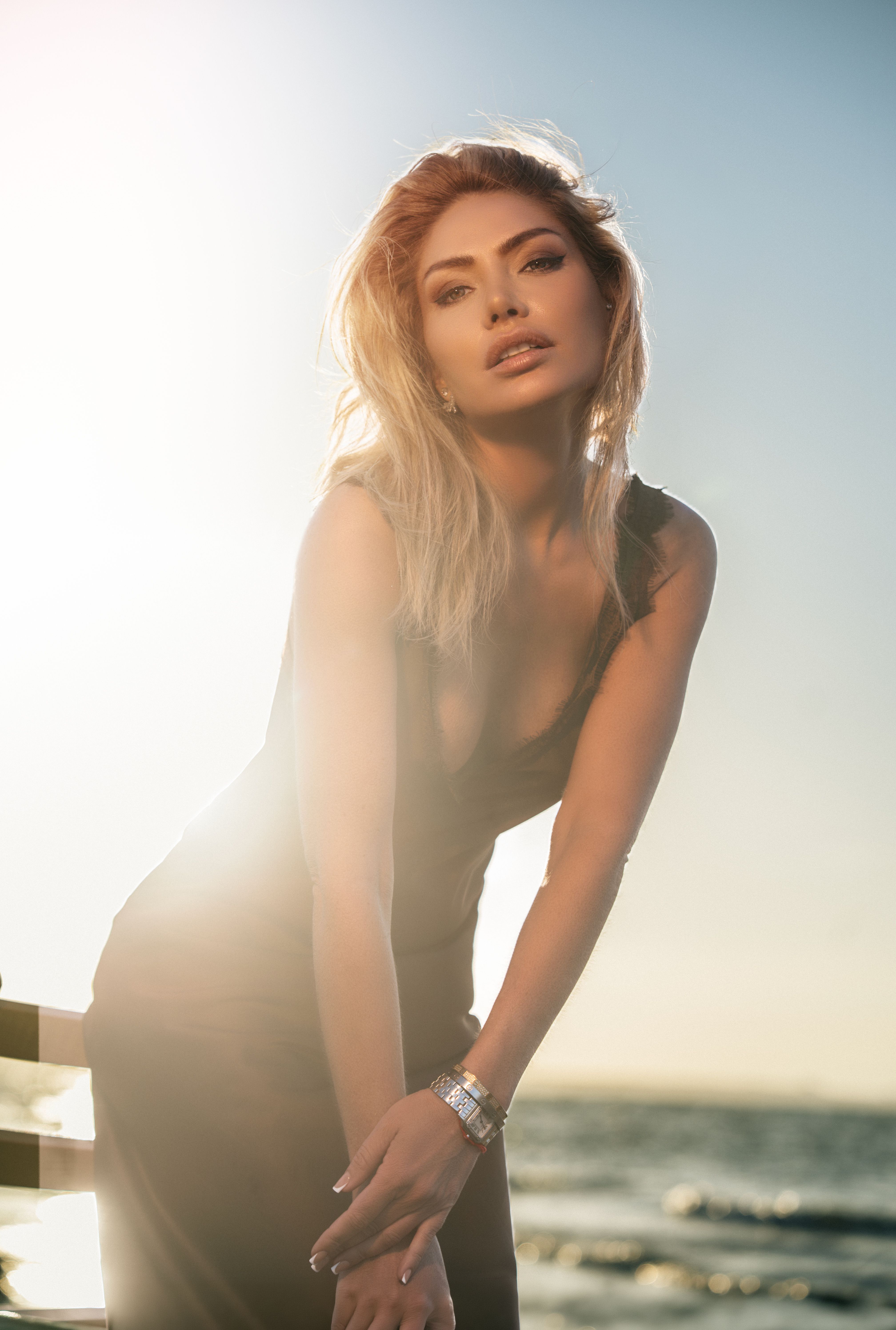
Sharp outfit detail depends on balanced exposure. For outdoor fashion work, a moderate aperture often gives the best result because it keeps more of the garment in focus while still softening the background. Canon’s guidance fits this well. It suggests f/2.8 to f/4 for portrait looks with soft backgrounds, and f/5.6 to f/8 when you need more of the outfit sharp.
Use shutter speed to freeze motion
Wind moves sleeves, hems, and hair. On busy outdoor sets, faster shutter speeds freeze that motion and keep clothing edges crisp.
Canon lists 1/125 to 1/250 s as a standard range for fashion portraits, and 1/500 s or faster for movement, runway, or street-style work. If the subject keeps walking or turning, that faster range protects fine detail.
Handheld shooting adds another rule. Keep shutter speed at least as fast as the reciprocal of the focal length, so an 85 mm lens calls for 1/85 s or faster.
Keep ISO low unless the light forces a tradeoff
Low ISO values help preserve cloth texture and reduce noise. A practical outdoor baseline is ISO 100 to 400, which gives clean files and better skin and fabric detail. If clouds move in or shade gets deep, raise ISO before shutter speed drops too far. A little grain is easier to fix than blur on a crisp jacket edge.
Focus mode matters more than many people think
Use continuous AF, also called AF-C or AI Servo, with eye or subject detection. That combination keeps the subject locked as they shift weight or turn their body.
Back-button focus gives even more control. It lets you lock focus once, then reframe without the camera hunting again after every small movement.
How to move through a long outdoor shoot without losing sharpness
Long days outdoors test both the camera and the clothes. Heat, walking, and repeated posing can make outfits sag, sweat, or twist, so the pace needs structure. Work in short, focused bursts. That keeps the subject fresh and gives you time to smooth a collar, fix a cuff, or reset a hem before the next frame.
Watch the light, then place the body
Open shade often gives the cleanest texture because it avoids harsh shadow cuts. Direct sun can work too, but it can create deep face shadows and bright cloth highlights.
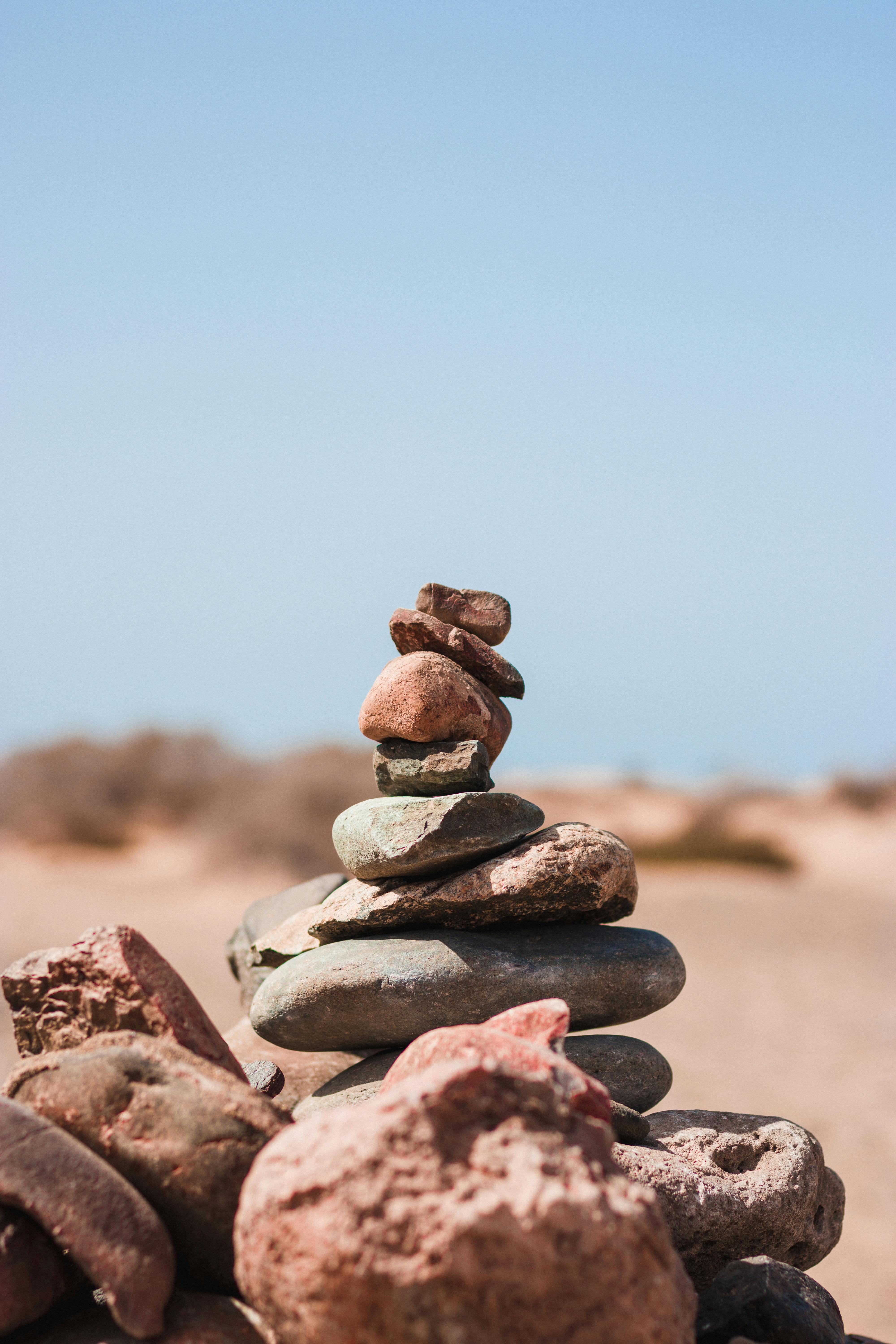
Place the subject so the light hits the main fabric surface, not just the edge. That small shift can make seams, folds, and layers easier to read.
Use the right capture mode for the moment
Single-shot mode works well for posed looks with still clothing. Continuous shooting helps when the subject walks, turns, or lets a coat move in the wind. Many modern mirrorless bodies shoot around 10 fps in mechanical mode, while electronic shutters can reach 20 to 40 fps. The tradeoff is rolling-shutter skew or banding under some LED and fluorescent lights.
A quick 3 to 6 frame burst is usually safe on a modern body, while deeper bursts depend on buffer depth and card speed. Mid-tier cameras often give around 20 to 40 RAW frames before they slow, and RAW files fill the buffer faster than JPEGs.
Match the card to the pace of the shoot
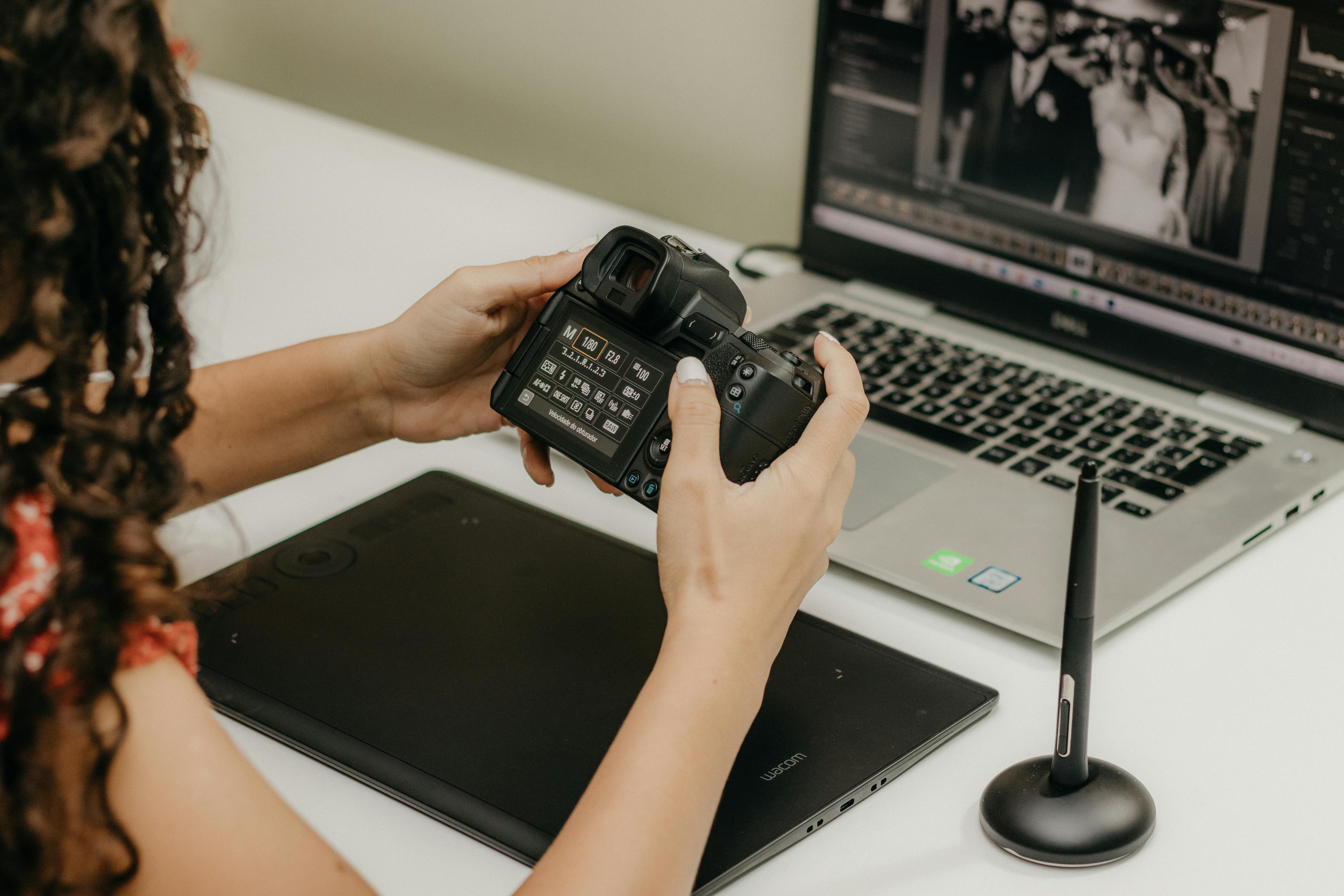
Fast cards matter when you shoot long bursts or keep the camera writing in the background. UHS-II cards with V60 or V90 speed ratings move files far faster than UHS-I cards, and CFexpress is faster still.
That speed helps the buffer clear while you keep working. It also shortens the pause after a burst, which matters when a pose changes fast.
What low-angle framing does to the subject
A low-angle shot can make the subject look stronger, taller, and more in control. The effect comes from how people read size and position. When the camera sits below eye level, the viewer feels the subject has more presence.
For outfit work, that can add authority to a stance and make a coat, dress, or suit feel more dramatic. The pose looks less casual and more deliberate, which suits fashion storytelling.
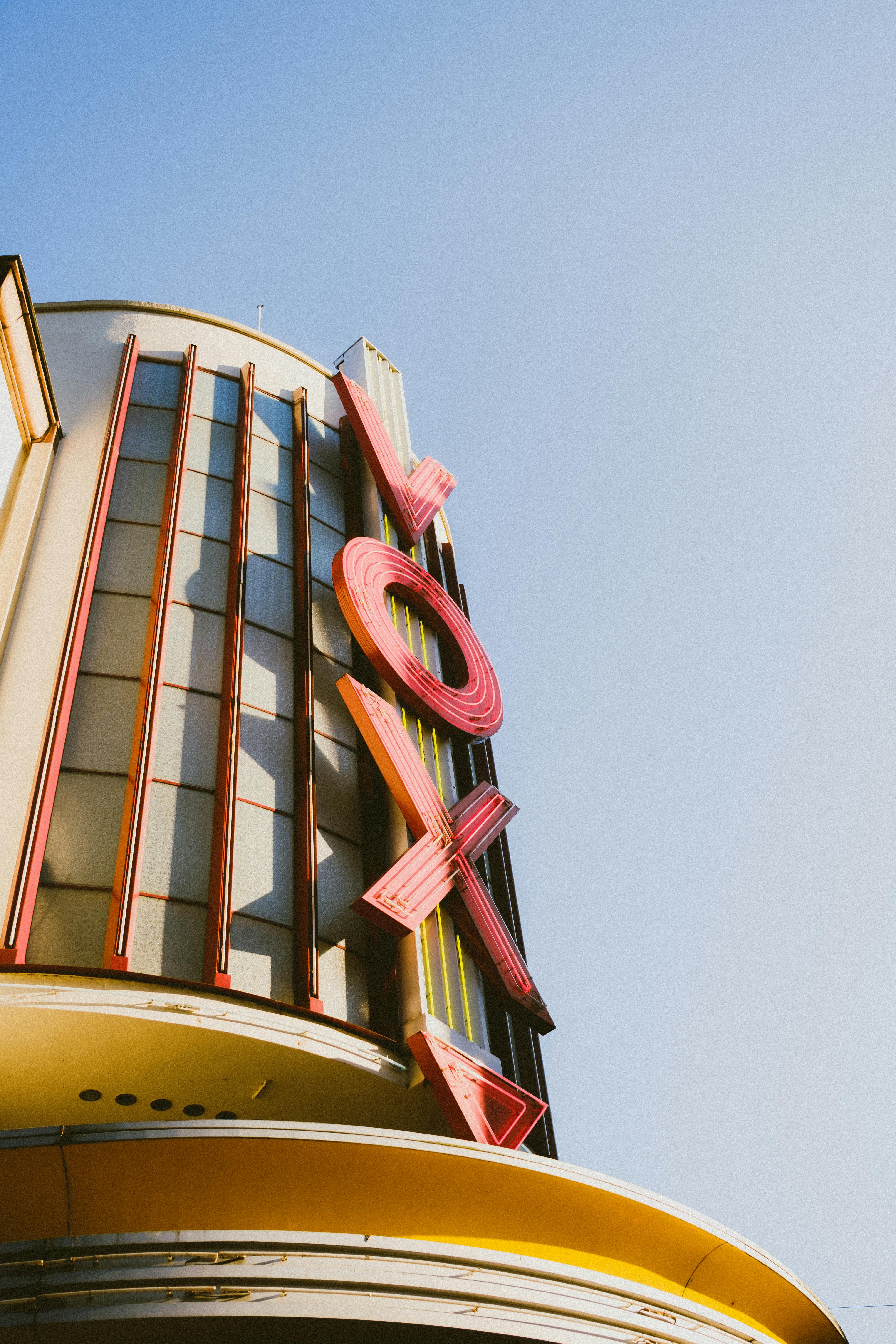
A well-known low-angle reference
One famous example is the Darth Vader reveal in The Empire Strikes Back, where the camera angle adds power and threat.
In fashion, the same idea can make a model feel statuesque. The angle does not just show clothing; it changes how the viewer feels about the look.
What low angle photography gives you
Low angle photography adds height, drama, and shape to a frame. It can also help clothing look more sculpted. A jacket hem can stretch the body line, and long pants can feel cleaner when the camera points up from below.

Still, the angle works best with control. If the chin rises too high or the lens is too wide, hands, feet, or fabric can distort in ways that feel awkward.
- It makes the subject look taller and more confident.
- It helps long garments lead the eye upward.
- It can separate the subject from a cluttered background.
- It gives street-style and fashion images more energy.
A 50 mm to 85 mm lens is a strong range for this look. It keeps body lines natural while still letting the angle do its work.
What the 20 60 20 rule means in practice
The 20 60 20 rule means the strongest part of the frame should take about 20% of the visual weight, the middle 60% should support it, and the last 20% should keep balance.
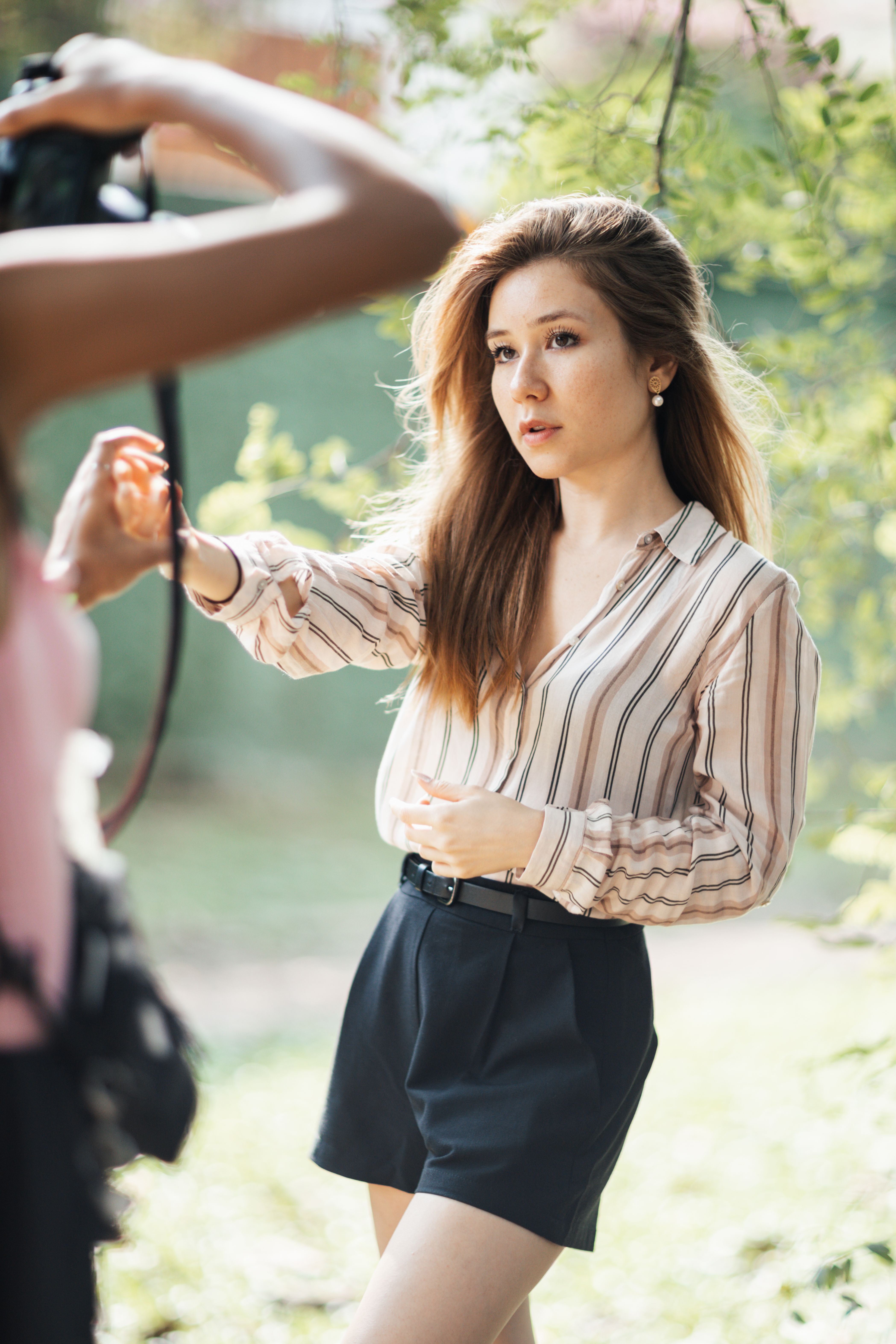
In outfit work, that can guide where you place the subject, the background, and the open space. A strong coat line or face may take the first 20%, while the body and main pose fill the center.
This rule helps outdoors because scenes get busy fast. When a wall, tree, or street sign competes with the outfit, that simple split keeps the frame clean.
How to keep the final edit clean after a full day outside
Editing should fix small problems, not rescue a weak shoot. Start by sorting only the frames with clean posture, straight lines, and sharp cloth detail. Lightroom or Photo Mechanic works well for this kind of cull. Use pick and reject flags first, then make only small exposure and color changes.
- Flag the sharpest frames first.
- Reject frames with wind hits, bent hems, or bad hand placement.
- Check fabric texture at 100% before you export.
- Trim highlights if bright cloth parts are near clipping.
- Keep skin and fabric color close to real life.
One last check helps a lot. Zoom in on cuffs, collars, and hems before export, because those are the spots that usually show wear first.
Outfit photos stay crisp when the shoot stays calm, the settings stay fast, and the camera keeps moving with you. Use a steady angle, hold shutter speed high, and keep the subject’s shape clean from the first frame to the last.
For an all-day outdoor session, pack one clean backup outfit, shoot at ISO 100 to 400, and review the sharpest hemline shot before moving to the next location.
Frequently Asked Questions
What is a famous example of a low-angle shot?
The low-angle shot in Citizen Kane is one of the most famous examples of this technique. It was used to make characters appear powerful and imposing by placing the camera below them and aiming upward.
What is the 20 60 20 rule in photography?
The 20-60-20 rule in photography is a composition guideline that splits attention into three parts: 20% for the strongest subject or focal point, 60% for the supporting middle area, and 20% for the remaining space. It helps balance visual weight and keep the viewer’s eye moving through the frame.
What is the psychology of a low-angle shot?
A low-angle shot makes the subject feel larger, stronger, and more dominant because the viewer is looking up at them. It can also add drama and authority by giving the subject more visual presence.
What are the benefits of low angle photography?
Low angle photography can lengthen the body, sharpen the pose, and make clothing look more prominent in the frame. It also adds a sense of power and can create a more dramatic, impactful composition.


