


- Use burst mode to fire a quick frame sequence and catch the cleanest peak moment.
- Burst mode shoots several photos per press, boosting your odds when dancers and crowds move fast.
- It won’t fix bad timing, but burst mode can turn one near-miss into a sharp keeper.
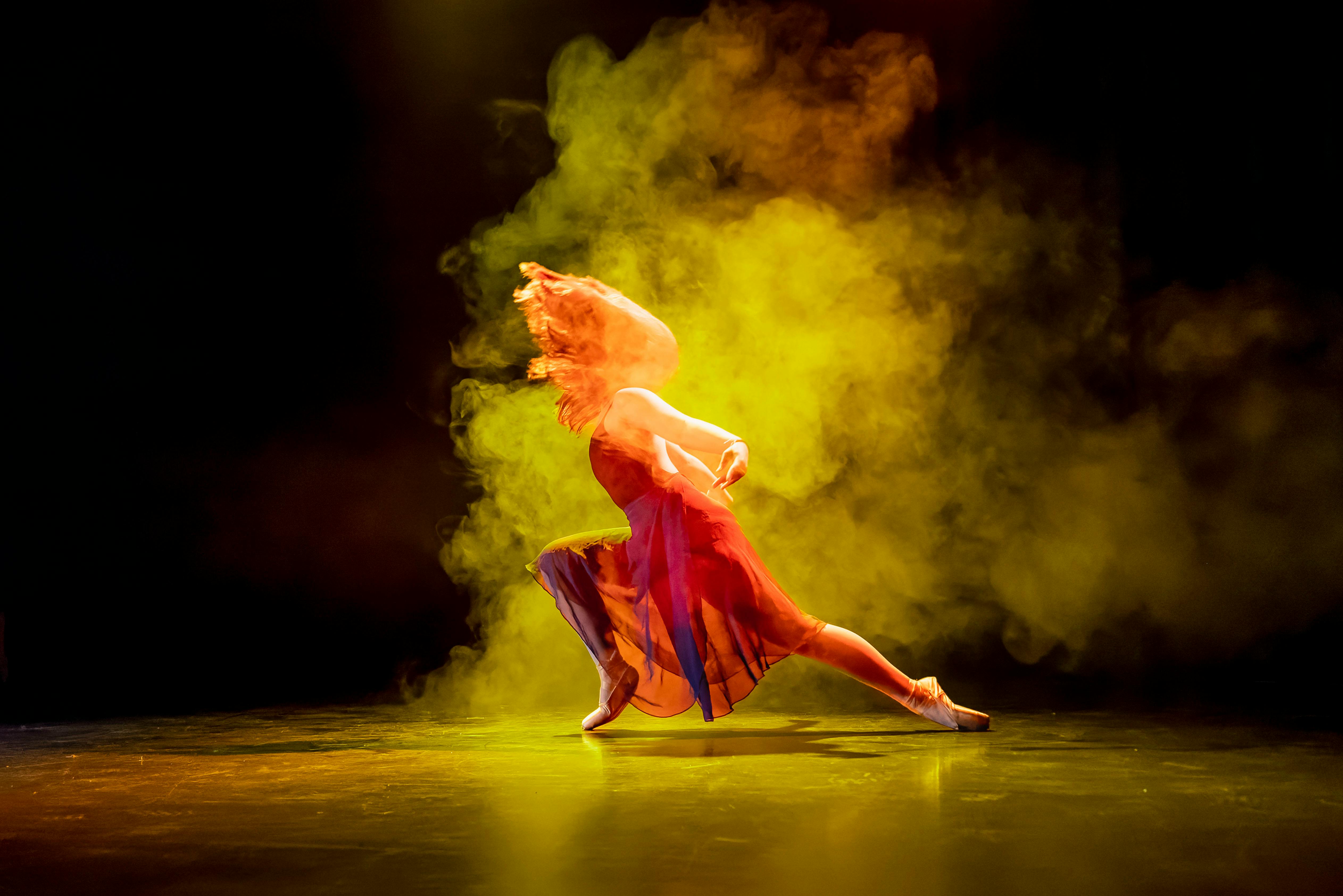
Burst mode records several frames while you hold the shutter down. In crowded dance rooms, it improves your odds of catching the exact instant of a fast move, even when someone cuts across your view.
The real challenge is the room’s pace. Light shifts in a blink, space is tight, and dancers rarely repeat a pose. With the right settings, a carry setup that stays out of the way, and sharp timing, more frames stay usable.
The floor changes faster than you can step
Dance floors are difficult because the subject keeps moving while the light keeps shifting. A dancer can turn into a beam of light, then disappear into shadow a second later. A clean first frame often beats a long sequence. A short burst, timed well, can catch the leap, spin, hair whip, or hand gesture at its peak.
What makes crowd work so difficult
People pass in front of the lens. Arms slice through the frame. Drinks, phones, and bright signs can pull autofocus off target.
Blur shows up quickly, too. Dance guidance often puts crisp action at 1/500s or faster, and slower speeds can smear hands, feet, and faces.
Why a hands-free carry setup helps
A camera hanging ready at your side is easier to use in a packed room. Lift it, frame once, and fire before the opening closes.
A secure strap makes that possible. A hands-free option like Camstrap camstrap voyager keeps the body close, spreads the weight well, and makes a quick raise feel smoother when the crowd shifts.
Settings that keep motion crisp
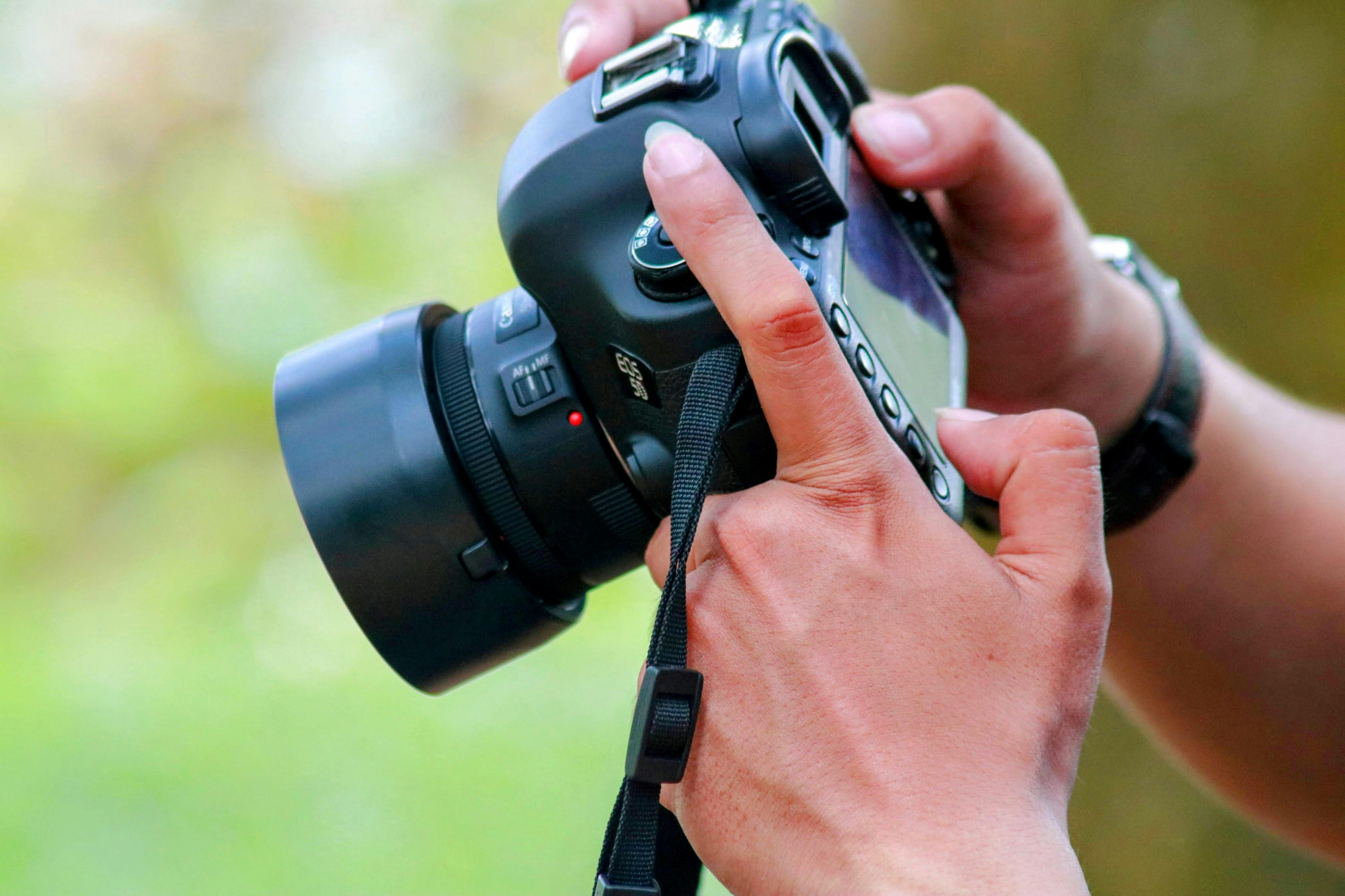
Sharp dance images start with shutter speed, then move to focus, aperture, and ISO. If one slips, the frame goes soft. For most crowded venues, I start in manual exposure or shutter priority. Stage lights can fool auto modes from shot to shot, so I want tighter control.
Use a fast shutter first
1/500s is a solid floor for clean dance action. Faster moves may need 1/800s or 1/1000s, especially for hands, hair, and jumps.
A faster shutter pushes ISO higher in dim rooms. The tradeoff is normal, and it is better than losing the moment to blur.
Keep depth of field practical
Apertures around f/2 to f/2.8 work well in many clubs and small venues. They admit more light and still leave enough depth to keep a face sharp. Wide open can help, but focus gets thin. Shoot close to the stage and a dancer can drift out of the sharp zone during a spin.
Choose an ISO you can live with
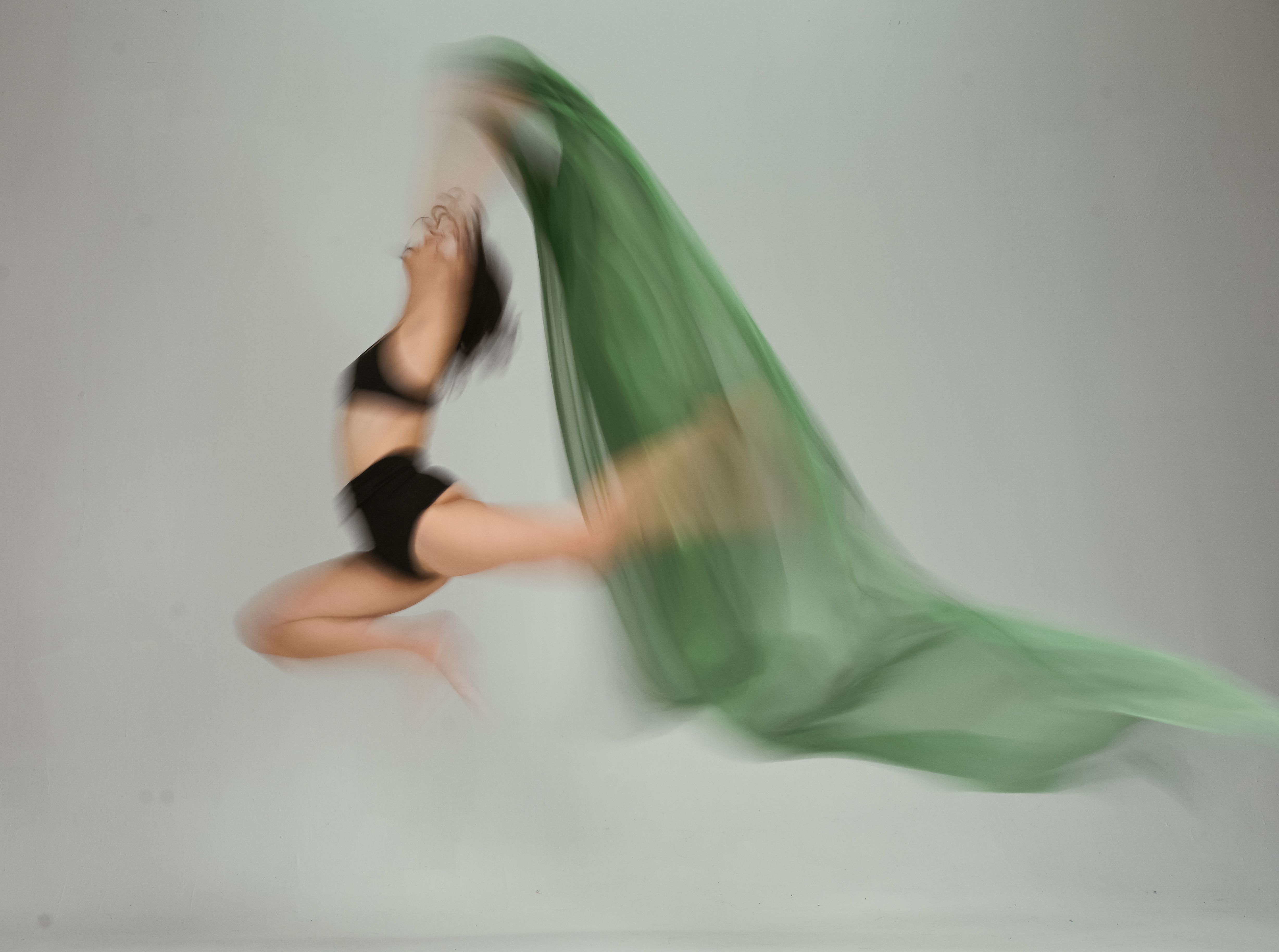
Modern cameras handle high ISO well, though every body has its limit. I would rather shoot at ISO 3200 or 6400 with a sharp face than chase clean noise with a blurred frame.
For mixed light, set auto ISO with a ceiling you trust. The camera then avoids dragging shutter speed down when the room gets darker.
How do you use burst mode on photos?
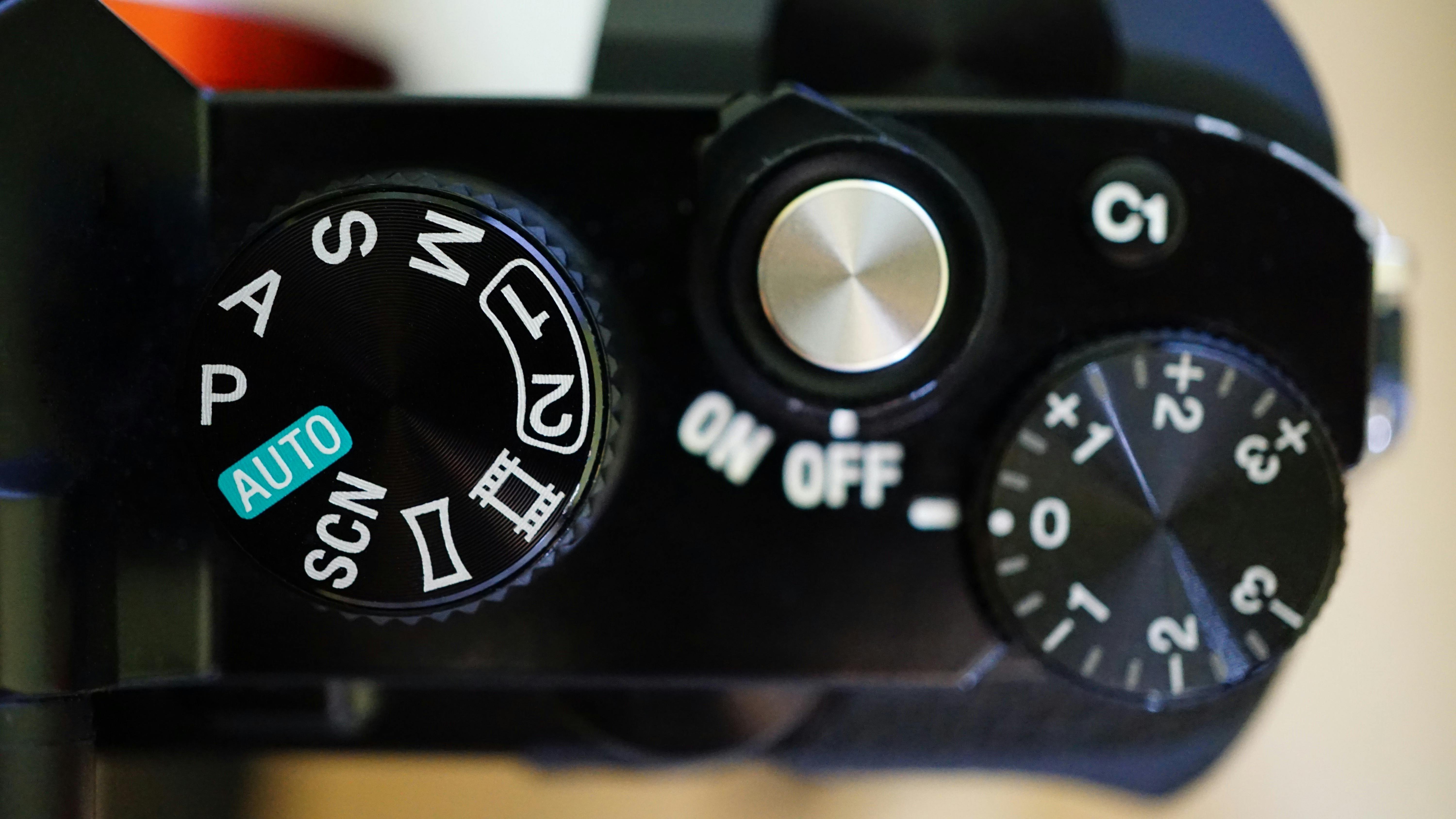
Set the drive mode to continuous shooting and hold the shutter button down. The camera fires a run of frames, which is useful when a dancer hits a brief peak. On many cameras, the setting sits in the drive menu or quick control menu. I switch to high-speed continuous when the action gets dense, then hold the shutter for a short run of 3 to 6 frames.
- Set the drive mode to continuous or high-speed continuous.
- Use continuous AF, such as AF-C or AI Servo, for moving subjects.
- Set the shutter speed to at least 1/500s.
- Pick an aperture near f/2 to f/2.8 if the light is low.
- Use a short press, not a long spray, unless the move is very fast.
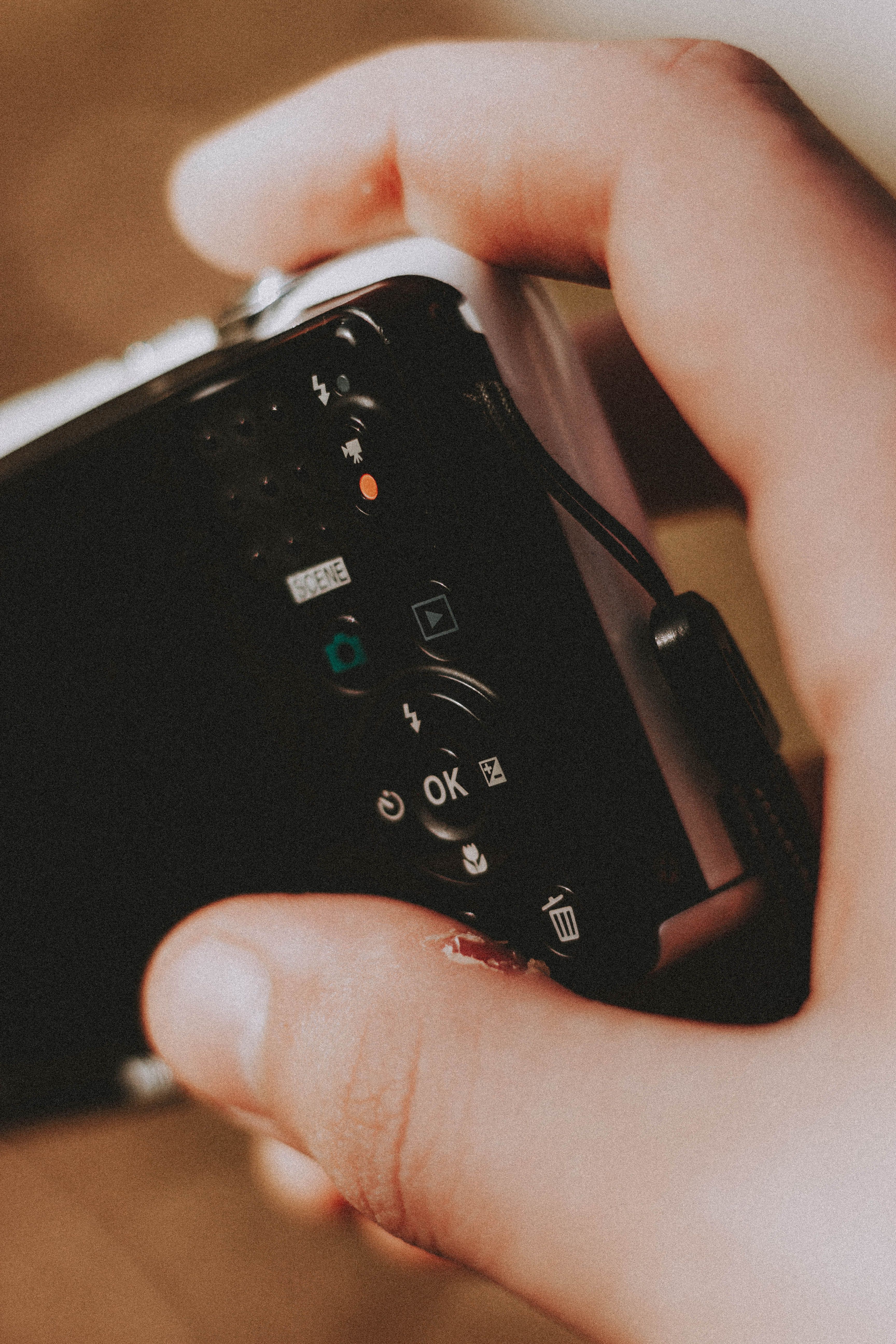
That short burst is often enough. Modern buffers handle it easily, so you do not need to empty the camera on every move.
Focus choices that matter more than people think
Continuous AF is the right base for dance scenes. Sony notes that its continuous modes can track subjects while the button stays down, and some modes support Continuous AF with subject tracking.
Back-button focus helps too. It separates focus from the shutter, so the camera keeps tracking while you time the shot with your index finger.
Does burst mode take better photos?
Burst mode can produce better dance photos because it raises your chance of catching the peak frame. It does not improve every frame, but it improves the odds when timing is hard. This helps most with fast turns, jumps, and crowded foregrounds. If a dancer’s face is hidden for half a second, a 10 fps sequence gives you more chances to land on the clean moment.
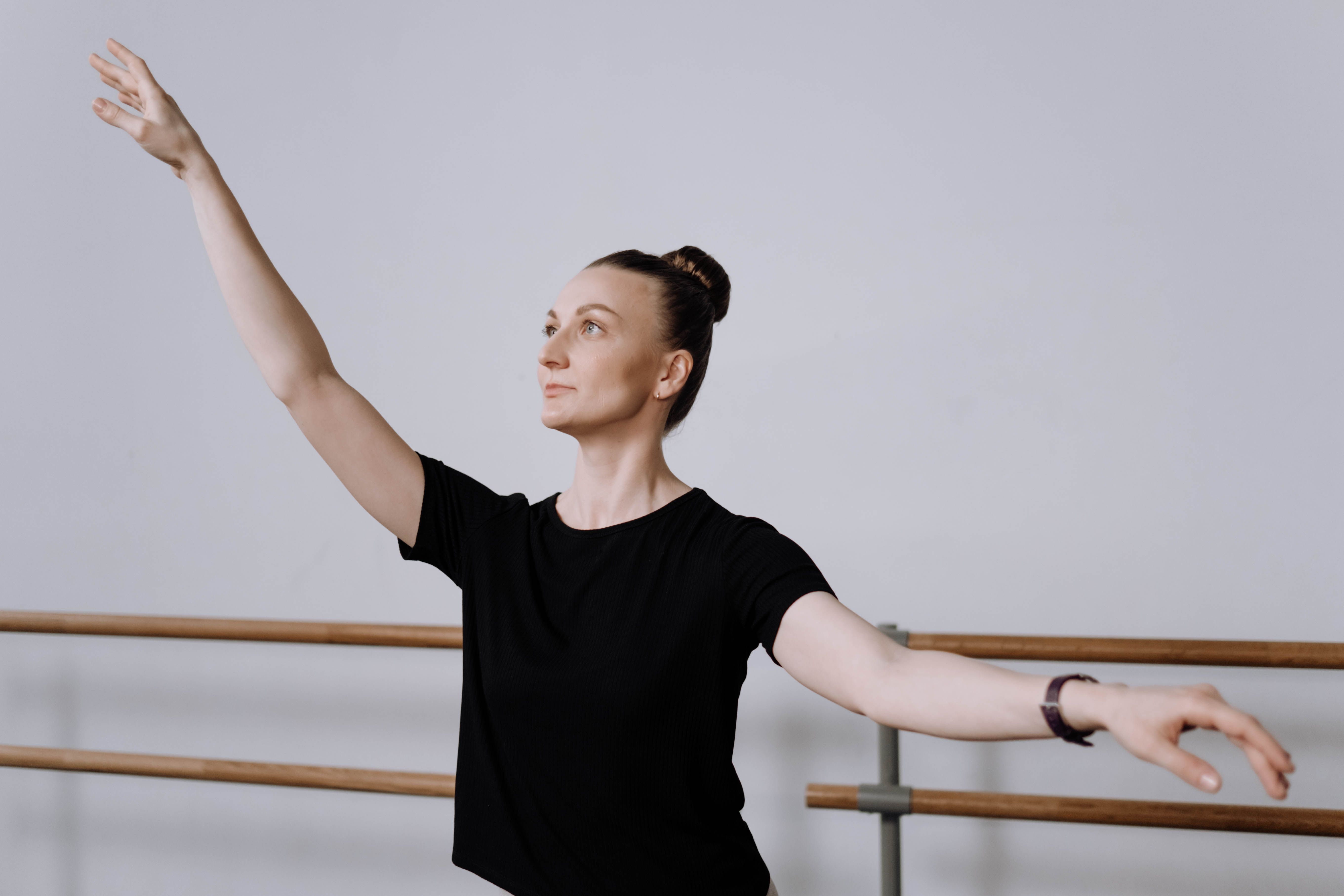
Where the gain really comes from
Timing is the main win. Nikon documents continuous shooting of up to 100 photographs in succession, which shows how useful burst shooting can be for action runs.
Canon’s RAW Burst mode can even start capture up to about 0.5 seconds before the shutter is fully pressed. Pre-capture helps when the move happens before your brain catches up.
When it does not help much
Burst mode will not fix bad focus or a slow shutter speed. At 1/125s, a burst still gives you several blurry frames. It also fails if you hold the shutter too long. A long spray fills the buffer, makes culling harder, and can miss the next moment on stage.
What is burst mode in photography?
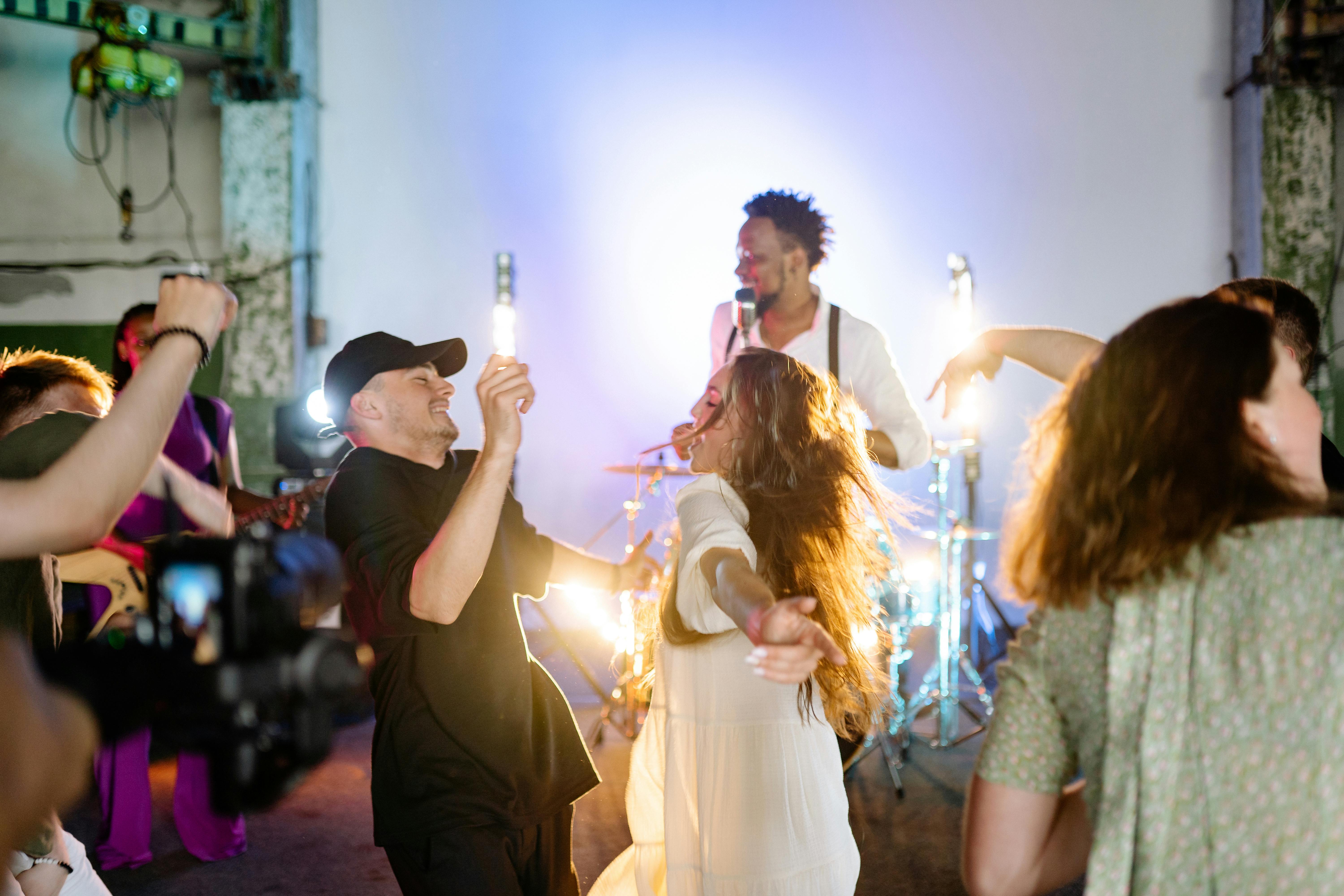
Burst mode is continuous shooting. The camera keeps taking frames while you hold the shutter button, which is useful for action, sports, and dance.
Brands label it differently, but the idea stays the same. FujiFilm, for example, lets you choose high-speed or low-speed burst rates and keep shooting until you release the shutter or fill the card.
Real frame rates and what they mean
Some Sony continuous modes shoot about 11 images per second, while another mode runs at about 2.5 images per second. That range shows why the right setting depends on the pace of the scene. In crowded venues, I prefer the faster setting for sharp peak moments. For slower dancing or wider gestures, a lower rate saves storage and feels steadier for focus.
Buffer depth changes the whole experience
Buffer depth controls how long the camera can keep firing before it slows. A mid-tier body often holds roughly 20 to 40 RAW frames before the pace drops, while JPEG can run much longer.
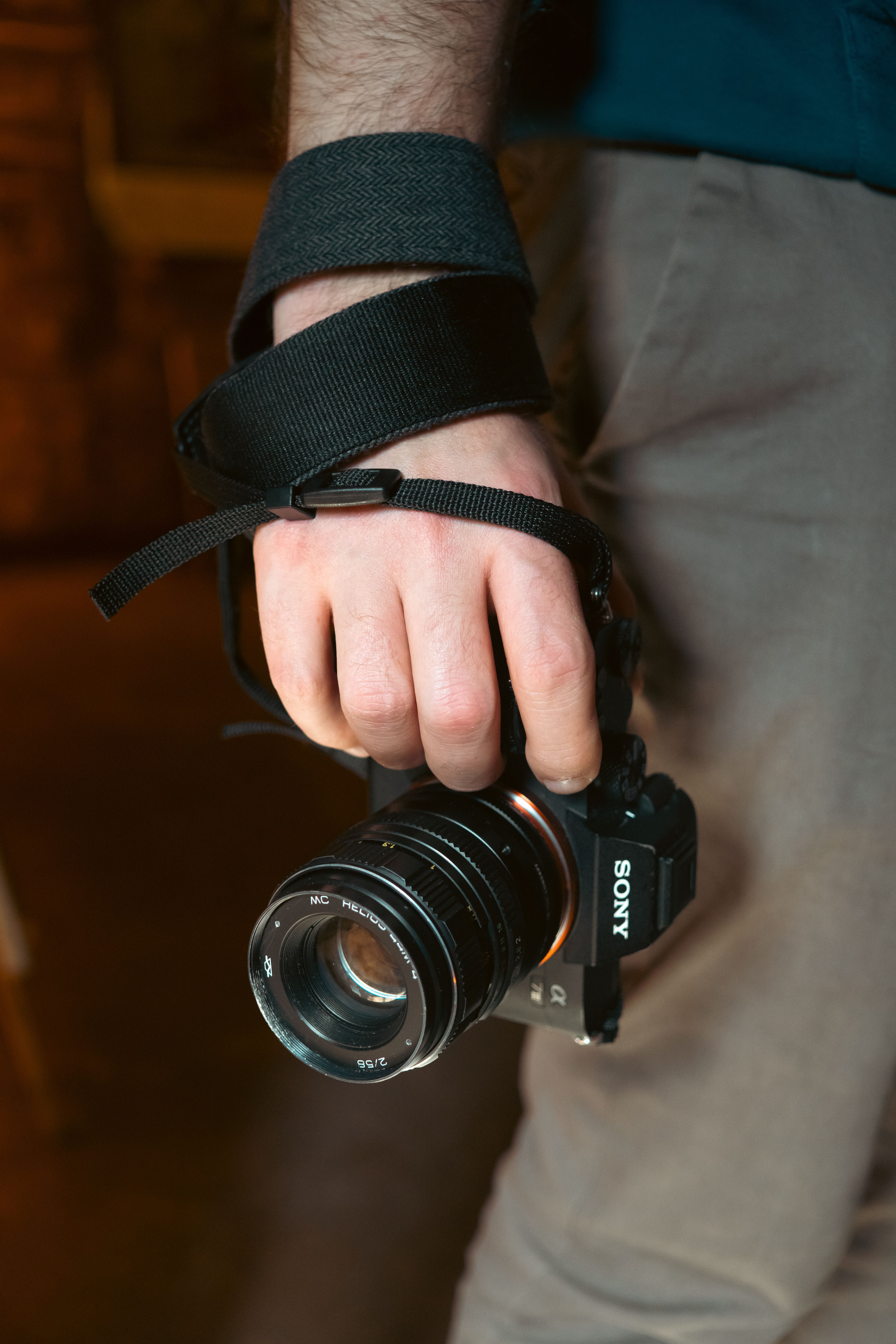
Card speed matters too. UHS-II cards with V60 or V90 ratings clear the buffer faster than UHS-I cards, and CFexpress can help even more on bodies that support it.
Are burst photos lower quality?
Burst photos are not lower quality by default. The main risks are focus misses, rolling-shutter skew on some electronic shutters, and more noise if ISO climbs too high. Quality depends on the camera mode and the light. A fast mechanical burst may look cleaner under LED or fluorescent lights, while a very fast electronic burst can show banding or warped motion in some scenes.
What can reduce image quality
Heat, buffer limits, and sloppy technique can all hurt results. If the camera slows or AF drifts, later frames may look worse than the first few.
Memory card write speed matters as well. A slow card does not change the raw file, but it can delay the next burst and cost you the next key moment.
How to keep quality high
- Use mechanical shutter when the room has harsh LED lighting.
- Keep subject tracking on, with eye detection if your body handles it well.
- Shoot short bursts of 3 to 6 frames unless the move is long.
- Check the first test shot for shutter speed, focus, and white balance.
- Use RAW if you need more room for exposure and color fixes later.
RAW gives you more room to recover mistakes, but it also uses more buffer. The tradeoff is worth it when the light is mixed and the crowd is unpredictable.
Small habits that help in packed rooms
Good timing starts before the camera reaches your eye. Watch the dancer’s rhythm, the light sweep, and the edge of the crowd so you can lift the camera once. Then make small adjustments. A slight step left, a quick half-turn, or a lower angle can clear a head in front of you without pushing into anyone.
My quick field routine
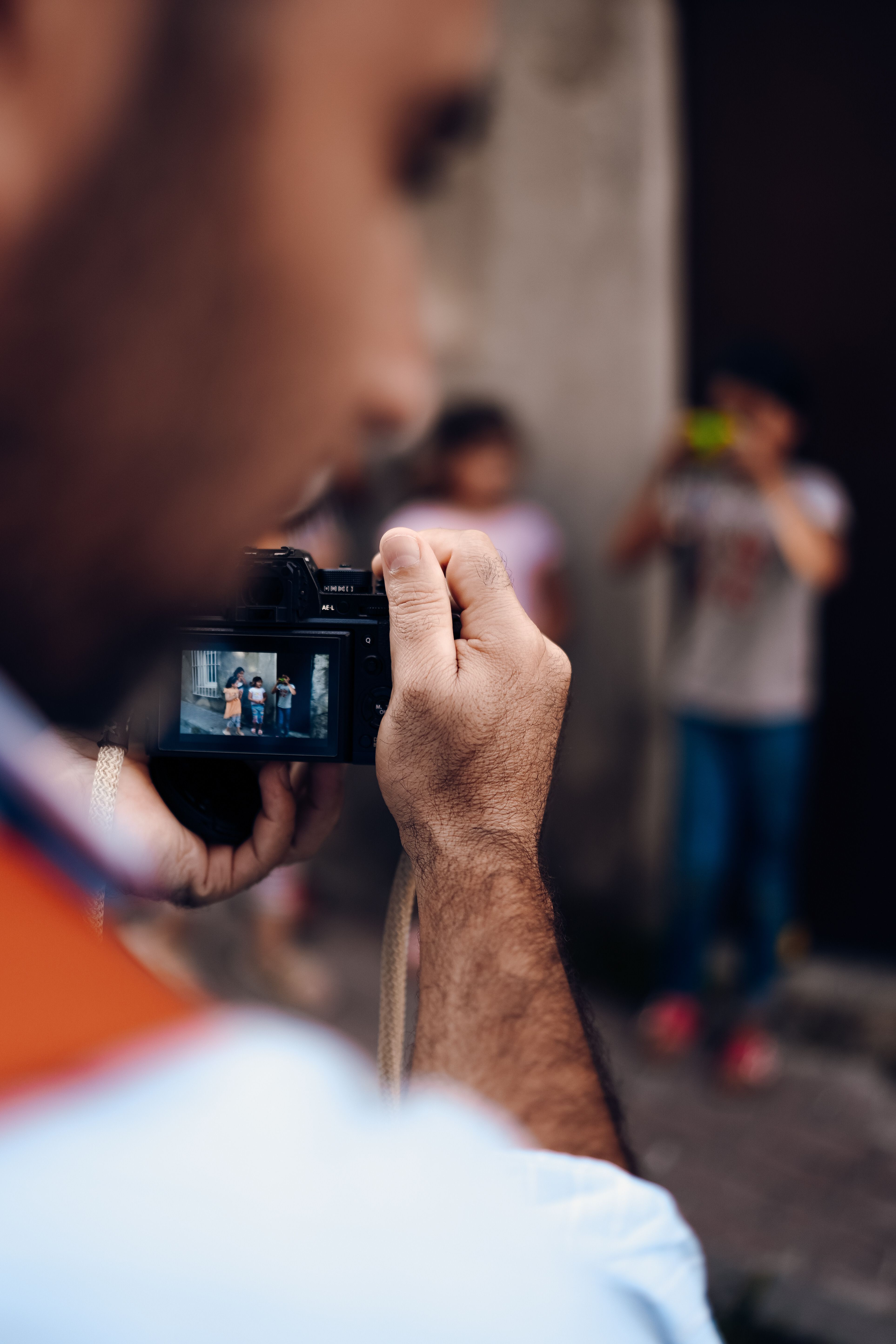
I keep my left hand under the lens and my right hand on the grip. The raise stays smooth, and the frame stays steadier when people brush past.
I also run a short focus check before the song peak. If the face is locked and the shutter is ready, I can fire the burst at the exact beat change.
Think about light, not just speed
Many dance rooms mix LEDs, stage spots, and dark corners. A face can move from bright to dim in one step, which means exposure can shift fast. If the camera has pre-capture or pre-burst, turn it on for unpredictable sets. That extra half second can save a missed spin, especially when a performer changes direction without warning.
Keeping the camera ready without slowing down
A camera that feels heavy or awkward gets left down at the wrong time. A good carry setup keeps you ready for short bursts between stage moves and crowd gaps.

Hands-free carry also reduces fatigue. When the camera rests well, you can wait longer for the right frame instead of shooting too early.
Use a strap or harness that sits close and does not swing wildly. In a packed venue, that stability makes it easier to raise the camera fast, aim once, and keep your attention on the dancer instead of your gear. For editing, cull fast in Photo Mechanic or Lightroom using pick and reject flags. Keep the best 10 to 20 frames and drop the near-duplicates burst shooting creates.
Sharp dance shots come from a simple mix: fast shutter, steady focus, short bursts, and a camera that is ready the second the beat drops. Keep one eye on the floor, one hand on the grip, and one clean frame in mind when the lights hit.
Frequently Asked Questions
How to do burst mode on photos?
To use burst mode on photos, set the camera drive mode to continuous shooting and hold the shutter button down. The camera will fire a rapid sequence of frames until you release the button, and the option is usually found in the drive menu or quick control menu.

Does burst mode take better photos?
Burst mode can produce better results for fast action because it increases the chance of catching the exact peak of a move. It does not improve every image automatically; sharpness still depends on shutter speed, focus, exposure, and timing.
What is burst mode in photography?
Burst mode in photography is a shooting mode that records several frames in quick succession while the shutter button is held down. It is useful for fast-moving subjects because it captures multiple moments around the action peak.
Are burst photos lower quality?
Burst photos are not inherently lower quality, but image quality can vary because each frame is captured very quickly and may be affected by focus, motion blur, or changing light. In crowded dance venues, a short burst often yields one sharp frame even if some frames in the sequence are unusable.


