


Cold-weather shooting gives clear light and bold scenes. In 2025 more travel photographers and outdoor photographers shoot in winter. This guide shows how to layer clothes and gear to protect cameras, lenses, and camstrap materials. You will get simple tips for battery care, lens fog, and camera protection.
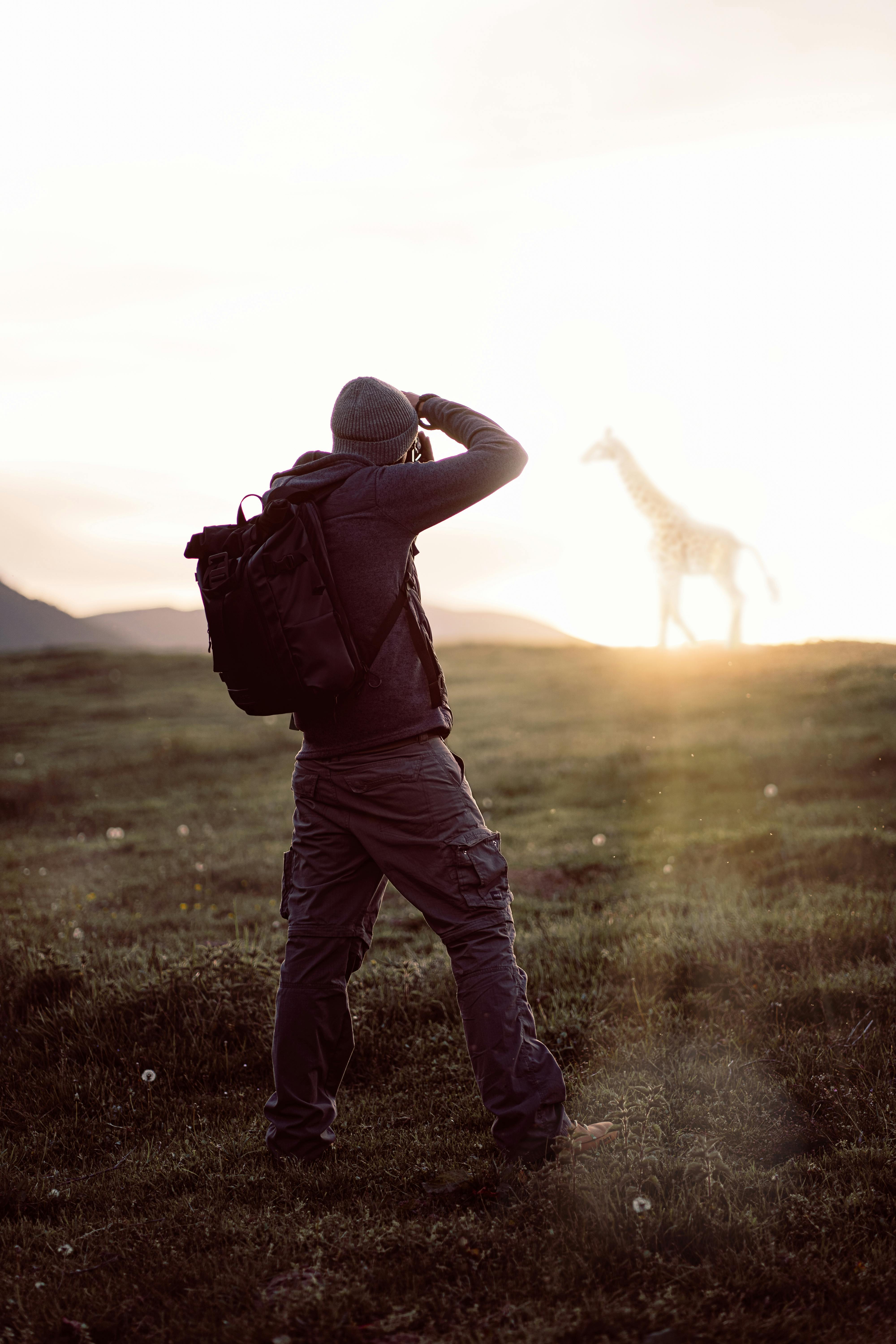
Preparing for cold-weather Shoots in 2025: What Photographers Need
Check the weather and plan your route before you leave. Bring spare batteries, a dry bag, and lens hoods for snow. Pack backups in a warm inner pocket to keep batteries alive longer.
Shop the setup

- Regular price
-
€42 - Regular price
-
€44 - Sale price
-
€42
By choosing the Camstrap strap, you are opting for a high-quality product designed to meet the needs of the most demanding photographers.
- Developed by a physiotherapist to relieve neck and back pain.
- Fast delivery with tracking by the Post Office 🚚
- Can be used as a shoulder strap or hands-free harness

- Regular price
-
€36 - Regular price
-
€42 - Sale price
-
€36
Free shipping included

Know your shooting window and rest when needed. Work fast in peak light and warm your hands between shots. These steps help travel photographers stay safe and shoot better.
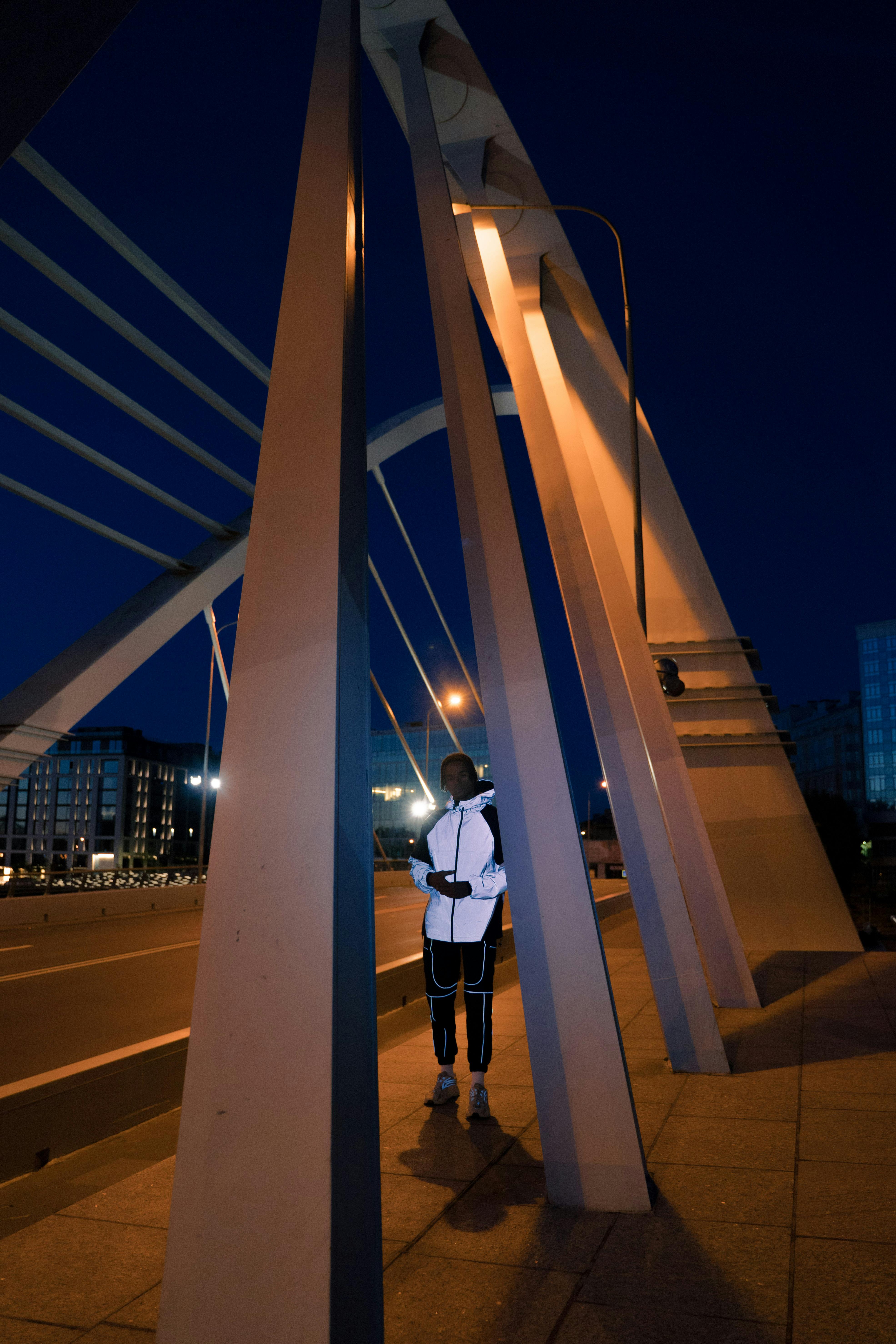
Cold-weather Layering Strategy: Clothing and Camera Care
Layering keeps your body warm and your hands steady. Start with a thin base layer that pulls sweat away. Add a fleece mid-layer for heat and a shell that blocks wind and water.
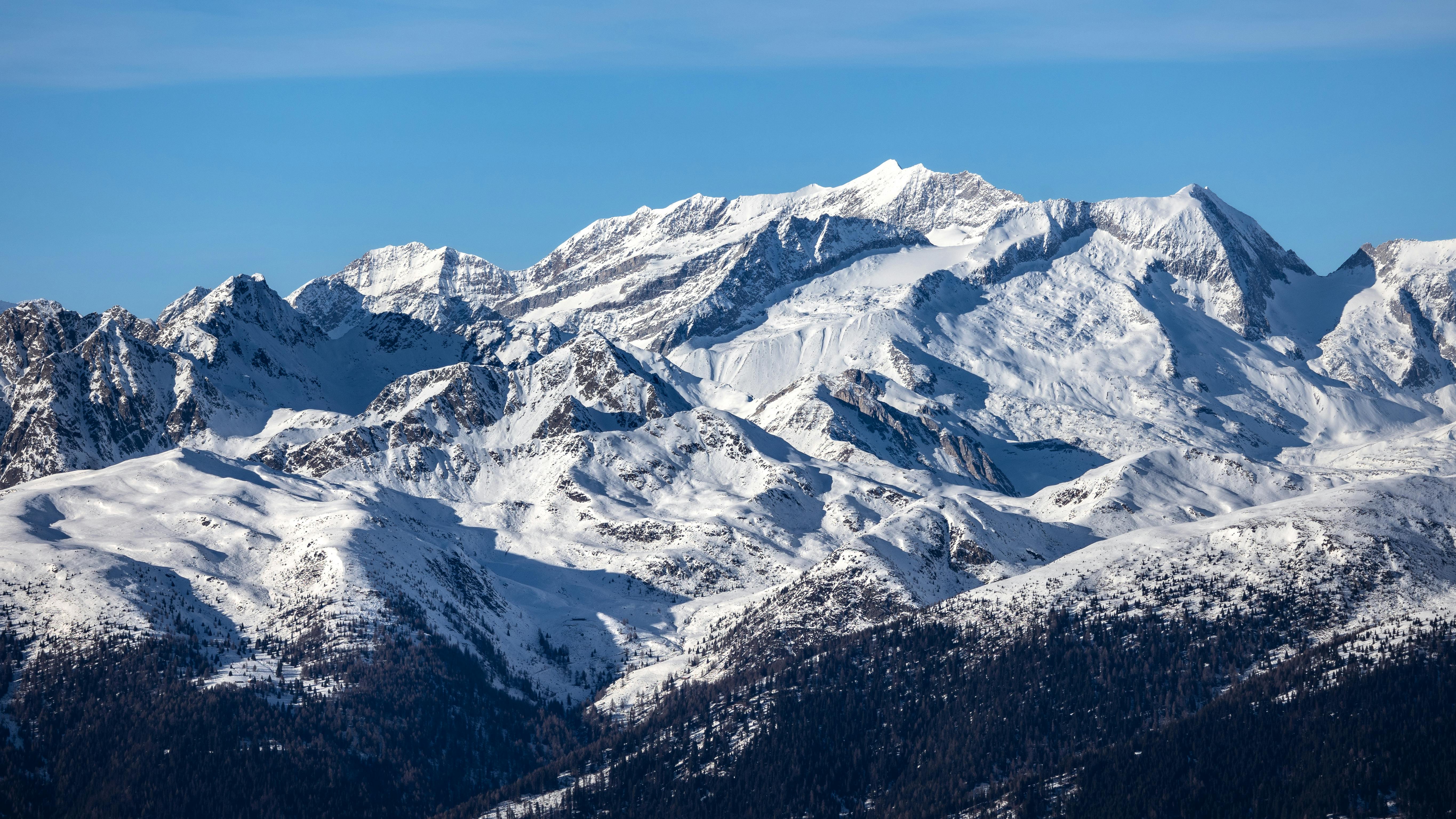
Use thin liner gloves under thicker camera gloves. Choose gloves that let you use camera controls. Carry hand warmers to keep fingers nimble on long shoots.
Clothing Checklist for Winter Shoots
- Moisture-wicking base layer
- Insulating mid-layer like fleece
- Windproof, waterproof outer shell
- Thin glove liners plus camera-friendly gloves
- Warm hat, neck gaiter, and goggles
- Insulated boots with good grip
Protecting Cameras and Lenses: Gear and Best Practices
Cold weather drains batteries fast and makes lenses fog. Moisture can freeze in crevices and on metal parts. Follow clear steps to avoid damage and stay shooting.
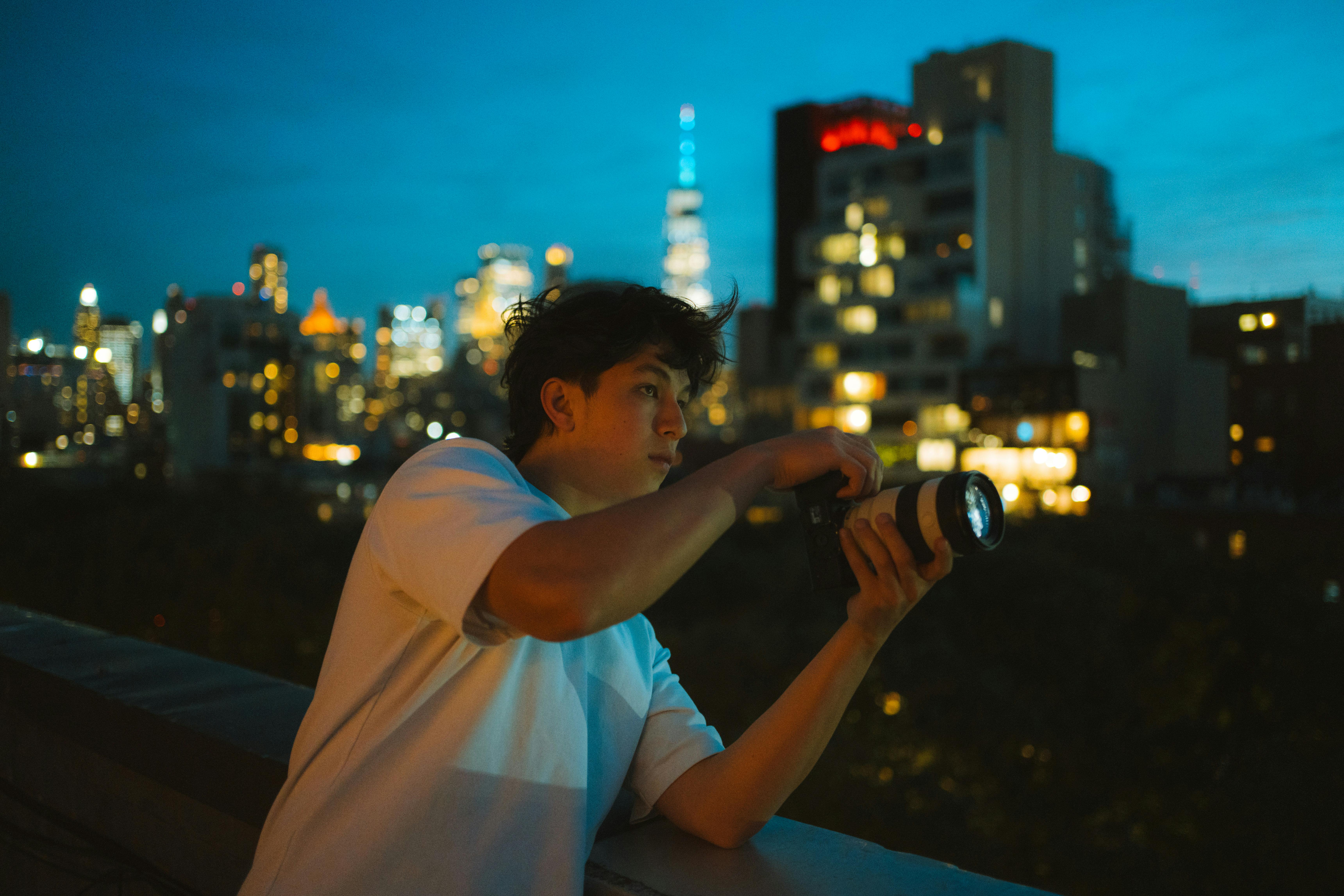
Battery Care
Batteries lose charge faster when it gets cold. Carry spares in an inner pocket to keep them warm. Swap batteries quickly to avoid losing shots.
Condensation and Lens Care
Condensation happens when you move from cold to warm areas. Seal your camera in a dry bag before you go indoors. Let the camera warm inside the bag, then open it at room temperature.
Use of Lens Hoods and Filters
Lens hoods help stop falling snow and wind. Put a clear protective filter on the front to block frost and salt. A hood plus a filter keeps your lens usable in light snow.
Camstrap Materials and Cold-Weather Care
Camera straps see a lot of wear in cold weather. Leather can stiffen and crack. Webbing can hold moisture and freeze, so clean straps after shoots.
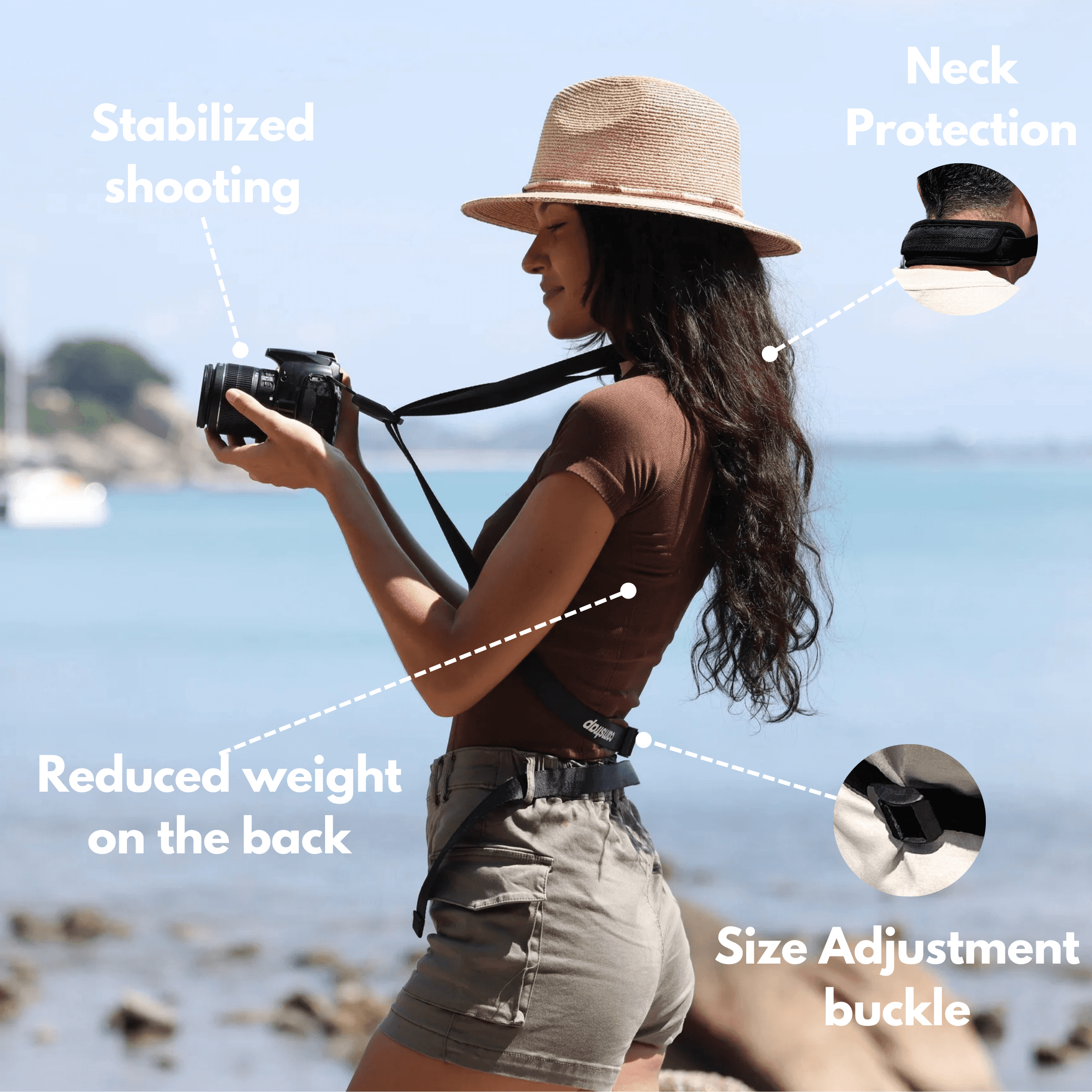
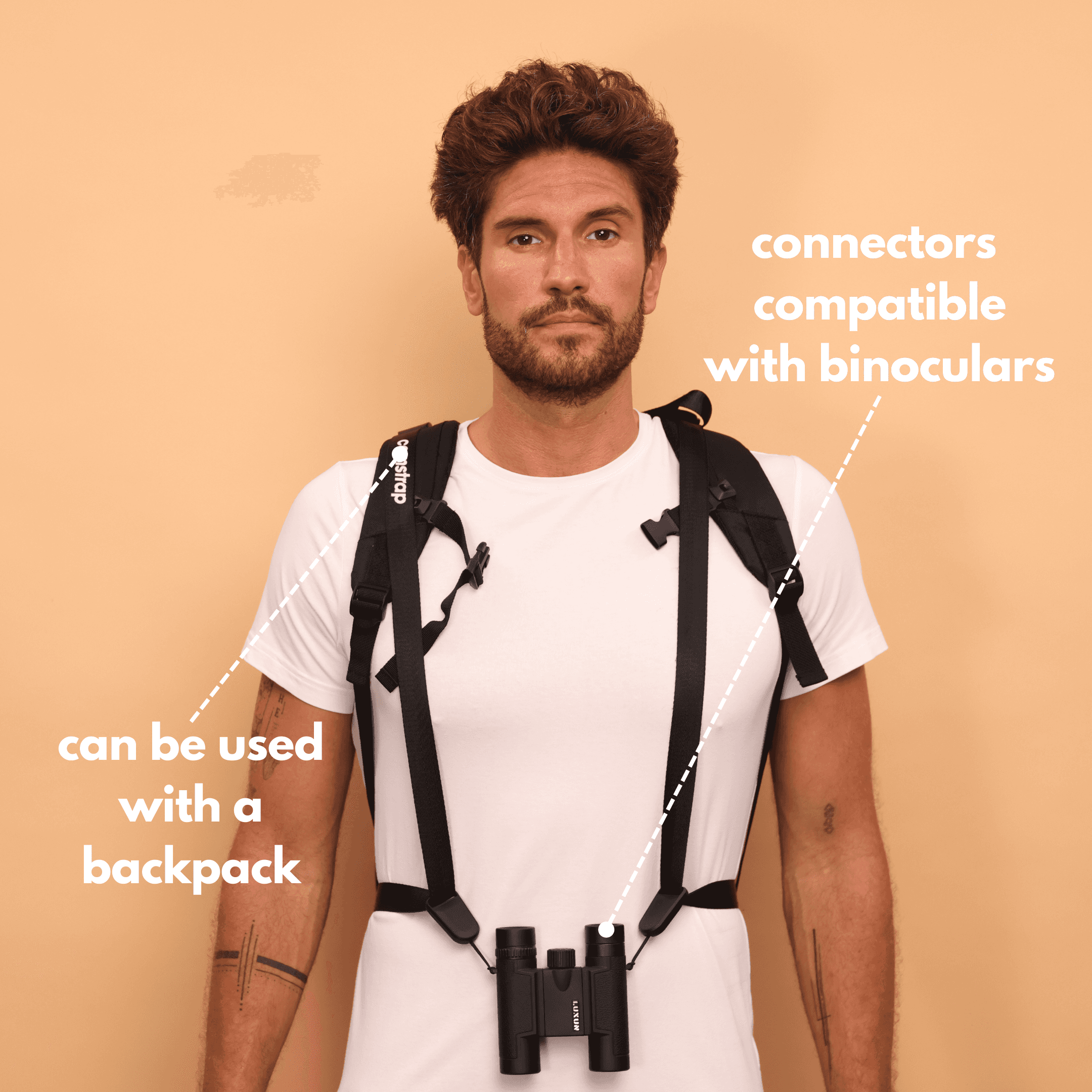
Camstrap makes straps that blend function and style. Camstrap focuses on strong materials that hold up in cold-weather shoots. Popular models include the camstrap voyager, camstrap explorer, camstrap nomad, and camstrap magclip.
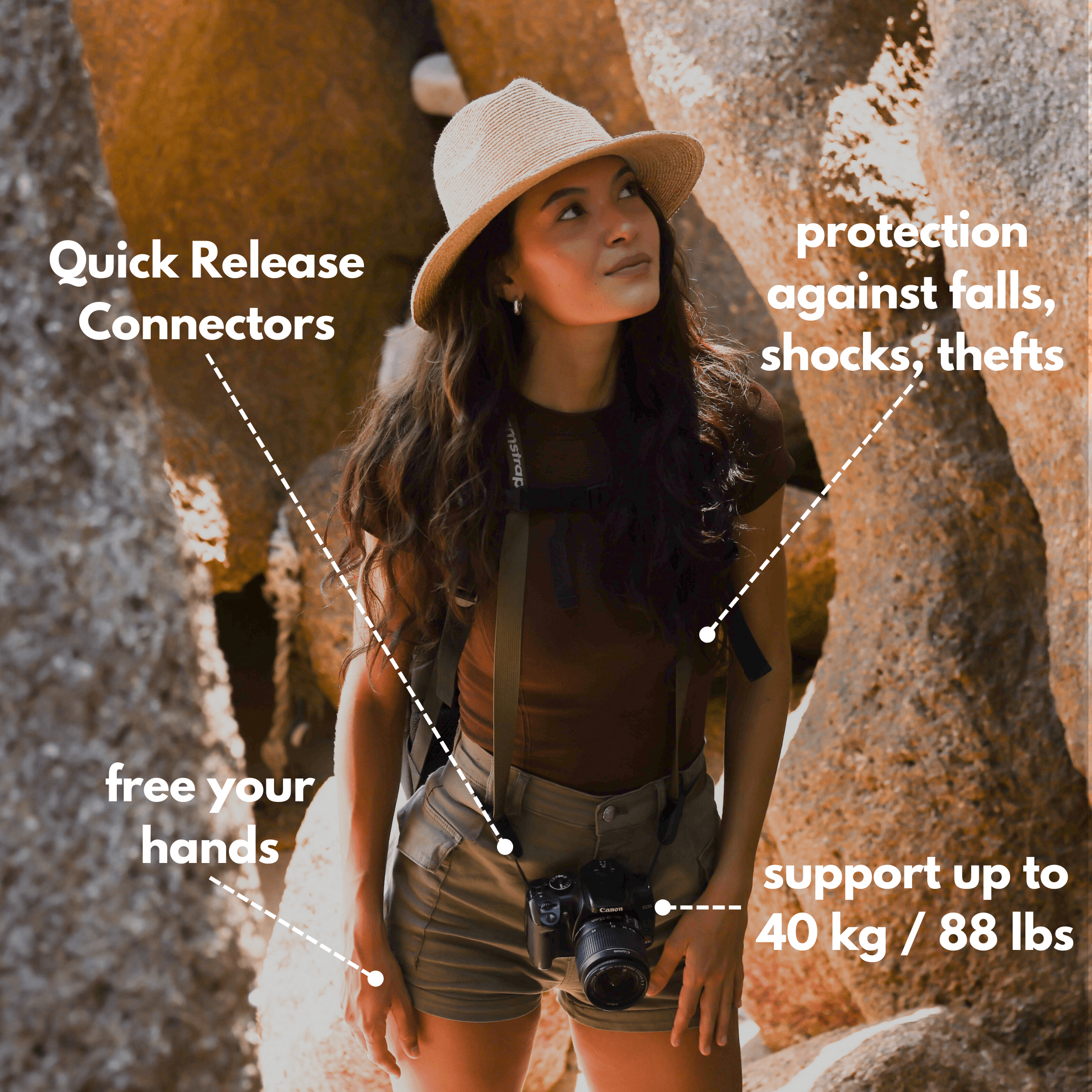
Caring for Straps in Cold-Weather
- Wipe wet straps after shoots to remove salt and snow
- Let straps dry away from direct heat sources
- Condition leather straps in mild weather, not while wet
- Check metal clips for ice and grit before use
Tap ice off gently or warm clips in a pocket before use. This quick step can save a shoot and protect your camstrap magclip from jamming.
Field Workflow and Quick Checklist for Cold-Weather Shooting
Work in short bursts to keep your body and gear warm. Rotate tasks so you can warm hands, change batteries, and dry lenses. Keep a warm pouch for spare batteries and lenses.
Quick Field Tips
- Use a blower to remove snow before wiping lenses
- Use a lens hood to shield glass from wind and flakes
- Wipe gear with a microfiber cloth after each set
- Keep backups in sealed dry bags inside your pack
Checklist: What to Pack for Cold-Weather Shoots
- Extra camera batteries and an insulated pouch
- Lens hood and clear protective filter
- Weatherproof cover or dry sack
- Microfiber cloths, blower, small brush
- Hand warmers and spare gloves
- Strap care kit for Camstrap products
- Tripod with foam covers or spikes
Also bring snacks and a thermos. Warm drinks help you think clearly and stay safe on cold-weather shoots.
Maintenance After the Shoot: Drying, Cleaning, and Storage
Dry gear slowly and keep it away from direct heat. Rinse salt from metal parts with fresh water and dry well. Remove batteries and memory cards and warm them at room temperature.
Cleaning Tips from 2025: Simple Best Practices
Use a soft brush to remove frozen grit and salt. Rinse heavy salt lightly, then dry fully. Use a blower for crevices and a cotton cloth for lenses.
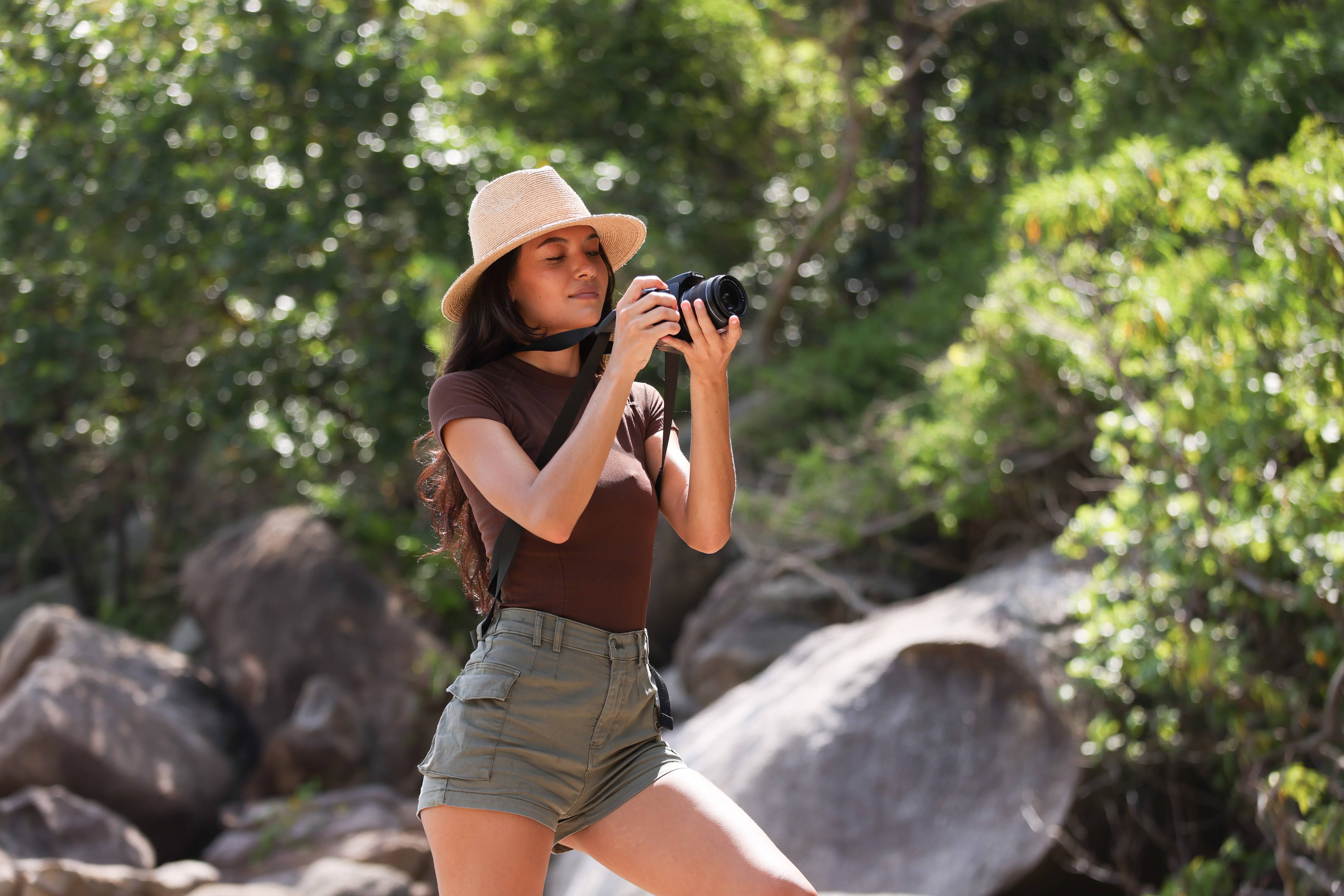
Store straps and bags in a dry place after they return to room temperature. This helps Camstrap pieces like the camstrap explorer and camstrap nomad last longer.
Final Thoughts: Cold-weather Ready in 2025
Cold-weather shooting in 2025 needs a little planning and basic care. Layer your clothing, protect batteries, and guard lenses from fog. Choose a reliable camera strap, like a Camstrap model, that fits your needs.
Test your camstrap nomad or camstrap magclip at home before you go out. Learn how they behave in cold weather so you can focus on light and scene. Stay warm, stay safe, and capture great winter images this season.


