- Use a wide lens and stop down to f/11–f/16 for front-to-back sharpness.
- Focus near the hyperfocal distance to keep foreground detail and the horizon crisp.
- Choose layered shoreline subjects and protect clean edges with a deep depth of field.
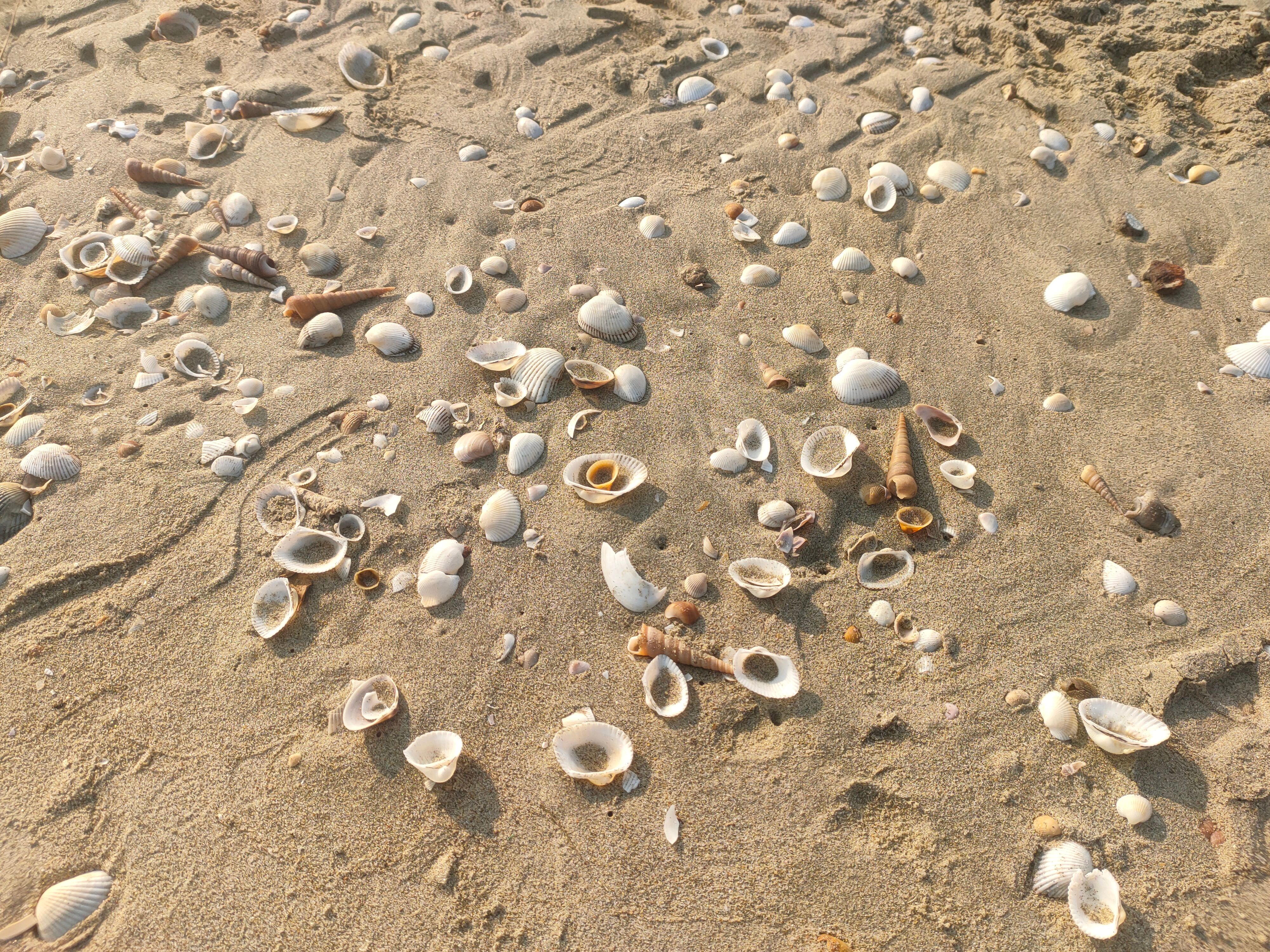
Wide depth of field photography keeps the near and far parts of a scene sharp together. On a shoreline, wet sand, rocks, foam, and the water beyond can all hold detail in one frame. The result feels open, calm, and true to the place.
Translation missing: en.blog_cta.bundle_heading

- Regular price
-
€42 - Regular price
-
€44 - Sale price
-
€42
By choosing the Camstrap strap, you are opting for a high-quality product designed to meet the needs of the most demanding photographers.
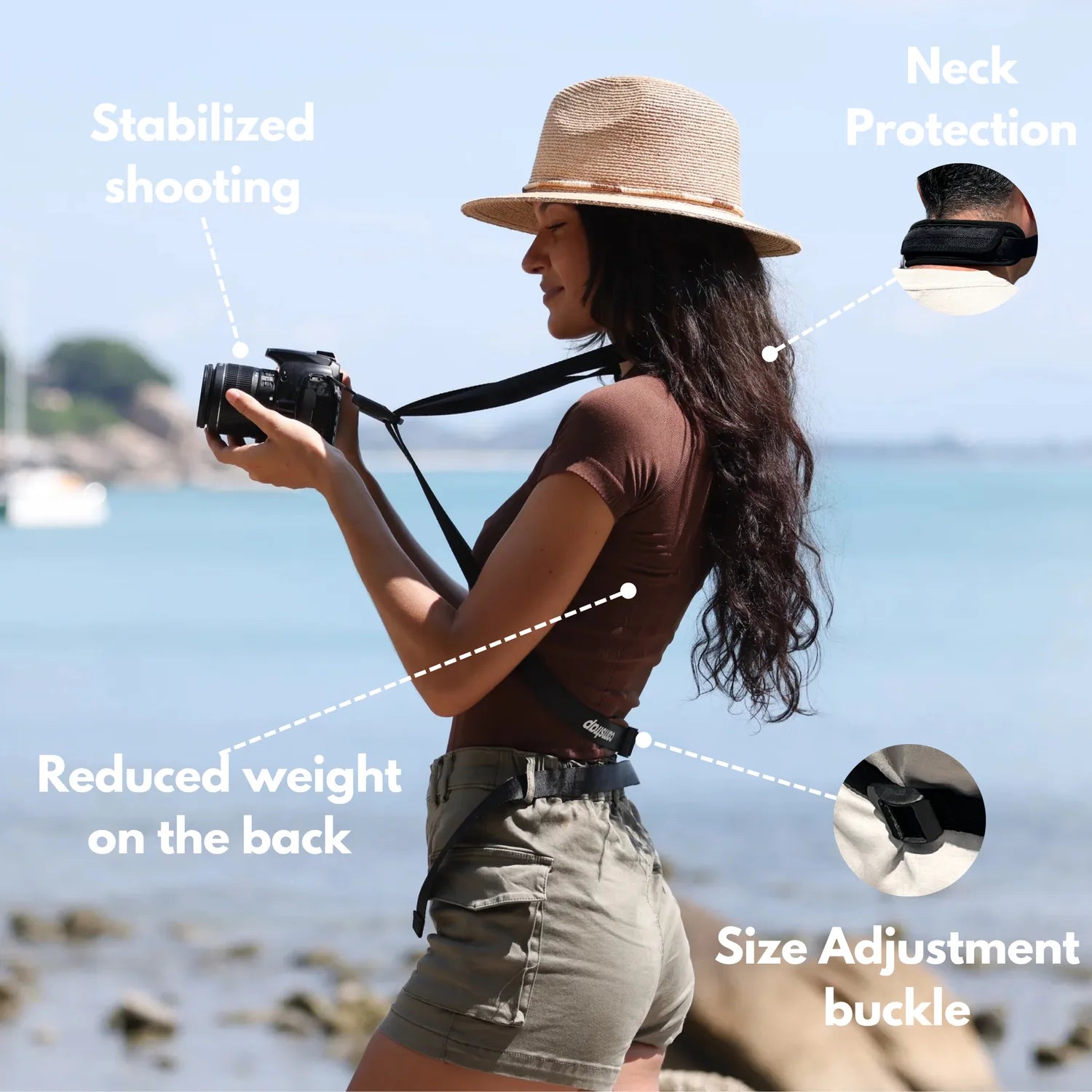
- Developed by a physiotherapist to relieve neck and back pain.
- Fast delivery with tracking by the Post Office 🚚
- Can be used as a shoulder strap or hands-free harness

- Regular price
-
€36 - Regular price
-
€42 - Sale price
-
€36
Translation missing: en.blog_cta.free_shipping_included
Why shoreline scenes suit deep focus
Shorelines are built in layers, and each one adds weight to the frame. A shell in the foreground, the surf line, and the horizon work together naturally.
Deep focus suits that structure, letting the eye travel through the image instead of landing on one soft patch and stopping there.
Layered scenes need clean edges

Rocks, tide pools, and foam lines depend on small shapes that lose force when they blur. A deeper focus range keeps those shapes crisp and gives the image a careful, settled feel. Shorter focal lengths make this easier. A 16mm lens delivers much more depth of field than a longer lens, especially when you work close to the ground.
Hands-free carry keeps you moving with the tide
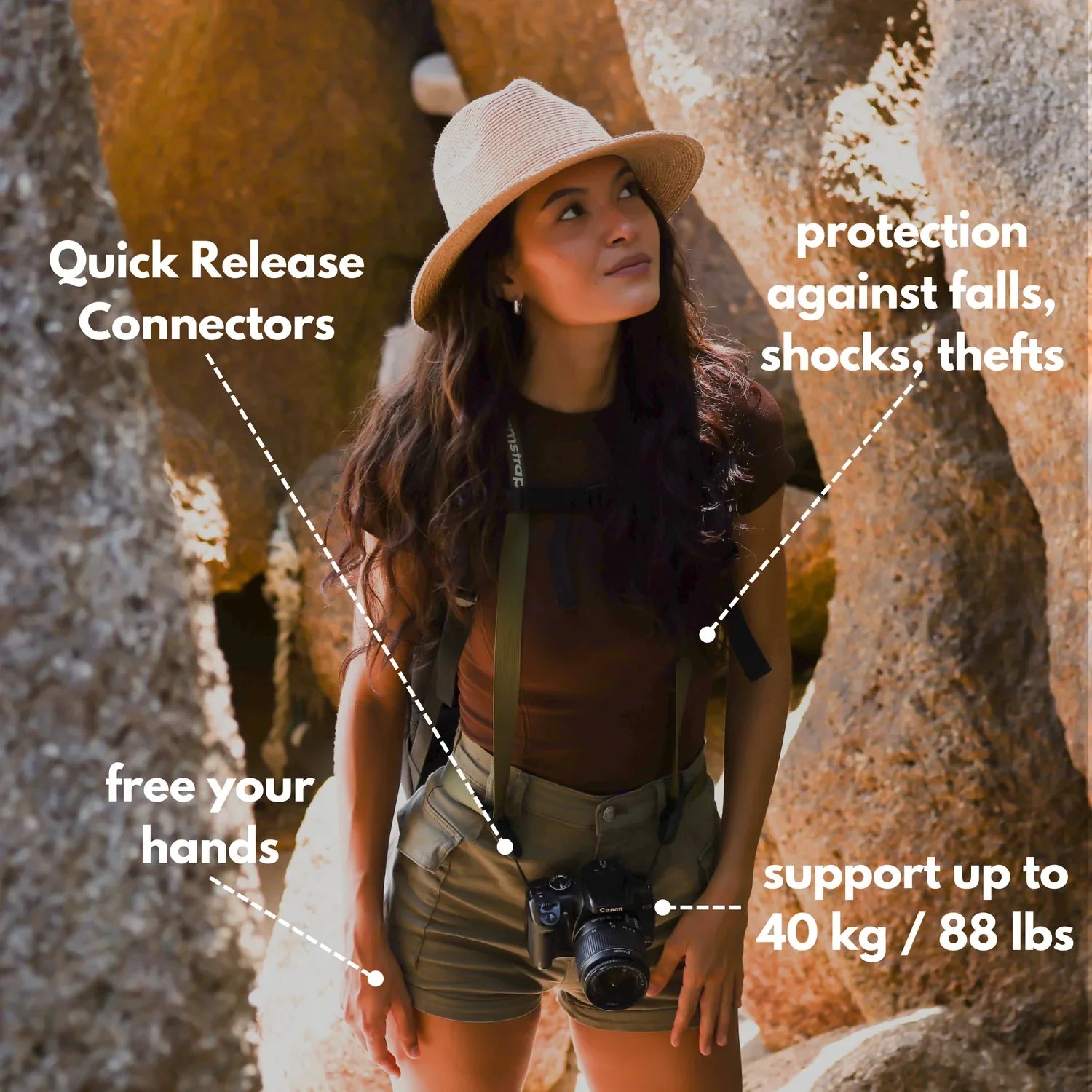
A good strap helps because shoreline work often means climbing over rocks or crossing soft sand with both hands free. With the camera riding on your body, you can watch your footing and the waves without losing readiness.
Camstrap voyager fits that use well because it spreads weight across the body and stays easy to reach fast. It works well when you move between viewpoints and want the camera ready without digging through a bag.
What aperture, lens choice, and focus distance do
Depth of field depends on aperture, focal length, focus distance, and the acceptable circle of confusion. A smaller aperture, such as f/11 or f/16, gives more sharpness from front to back. In plain terms, a higher f-number keeps the shoreline detailed from the closest shell to the far water line. Very small apertures can soften fine detail if you stop down too far.
The numbers that matter most
16mm at f/11 gives a hyperfocal distance of about 2.4 ft.
24mm at f/11 gives a hyperfocal distance of about 6.5 ft.
35mm at f/11 gives a hyperfocal distance of about 13 ft.
50mm at f/16 gives a hyperfocal distance of about 18 ft.
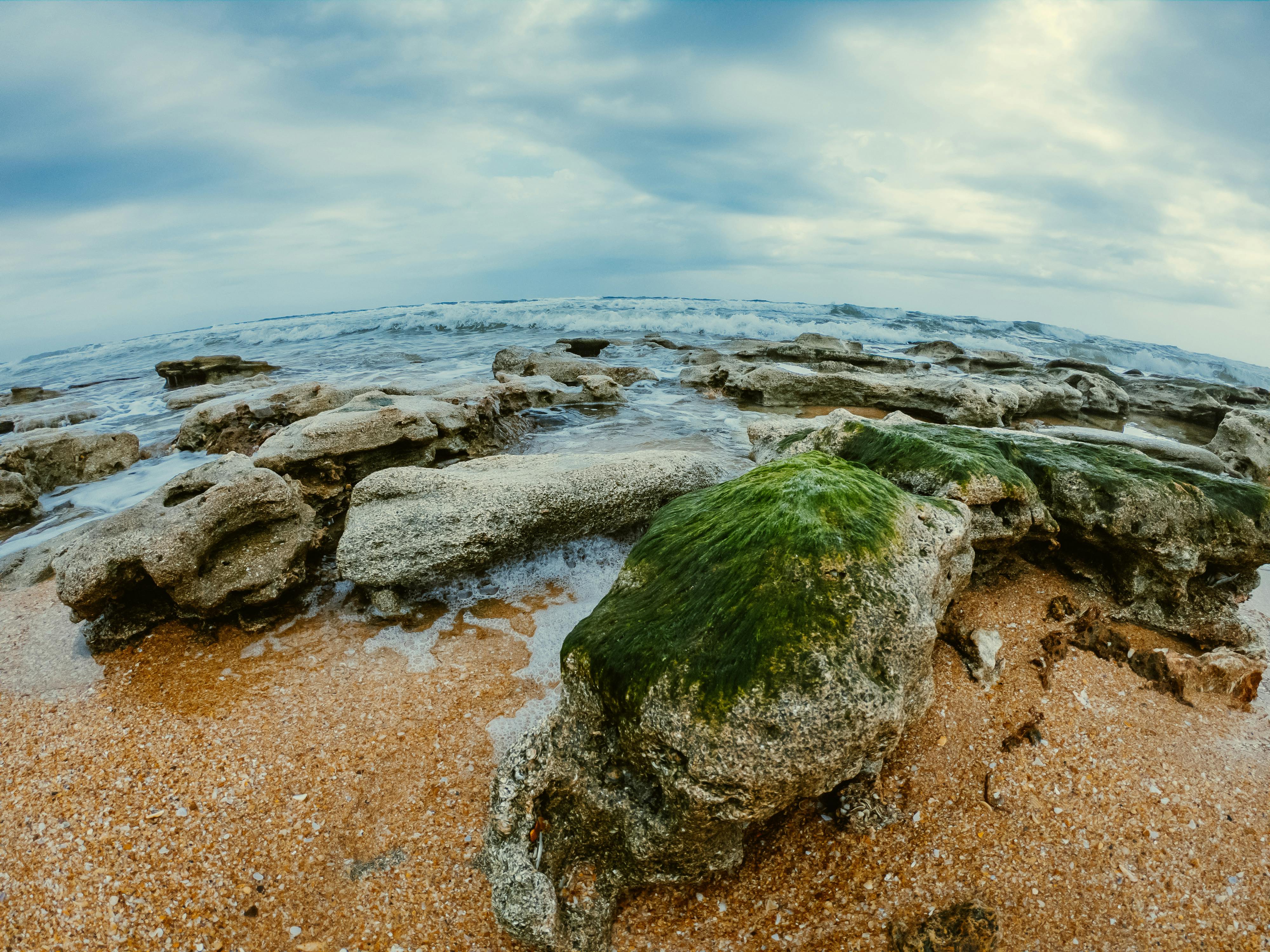
Those numbers show why wide lenses work so well at the coast. At 16mm and f/11, sharpness can run from about 1.2 ft to infinity. With 24mm, the near limit moves back, so the foreground choice carries more weight.
Hyperfocal focus keeps the frame working
The hyperfocal distance is the closest focus point that still keeps infinity sharp. For landscape work, it gives the broadest useful sharp zone.
Focus there, and everything from about half that distance to infinity stays acceptably sharp. Few tools help more when the frame includes near rocks and distant waves.
What is the 20 60 20 rule in photography?
The 20 60 20 rule in photography divides attention across a scene: 20% for the foreground, 60% for the main middle area, and 20% for the background. In shoreline work, that balance helps build a frame with a clear lead-in, a strong center, and a calm finish. It gives order to a beach packed with detail.

Using the split on a coast
Place a rock, shell, or foam edge in the first part of the frame. Let the middle hold the strongest texture or light. Then keep the far water or sky clean and simple.
This rule is about visual weight, not strict math. A scene with a bold cloud bank may need more background space, while a flat calm sea may need less.
How to take wide depth of field photos?
Wide depth of field photos begin with a small aperture, a short lens, and careful focus. I use aperture priority or manual mode, then set f/8 to f/11 for most coastal scenes.
For a close foreground, I move to f/11 or f/16 if the light allows it. When the scene is dim, I raise ISO before I sacrifice sharp layers.
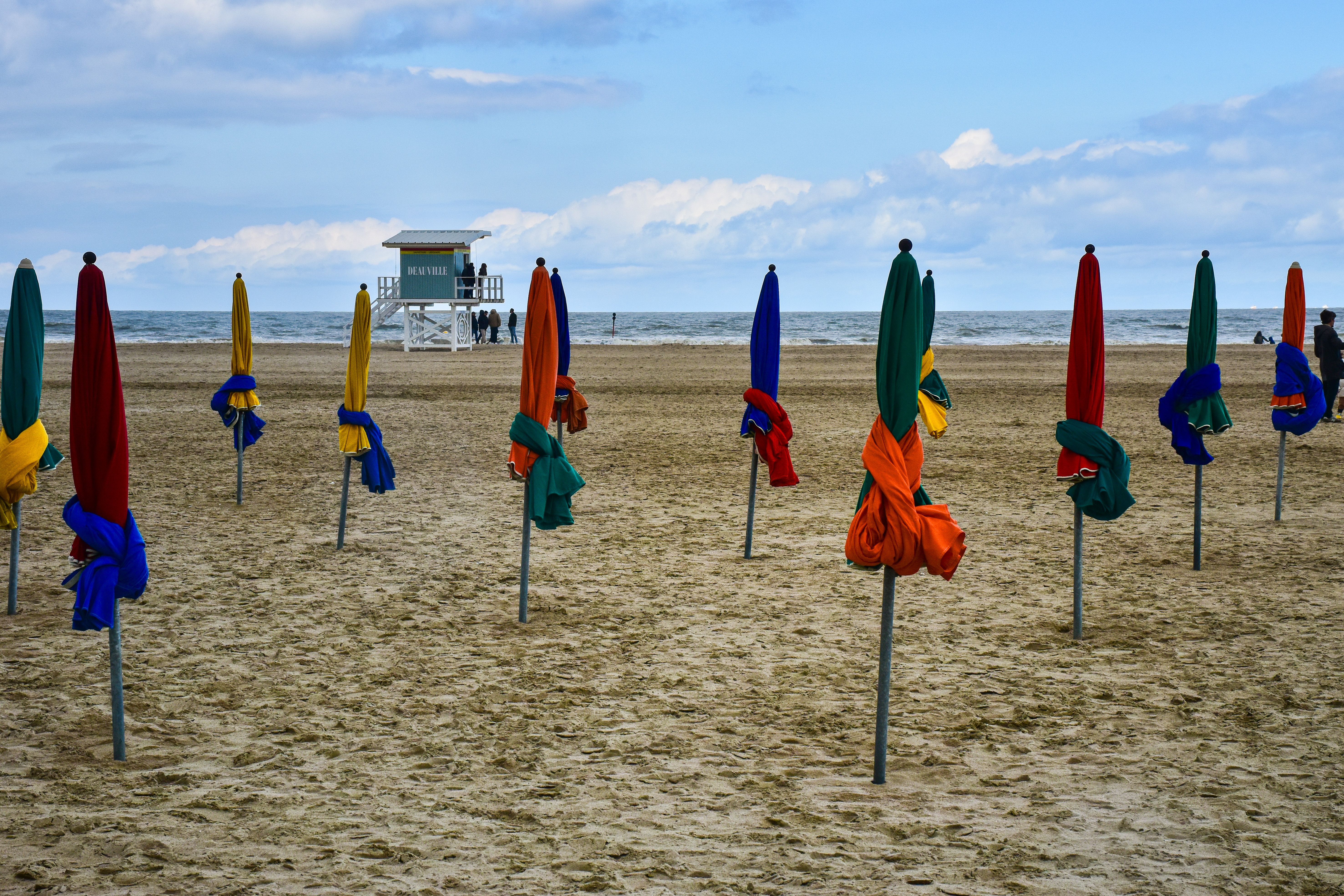
Set the lens to a shorter focal length, such as 16mm to 24mm.
Choose f/8 to f/11, or f/16 for very close foreground detail.
Focus at the hyperfocal point or just beyond the nearest key subject.
Use AF-C or AI Servo with subject or eye detection if you include people on the shore.
Check focus with live view magnification before you shoot a series.
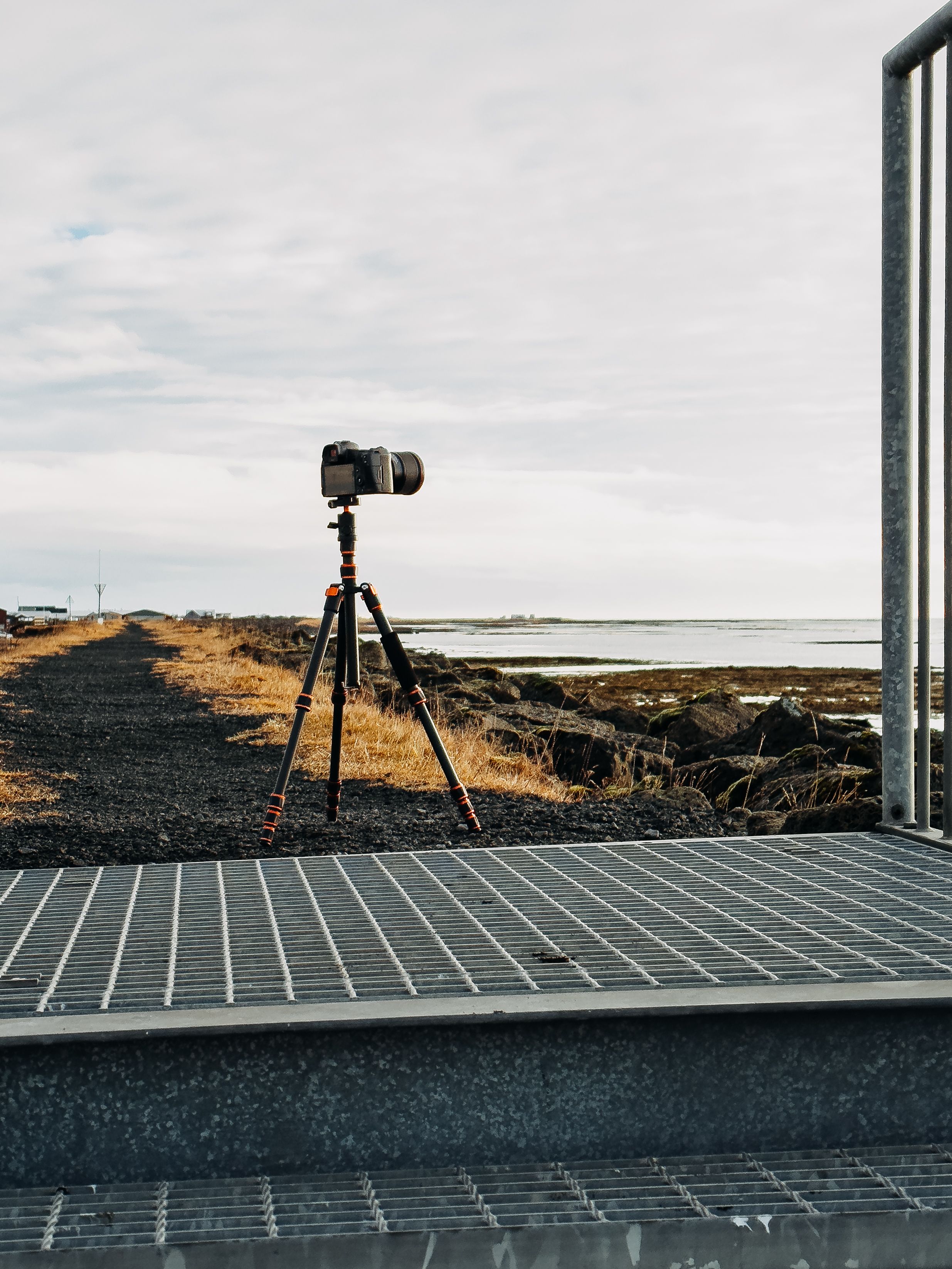
Shutter speed still matters because waves move. A slower speed around 1/4s can turn water to silk, while 1/500s freezes spray and edge detail. Pick the look you want, then balance the exposure around it. If the light drops, a tripod helps more than pushing the ISO too high.
What is the rule for depth of field in photography?
The rule for depth of field in photography is simple: smaller apertures, shorter focal lengths, and greater focus distance all increase the sharp area.
In practice, f/11 on a wide lens gives much more room than f/2.8 on a telephoto. Beach scenes often look best with wide glass and a careful focus point.
One useful way to think about it
Open the aperture, and depth of field gets shallower. Stop down, and it gets deeper. Move the focus farther out, and the sharp zone grows too.
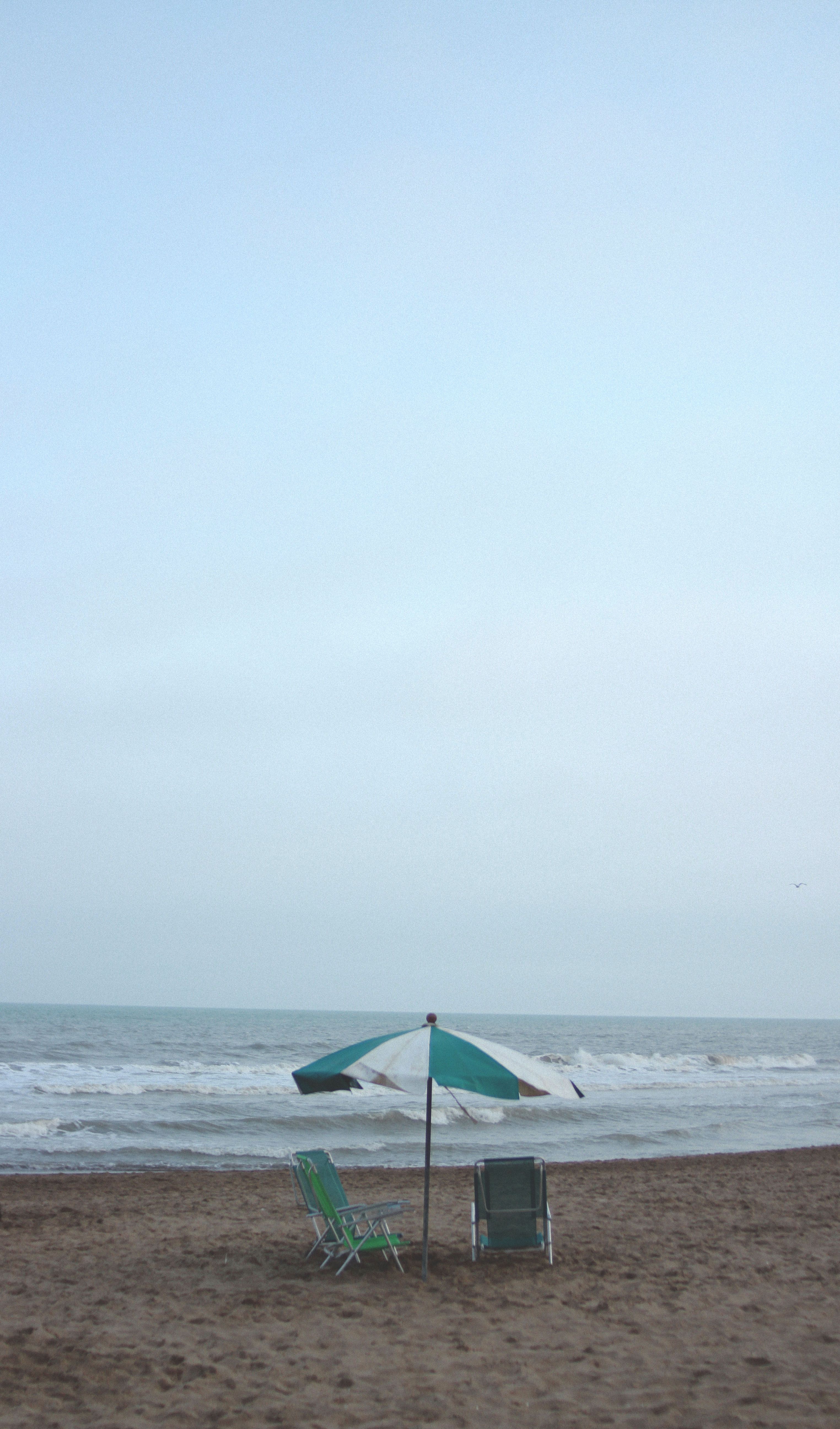
The circle of confusion sounds technical, but the idea is easy to use. It marks the point where a blur still reads as sharp enough in the final image.
What is the 60/30/10 rule in photography?
The 60/30/10 rule in photography is a color balance guide that splits the frame into one main color, one supporting color, and one accent color. On a shoreline, it can shape the mood. Blue water may take 60%, tan sand may take 30%, and a bright red jacket or orange shell may supply the last 10%.
Color balance can support focus
Clean detail feels stronger when color stays calm. If every color fights for attention, the eye leaves the sharp layers too quickly.
Use the 60/30/10 idea to keep the frame simple. Then let depth of field do the rest by holding the textures together.
Gear and settings that keep the shot steady
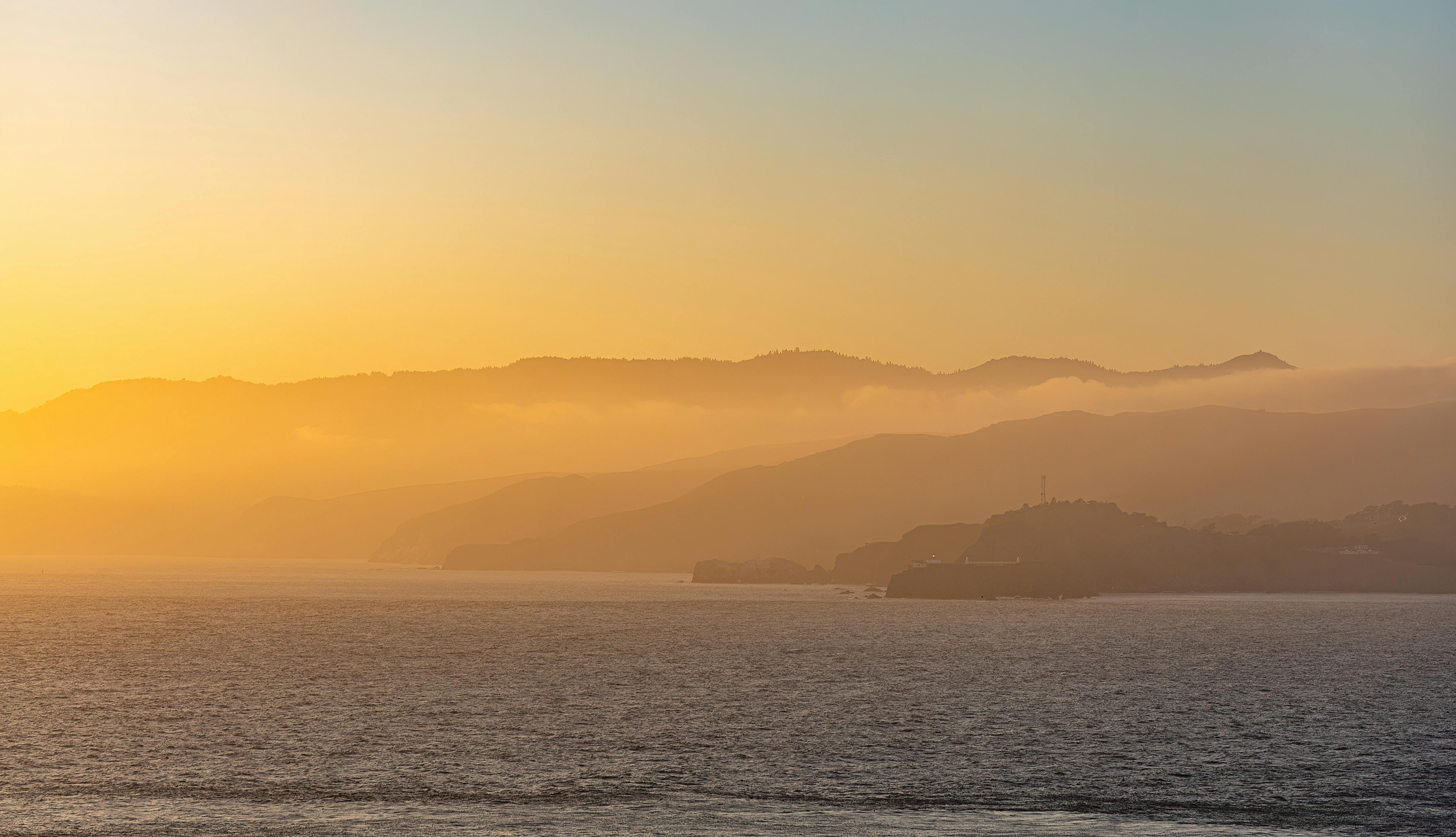
A stable setup helps more than many people expect. Shoreline ground shifts under your feet, and a small camera shake can blur fine rock texture at f/11 or f/16. A tripod gives the best base, but strong wind can still shake the shot. A strap that keeps the camera close helps too, since it stops the body from swinging into the frame.
My shoreline kit stays lean
Wide-angle lens, usually 16mm, 24mm, or 35mm
Tripod with a solid head for low, level framing
-
Remote release or a 2-second timer

Lens cloth for spray and salt
Card with faster write speed, such as UHS-II V60 or V90, if you shoot bursts or RAW
Card speed matters when you shoot RAW bursts or use pre-capture features. A mid-tier mirrorless body can slow after roughly 20 to 40 RAW frames, while JPEG fills much later.
That leaves enough room for most shoreline work, though it matters when waves break fast and you want one precise moment.
Bringing the frame together at the coast

The strongest shoreline images usually start with one clear foreground shape and one clean far line. Keep the frame simple, and let the layers guide the eye. Use a short lens, stop down to f/11 when you can, and place focus with care. If the light and wind shift fast, stay ready, because the best water shape may last only a second.
My final check stays the same: foreground detail, mid-scene texture, and a crisp horizon line. When those three hold together, the shoreline feels deep, soft, and complete.
Frequently Asked Questions
What is the 20 60 20 rule in photography?
The 20 60 20 rule in photography is a compositional guideline that divides visual attention into 20% foreground, 60% middle ground, and 20% background. In shoreline photography, that balance helps create a strong lead-in, a clear subject area, and a supporting backdrop.
How to take wide depth of field photos?
To take wide depth of field photos, use a smaller aperture such as f/11 or f/16, choose a wide lens, and focus at or near the hyperfocal distance. In shoreline scenes, placing focus carefully keeps the near sand, rocks, foam, and distant water sharp together.
What is the rule for depth of field in photography?
The main depth of field rule in photography is that a smaller aperture increases depth of field, while a larger aperture reduces it. Focal length and focus distance also matter, with wider lenses and greater focus distances producing more front-to-back sharpness.
What is the 60/30/10 rule in photography?
The 60/30/10 rule in photography is a composition guideline that often divides a frame into 60% dominant element, 30% secondary element, and 10% accent. It is used to create visual balance and clear hierarchy in the image.