- Switch to AF-C/Servo and pin a single focus point on the near eye.
- Shoot with a 35mm or 50mm lens for natural, flexible sidewalk candids.
- Pre-focus, keep the camera up, and use brief bursts without making a scene.

Focus photography keeps a moving subject sharp while the scene changes quickly. On a sidewalk, that means reading motion, setting the camera in advance, and pressing the shutter at the right instant. The fix needs a plan. People turn, stop, cross paths, and disappear from the frame in seconds, so camera settings and body position have to work together.
Translation missing: en.blog_cta.bundle_heading

- Regular price
-
€42 - Regular price
-
€44 - Sale price
-
€42
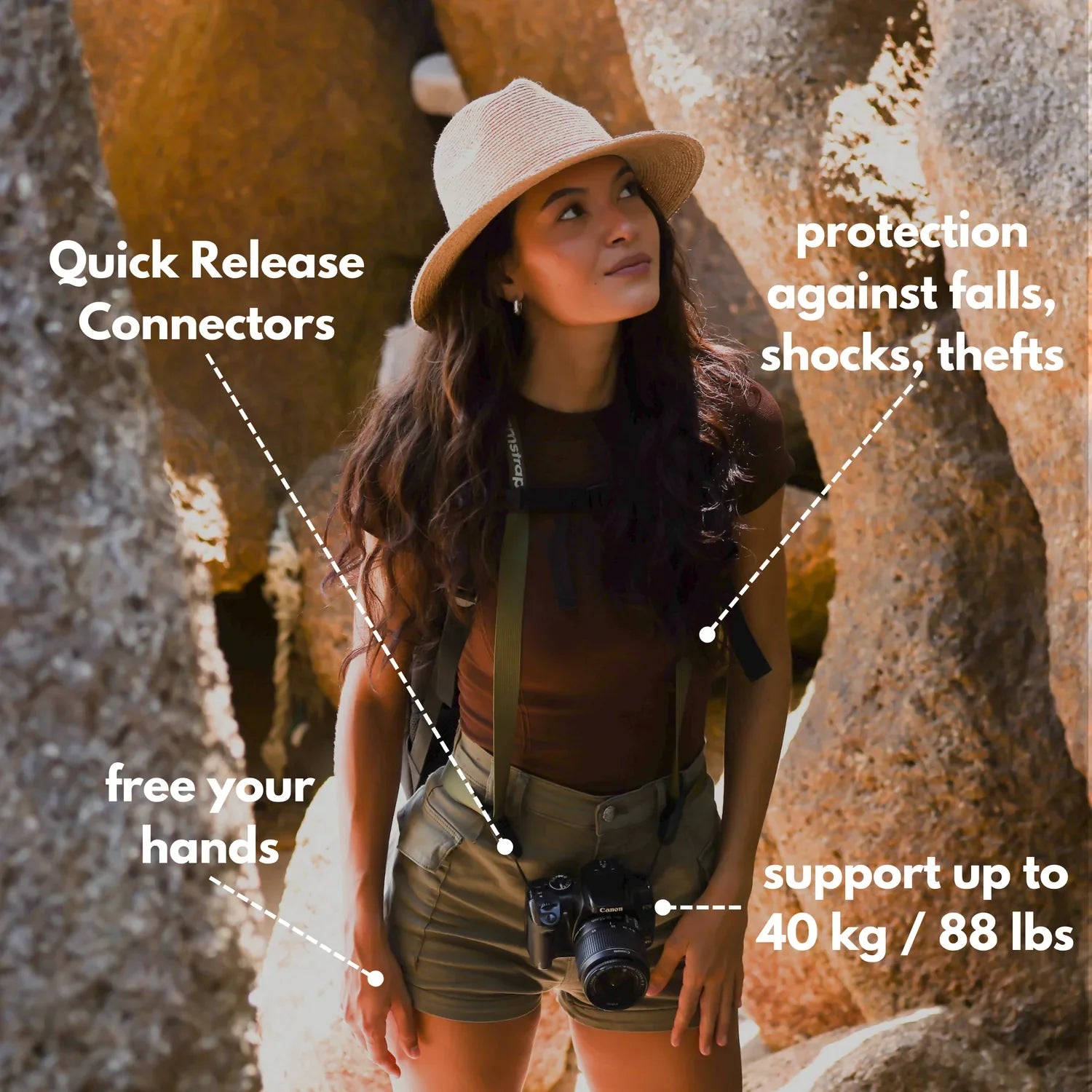
By choosing the Camstrap strap, you are opting for a high-quality product designed to meet the needs of the most demanding photographers.
- Developed by a physiotherapist to relieve neck and back pain.
- Fast delivery with tracking by the Post Office 🚚
- Can be used as a shoulder strap or hands-free harness

- Regular price
-
€36 - Regular price
-
€42 - Sale price
-
€36
Translation missing: en.blog_cta.free_shipping_included
Why sidewalk scenes punish slow focus
Street candids often fall apart because both the subject and the camera are moving. A person may walk toward you, step around a pole, or turn their head before the shutter opens.
That movement makes focus harder than it looks. If the camera hunts for the subject, the moment is gone before the shot locks.

What usually goes wrong
- The focus point slips off the face or torso.
- The shutter speed stays too low for the subject’s pace.
- The camera grabs the background instead of the person.
- The shooter waits for perfect stillness, which rarely comes.
Shutter speed matters as much as autofocus. A speed of 1/250s usually freezes a walking person, while 1/500s helps when the subject moves faster. When the action picks up, move to 1/1000s or faster. Canon notes that faster shutters freeze motion, while slower ones can be used for panning and blur.
How do I focus quickly for street candid shots?
Use continuous autofocus and give the camera one clear target. Canon recommends Servo AF for moving subjects, and that setting keeps adjusting as the person moves. Back-button focus helps too. It lets me lock focus with my thumb and fire the shutter without refocusing every time I press it.

A fast setup that works
- Set the camera to AF-C or AI Servo.
- Choose a single point or a small zone.
- Place that point on the near eye, face, or upper chest.
- Hold focus with the rear button as the subject enters range.
- Fire in a short burst when the expression lands.
Short bursts help because one frame usually lands better than the rest. Continuous shooting gives a small sequence, which raises the odds of a sharp candid while the subject moves. On many mid-tier bodies, a RAW buffer may hold about 20 to 30 frames before slowing. That is enough for a quick street moment, but only if the bursts stay short and the card writes fast.
What lens works best for photographing people in motion on sidewalks?
A 35mm or 50mm lens is the cleanest place to start. A 50mm lens gives a natural view, while 35mm leaves a little more room when people pass close.
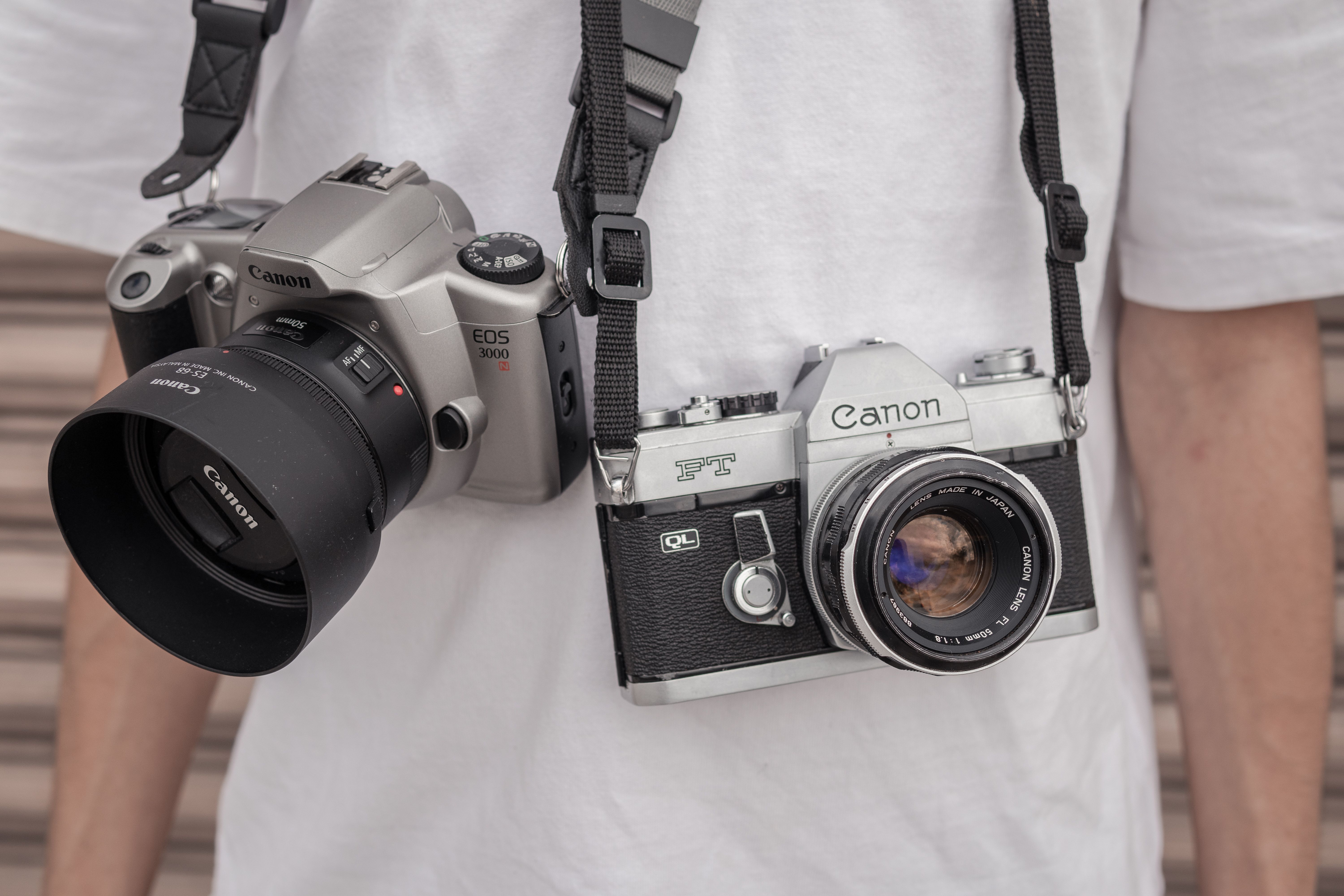
For tighter frames, an 85mm lens can work well. It lets you stand back a little, which helps when you want more space and less clutter in the scene.
Lens choices that fit the scene
- 35mm: good for close street moments and small groups.
- 50mm: balanced for clean candids and easy framing.
- 85mm: useful for stronger subject separation and less crowd noise in the frame.
A wide aperture helps too. An f/2 to f/2.8 lens lets in more light and softens the background, which makes a moving person stand out faster. Still, a very wide aperture can shrink depth of field. Focus has to land precisely on the face, or the ear may be sharp while the eyes go soft.
How can I keep my camera ready without drawing attention?
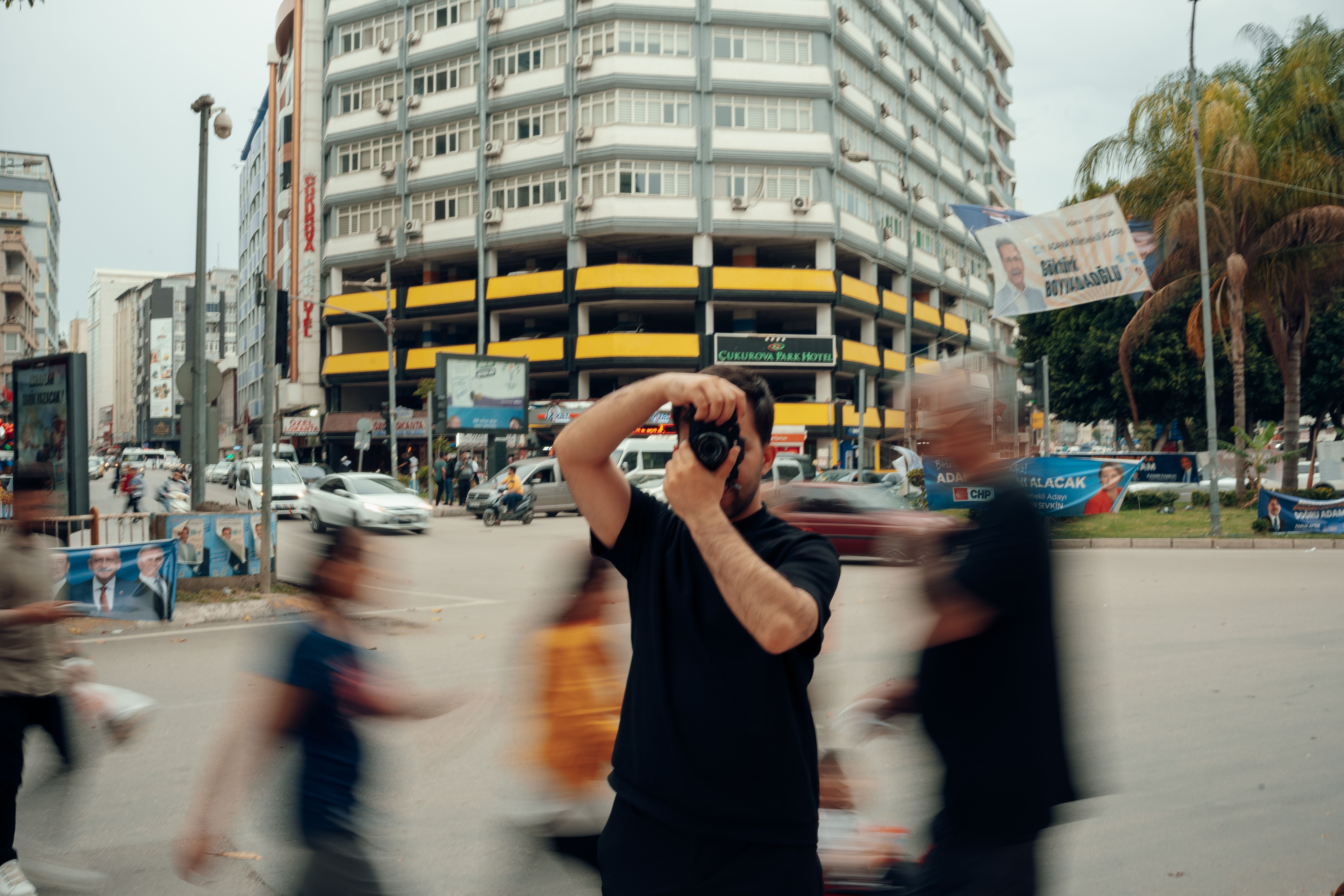
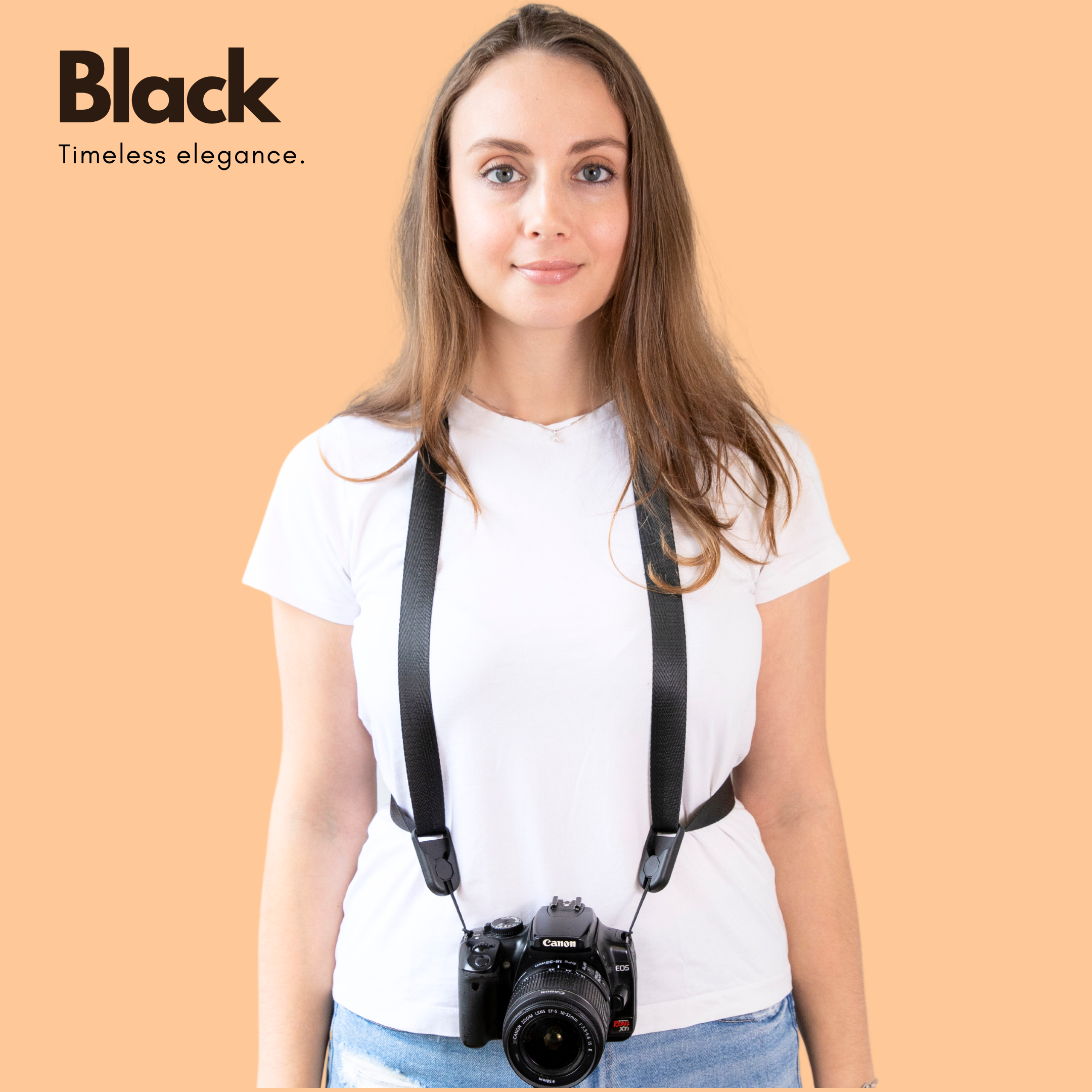
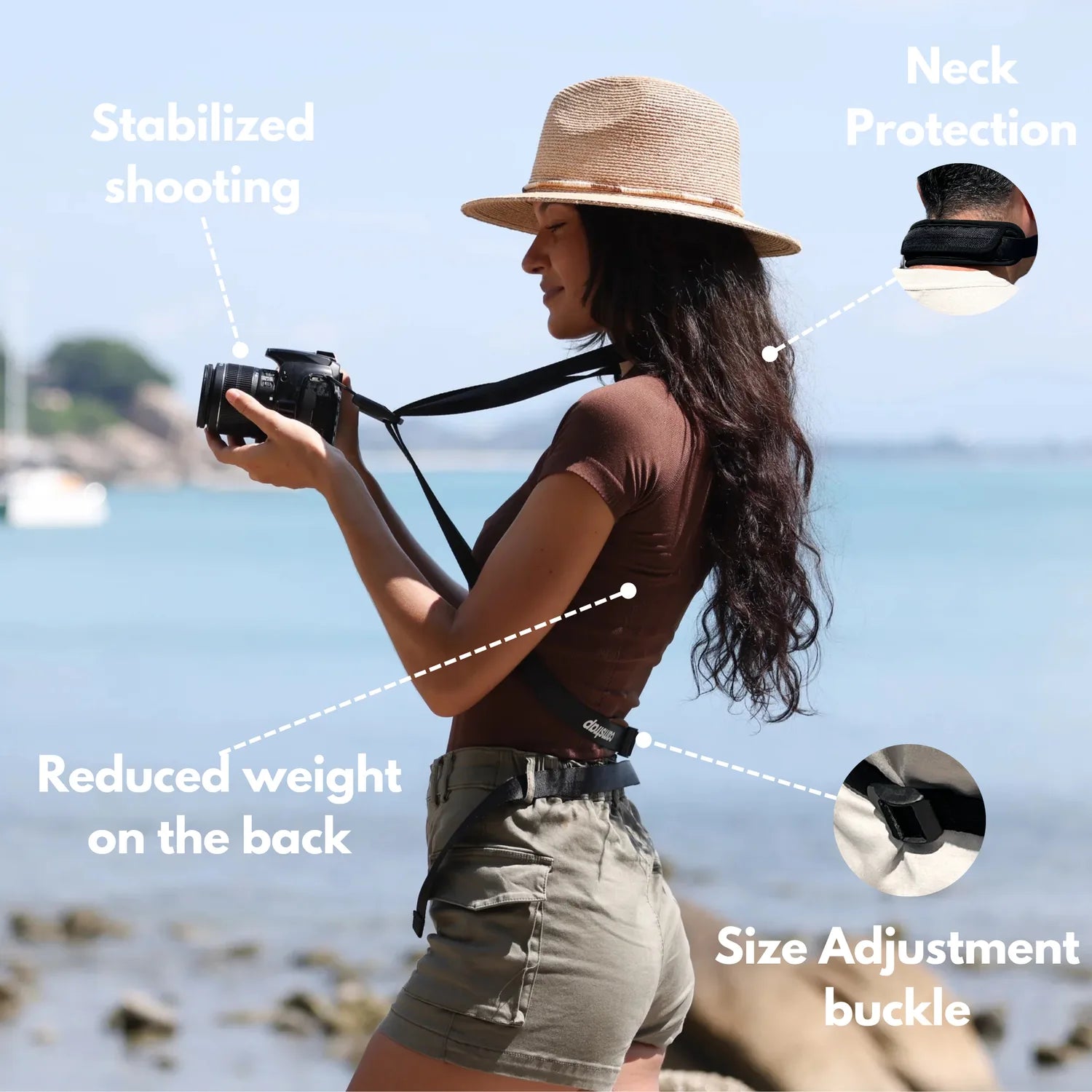
Keep the camera low and ready, then bring it up in one smooth move. A hands-free strap or clip helps here, because it keeps the camera secure while you walk and prevents the long hold that makes people stare.
A strap with even weight spread across the body also reduces bounce on a moving sidewalk. Camstrap Voyager fits this kind of use well because it keeps the camera close, stable, and quick to lift with one hand.
Low-profile habits that help
- Keep the lens cap off before you enter a busy block.
- Pre-set exposure before you stop walking.
- Use silent or quiet drive mode if your body supports it.
- Hold the camera at chest level until the subject enters frame.
Exposure preview on the rear screen or EVF can save time, but it drains power faster. On mirrorless bodies, the always-on display and image review use more battery than the shutter itself. That tradeoff matters during long walks. If the camera stays awake, carry a spare battery and cut back on review time after each frame.

Why do my street photos look soft when I shoot fast?
Soft frames usually come from motion blur, focus miss, or camera shake. A slow shutter speed is the easiest one to spot, but it is not the only cause.
Use the focal-length rule as a floor when shooting handheld. Photographylife suggests a shutter speed at least as fast as your focal length, so a 125mm lens calls for about 1/125s or faster.
Simple checks after a missed frame
- Was the shutter speed at least 1/250s for a walking subject?
- Did the focus point stay on the face or upper body?
- Did the subject turn during the exposure?
- Did you zoom in too far for the light you had?

Electronic shutters can also cause trouble with fast motion. They may create rolling-shutter distortion, which can bend lines or stretch parts of the subject. That effect is easy to miss on a quick glance. It shows up most with very fast movement or when you pan too quickly past vertical lines.
How do I choose focus points for passing subjects?
Pick the simplest point that still gives you control. A single point works best when you can place it on the subject early, while a small zone handles people moving across the frame more easily.
If your camera offers subject detection, turn it on and test it with people on the move. Eye detection can help, but it still works best when the face stays visible and the light is decent.
Point selection by situation

- Single point: use it for clear, predictable paths.
- Small zone: use it when subjects enter from the edge.
- Wide area with tracking: use it when the crowd is busy and spacing changes fast.
Place the point where the subject will be, not where they were. That small shift helps when someone walks through the frame at an angle. For moving feet and quick turns, keep your stance steady and pan from the waist. A smooth pan can protect focus, while a jerky move can pull the point off target in one second.
Field settings that hold up on a moving sidewalk
A practical street setup starts with shutter priority or manual mode. I set about 1/500s for most sidewalk work, then open the lens to f/2 to f/2.8 and raise ISO as needed.
That approach keeps the subject sharp while leaving room for light changes. If the light falls, I lift ISO before I let the shutter drop too far.

Useful camera habits for the walk
- Use continuous shooting only in short bursts.
- Keep the camera in Servo AF for moving people.
- Review only when you reach a pause in the flow.
- Carry a fast card, such as UHS-II V60 or V90, if your body supports it.
Card speed matters most when you shoot RAW bursts or use pre-capture features. A faster card clears the buffer sooner, which keeps the camera ready for the next subject. Pre-capture is especially useful for street work because it records frames just before the full press. That extra slice of time can catch a glance, a step, or a hand gesture that you would otherwise miss.
Closing the gap between setup and timing
Clean sidewalk candids come from timing, not luck. You need the right shutter speed, a steady focus mode, and a camera that is ready before the moment arrives.
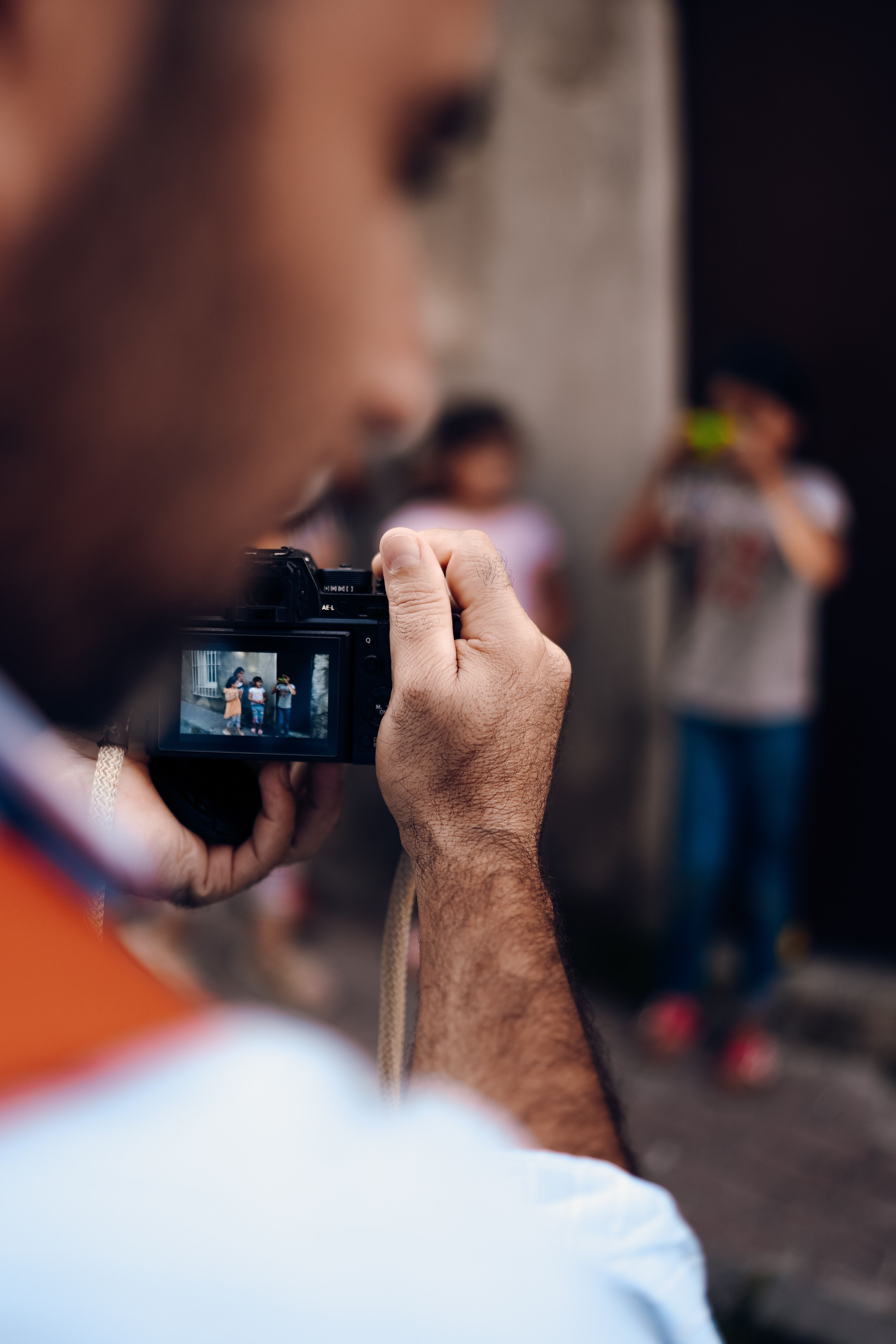
Use Servo AF, keep a close focus point on the face, and stay at 1/250s or faster when people are walking. If the scene gets quicker, move toward 1/500s or 1/1000s and keep your bursts short.
One last habit pays off in a very practical way: walk with the camera secure, already awake, and already dialed in. The moment often appears in the next three steps, not after you stop and start again.
Frequently Asked Questions
How do I focus quickly for street candid shots?
To focus quickly for street candid shots, use continuous autofocus (AF-C or Servo AF) and place a single focus point on the near eye, face, or upper chest. Back-button focus helps because it locks focus with the thumb and prevents refocusing every time the shutter is pressed.
What lens works best for photographing people in motion on sidewalks?
A 35mm or 50mm lens works best for photographing people in motion on sidewalks because both give a natural perspective and are easy to frame quickly. An 85mm lens is useful when a tighter view and more subject separation are needed.
How can I keep my camera ready without drawing attention?
To keep a camera ready without drawing attention, pre-set focus, exposure, and drive mode before the subject enters the frame so the camera only needs a quick press. Holding the camera in position and using short bursts lets street candids happen with minimal movement and less notice.
Why do my street photos look soft when I shoot fast?
Street photos look soft when the focus point slips off the face or torso, the camera grabs the background, or the shutter speed is too low for the subject’s movement. Fast-moving sidewalk candids often need 1/250s for walking subjects, 1/500s for faster movement, and 1/1000s or faster when the action picks up.
How do I choose focus points for passing subjects?
For passing subjects, choose a single focus point or a small zone and keep it on the nearest eye, face, or upper chest. A tight focus area gives the camera one clear target and reduces the chance that it locks onto the background instead of the person.
Sources