


- Check a local sun app and shoot the first 45–60 minutes before sunset.
- Expose for the bright sky, then lift shadows in RAW to recover faces.
- Arrive set up early, use continuous AF, and keep your camera ready to move.
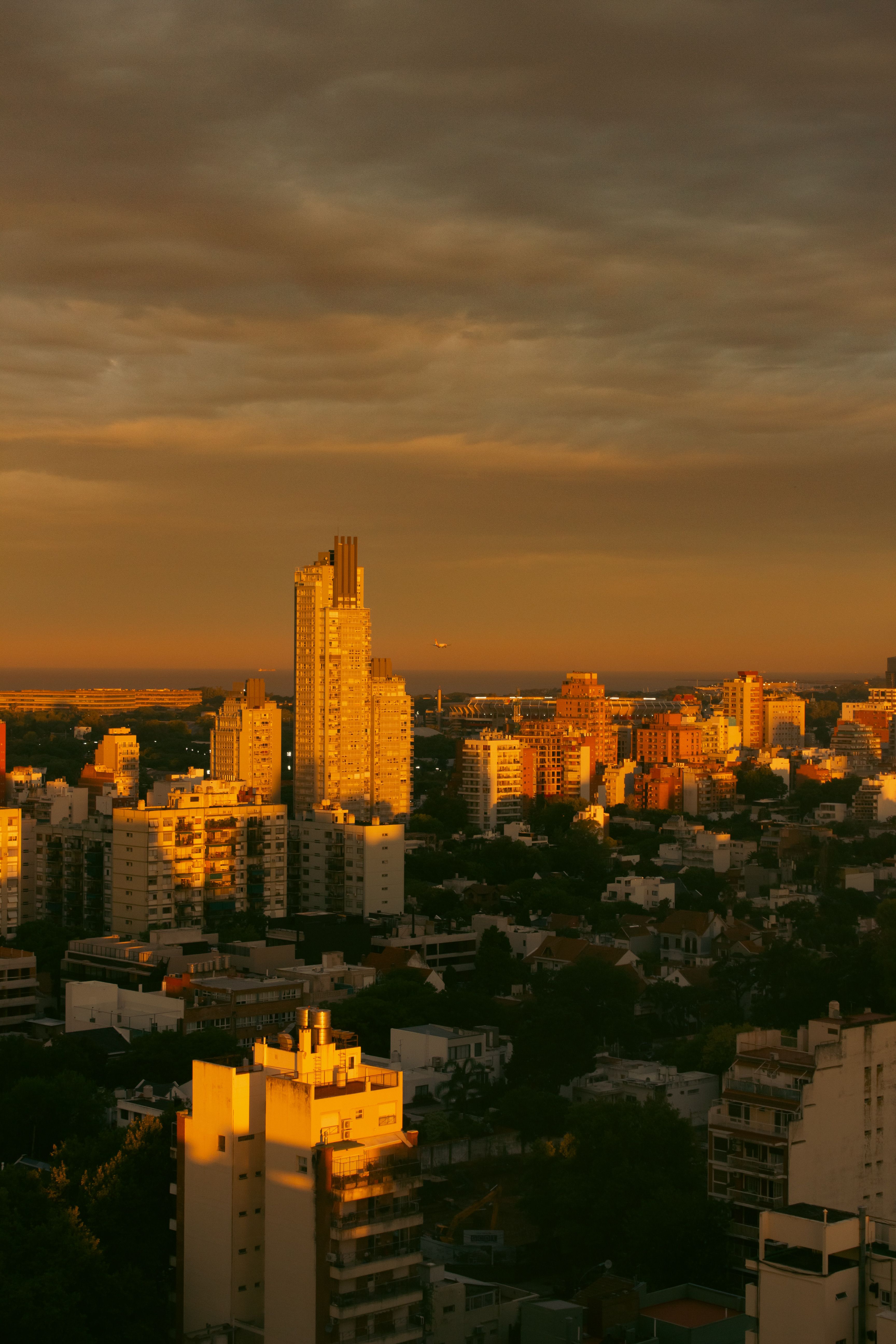
Golden hour vacation photography is about making pictures in the short stretch of warm light after sunrise and before sunset. On trips, that light can shift quickly, so the strongest frames usually come from fast decisions and simple settings.
Shop the setup

- Regular price
-
€42 - Regular price
-
€44 - Sale price
-
€42
By choosing the Camstrap strap, you are opting for a high-quality product designed to meet the needs of the most demanding photographers.
- Developed by a physiotherapist to relieve neck and back pain.
- Fast delivery with tracking by the Post Office 🚚
- Can be used as a shoulder strap or hands-free harness

- Regular price
-
€36 - Regular price
-
€42 - Sale price
-
€36
Free shipping included
Vacation scenes move quickly too. You might be walking, changing locations, and shooting from a beach, a hill, or a city street within minutes. A little planning helps more than hauling the perfect body and lens.
Why this light feels so special
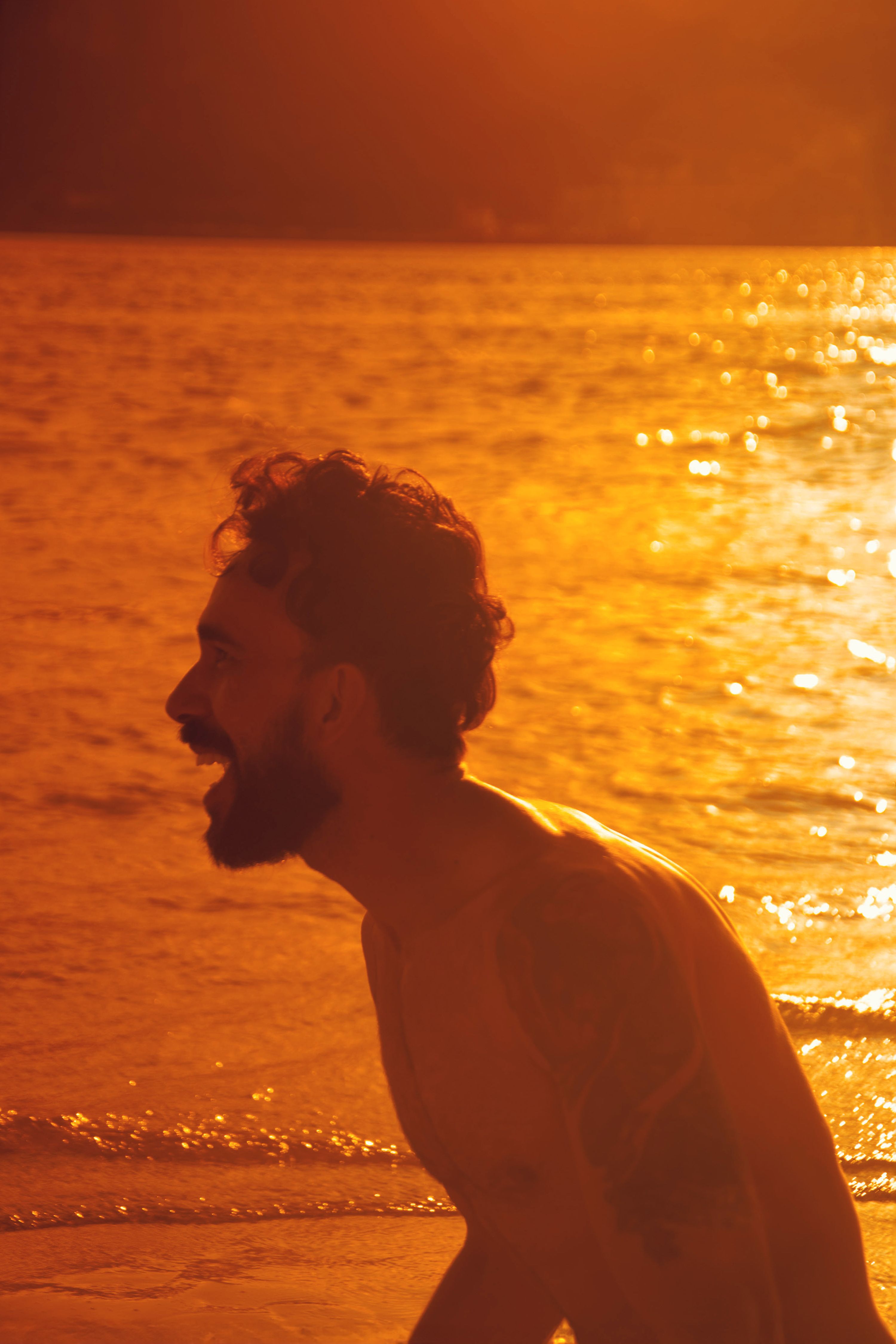
Golden hour gives you soft, low light with warm color and long shadows. With the sun sitting low, faces and buildings get side light instead of the harsh overhead look. Skin looks smoother, and roads, water, and sand pick up depth. Near the horizon, the scene can change every few minutes.
The short window you can count on
Golden hour is often the first 60 minutes after sunrise and the last 60 minutes before sunset. Season and latitude change the exact window, so a summer evening near the equator can feel shorter than one farther north.
In high summer, the warm peak may last only a few minutes before the sun drops. Near the poles, the light can stay soft for much longer.
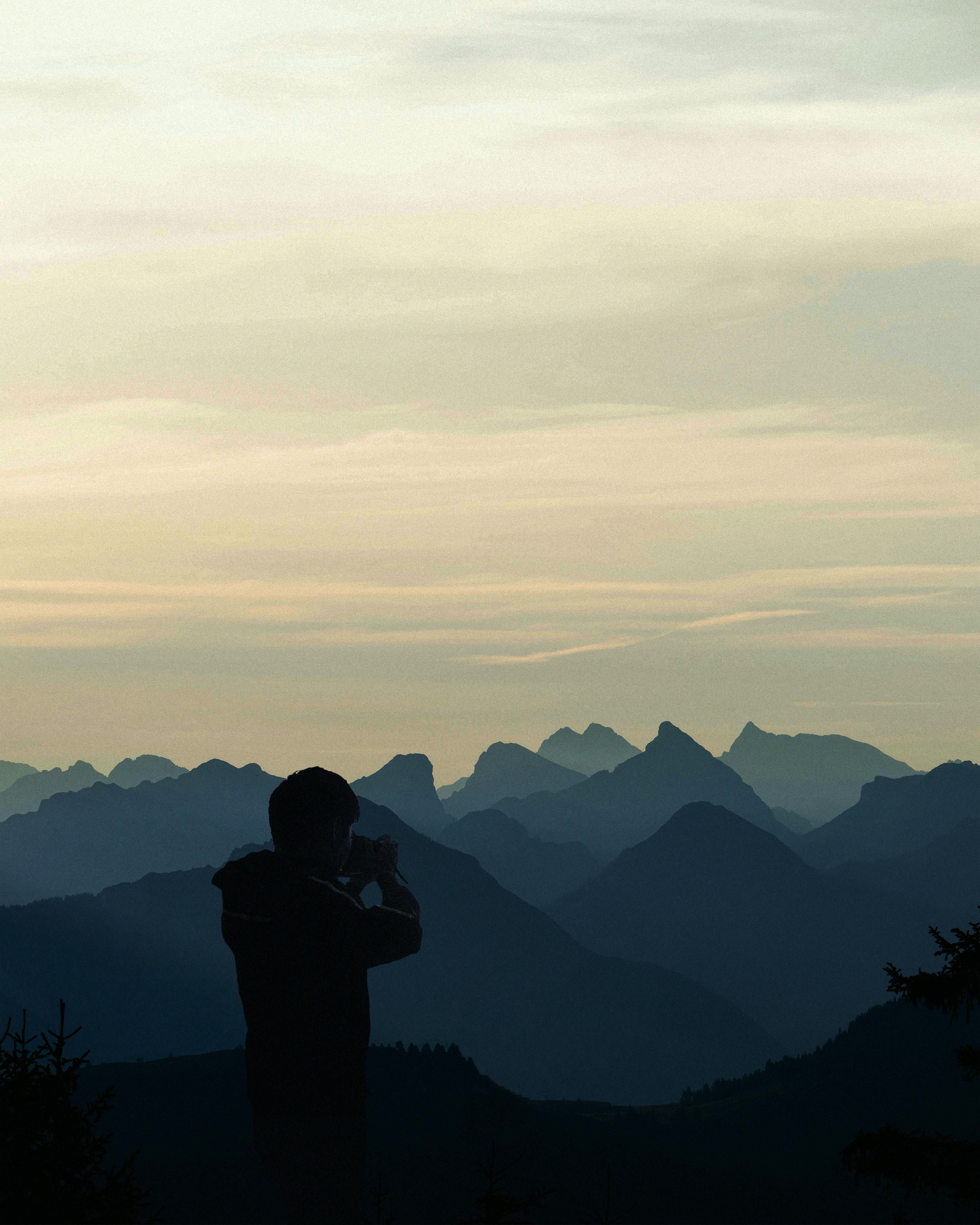
What time is golden hour in summer?
In summer, golden hour usually starts about 45 to 60 minutes before sunset and runs until the sun slips below the horizon. Around sunrise, it often begins in the first hour after the sun appears, but the exact time depends on where you are. Near 40° latitude, the evening window may last longer than expected. Near the tropics, the change can feel much faster, so checking a local sun app before you head out saves time.
Set your camera before the color drops
Arrive early and lock in your base setup before the light shifts. Aperture priority or manual mode works well, and quick tweaks become easier when the camera is already ready.
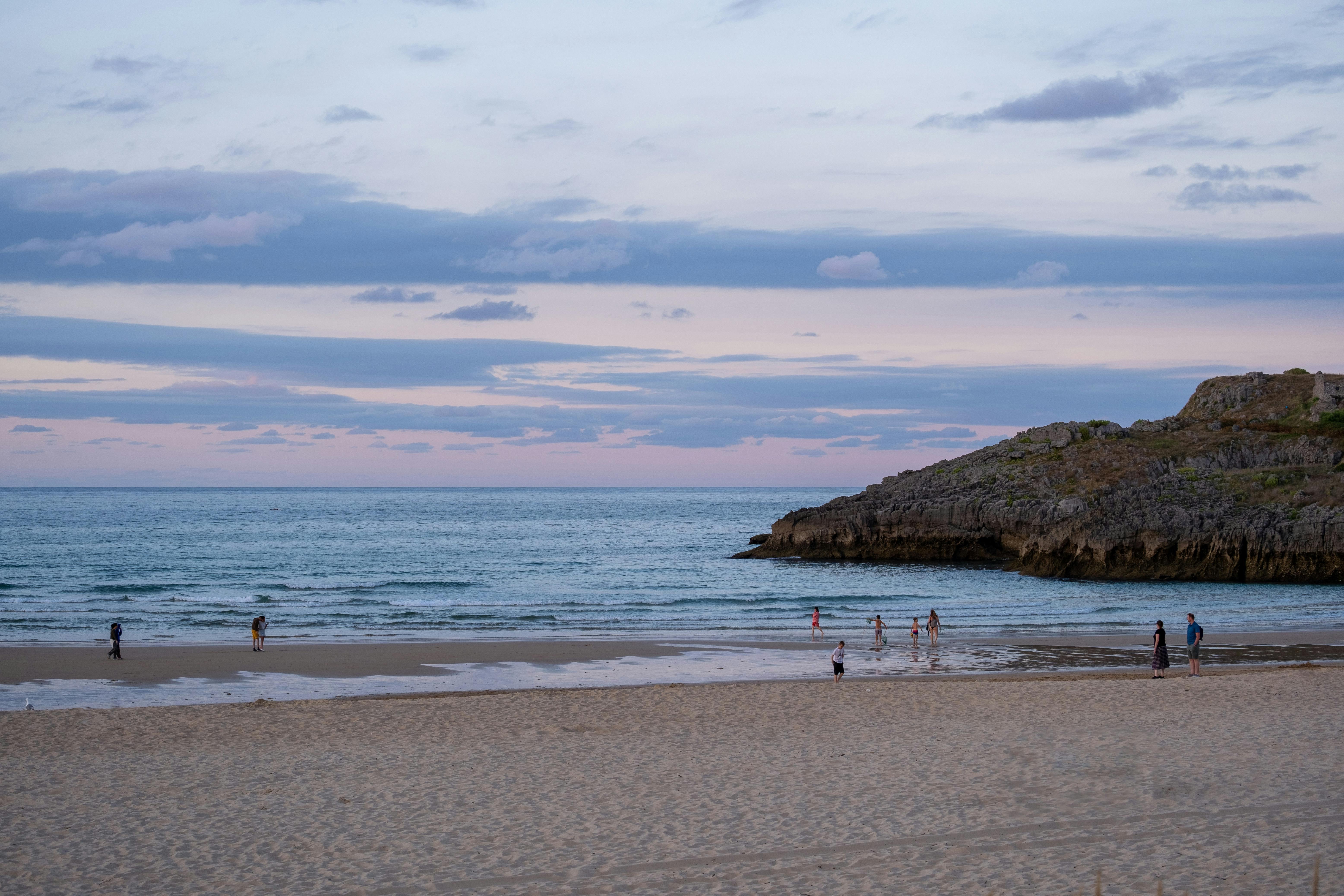
For portraits, start near f/2.8 to f/4, 1/125s, and ISO 100 to 200. For landscapes, try f/8 to f/11, with a tripod and a slower shutter, often from 1/15s to 1s.
A fast setup that keeps you moving
- Set AF-C or continuous AF with eye or subject detection.
- Use matrix or evaluative metering as a starting point.
- Dial in exposure compensation at -0.3 to -1 EV when the sky is bright.
- Keep RAW on if you plan to fix color or shadows later.
- Use a wide zoom, like 24mm to 70mm, or a fast prime around 50mm or 85mm for people.
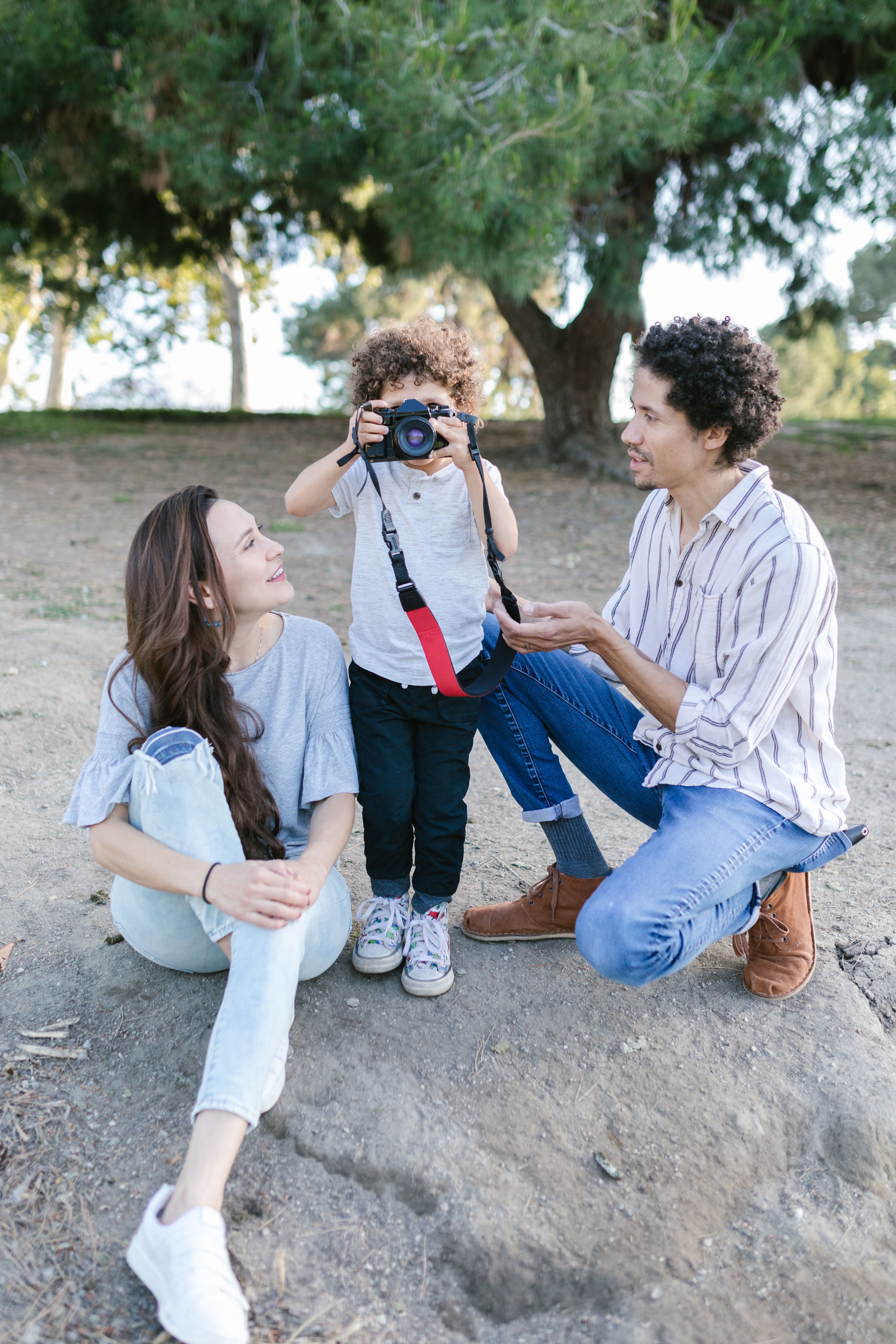
A secure strap helps when you shift spots without packing the camera away. A quick-adjust design, like the Camstrap voyager, makes the move smoother from a pier to a lookout point.

How do I shoot better sunset photos on holiday?
Better holiday sunset photos come from smart timing, simple framing, and small exposure checks every few minutes. The light fades fast, so you need to shoot, review, and adjust without slowing down. Start with the sun behind or beside your subject, then look for shape and color in the sky. If the sun is still bright, underexpose a little to protect the highlights and keep cloud detail.
A practical order for the last 20 minutes
- Make your wide shot first while the sky still has color.
- Move in for people, boats, signs, or trees that add scale.
- Lower exposure by about 1/3 to 1 stop if the sky blows out.
- Take one set with the sun in frame, then one set with it hidden.
- Change position again when the sun touches the horizon.
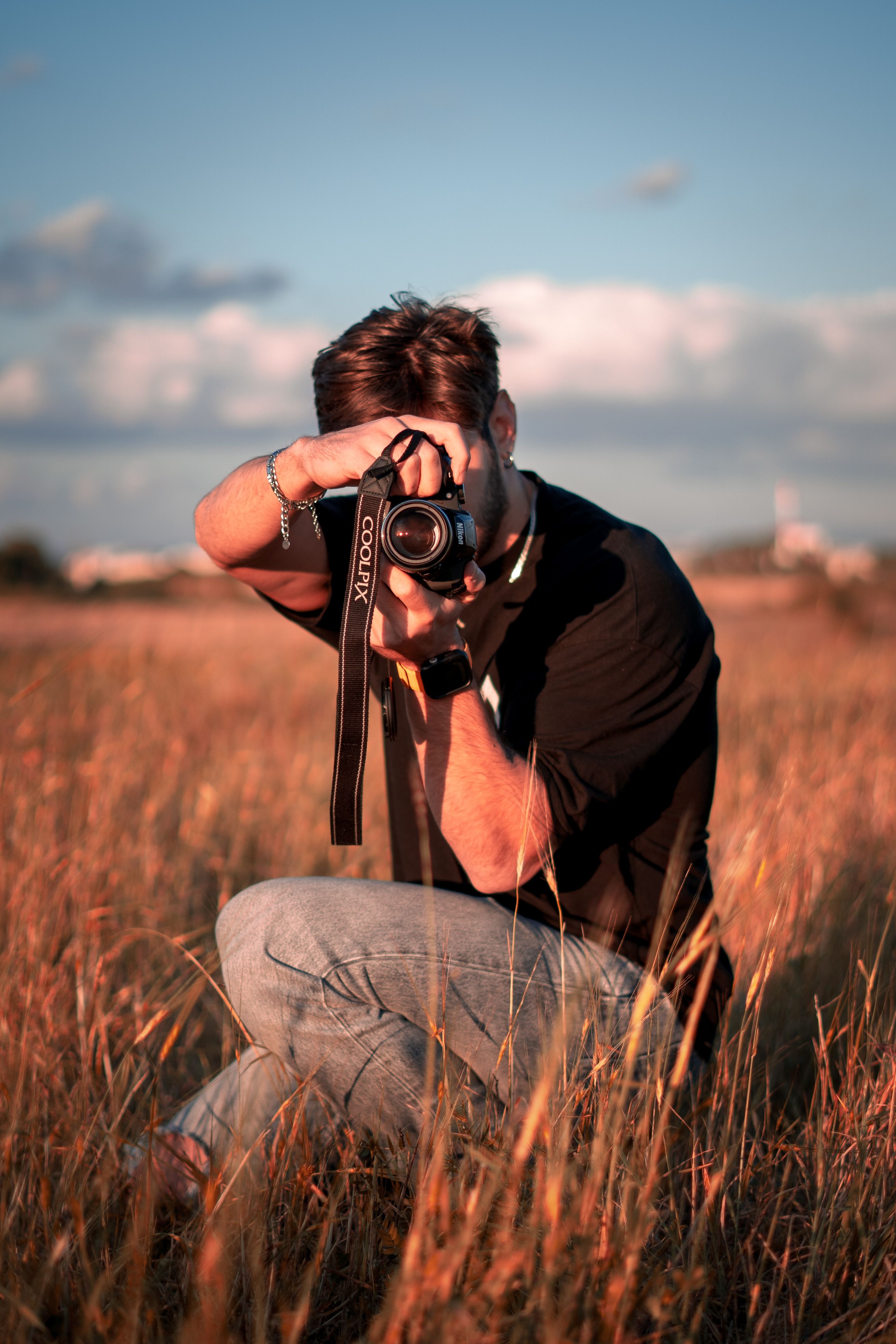
For portraits, place the subject in open shade and let warm light catch the edge of the face or hair. For landscapes, keep the horizon level and leave room in the frame for the glow above it.
Use the scene, not just the sun
Vacation photos feel stronger when the location adds a story. A small boat, a palm tree, a balcony rail, or a street sign can turn a pretty sky into a real memory.
Try a lower angle if the sky looks plain. Then let the subject cut into the light and create a clear shape against the color.
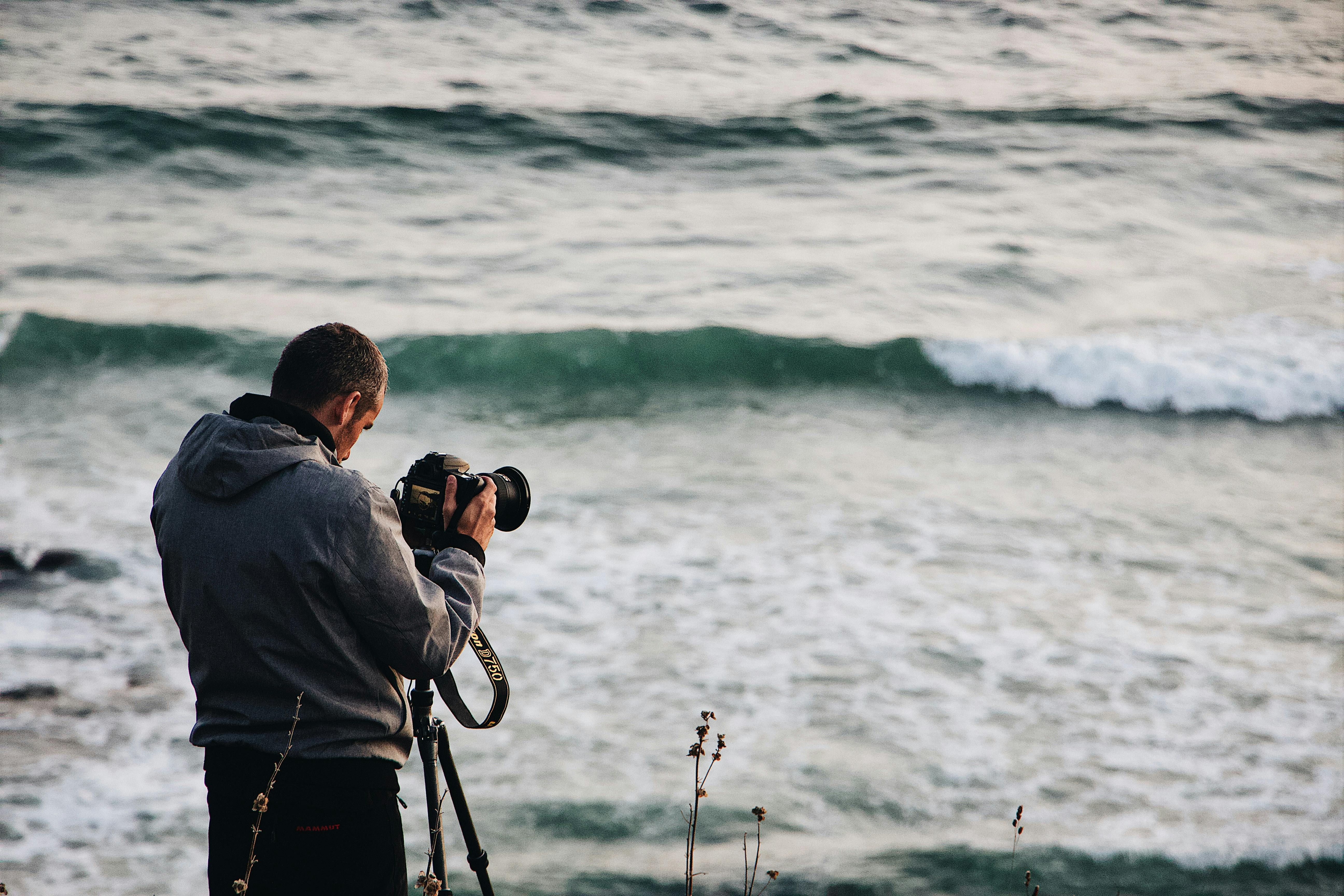
Why do my sunset photos look too dark?
Sunset photos look too dark because the camera often exposes for the bright sky and leaves the foreground underlit. Strong contrast between the sun and shaded people or buildings makes it worse. Exposure can also shift when you recompose. If your frame changes from open sky to dark land, the meter may pull the whole image down.
Fixing exposure without losing the sky
Use exposure compensation first, then check the histogram if your camera shows one. A small boost of +0.3 to +1 EV can help faces, but too much will clip the sky.
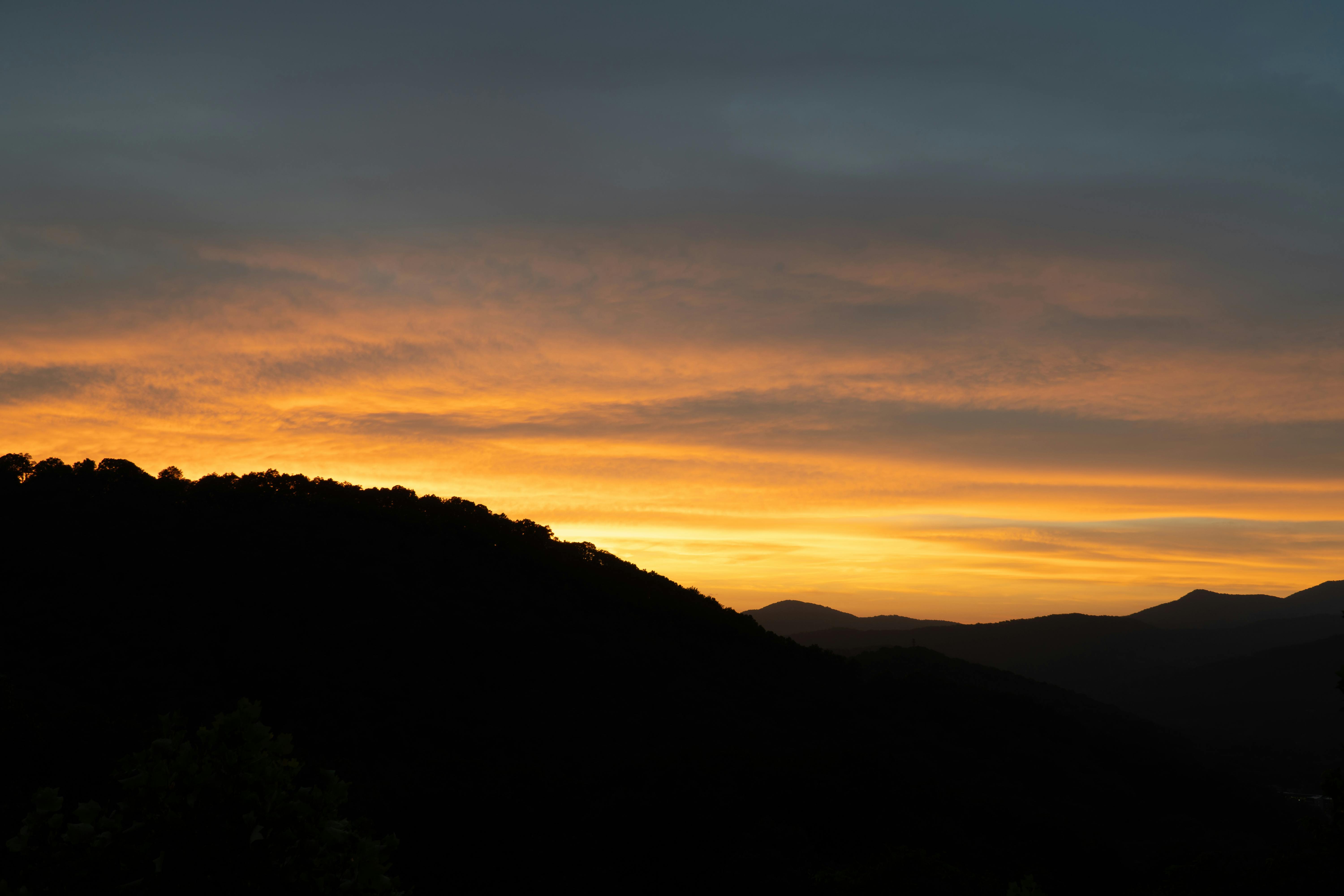
If the light keeps fading, use a tripod and drop shutter speed instead of raising ISO too high. That keeps noise lower and gives you more room to edit later.
Bracketing helps when the contrast is strong. A useful set is 3 to 5 frames at -2, -1, 0, +1, and +2 EV, which gives you options for a blend or HDR edit later.
Make portraits and landscapes work with the same fading light
Portraits and landscapes need different settings, but the goal stays the same. You want enough light on the subject and enough detail in the scene. For people, a 50mm to 85mm lens keeps faces natural and helps the background fall away. For scenes, a 24mm or wider lens lets you hold more sky and shape in the frame.
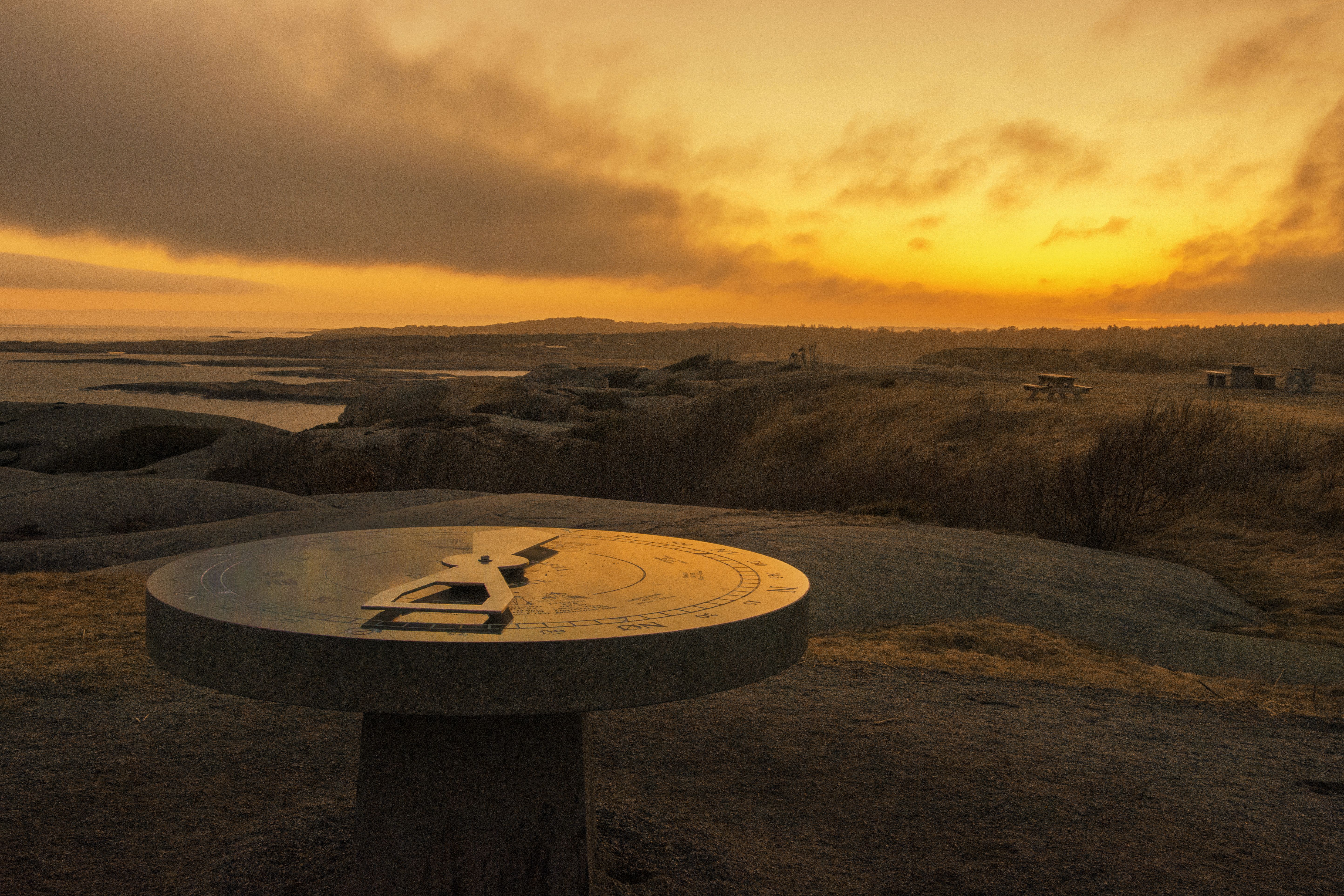
Portraits with warm edge light
Set f/2.8 to f/4 and keep shutter speed around 1/125s if your subject is moving a little. ISO 100 to 200 usually gives a clean file in strong evening light.
Turn the subject so the sun hits the hair or shoulder from the side. Then lift the face with a reflector, a light wall, or a patch of open shade.
Scenes that stay sharp
For travel landscapes, f/8 to f/11 keeps more of the frame sharp. On a tripod, shutter speed can fall from 1/15s to 1s without trouble if the camera stays still. Use a self-timer or remote release to avoid shake. This matters once the light fades and shutter speeds get longer.
Tools that help when the light keeps moving
Fast-changing light rewards gear that saves seconds, not fancy extras. A camera with pre-capture or pre-burst can help when a bird, a wave, or a person steps into the frame at the right moment.
For many mid-tier mirrorless bodies, a burst of about 3 to 6 RAW frames will not fill the buffer fast. A deeper burst can still slow down after a few dozen RAW shots, though JPEG usually clears faster than RAW.

- UHS-II cards with V60 or V90 speed ratings help the camera clear files sooner.
- CFexpress cards help more on bodies that support them.
- Back-button focus keeps focus separate from the shutter.
- Electronic shutters can reach 20 to 40 fps, but they may show rolling-shutter skew or banding under LEDs.
Battery use also matters on vacation. The EVF, LCD, and image review drain power faster than the sensor itself, so lower screen brightness and fewer playback checks can stretch a charge.
Finish strong before the color is gone
The last part of golden hour often gives the richest color and the hardest exposure. By then, you should already know your base settings and your best angle. Move one last time if the view opens up. Then take a final frame for shape, a final frame for color, and a final frame for mood.

By the end, the simplest shot is often the one that holds up best: a frame you were ready to make in ten seconds before the light disappeared.
Frequently Asked Questions
What time is golden hour in summer?
In summer, golden hour usually starts about 45 to 60 minutes before sunset and runs until the sun slips below the horizon. Around sunrise, it often begins in the first hour after the sun appears, but the exact time depends on location and latitude.

How do I shoot better sunset photos on holiday?
Better holiday sunset photos come from arriving early, using simple framing, and checking exposure every few minutes as the light changes fast. Golden hour vacation photography works best with the sun behind or beside the subject, a ready camera setup, and small exposure adjustments to keep color in the sky.
Why do my sunset photos look too dark?
Sunset photos often look too dark because the bright sky tricks the camera meter into underexposing the subject. Golden hour scenes usually need a small positive exposure adjustment, or a deliberate underexposure of the sky followed by shadow recovery from RAW files.


