


How to Shoot Candid, Documentary-Style Photos of Everyday Life in 2025 With Just One Camera and Strap
Candid, documentary-style photos feel real and alive. They show life as it happens, not how we pose it. In 2025, you do not need a big kit to shoot this way. One small camera and a smart strap are enough to follow your day and catch honest moments.
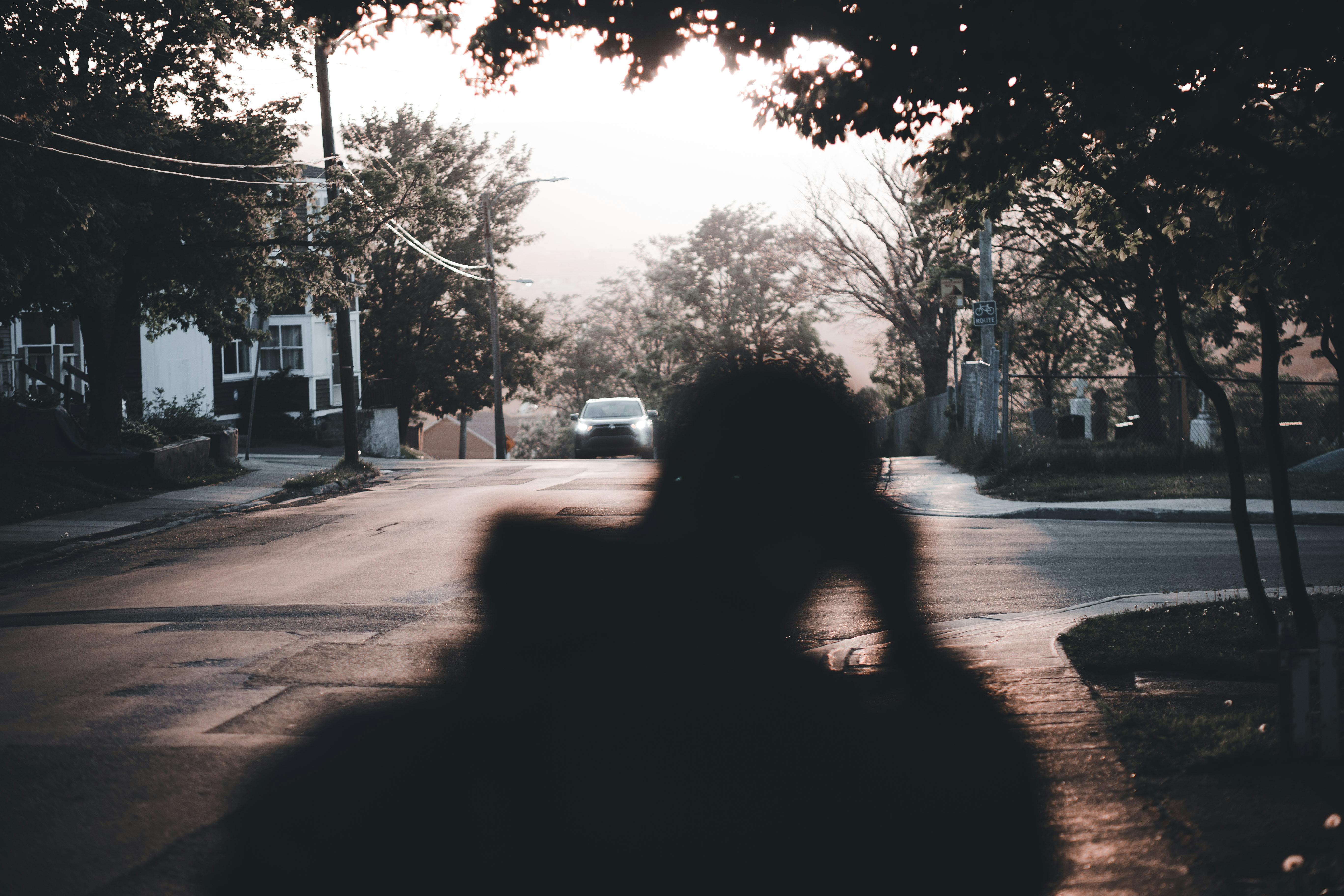
This guide will show you how to shoot strong candid photos with a light setup. We will look at gear, simple camera settings, and how to blend in. We will also see how the right strap, like a Camstrap model, can help you stay ready without feeling weighed down.
How Candid, Documentary-Style Photos Tell Real Stories
Candid, documentary-style photos tell real stories. They show true smiles, quiet thoughts, and small details that we often miss. Many people now prefer natural images over stiff poses. They want photos that feel like memories, not ads.
When you shoot this way, you do more than record faces. You capture mood, place, and connection. A child tying a shoe or a friend laughing in a café can become a strong photo. An older person watching the street can also show deep feeling. Because you shoot your own life, you always have subjects around you.
How to Travel Light: One Camera, One Strap, and Less Stress
Many candid experts agree on one thing. You should travel light. Heavy bags and big lenses slow you down and make people notice you. A small camera with a prime lens hangs at your side and lets you move fast. It also makes you look less like a “pro,” so people relax sooner.
How to Choose a Simple Camera Setup
You can shoot great candid photos with almost any modern camera. A compact mirrorless body or small DSLR works well because it is light and quiet. Many street and candid shooters use just one prime lens, often a 35mm or 50mm. These lenses are small, sharp, and bright in low light.
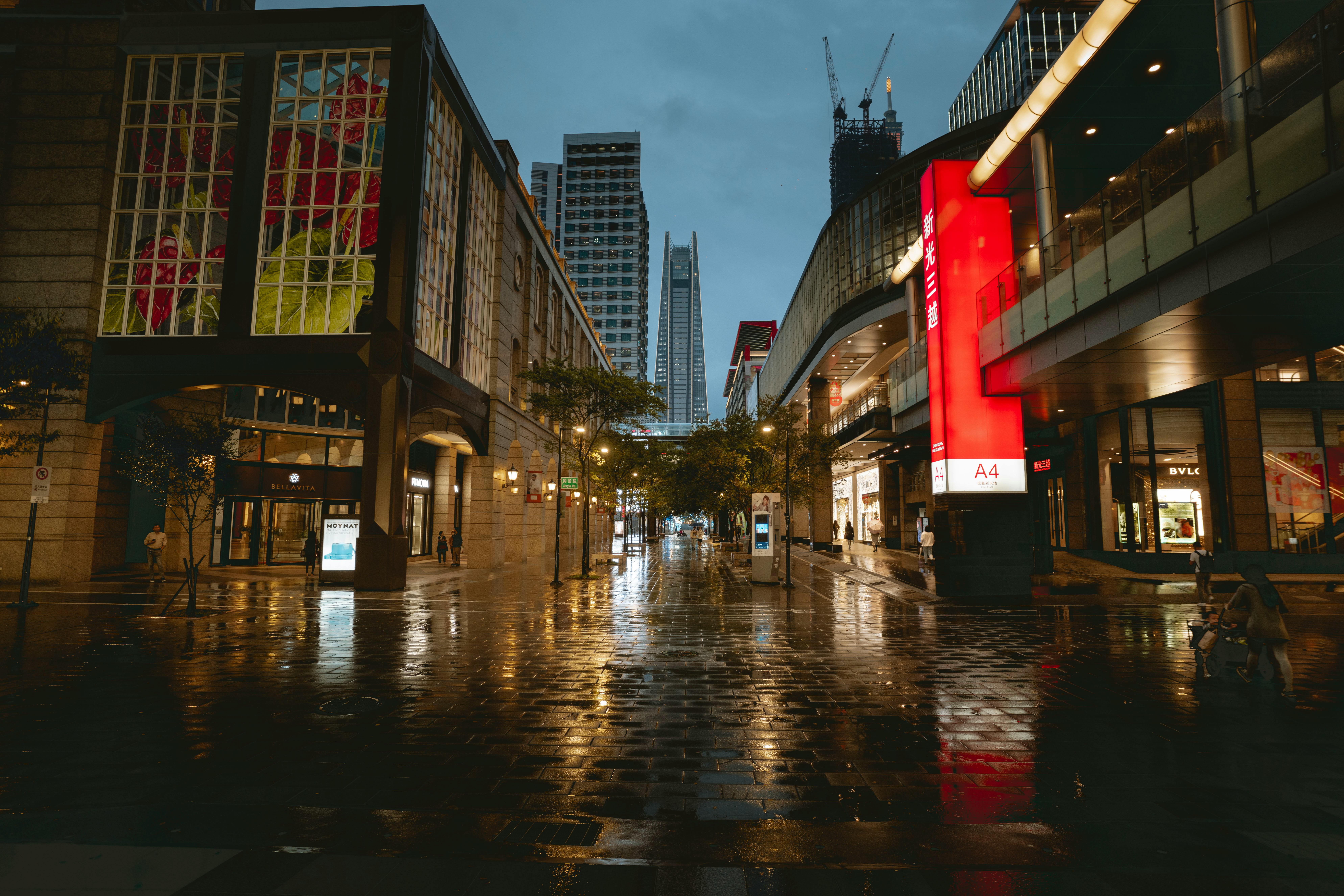
Why one lens? Limits help you grow. When you stick with one focal length, you learn how it sees the world. You stop thinking about gear and start watching moments. Many street photography guides say a single 35mm or 50mm lens can cover most daily scenes.
How the Right Strap Changes Your Shooting Day
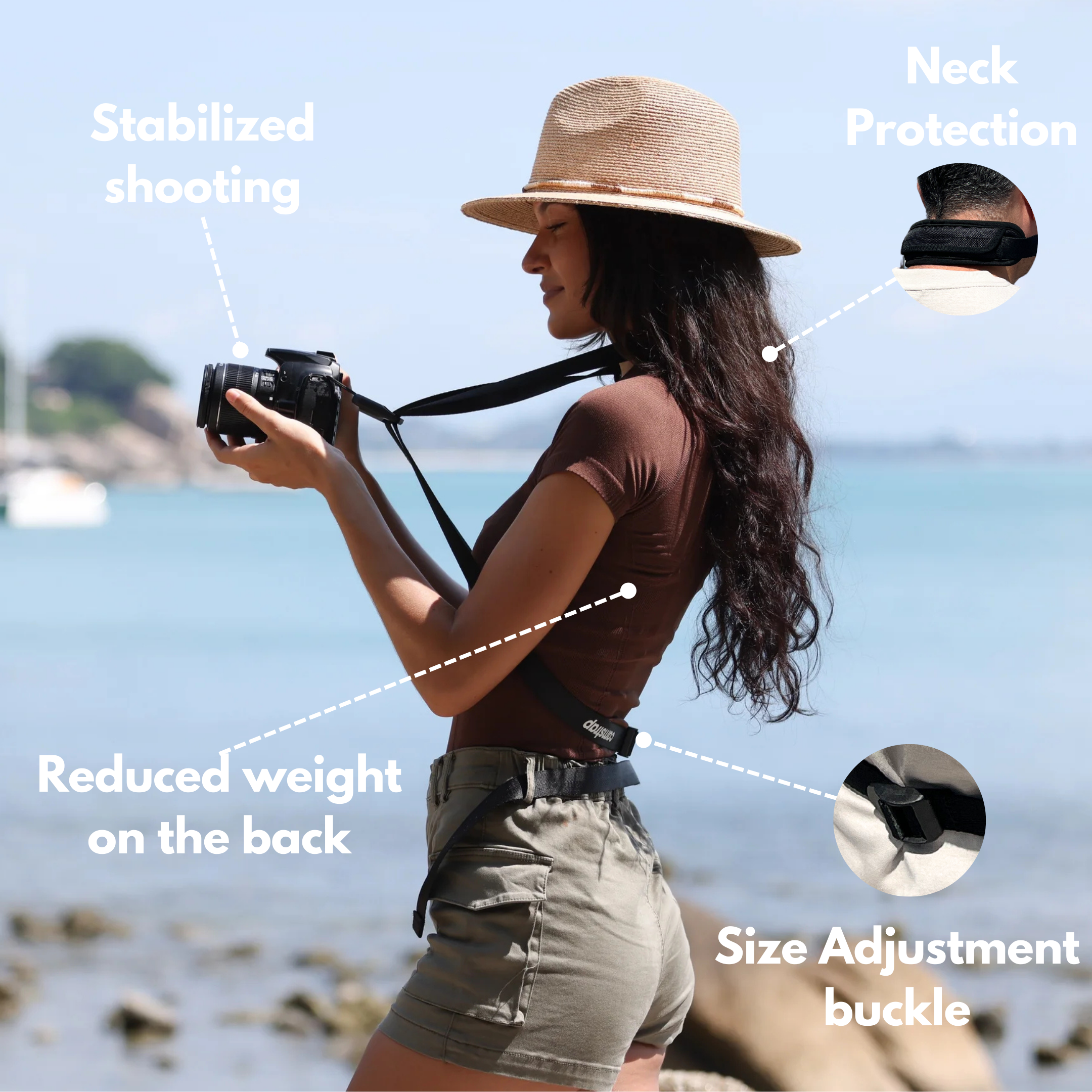
Your strap is the link between you and your camera. A bad strap digs into your neck, twists, or gets in the way. Then you leave your camera in your bag and miss shots. A good strap lets you carry the camera all day with less pain. It also helps you bring the camera to your eye fast when something happens.
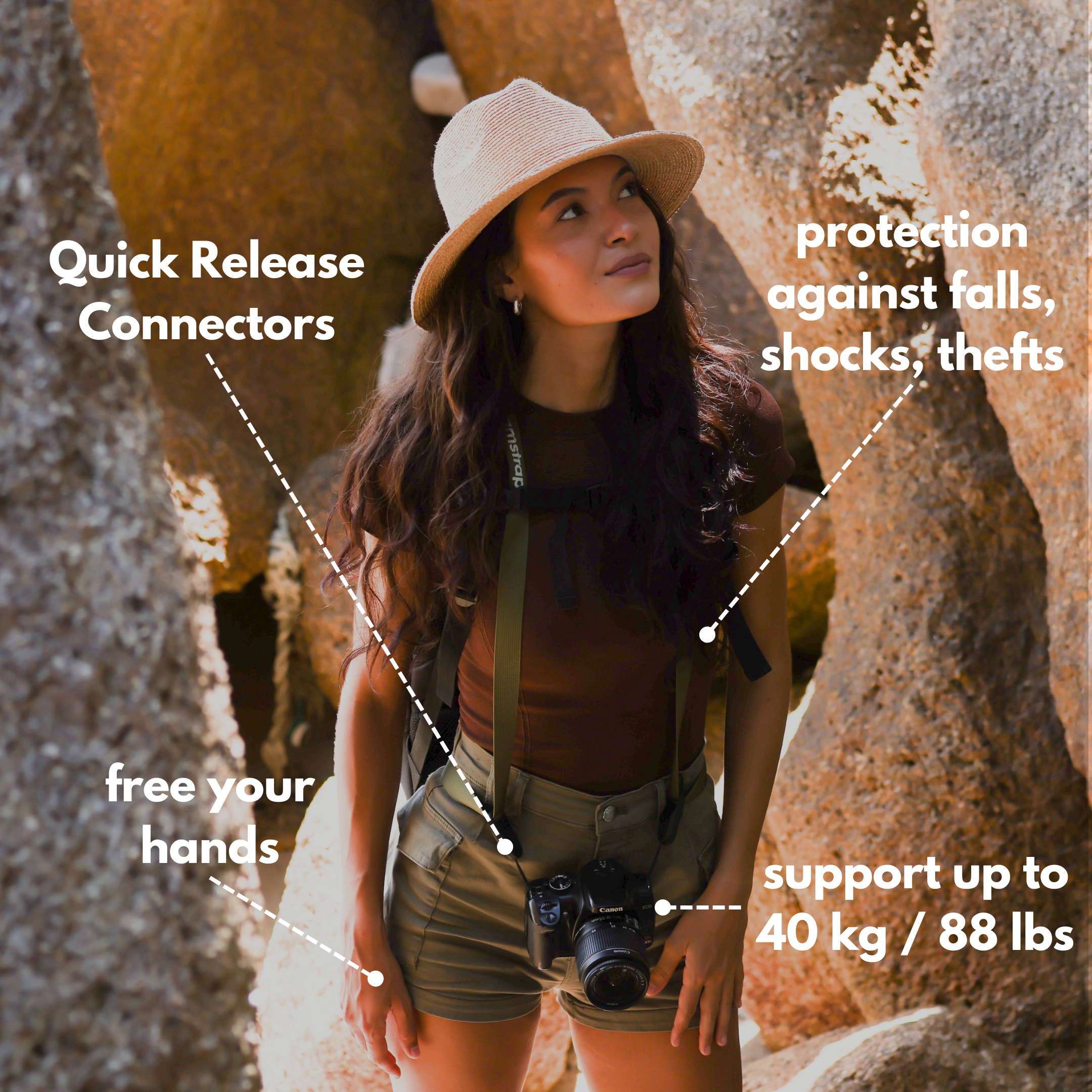
Camstrap designs focus on this exact problem. The brand wants to change how travel lovers, outdoor shooters, and hobbyists carry cameras. Camstrap straps help you keep a camera close without feeling tired. Each strap is assembled in France with strong, trusted materials. You can rely on it when you move through crowds, hike, or run for a train.
How to Pick the Best Camstrap for Your Style
Different people shoot in different ways, so Camstrap offers several options. The Camstrap Voyager is a great choice for travel enthusiasts who want a sleek, stylish strap. It fits well with city streets, airports, and long travel days. It keeps the camera high and tight to your body, which is helpful in busy streets or on the metro.
The Camstrap Explorer suits outdoor adventure photographers. It is built to handle rough trails, rain, and long days outside. If you hike or camp with your camera, this strap keeps weight balanced and secure. For minimalist shooters and amateurs who like simple gear, the Camstrap Nomad offers a light, flexible option that still feels strong and safe.
You can also add the Camstrap Magclip. This small magnetic clip lets you attach or release the camera fast from the strap. It helps when you want to switch from shoulder carry to shooting in one quick move. Because Camstrap offers deals like “buy one strap, second at 20% off,” you can mix models for different cameras or share with a partner.
How to Set Up Your Camera So You Can Shoot Without Thinking
To shoot real life, you must react fast. You do not have time to dig through menus while your friend laughs or your child jumps in a puddle. The best candid shooters set their camera once for the light and then focus on the scene. You can do the same with a few simple choices.
How to Use Aperture Priority and Auto ISO
Many candid and street photographers use Aperture Priority mode. In this mode, you choose the f-stop, and the camera chooses the shutter speed. This is faster than full Manual when you move from shade to sun. A common choice is between f/2.8 and f/5.6. Wider settings, like f/2.8, blur the background more. Narrower settings, like f/5.6, keep more in focus.
Turn on Auto ISO so the camera raises sensitivity when light drops. Set a maximum ISO you are happy with, such as 3200 or 6400 on most modern cameras. Then set a minimum shutter speed, like 1/250s, so motion stays sharp. Many guides stress this mix. Use a safe shutter, flexible ISO, and a mid-range aperture.
How to Choose Focus Modes That Catch the Moment
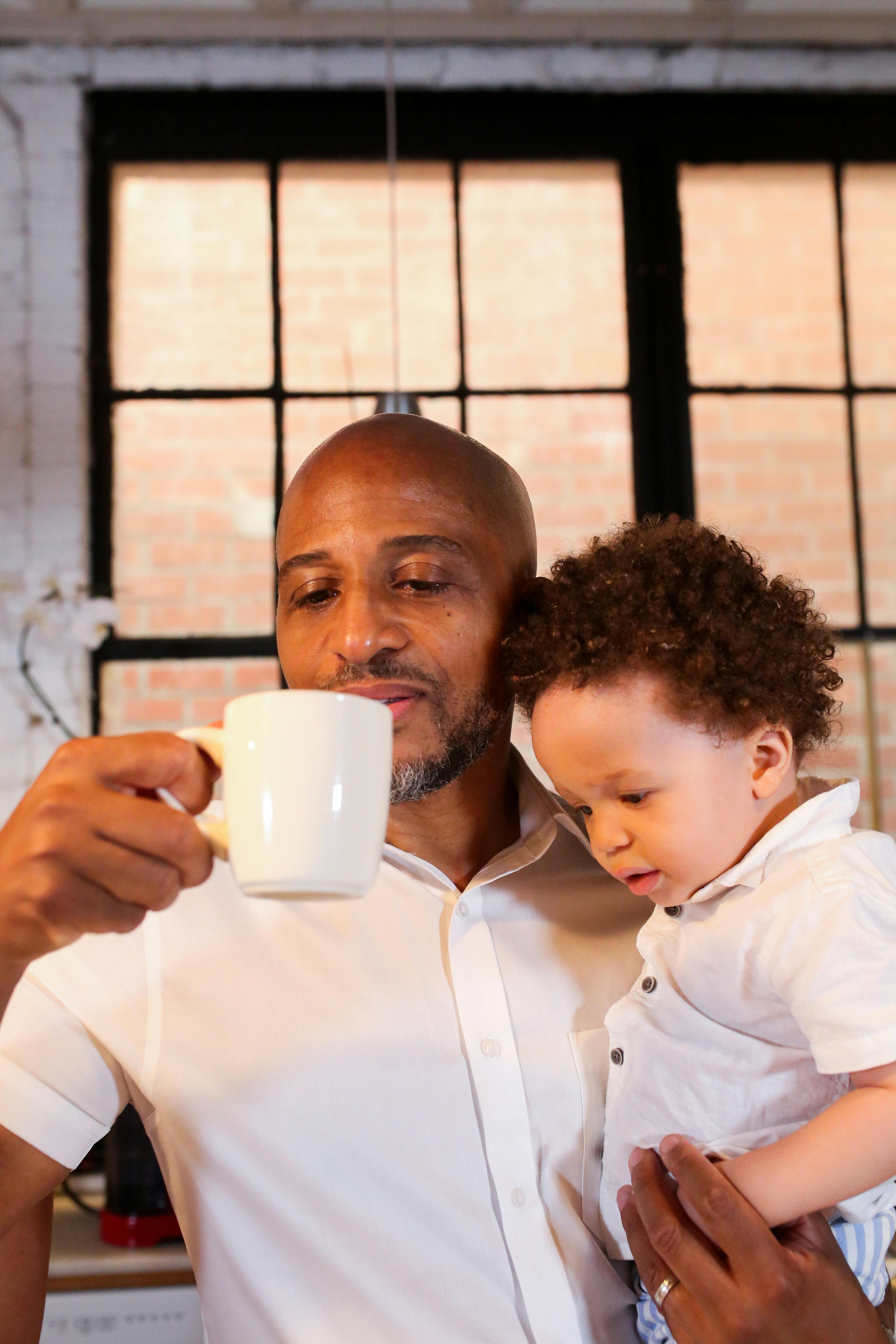
For moving people, use continuous autofocus, also called AF-C. This mode keeps tracking your subject as they move through the frame. Turn on face or eye detection if your camera has it. This is very helpful for candid portraits where expressions change fast. If your camera struggles in low light, try back-button focus. This lets you lock focus and reframe quickly.
You can also use zone focusing, a classic street technique. Set your lens to manual focus and choose a distance like two meters. Then stop down to f/8. At that setting, anything from about one and a half to three meters will be sharp. Raise the camera and shoot when someone steps into that zone. This removes autofocus delay and works well in busy streets.
How to Turn Off the Flash and Stay Quiet
Built-in flash kills candid moments. It draws attention and makes people stiffen. It also creates harsh, flat light. For natural documentary-style photos, turn off your flash. Instead, raise ISO, open your aperture, or move closer to a window or lamp. Many modern cameras handle high ISO well, and a bit of grain often adds to the mood.
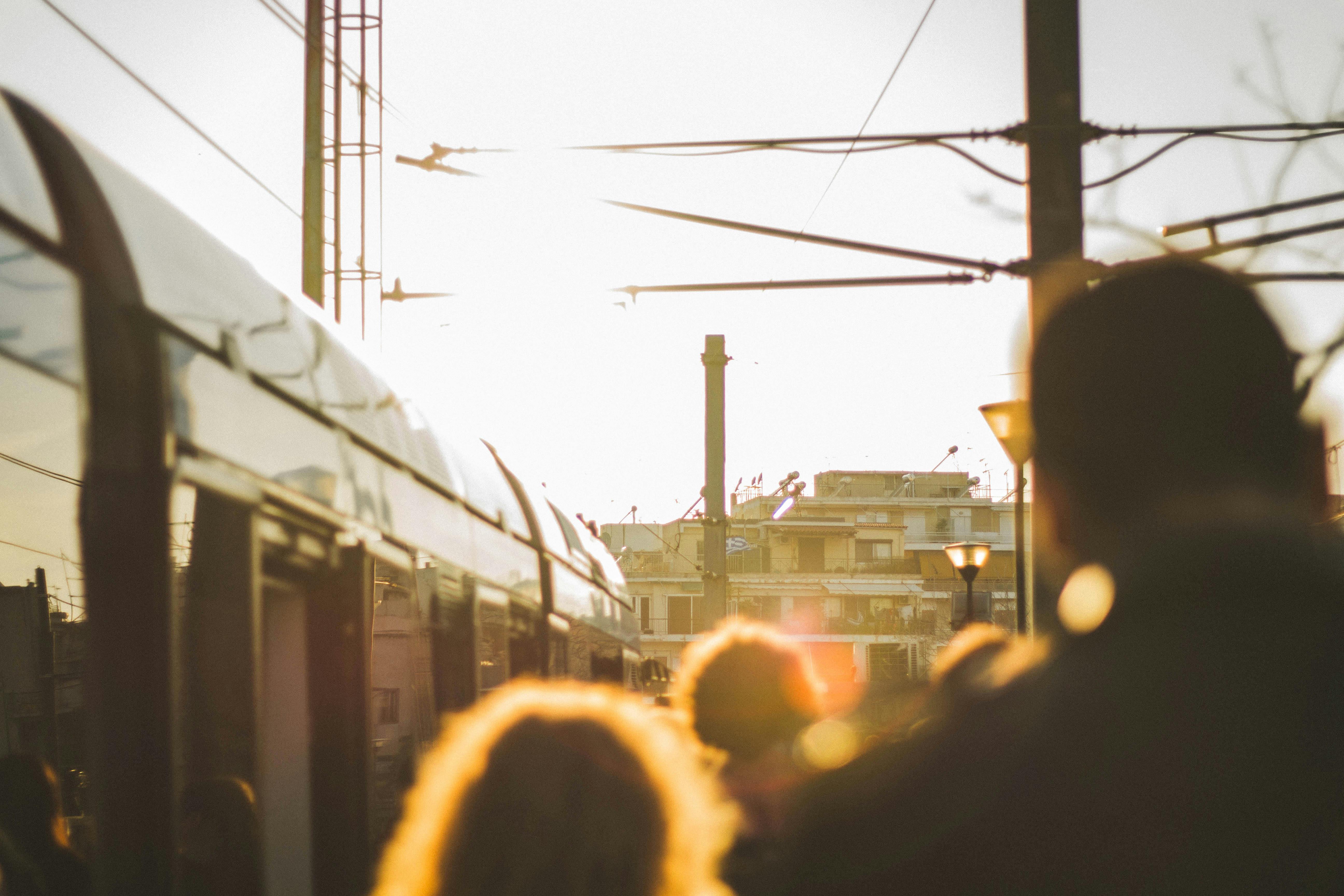
If your camera has a silent or electronic shutter, use it. A quiet camera helps people forget you are shooting. This is key when you want deep, emotional moments at a family dinner or on a crowded train. When people forget the camera, you get more honest photos.
How to Shoot Candid Photos Without Disturbing the Scene
Settings help, but the way you act matters even more. Candid photography is as much about people skills as it is about gear. Photojournalists and street shooters share many tips. They say you should blend in, move with purpose, and be patient.
How to Blend In Like You Belong There
Walk slowly and calmly. Look like you have a reason to be there, even if you are just wandering. If you act nervous or sneaky, people will notice you faster. Many street photographers say they get fewer bad reactions when they stand open and relaxed. Hiding in corners often makes people more uneasy.
Keep your camera on your chest or at your hip with your Camstrap, not waving in front of your face. When you want to shoot, raise it smoothly, take a frame or two, then lower it again. If someone looks at you, smile. A friendly smile often breaks tension and lets you keep shooting later.
How to Use Simple “Acting” Tricks
Experienced candid shooters sometimes act a little to stay unnoticed. You can look just past your subject, as if you are watching something behind them. You can aim your camera at a building first, then slide to the person for one quick shot. Then move back to the building. To others, it looks like you are just checking the scene.
You can also linger in one spot with nice light and an interesting background. Wait there and let people walk into your frame. This is easier than chasing people through the street. It also feels less invasive because they enter your space instead of you pushing into theirs.
How to Stay Respectful and Ethical With Candid Photos
Candid photography lives in a grey zone between public life and private life. Laws differ by country, so always check rules where you live or travel. But beyond law, think about how you want to treat people. Ask yourself a simple question. Would I be okay if someone took this same photo of me?
If someone notices you and seems unhappy, offer to delete the photo. Many guides suggest also offering to share the image if they like it. In family or travel groups, be clear about your intent. You can say, “I like to shoot real moments, not poses. If you ever want me to stop, just say so.” Clear words build trust and better photos.
How to Find Stories in Ordinary Moments
You do not need a big event to shoot documentary-style photos. Your daily routine is full of stories. The key is to watch for emotion, gesture, and small details. Many famous candid photographers say they train themselves to notice tiny changes in faces and body language.
How to Look for Emotion, Not Perfection
A slightly soft photo with strong feeling beats a sharp but empty frame. Watch for simple signs of emotion, like:
- Real laughter, not “say cheese” smiles
- Quiet moments of thought or rest
- Hands touching, hugging, or helping
- Reactions between people, like a shared glance
When you see a moment build, start to shoot before the peak and keep shooting a little after. Photojournalists call this “working the moment.” Often the best frame is not the first one you shoot. It is the one just after, when people relax again.
How to Use Light and Background to Tell the Story
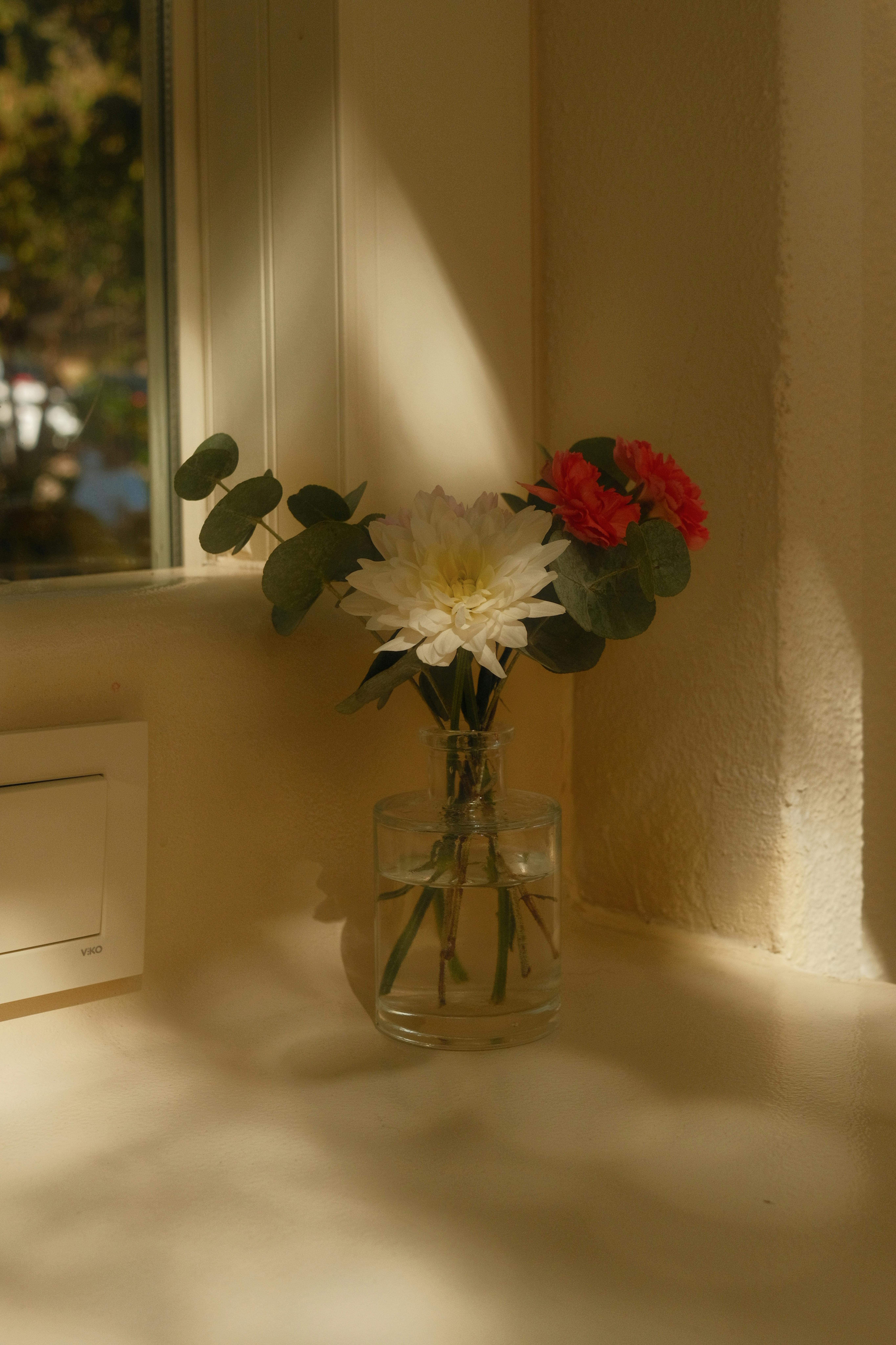
Good light makes everyday scenes feel special. Soft window light, shade on a bright day, and late afternoon sun all work well. Try to place your subject so light comes from the side or slightly behind them. This adds depth and shape. You can also use simple foreground objects, like door frames or plants, to add layers.
Before you shoot, check your background. Look for clean shapes and avoid bright, messy distractions that pull the eye away from your subject. Sometimes just taking one step left or right will fix the frame. You might remove a trash can or a bright sign from behind someone’s head.
How to Practice at Home, on the Street, and on Trips
For amateur photographers, home is the best practice ground. You can shoot your partner cooking, kids playing, or a pet sleeping in a sun patch. Because people know you, they will relax faster. You can practice timing and framing in a safe place. Over time, your family may even forget you are shooting.
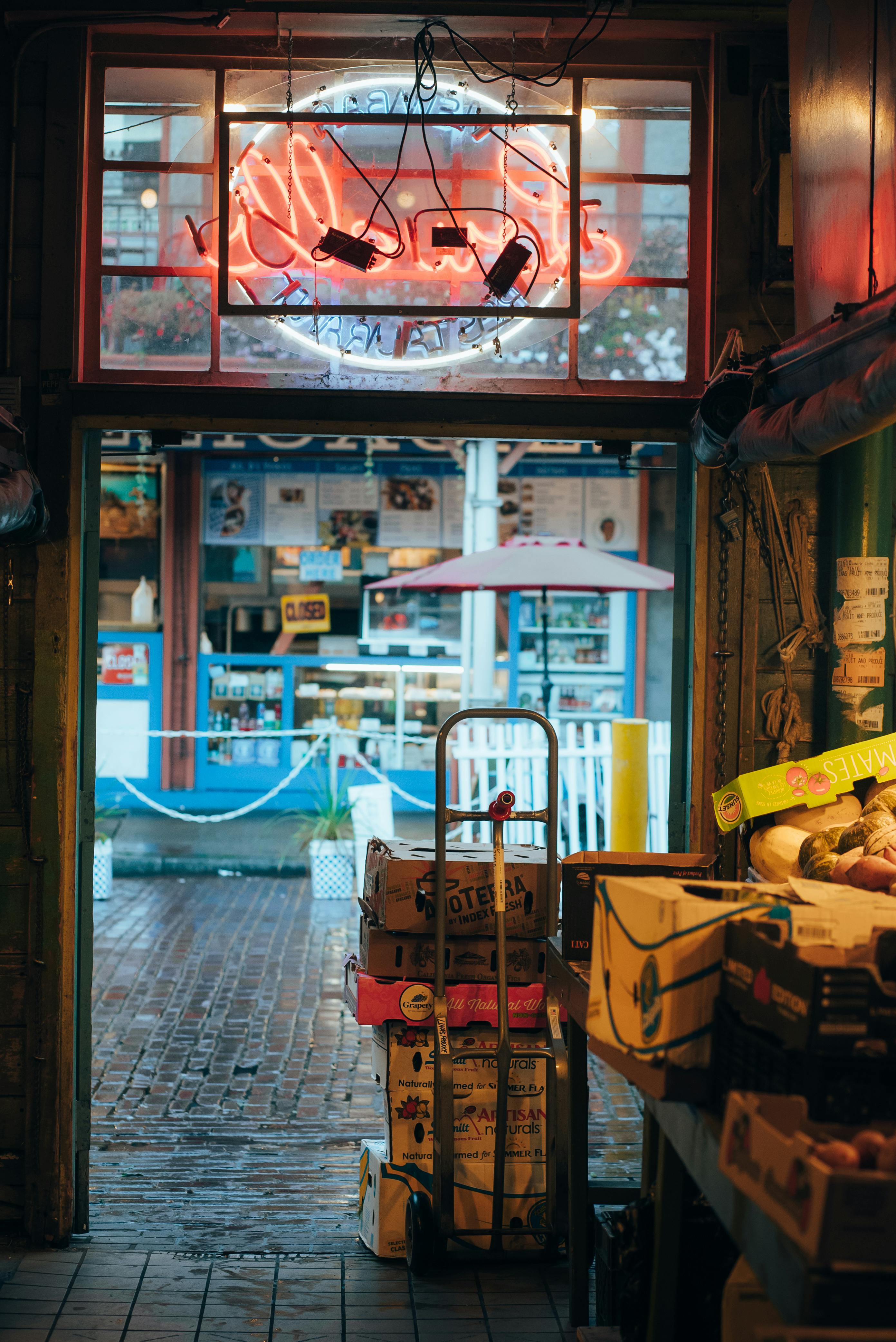
Travel enthusiasts can use the same skills in new cities. Keep your camera on your Camstrap Voyager or Nomad all day. You can then shoot markets, trains, and quiet alleys without stopping to unpack. Outdoor adventure photographers can bring the Explorer on hikes. They can focus on small human moments in nature, not just wide landscapes.
How to Carry Your Camera All Day With Comfort, Safety, and Speed
To shoot more, you must carry your camera more. Many people leave their gear at home because it feels heavy or unsafe. A well-designed strap solves many of these issues. It also supports the simple, one-camera lifestyle that works so well for candid, documentary-style photos.
How Camstrap Improves Comfort for Long Days
Thin stock straps dig into your neck and swing around when you walk. This gets painful fast, especially with a DSLR. Camstrap straps spread weight across a wider area and use soft but strong materials. This helps travel and outdoor shooters walk for hours without sore shoulders.
Because Camstrap straps are made for active use, they do not slip or twist easily. This matters when you bend down, climb stairs, or move through crowds. Your camera stays where you expect it. You can reach for it without looking or fighting the strap.

How Camstrap Keeps Your Camera Safe
Candid work often means busy streets, packed trains, or hectic events. You want your camera safe from drops and grabs. Strong stitching and solid hardware are key. Camstrap builds its products in France with close care for these details. You can trust the strap even in rough spots and long trips.
For travel enthusiasts who order online, Camstrap also offers secure payment and tracked international shipping. There is a 30-day money-back promise and free shipping on orders over €70. This reduces the risk of buying gear from abroad. It fits the needs of people who move between countries with their cameras.

How to Shoot Faster With the Camstrap Magclip
Speed is vital when you shoot candid scenes. You might walk with your camera at your hip and then see a great frame close by. The Camstrap Magclip helps in these moments. It lets you detach the camera from the strap in one quick move without fighting buckles.
For example, you can walk with the camera on your shoulder. As you step into a café, you unclip it, shoot a quiet moment at a table, and clip it back when you leave. Outdoor photographers can do the same when they move from hiking to climbing or biking. This small change makes it easier to keep the camera with you instead of leaving it in a bag.
How to Build a Simple Workflow From Shooting to Sharing
Once you shoot your candid photos, you still need to choose and edit them. This does not have to be hard or slow. A simple, repeatable workflow will save time so you can get back to shooting. It also helps you stay organized during travel and long outdoor trips.
How to Choose Your Best Frames
After each day or trip, back up your photos to at least one other place. You can use an external drive or a cloud service. Then do a quick pass through the images. Mark any frame with clear emotion, strong light, or a clean story. Do not worry yet about small flaws or tiny focus issues.
On a second pass, compare similar shots and pick the best version. Many candid guides suggest thinking in simple story sets. Try a wide shot to show the place, a medium shot for the main action, and a close-up for details like hands or faces. Keeping this in mind while you choose helps you build small visual stories.
How to Edit in a Light, Natural Way
Documentary-style photos look best with gentle edits. Adjust exposure, contrast, and white balance so the scene feels like it did in real life. Crop to improve framing, but avoid heavy retouching that removes real details. Small lines, textures, and background elements often add context and truth.
If you shoot often, consider simple presets in your editing software. Many photographers use these to keep a steady look across their work. You can create a “daylight candid” preset with soft contrast and warm tones. You can also make a “night candid” preset with a bit more noise control and deeper shadows.
How to Share Your Photos With Care
When you share candid photos of friends, family, or strangers, think about how they might feel. For close people, you can ask before posting, especially for emotional moments. For strangers, avoid images that could shame or harm them. This respect builds trust and lets you keep shooting in the same places over time.
Travel and outdoor photographers often use candid sets to share more than pretty views. They show local life, trail culture, or quiet camp moments. Amateur photographers can build small online albums of their daily life. Over time, these albums become valuable records of how things looked and felt in this time.
Conclusion: How to Shoot Real Life With Less Gear and More Attention
To shoot candid, documentary-style photos in 2025, you do not need a huge kit. One camera, one prime lens, and a good strap like a Camstrap Voyager, Explorer, or Nomad are enough. This simple setup lets you move freely, blend in, and keep your camera with you all day.
Focus on three things. Think about light, timing, and respect. Set your camera so you can shoot without thinking. Watch for real emotion and small gestures. Treat people kindly, and they will often let you keep shooting. With practice, you will start to see stories everywhere you go.
Camstrap’s mix of comfort, strength, and smart touches like the Magclip supports this way of working. It solves the common problem of bulky, awkward carry, so you are more likely to bring your camera every day. When you do, you will shoot more, learn faster, and build a rich, honest record of your own life and travels. This is how you turn simple daily moments into powerful, lasting photos.


