


When you choose a camera strap for a tough trip, you protect your gear and peace of mind. This guide will help you choose the best strap for rugged use. You will learn what to check and how to pick a strap that fits your work.
We will cover materials, comfort, security, and real gear fits. We will also show how to choose for different kinds of trips. Furthermore, we include tips from outdoor photographers and gear makers.
Translation missing: en.blog_cta.bundle_heading

- Regular price
-
€42 - Regular price
-
€44 - Sale price
-
€42
By choosing the Camstrap strap, you are opting for a high-quality product designed to meet the needs of the most demanding photographers.
- Developed by a physiotherapist to relieve neck and back pain.
- Fast delivery with tracking by the Post Office 🚚
- Can be used as a shoulder strap or hands-free harness

- Regular price
-
€36 - Regular price
-
€42 - Sale price
-
€36
Translation missing: en.blog_cta.free_shipping_included
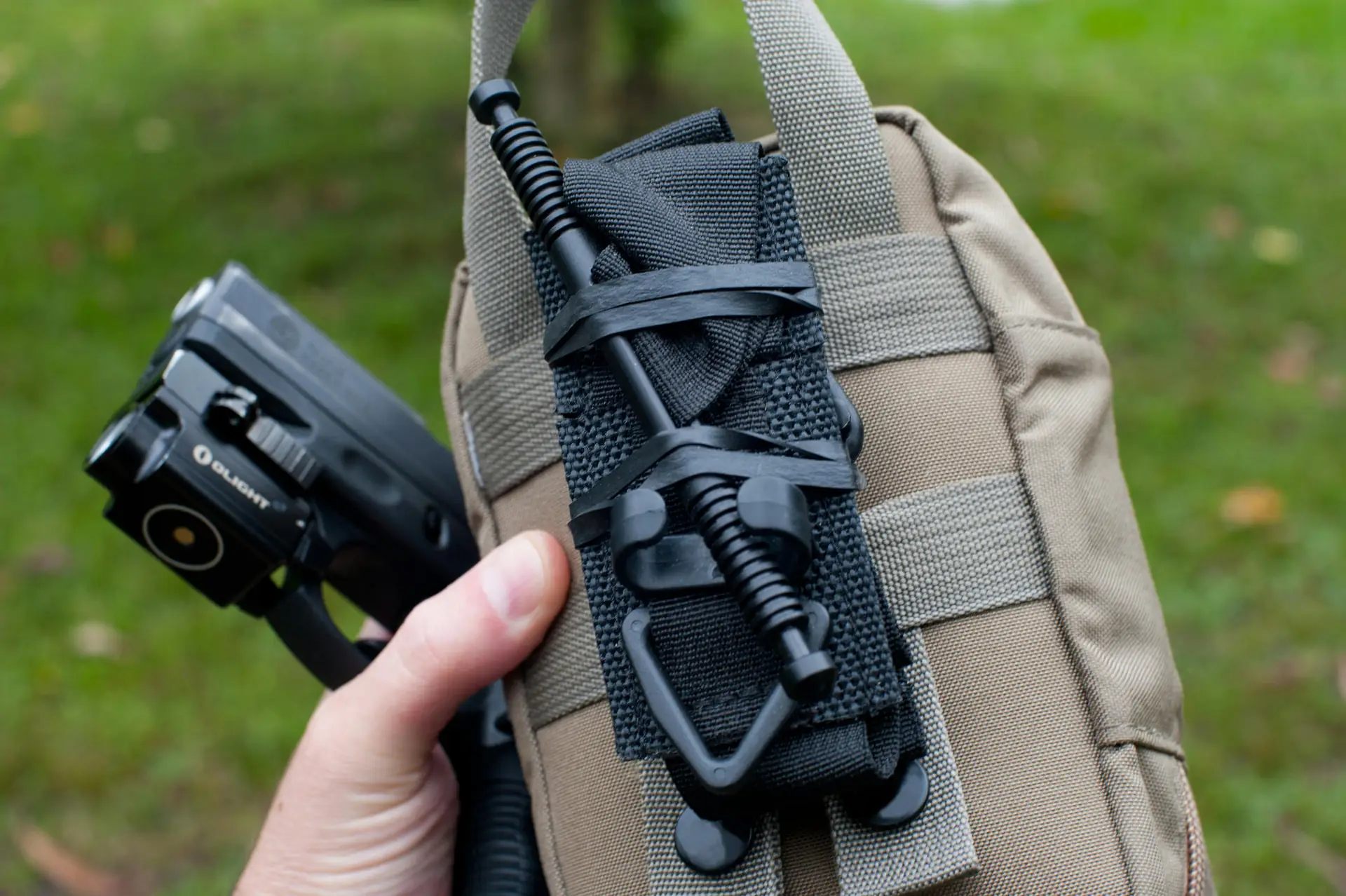
Whether you choose a sling, neck, or wrist strap, you will leave ready. We will also mention options like the camstrap voyager and camstrap explorer. These fit travel and rough use well.
How to choose a camera strap for rugged use
Start by listing what you need. Think about your camera weight, terrain, and weather. Then choose a strap that meets those needs.
Choose straps that match how you move and shoot. For travel, pick a low-profile option. For hikes, pick a strap with good padding and spread load well.
Ask these simple questions
- How much does my camera and lens weigh?
- Will I hike, climb, or shoot in wet weather?
- Do I need fast access or extra security?
- Do I want a single-shoulder setup or a neck strap?
Material and strength: choose what fits your needs
Material choice matters a lot. Strong webbing, leather, or nylon each have pros and cons. You should choose based on weight, comfort, and weather.
Ballistic nylon and polyester resist wear and dry fast after rain. Leather feels classic and lasts long, but it can stretch when wet. Neoprene adds padding and keeps straps from digging into your neck.
Hardware and load ratings
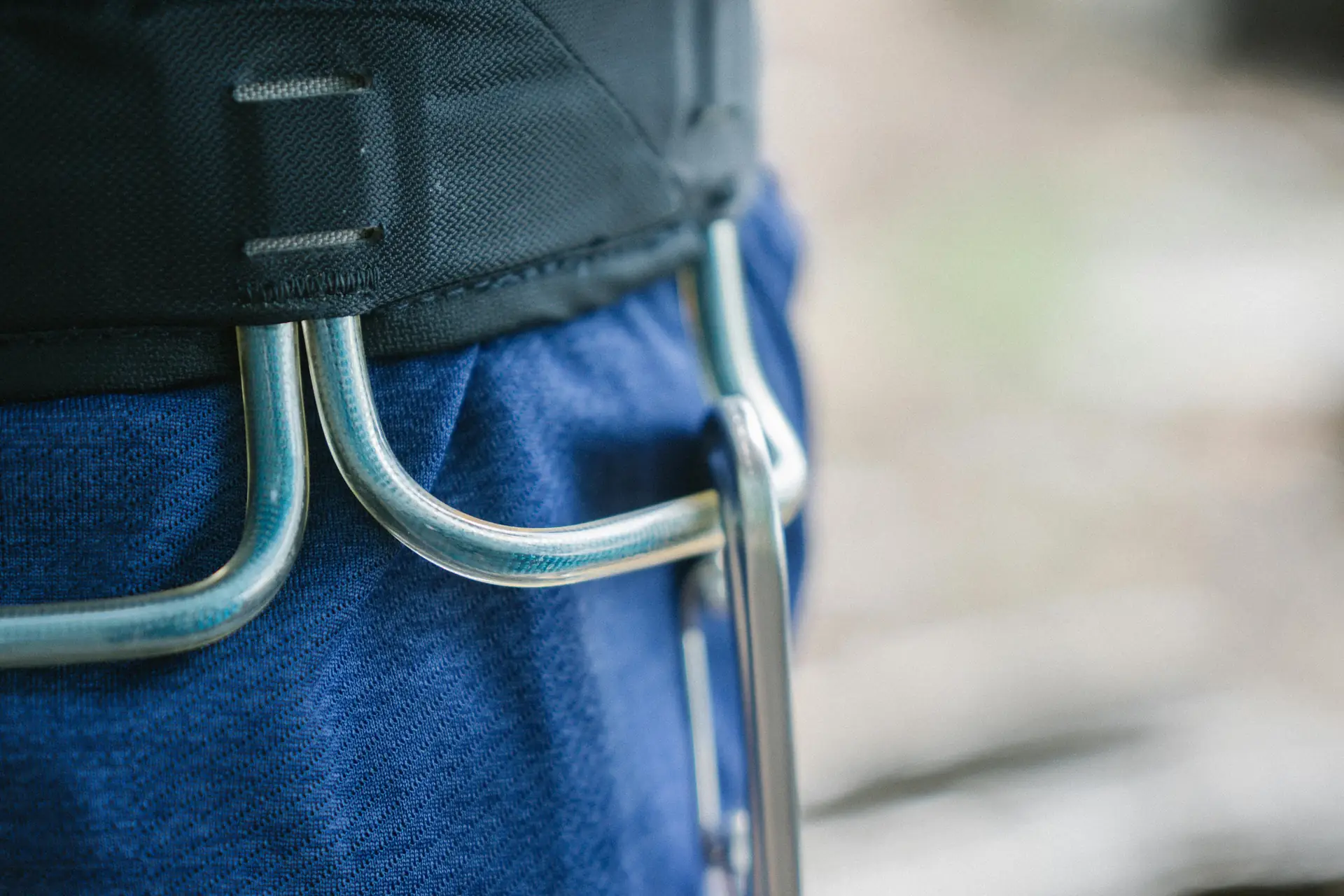
Metal buckles and stainless rings resist rust. Look for tested anchors and rated clips. Choose hardware that can hold twice your camera weight to be safe.
- Look for stainless steel or aluminum hardware.
- Choose buckles that lock or screw tight.
- Check for tested load ratings when you can.
Comfort, fit, and carry systems for outdoor shoots
Comfort matters on long days. Wide straps spread weight and stop cut-in pain. Padded straps like neoprene or foam help on long hikes.
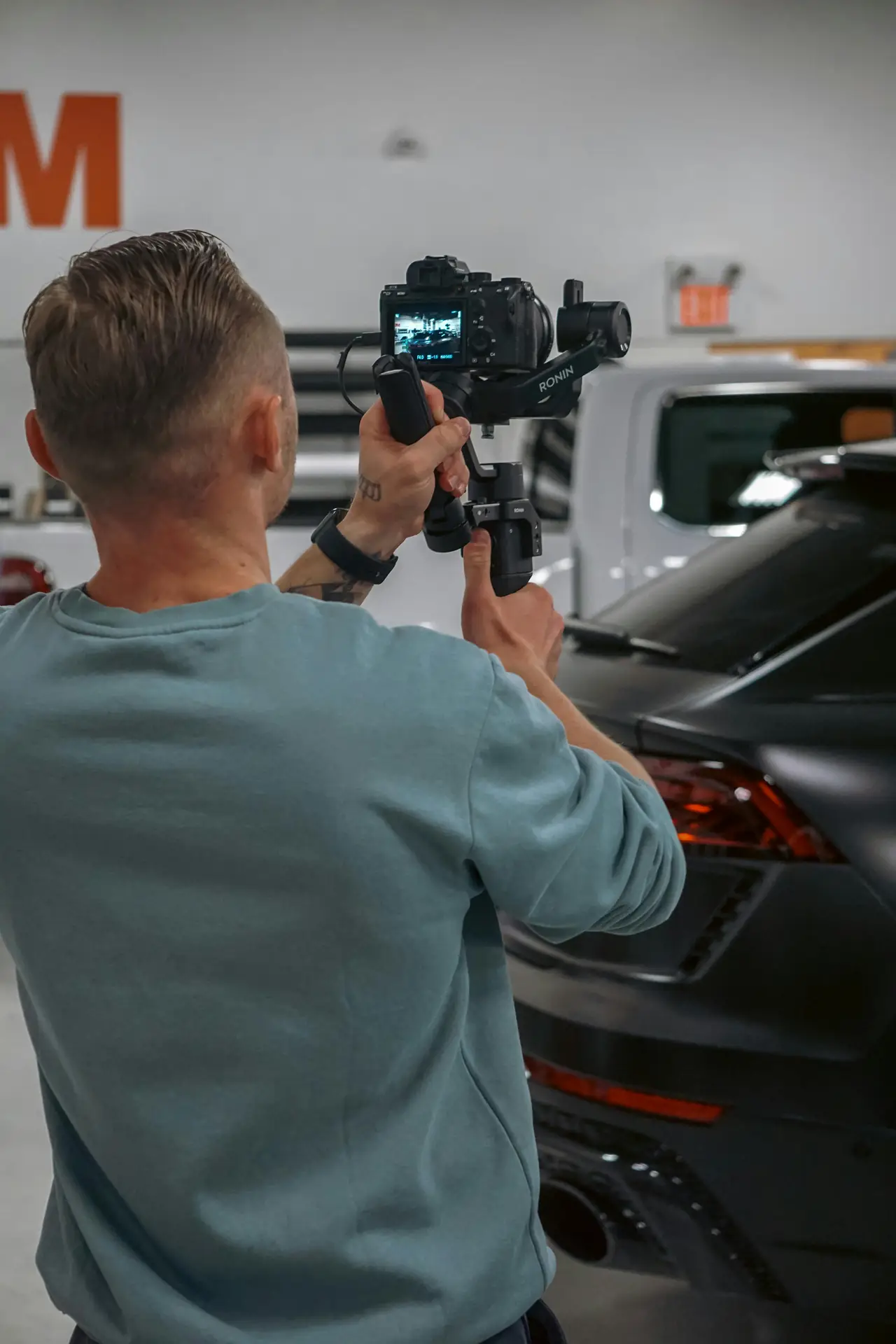
Choose a strap that moves well with your body. Sling straps let you slide the camera up when you need it. Neck straps keep the camera ready at the chest for quick shots.
Try before you buy when possible
Put a camera on the strap and walk a block. See how it feels on your neck and shoulder. If it rubs or slips, try a different design.
Choose fast-release and security features
Fast access can make or break a shot. Quick-release systems let you bring the camera up fast. However, you must choose secure releases that do not open by accident.
Anchor links and locking carabiners add safety. Magnetic mounts like the camstrap magclip give speed and stay locked if built well. Choose systems with tested strength.
Security tips for rough places
- Choose straps with double attachment points if you carry heavy gear.
- Use a locking carabiner for extra backup on exposed trails.
- Test quick-release clips under load before a big trip.
Choose the right strap for your camera and gear
Match the strap to the camera size and lens you use most. Small mirrorless bodies need slim straps. Big DSLRs with long lenses need wide straps and strong anchors.
Choose a strap style for how you shoot. A sling suits fast, one-handed work. A two-point strap suits stable shooting and heavy loads. You may choose multiple straps for different trips.
Examples for common setups
- Travel Enthusiasts: Choose a thin, low-profile strap like camstrap voyager for easy packing and quick shots.
- Outdoor Adventure Photographers: Choose a padded sling or harness with strong hardware like a camstrap explorer.
- Amateur Photographers: Choose a simple, reliable strap like camstrap nomad with a solid metal clip.
Design and style: choose what you like and need

Looks matter to some, though function should win. Choose a strap that fits your style but still works in the field. Many brands, including Camstrap, mix style with strong build.
Neutral colors hide dirt. Bright straps may help you spot gear fast. Choose a color that fits your trips and personal taste.
Blend form with function
Camstrap products like the camstrap nomad mix a clean look with durable parts. The camstrap voyager is slim for travel. The camstrap explorer aims at rugged comfort for long hikes.
Testing and field care: choose a routine that keeps gear safe
Before a tough trip, test your strap under load. Attach your camera and shake, swing, and press on clips. If any part slips, do not use it on the trip.
Clean straps after muddy or salty trips. Use mild soap and air dry. Do not machine wash leather cores. Choose maintenance that fits the strap material.

Simple testing checklist
- Check stitching and seams for wear.
- Test hardware for rust or play.
- Load the strap with your heaviest lens and wiggle it.
- Test quick release under a light load first.
How to choose a strap for specific environments
Different trips need different choices. For wet trips, choose quick-dry webbing and rust-proof hardware. For cold trips, choose materials that keep flexible in the cold.
Choose short straps for active climbing where long gear can snag. For long treks, choose wide pads to ease shoulder load. Also, choose low-profile straps when you fly to save space.
Scenario-based picks
- Rain and wet climates: choose nylon or polyester, rust-proof hardware, and the camstrap magclip for fast secure mounts.
- Cold and alpine: choose neoprene padding and leather that stays firm in low temps.
- Climbing and canyons: choose short sling straps and backup anchors to reduce snag risk.

Budget, warranty, and brand trust: choose wisely
Price is not the only factor. Choose straps backed by good warranty and support. The brand story and testing matter for long trips.
Camstrap is a brand that focuses on blending form with function. Camstrap offers gear like the camstrap voyager, camstrap explorer, camstrap nomad, and camstrap magclip. Choose a product with clear specs and a fair warranty.
What to check on a brand page
- Warranty terms and repair policies.
- Customer reviews and field reports.
- Clear technical specs and load tests.
Quick buying checklist to help you choose
Use this short list before you buy. It covers the top factors to check fast. This helps you make a calm, safe pick.

- Weight rating and material type.
- Hardware quality and rust resistance.
- Comfort level and padding size.
- Quick-release security and anchor style.
- Warranty, brand reviews, and field tests.
Final tips on how to choose and use your strap
Practice mounting and unmounting your camera at home. This helps you avoid fumbling on the trail. Also, pack a small spare anchor or link for backup.
Consider a hybrid setup. Many pros choose a sling for action and a neck strap for long walks. Try both in short test hikes to see which you prefer.
Remember safety rules
- Always test new straps before a big trip.
- Use a backup anchor for very heavy gear.
- Replace straps at the first sign of deep wear.
Conclusion: choose the best strap for your rugged adventures
When you choose the right strap, you protect your camera and make shooting easier. Think about material, comfort, and security when you choose. This will cut risk and boost your shooting time.
For travel, pick a slim camstrap voyager. For long hikes, choose the camstrap explorer or camstrap nomad. For fast mounts, consider the camstrap magclip. Each choice fits a specific need.
In the end, choose what feels right on your body and fits your gear. Test it, care for it, and replace it when it wears. If you choose with care, you will shoot more and worry less.


