


Exploring the Great Outdoors: Top 5 Camera Gear Essentials for Adventure Photographers
Exploring new trails and coastlines fuels stories and photos. If you are exploring, the right camera gear lets you shoot more and worry less. This guide shows five must-have items for adventure photographers, travel photographers, and amateurs who want to stay light and safe.
Camstrap is a brand committed to revolutionizing how photographers and adventurers carry their cameras. Our mission blends function with style to make carrying gear faster and easier. Camstrap products like the camstrap voyager, camstrap explorer, camstrap nomad, and camstrap magclip help you move fast with comfort.
Exploring Why Good Camera Gear Matters
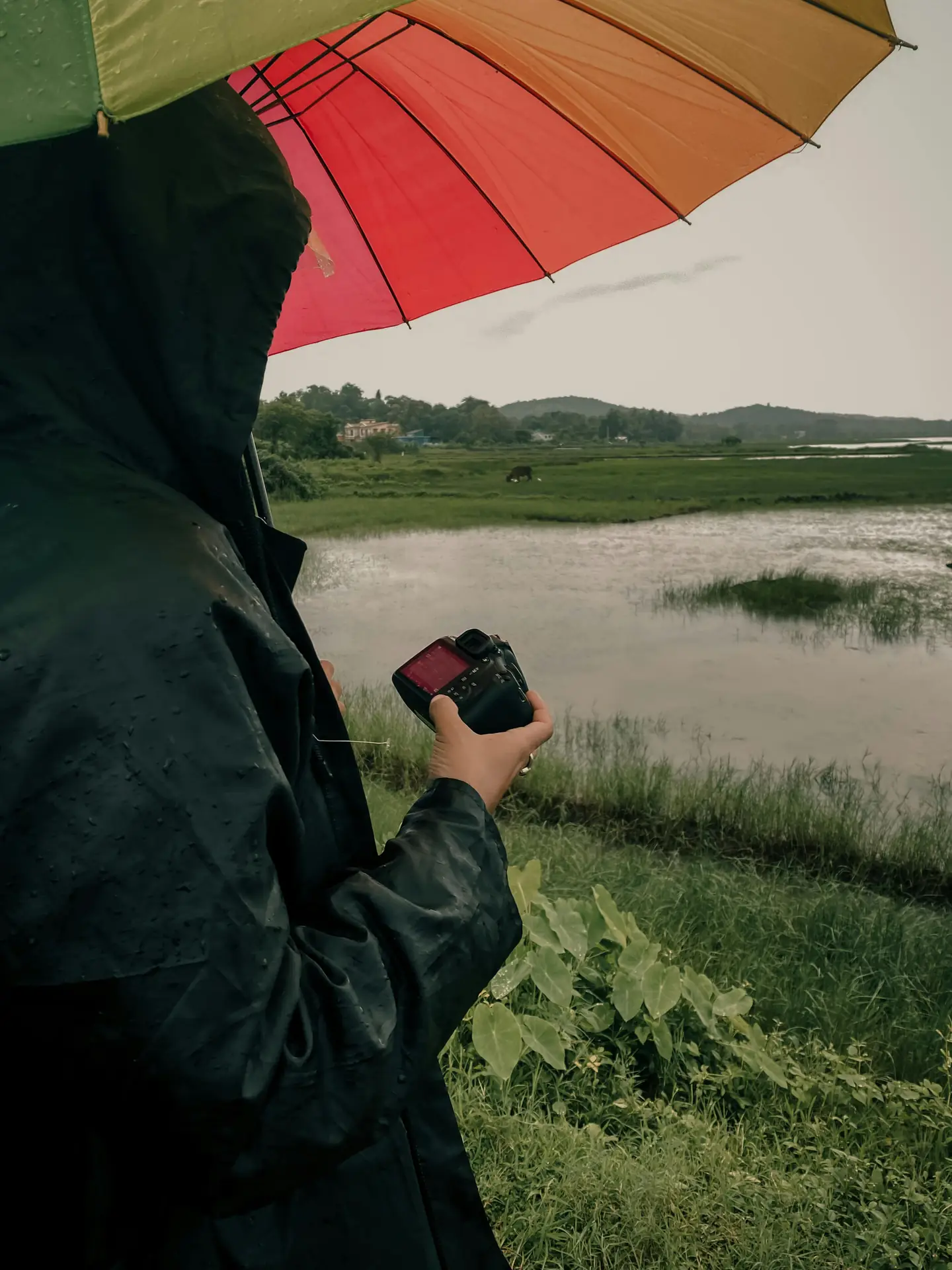
Weather, light, and terrain change fast when exploring. Good camera gear keeps you shooting in rain, wind, or low light. That means fewer missed shots and less stress on the trail.
Experienced adventure photographers say smart gear beats a huge kit. A solid camera body and a couple of lenses help you adapt on the fly. So you can carry less and shoot more while exploring remote spots.
Top 5 Camera Gear Essentials for Adventure Photographers
These five items form a compact, useful kit for outdoor shoots. They help travel enthusiasts and outdoor adventure photographers get strong images while staying safe.
- Reliable camera body
- Two key lenses (wide and tele)
- Support gear: tripod and straps
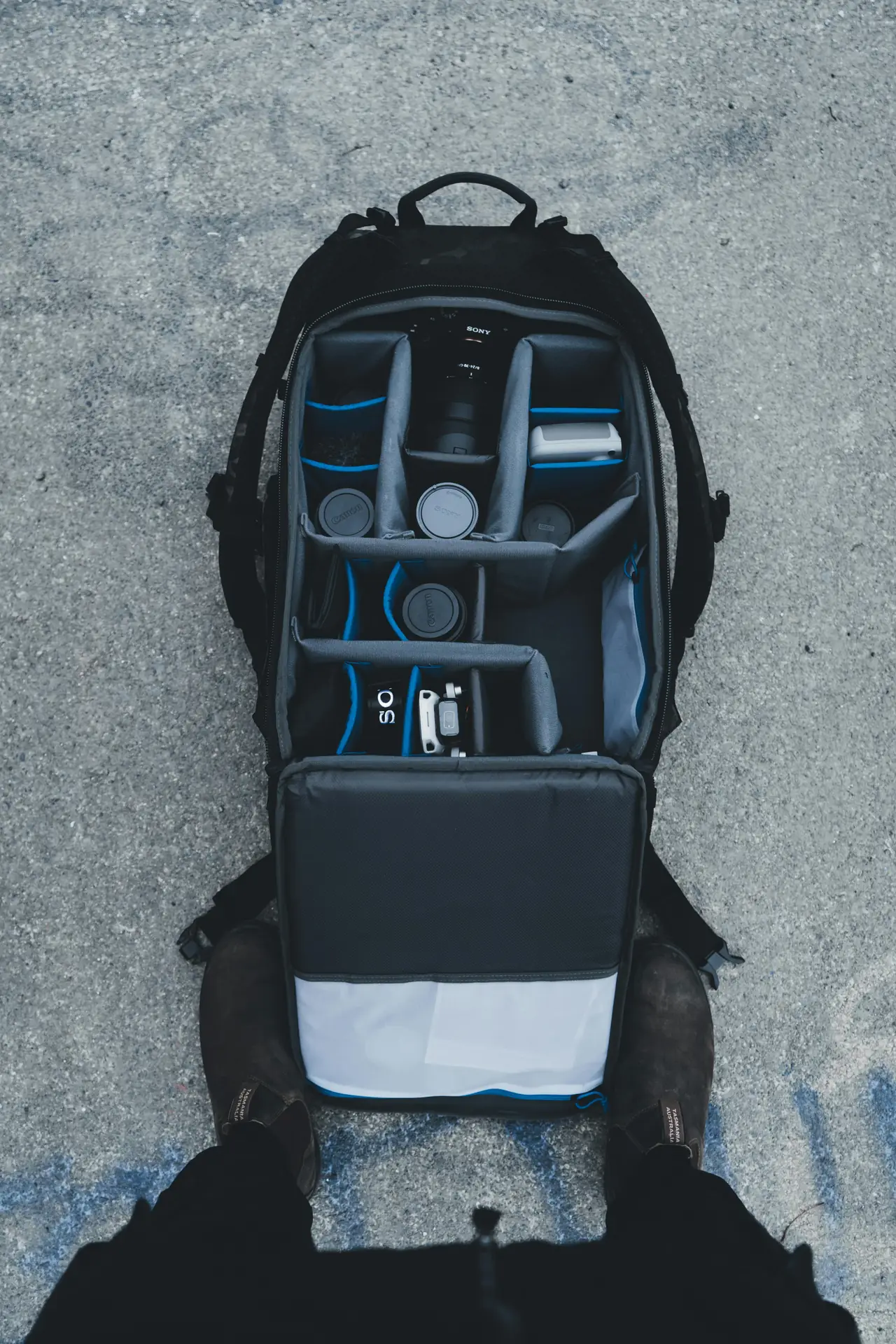
- Durable bag and weather protection
- Backup power and storage
Exploring Camera Bodies and Lenses: How to Choose
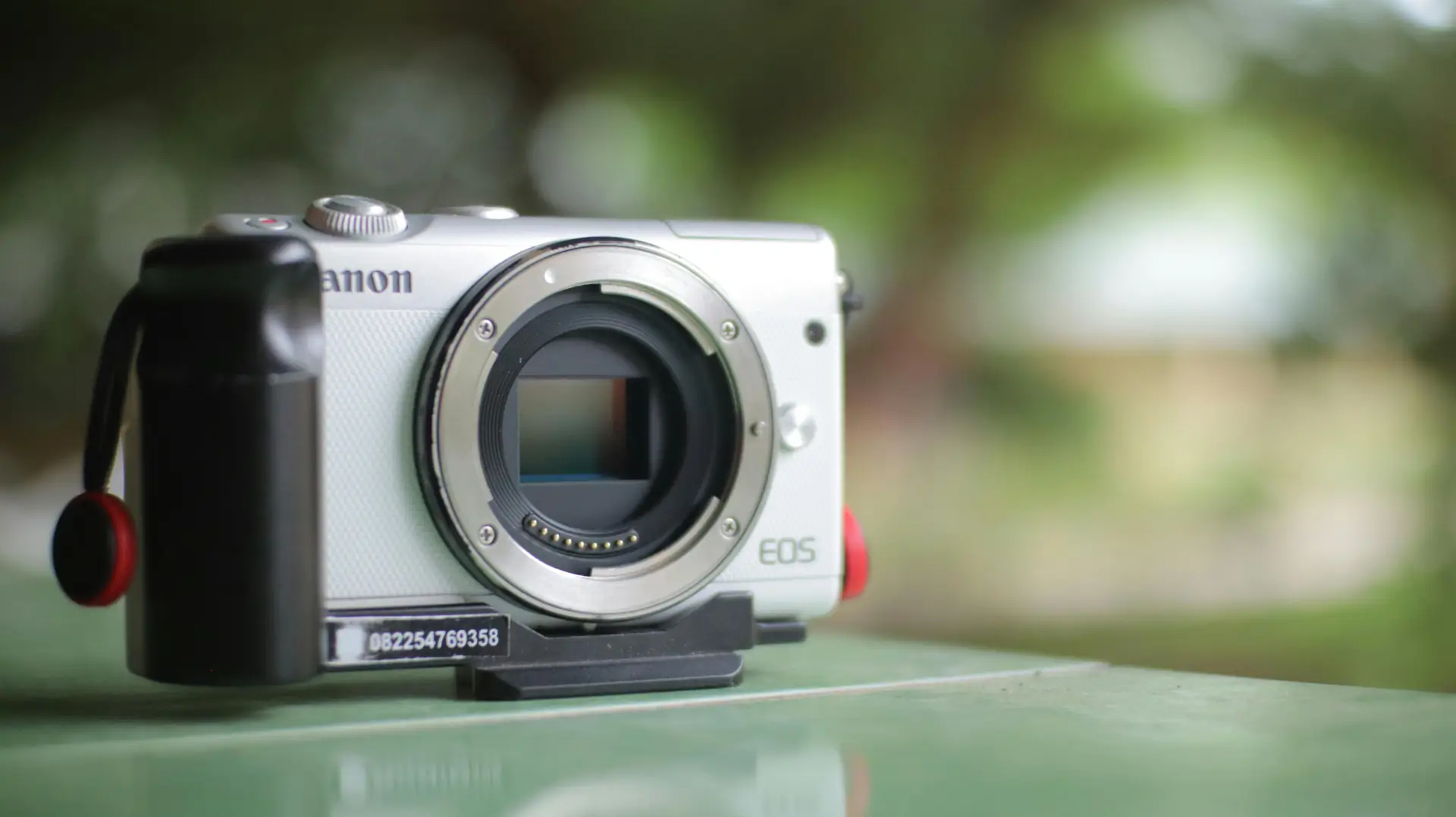
Pick a camera body that fits how and where you shoot. Mirrorless cameras are light and fast. DSLRs can give longer battery life and feel rugged in bad weather.
Think about sensor size, autofocus speed, and weight. Full-frame sensors sleep well in low light. APS-C bodies weigh less and still make great photos. Read field tests to match your needs.
Key Features to Look For
- Weather sealing for rain, dust, or cold trips
- Fast autofocus for moving subjects like wildlife
- Good battery life for a full day of exploring
- Dual card slots to back up files on the go
Exploring Lenses: Wide and Telephoto Choices
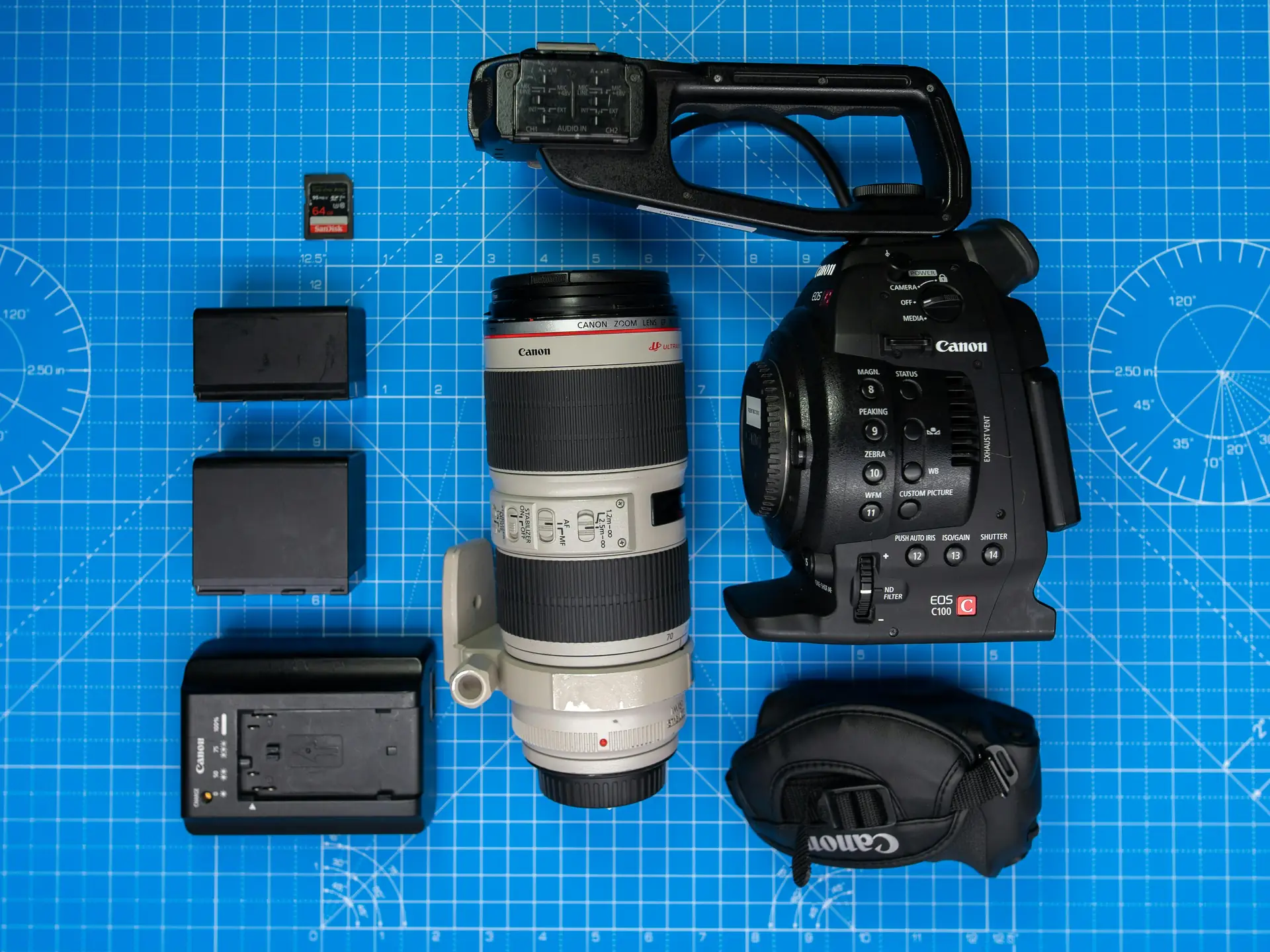
A wide lens captures big landscapes and close scenes. A telephoto lens reaches distant subjects like cliffs and wildlife. Together, they cover most outdoor needs.
Zoom lenses can replace several primes and cut weight. A 16–35mm wide zoom and a 70–200mm tele zoom make a strong, flexible pair. Balance fast apertures against extra weight when you pack for exploring.
Wide-Angle Tips
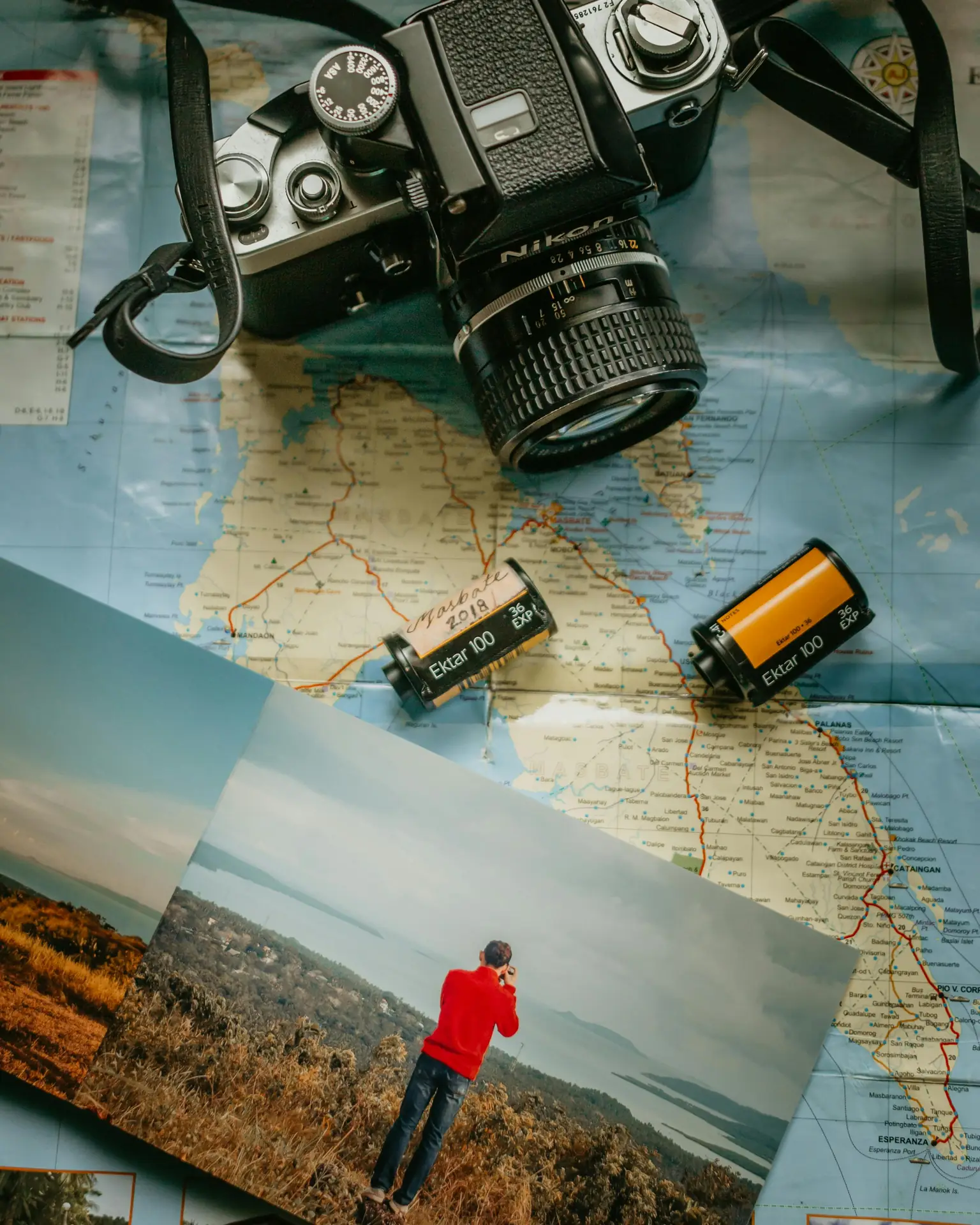
- Use 14–35mm for epic landscapes and tight spaces
- Choose low distortion for cleaner horizons
- Use a polarizer to cut glare and boost color
Telephoto Tips
- Use 70–200mm for distant subjects and tight frames
- Pick a lightweight tele zoom for long hikes
- Stabilize on a tripod or use lens IS when exploring
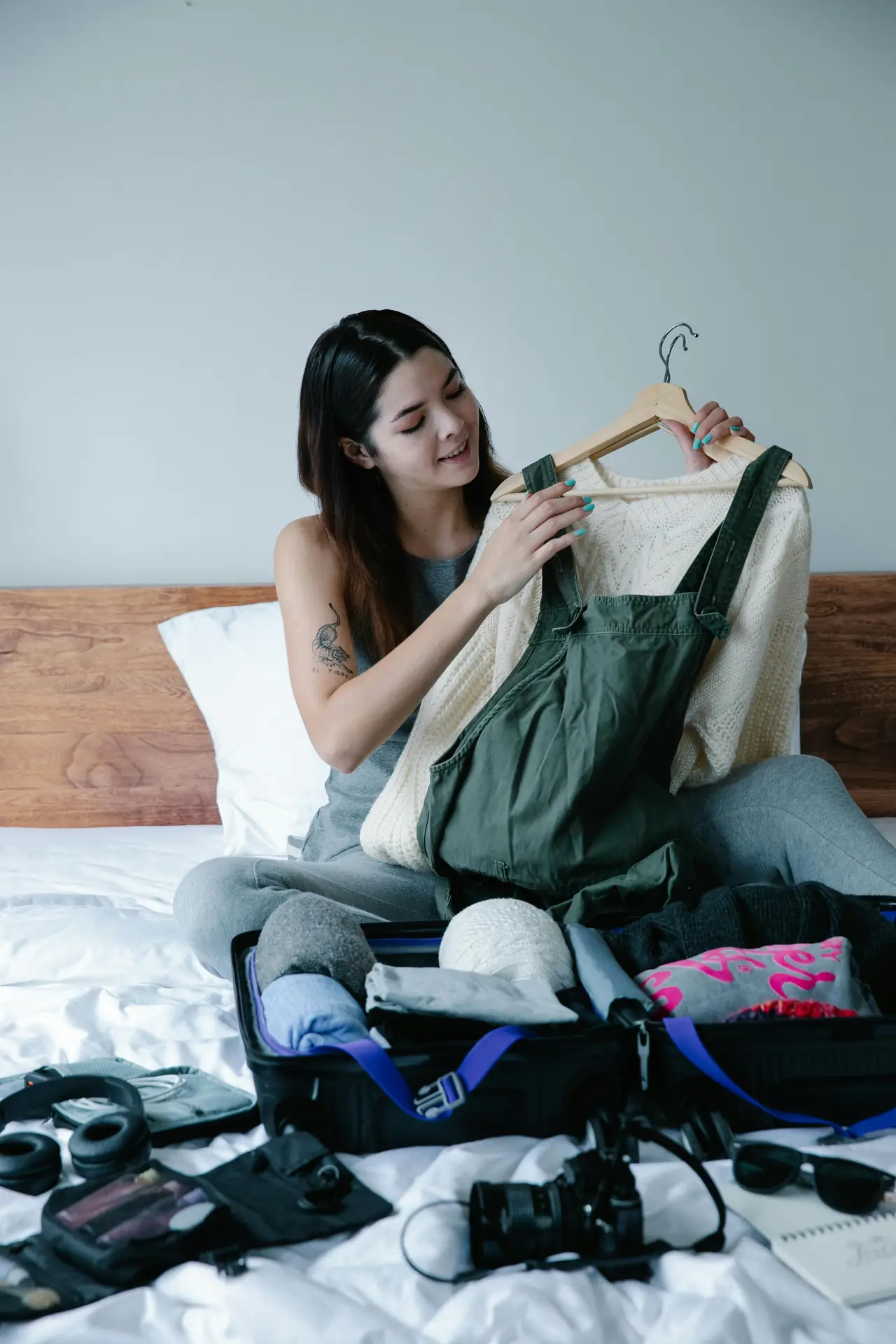
Essential Support Gear and Protection for Exploring
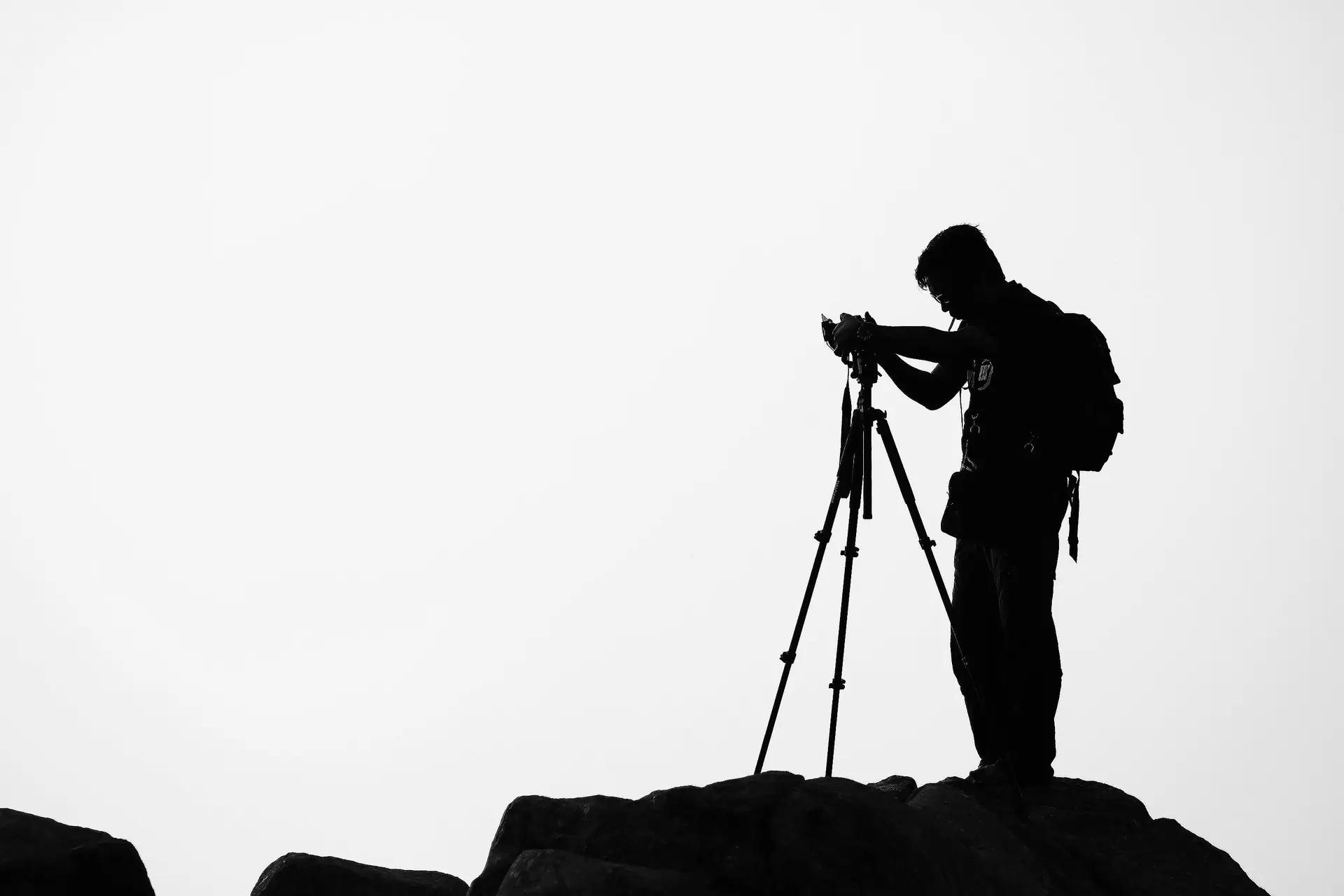
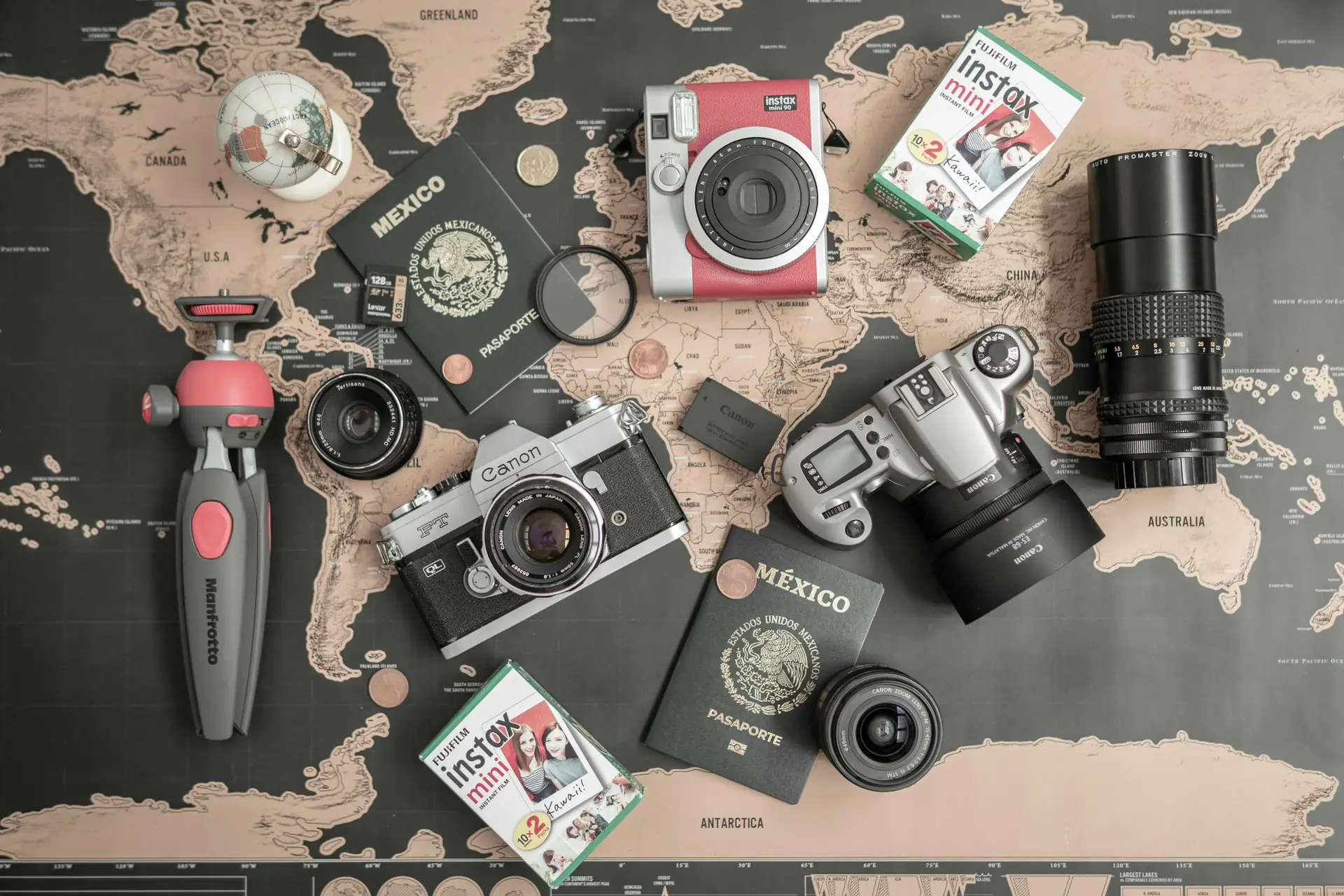
Support gear keeps your kit safe and steady in rough places. A small tripod helps with long exposures and low light. A good camera strap keeps your camera ready on steep trails.
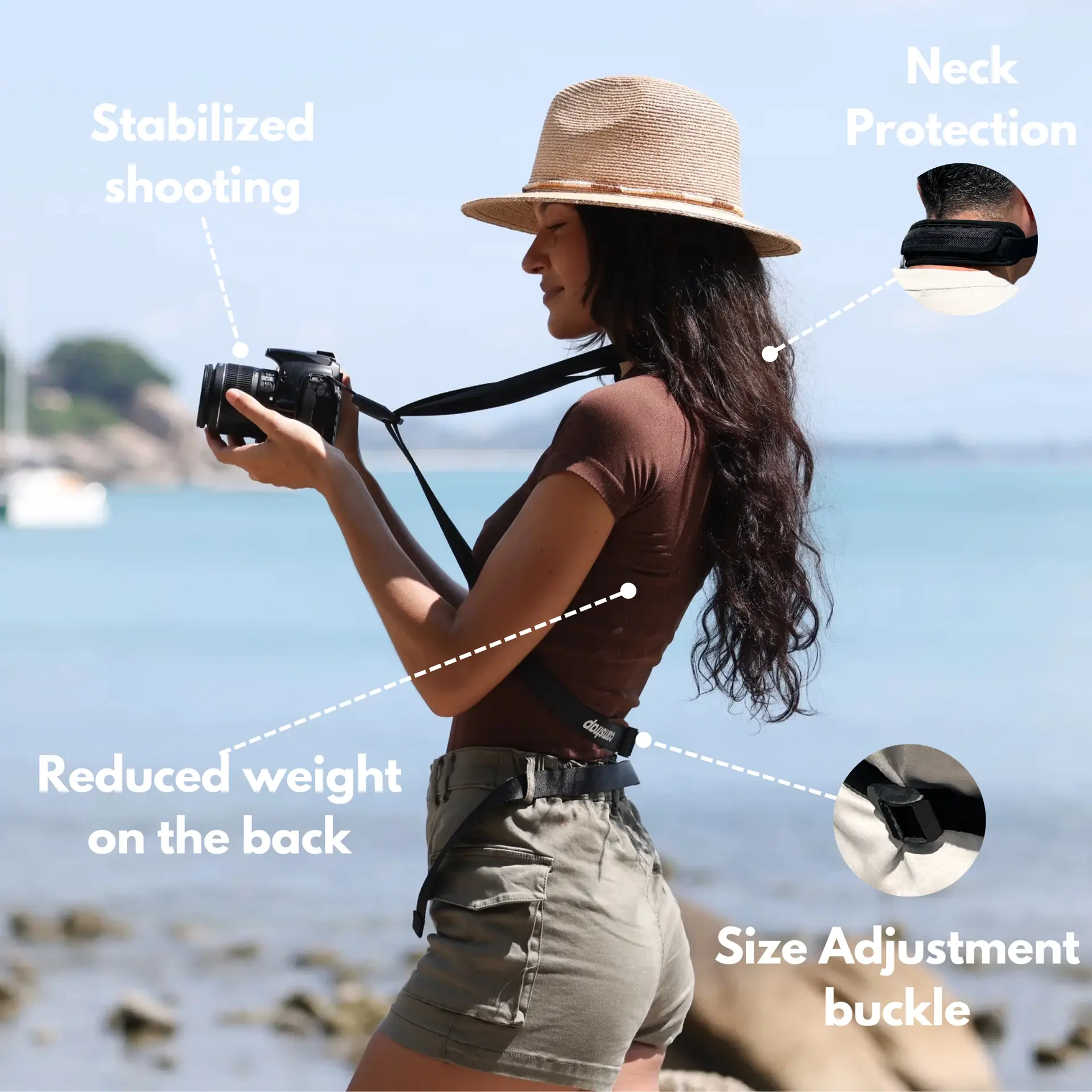
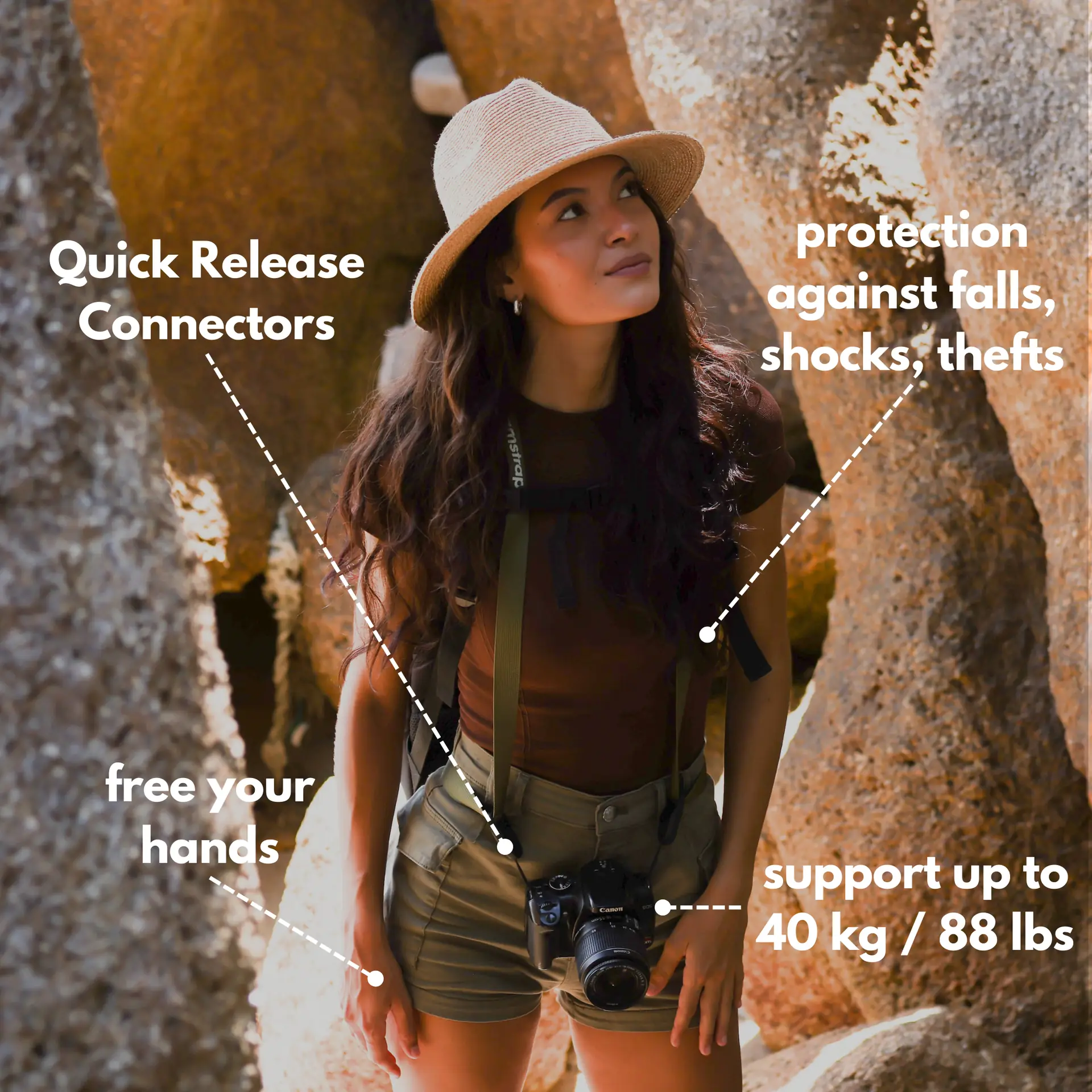
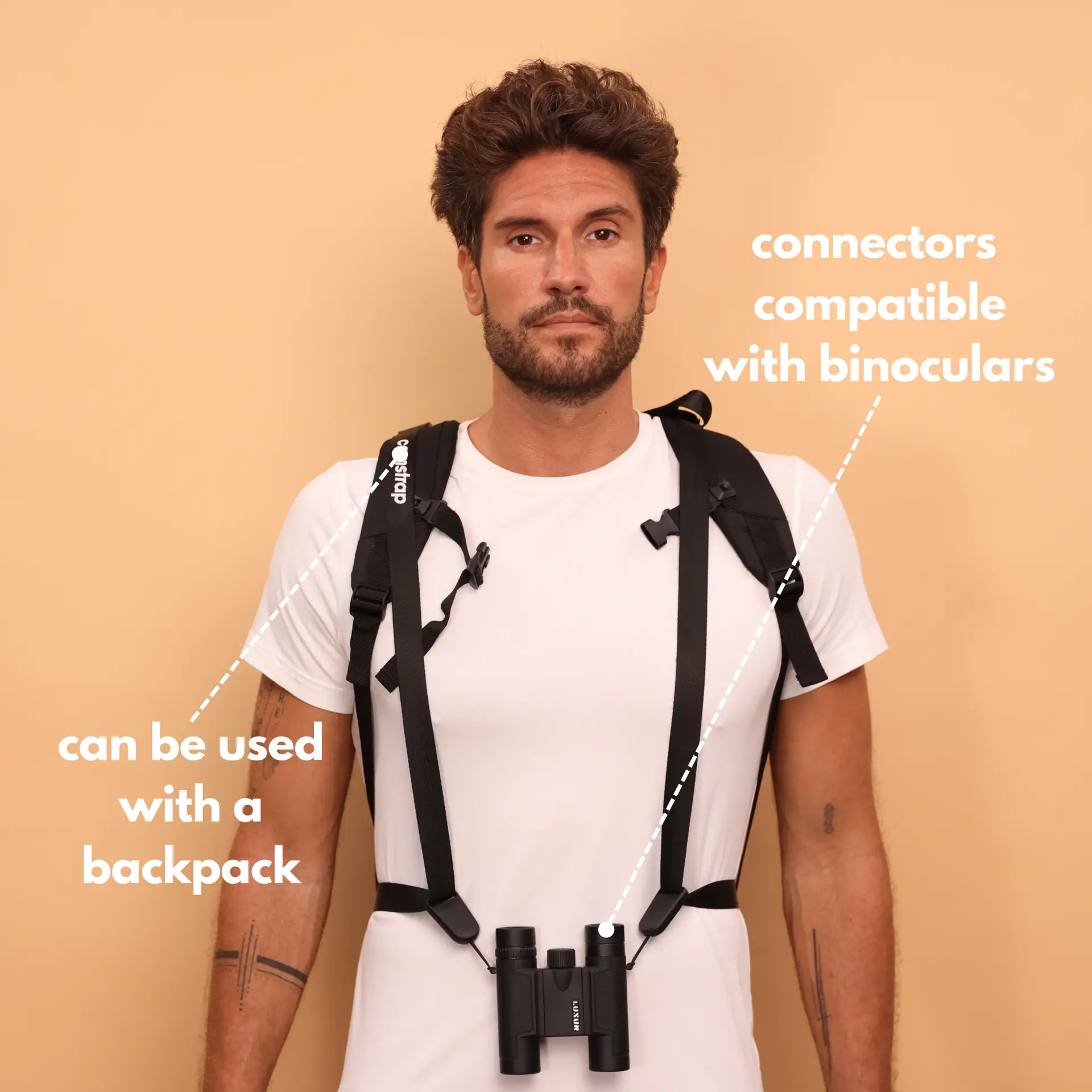
Camstrap makes straps and clips for explorers. The camstrap voyager gives comfort on long treks. The camstrap explorer offers fast access on the trail. The camstrap nomad is light for day trips. The camstrap magclip clips gear to your pack or belt in seconds.
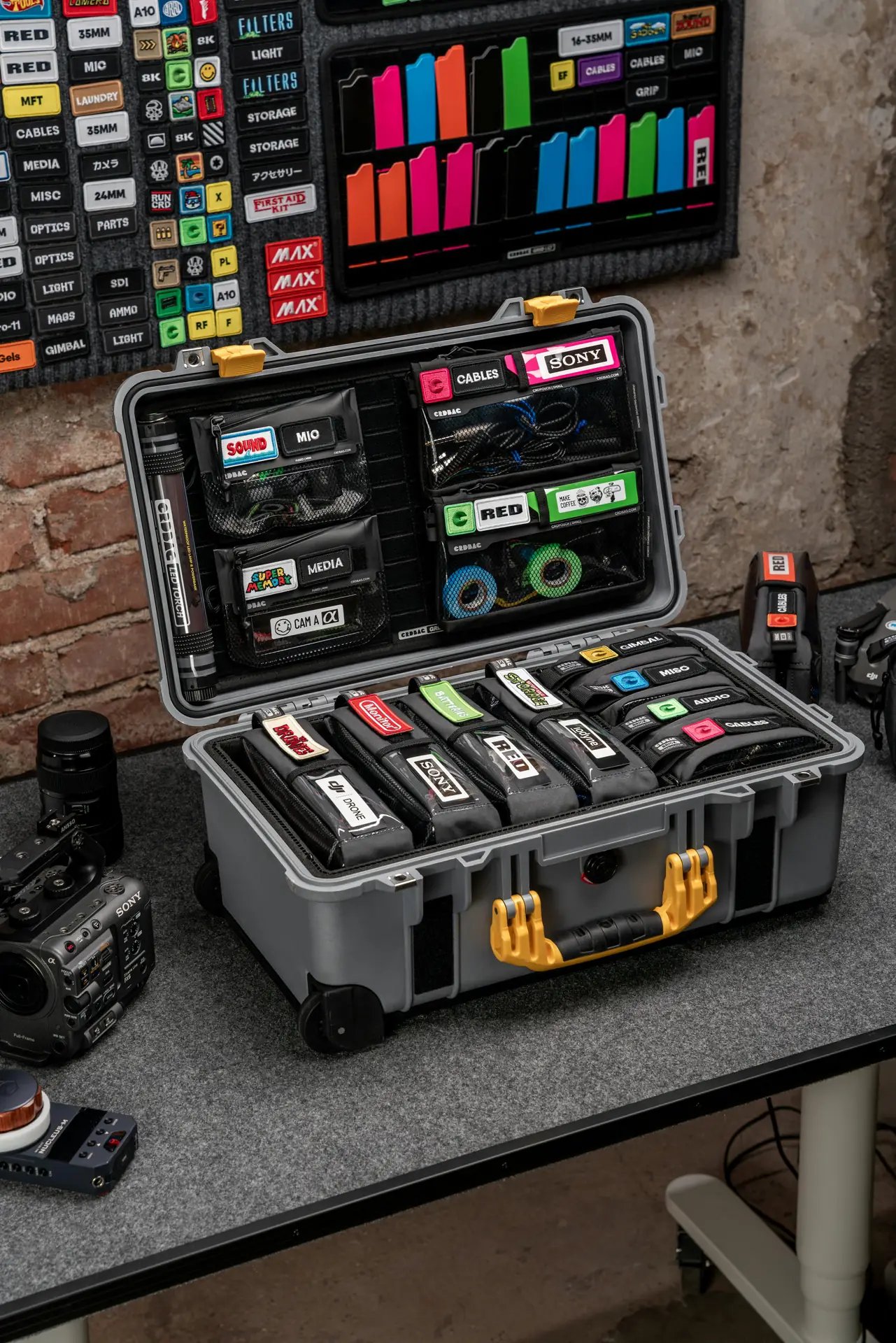
Tripod Tips
- Pick carbon fiber for light weight and strength
- Choose a compact model that folds small for hiking
- Use a ball head for quick framing on uneven ground
Strap and Carry Tips
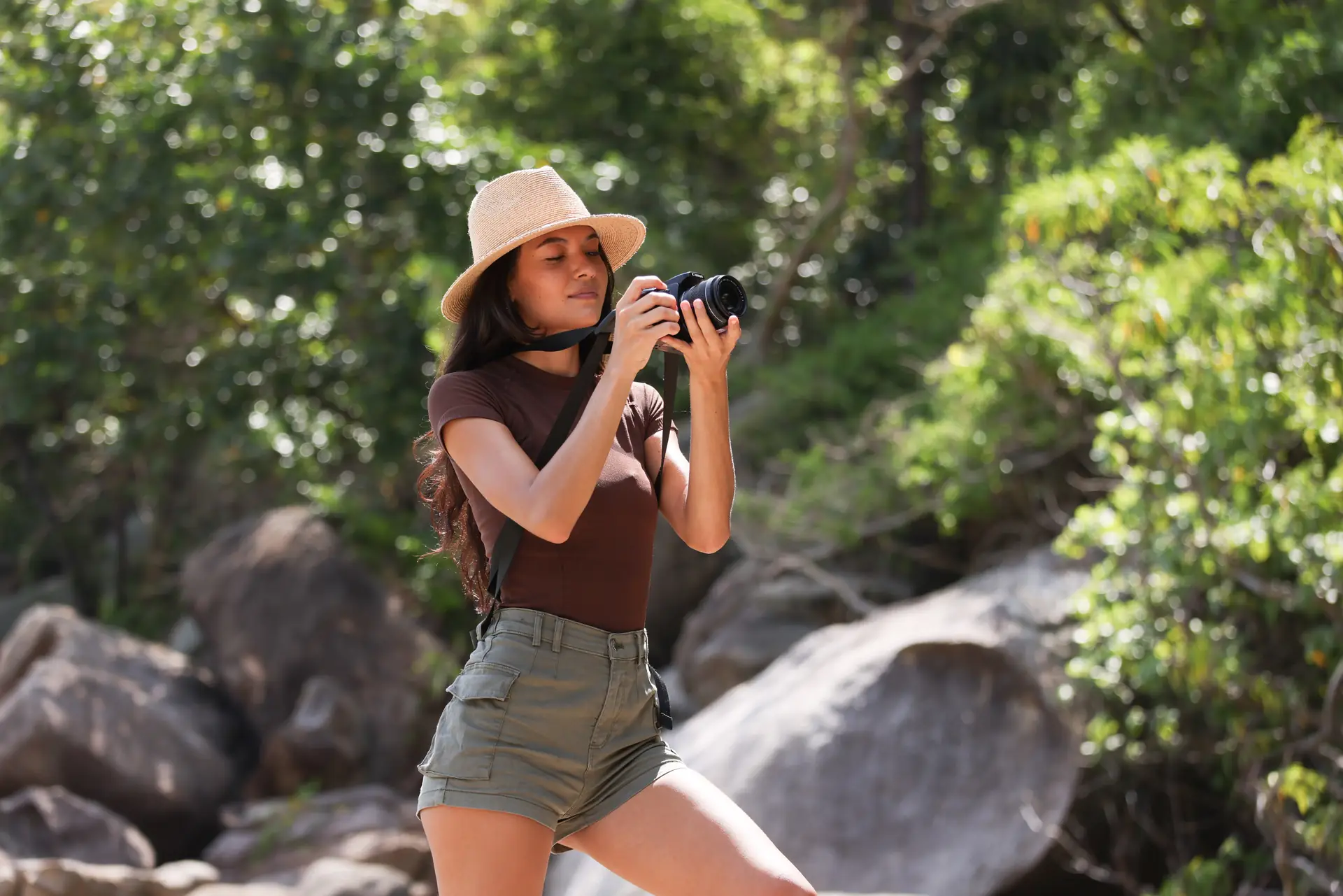
- Use a cross-body strap for fast reach and good balance
- Clip an extra magclip for quick lens swaps on the move
- Secure your strap to avoid swinging on steep trails
Pack and Protection Checklist
- Waterproof camera bag with padded dividers
- Dry sacks or zip bags for extra moisture control
- Lens cloths and a blower for quick cleaning
- Silica gel packs to cut humidity in gear cases
Exploring Power, Storage, and Smart Packing
Running out of battery or space can end a long day of exploring. Bring extra batteries and high-capacity memory cards. Back up your files nightly to avoid losing images.
Rugged SSDs and portable drives work well for field backups. Some photographers use a small laptop or tablet on multi-day routes. Carry a solar charger or power bank to extend battery life on long trips.
Power and Storage Tips
- Carry at least two spare batteries per camera body
- Use fast UHS-II or V90 cards for high frame rates
- Back up files to two devices when you can
- Label and rotate cards to avoid overwrite mistakes
How to Pack Smart
Packing smart helps you move fast and shoot more. Match your kit to the trip. For a day hike, bring a light body, two lenses, a small tripod, and spare power.
Try the three-zone packing method. Put heavy items near your spine. Place fragile gear in the center with padding and quick items in outer pockets.
- Zone 1: Heaviest items near your back
- Zone 2: Fragile gear in center padding
- Zone 3: Quick items like snacks, maps, and magclip outside
Exploring Safety, Skills, and Shooting Tips
Gear helps, but skills keep you safe in the wild. Learn basic first aid and map reading before new trips. Check the weather and tell someone your plan.
Practice camera skills at home before long trips. Try manual exposure and quick focus drills in local light. That helps you work fast on a remote ridge and catch the right light.
Field Shooting Tips
- Shoot in RAW to keep more detail for editing
- Use manual exposure for steady results in mixed light
- Bracket exposures for high-contrast scenes when exploring
- Scout light and compose fast; golden hour moves quickly
Budget and Gear Growth Tips
- Buy used lenses to save money and still get great quality
- Rent specialty items like super telephotos before you buy
- Choose zooms to trade weight for versatility on long hikes
Final Checks Before Exploring
Do a short gear check before every trip. Test cameras and lenses, charge batteries, and format memory cards. Pack a small tool kit and a rain cover to avoid surprises.
- Charge and label batteries
- Format cards and bring spares
- Pack a rain cover and dry bags
- Check straps and magclip attachments
Conclusion: Keep Exploring with the Right Camera Gear
Exploring the great outdoors gives big rewards when you prepare. Start with the five essentials: body, lenses, support, protection, and power. Add smart straps like camstrap voyager or camstrap magclip to stay fast and sure on the trail.
Pack light, plan well, and keep learning. Travel enthusiasts, outdoor adventure photographers, and amateur photographers all grow their kit as they gain skill. So keep exploring—the best shots often come when you least expect them.
If you want more tips or gear ideas for exploring, read field tests and trusted guides from pro photographers. Try Camstrap products if you want fast access, strong carry, and simple solutions while exploring the great outdoors.


