


Exploring wild places can change how you see the world. When you go exploring, you learn to read light, weather, and trails. This guide helps you take better photos while exploring the great outdoors.
Preparing for exploring: Gear, straps, and safety
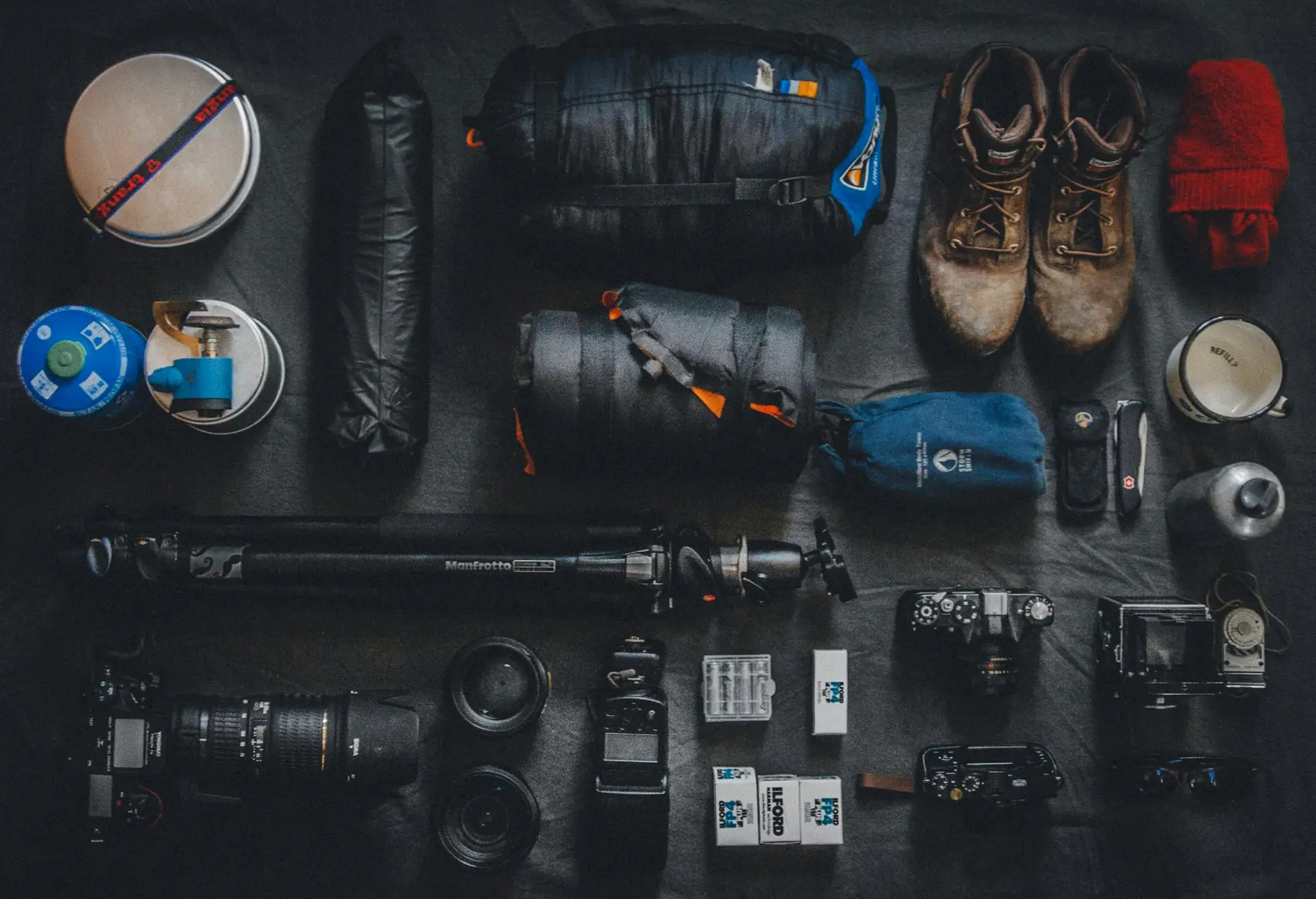
Before exploring, plan your kit to match the trip. Pick clothes for the weather, and bring a small first aid kit. Also, choose camera gear that can stand rough use.
Translation missing: en.blog_cta.bundle_heading

- Regular price
-
€42 - Regular price
-
€44 - Sale price
-
€42
By choosing the Camstrap strap, you are opting for a high-quality product designed to meet the needs of the most demanding photographers.
- Developed by a physiotherapist to relieve neck and back pain.
- Fast delivery with tracking by the Post Office 🚚
- Can be used as a shoulder strap or hands-free harness

- Regular price
-
€36 - Regular price
-
€42 - Sale price
-
€36
Translation missing: en.blog_cta.free_shipping_included
Bring a reliable strap so your camera stays safe while exploring. Camstrap makes straps for many needs. The camstrap voyager is built for long treks, and the camstrap nomad is light for quick trips.
Packing checklist for rugged trips
- Camera body and a backup memory card
- Two lenses that cover wide and tele views
- Extra batteries and a small charger
- Water, snacks, and a compact first aid kit
- Durable camera strap, like camstrap explorer or camstrap nomad
For longer trips, add a small tripod and a tough camera bag. Also, test gear at home before exploring new trails. This helps avoid surprises in the field.
Exploring light and composition
Light shapes a photo more than any camera. When exploring, watch the sun and clouds. Soft light at dawn and dusk often gives the best mood.
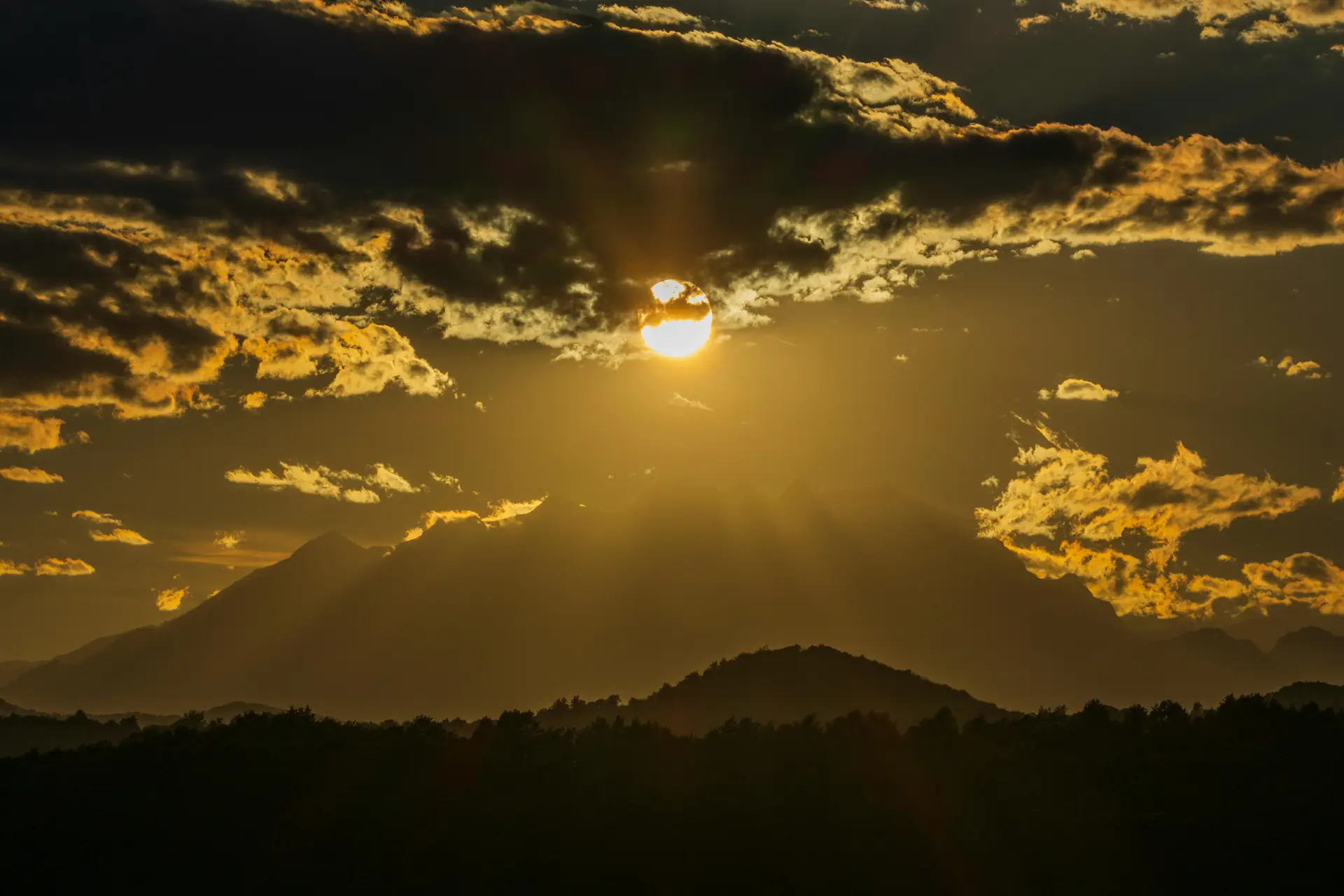
Use simple composition to tell a story while exploring. Place subjects off-center, and use leading lines to draw the eye. Move your feet to change the angle and depth.
Quick composition tricks
- Use the rule of thirds to place key elements
- Add a foreground object to show scale
- Look for patterns and repeat them
- Shoot from low for drama, and high for context
Also, when exploring, try framing a scene with nearby rocks or branches. This adds depth and keeps viewers in the picture.
Lenses and settings for rugged environments
Pick lenses that match the places you like to explore. A wide lens works for landscapes and tight trails. A telephoto lens helps you capture distant wildlife while exploring.
For settings, start with a low ISO and wide aperture for night skies. For moving subjects, raise shutter speed to freeze action. Use aperture priority to balance depth and light quickly.
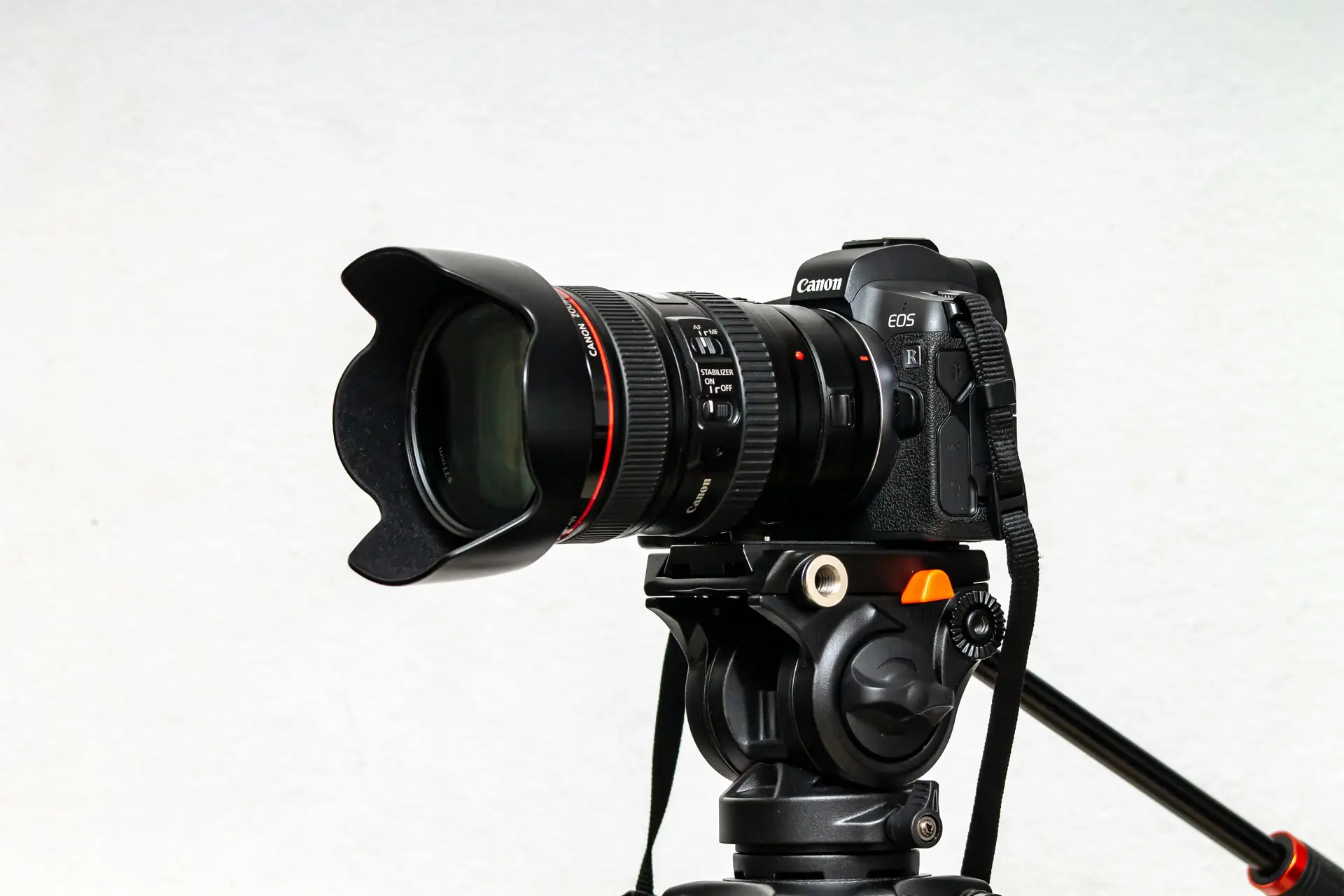
Recommended gear choices
- Wide-angle (16-35mm) for landscapes and tight scenes
- Standard zoom (24-70mm) for general work
- Telephoto (70-200mm) for distant subjects and wildlife
Also, bring polarizers and ND filters for bright conditions. Filters help control glare and keep skies rich in color while exploring.
Movement, focus, and action when exploring
Rugged places often have motion. Wind moves grass and clouds. Animals move fast. So keep focus steady and plan your shots.
Use continuous autofocus to track a moving subject while exploring. Set burst mode for quick sequences. This raises your chance of a sharp, well-timed shot.
Shooting tips for action scenes
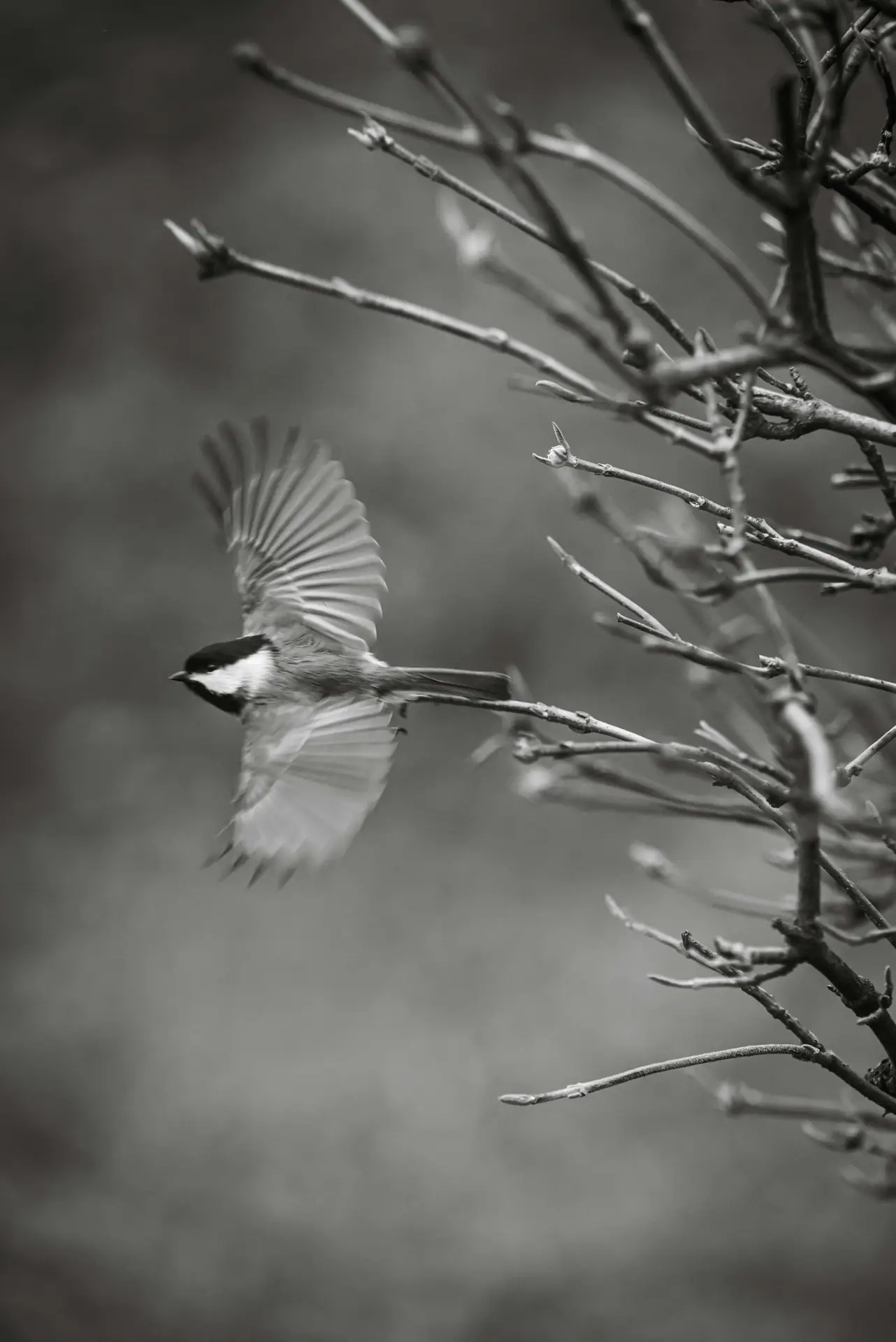
- Use a higher shutter speed for running people or animals
- Try panning to show motion blur and keep the subject sharp
- Hold the camera close to your body for better stability
Also, practice walking with your gear before you go exploring. This helps you learn balance and ways to adjust your strap and bag while moving.
Protecting gear: cases, straps, and the Camstrap range
Weather and rough ground can harm gear fast. So you must protect the camera and lenses when exploring. Use weather-sealed bags and a good strap to keep the camera secure.
Camstrap offers tools to keep your kit safe while exploring. The camstrap voyager is heavy-duty for long trips. The camstrap explorer has extra padding and quick-release clips. The camstrap magclip helps attach gear fast and safe.
How to use straps and clips well
- Wear the strap across your chest for hands-free balance
- Use a quick-release like camstrap magclip to swap gear fast
- Secure loose ends so they do not snag on branches

For wet or muddy trails, add a rain cover and wipe lenses often. Also clean your gear at the end of the day to prevent grit from building up after exploring.
Post-processing and sharing your exploring photos
After a day of exploring, sort and edit your images to tell a clear story. Keep edits simple and true to the scene. Adjust exposure, color, and sharpness in small steps.
Use tags and captions that show where you were exploring. This helps others find your images and learn from your trip. Share on platforms where travel fans and outdoor photographers meet.
Basic editing workflow
- Cull images and keep the best shots
- Adjust exposure and white balance
- Crop for better composition
- Sharpen and remove small spots
Also, back up your files to cloud or drive after editing. That keeps your photos safe and lets you return to them after exploring more places.

Safety and ethics while exploring
When exploring, respect nature and people. Follow trail rules and leave no trace. Don’t chase wildlife for a photo. This keeps animals and you safe.
Tell someone where you plan to go when exploring alone. Carry a map, a charged phone, and a light. These steps help you avoid hazards and stay calm if you get off course.
Ethical shooting tips
- Keep a safe distance from wildlife
- Stay on marked trails to protect plants
- Ask permission before photographing people
Also, share tips and help others learn safe ways to take photos while exploring. This builds a strong and thoughtful outdoor community.
Planning for different terrains when exploring

Mountains, deserts, and forests each need a different plan when exploring. In mountains, expect fast weather changes and pack layers. In deserts, bring shade and lots of water.
In forests, watch for wet ground and low light. Use a fast lens and a stable stance for sharp images. Plan the time of day you will shoot when exploring each terrain.
Quick terrain guide
- Mountains: pack warm layers and check the forecast
- Desert: bring water, sun guard, and dust protection
- Forest: use a wide lens and a fast aperture for low light
Also, research the area before exploring. Look at maps and read local guides. This will help you choose the best gear for the trip.
Tips for travel enthusiasts and outdoor photographers exploring
Travel enthusiasts find joy in new scenes and faces while exploring. They need gear that is light and trusted. A camstrap voyager or camstrap explorer fits many travel needs.

Outdoor adventure photographers want gear that holds up in harsh places when exploring. They favor strong straps like the camstrap nomad and tools like the camstrap magclip. These help them move fast and shoot more.
Advice for amateur photographers exploring
- Start with one lens and learn it well
- Practice basic settings at home before a trip
- Use a simple strap to keep the camera close while exploring
Also, join local groups or online forums to learn tips from others who love exploring. This helps you grow skills faster and find new places to shoot.
Common mistakes to avoid while exploring
Many people overpack and move slow when exploring. Keep only what you need to stay mobile. Also, do not forget to check battery levels before you leave.
Another mistake is ignoring safety for a single shot. If a scene seems risky, step back and find another angle. Your safety matters more than one photo while exploring.
Simple rules to follow
- Pack light and test gear before a trip
- Always protect your camera from weather and shock
- Plan shots but stay flexible to changes
Finally, learn to read the light and the land. This skill will grow each time you go exploring and will make your photos better over time.
Conclusion: Keep exploring and keep learning
Exploring the great outdoors gives you new scenes and new chances to learn. Keep gear light, use safe straps like camstrap voyager or camstrap explorer, and plan for the terrain. These steps will help you take better photos while exploring.
Practice often and share what you learn with other travel enthusiasts and outdoor photographers. Each time you go exploring, you gain skill and a new story to tell through your images.


