


Deciding how to choose a camera strap can change how you shoot and move. In this guide, you will learn how to choose a strap that fits your style and gear. We cover the main choices, give tips, and show how brands like Camstrap make smart options. Read on to find the best match for your camera and life.
How to choose the right camera strap: first steps
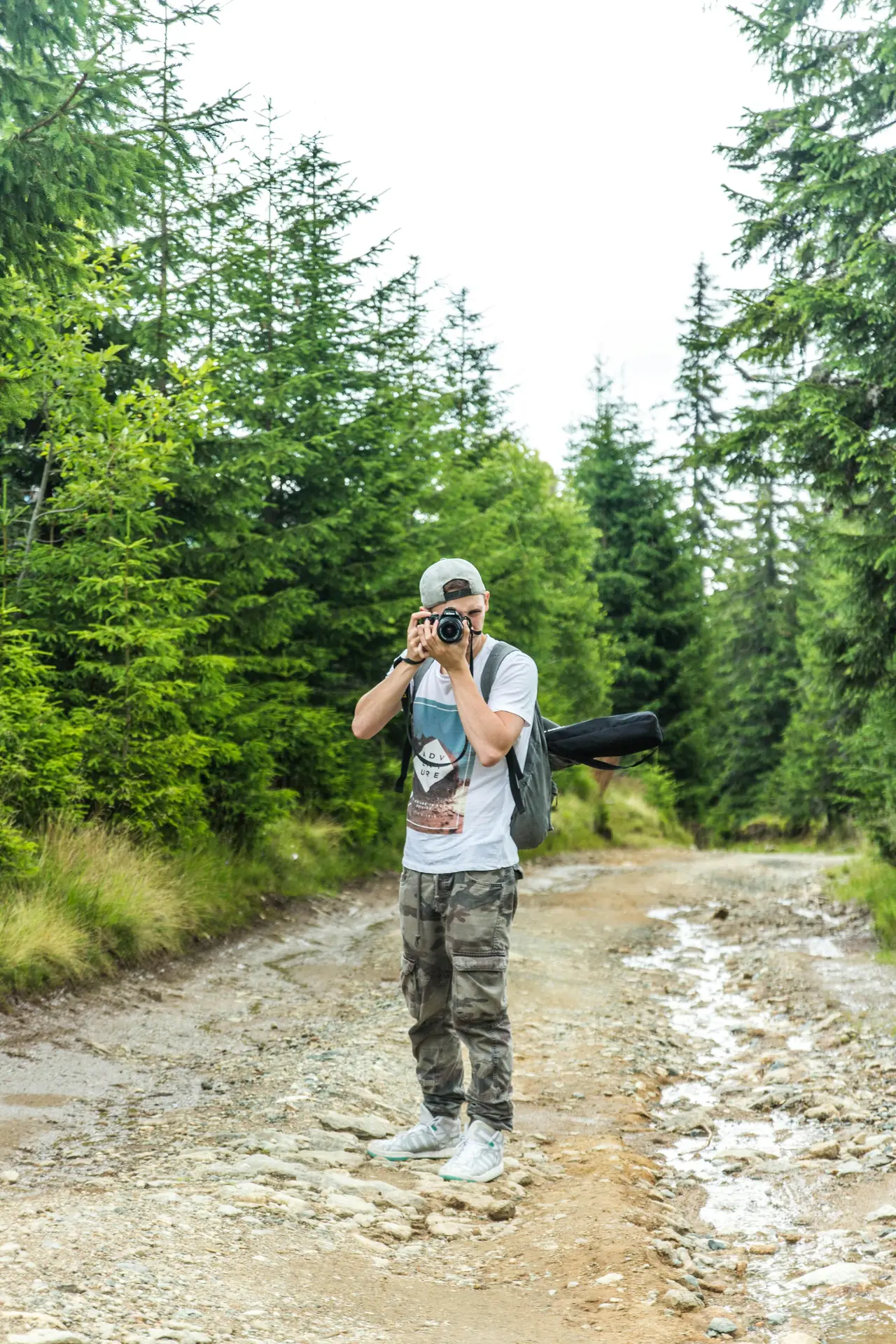
Start by thinking about how you shoot. Do you walk long trails or shoot street scenes all day? Your shooting style helps you choose the right strap. This first step saves time and money when you buy a strap.
Translation missing: en.blog_cta.bundle_heading

- Regular price
-
€42 - Regular price
-
€44 - Sale price
-
€42
By choosing the Camstrap strap, you are opting for a high-quality product designed to meet the needs of the most demanding photographers.
- Developed by a physiotherapist to relieve neck and back pain.
- Fast delivery with tracking by the Post Office 🚚
- Can be used as a shoulder strap or hands-free harness

- Regular price
-
€36 - Regular price
-
€42 - Sale price
-
€36
Translation missing: en.blog_cta.free_shipping_included
Assess your body and gear
Look at your camera weight and body size. Heavy cameras need wide straps to spread the load. Small mirrorless cameras work well with thin straps that stay light. Also, think about your body size and how the strap will sit on your neck or shoulder.
Set a budget and priorities
Decide how much you will spend and what matters most. Do you want comfort, style, or safety? You can choose a cheap strap to start. Or choose a higher-end strap if you travel a lot or shoot outdoors.
Materials and design: choose what works for you
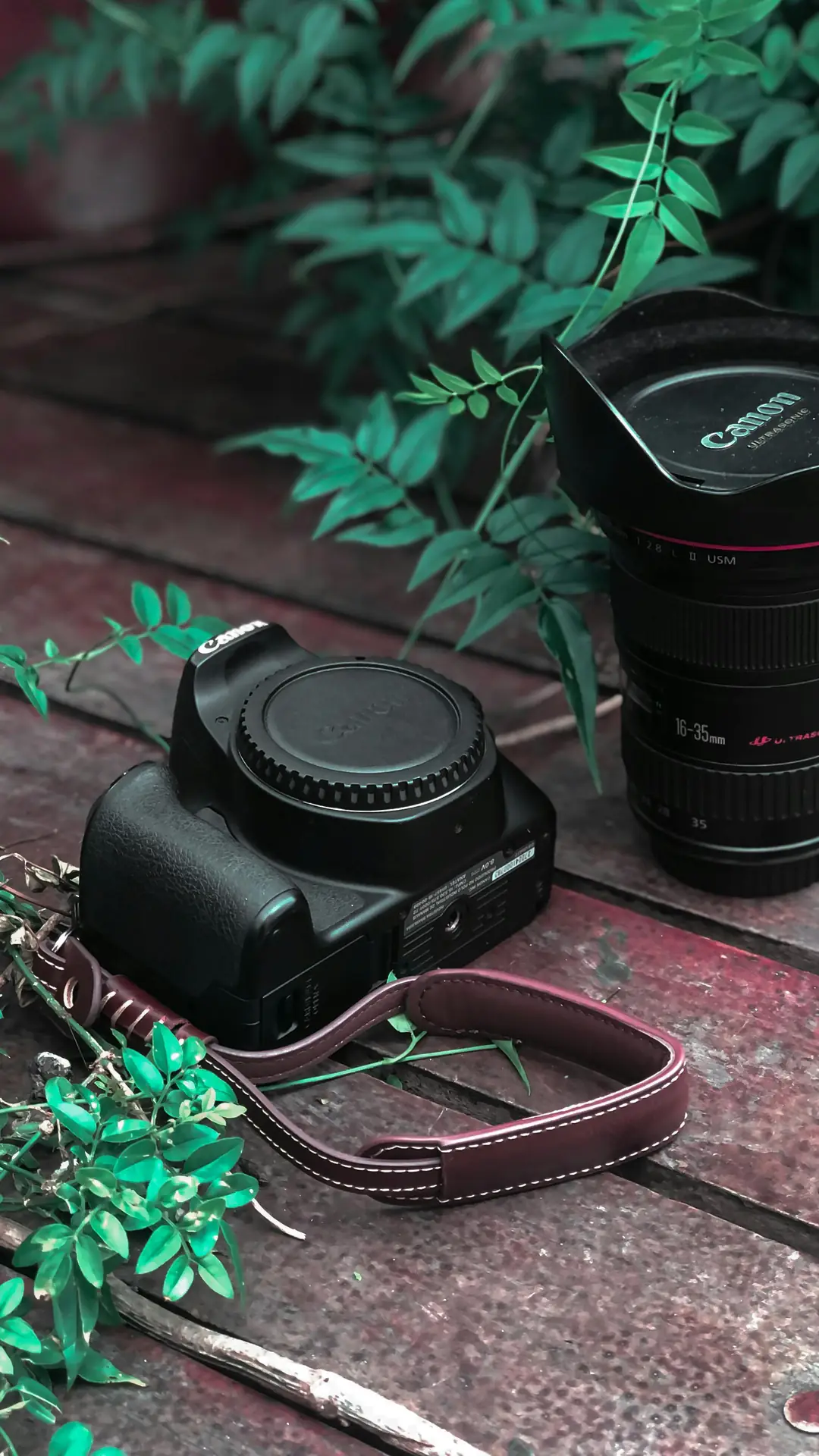
The material of the strap affects comfort, grip, and life span. Leather looks good but may get heavy when wet. Nylon is light and dries fast. Neoprene and padded straps offer more comfort for long days. Choose a material that fits the places you shoot.
Common materials and pros
- Leather: looks classic and lasts long. It can be stiff at first.
- Nylon and polyester: light, weather friendly, and easy to clean.
- Neoprene: soft and padded. Good for long walks and hikes.
- Canvas: strong and stylish. It can soak up moisture.
Also think about the ends and connectors on the strap. Metal rings and quick-release clips add strength. Sewn loops can be simple and light. Choose connectors that fit your camera and your safety needs.
How to choose by comfort and fit
Comfort is vital when you carry a camera for hours. Test the strap if you can. Wear it around a store or at home and move. This helps you choose a strap that will not dig into your neck or slip off your shoulder.
Padded vs. thin straps
Padded straps spread weight. They help if your camera is heavy. Thin straps feel lighter and take up less space. You can choose both depending on your needs. For travel, thin straps may be better. For hikes, padded straps are best.
Length and adjustability
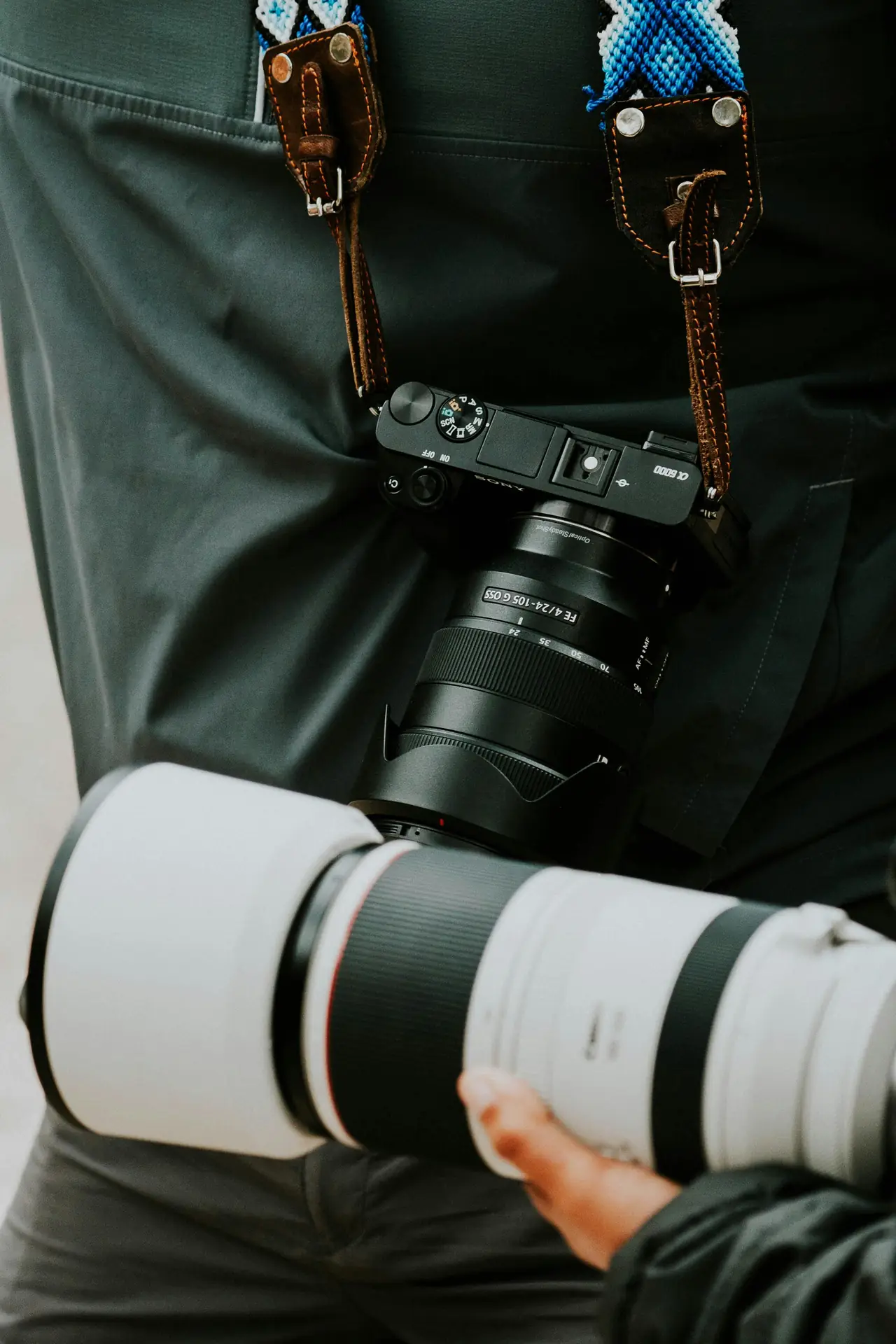
Look for straps that adjust easily. You want to carry the camera at chest level and bring it up fast to your eye. Adjustable straps let you change length to fit jackets or layers. Choose a strap with clear length limits so you can plan for gear and clothes.
How to choose by shooting style and use case
Your shooting style should guide how you choose a strap. Different styles need different kinds of support and reach. Below we break down common uses and the best strap types for each one.
Travel and street photography
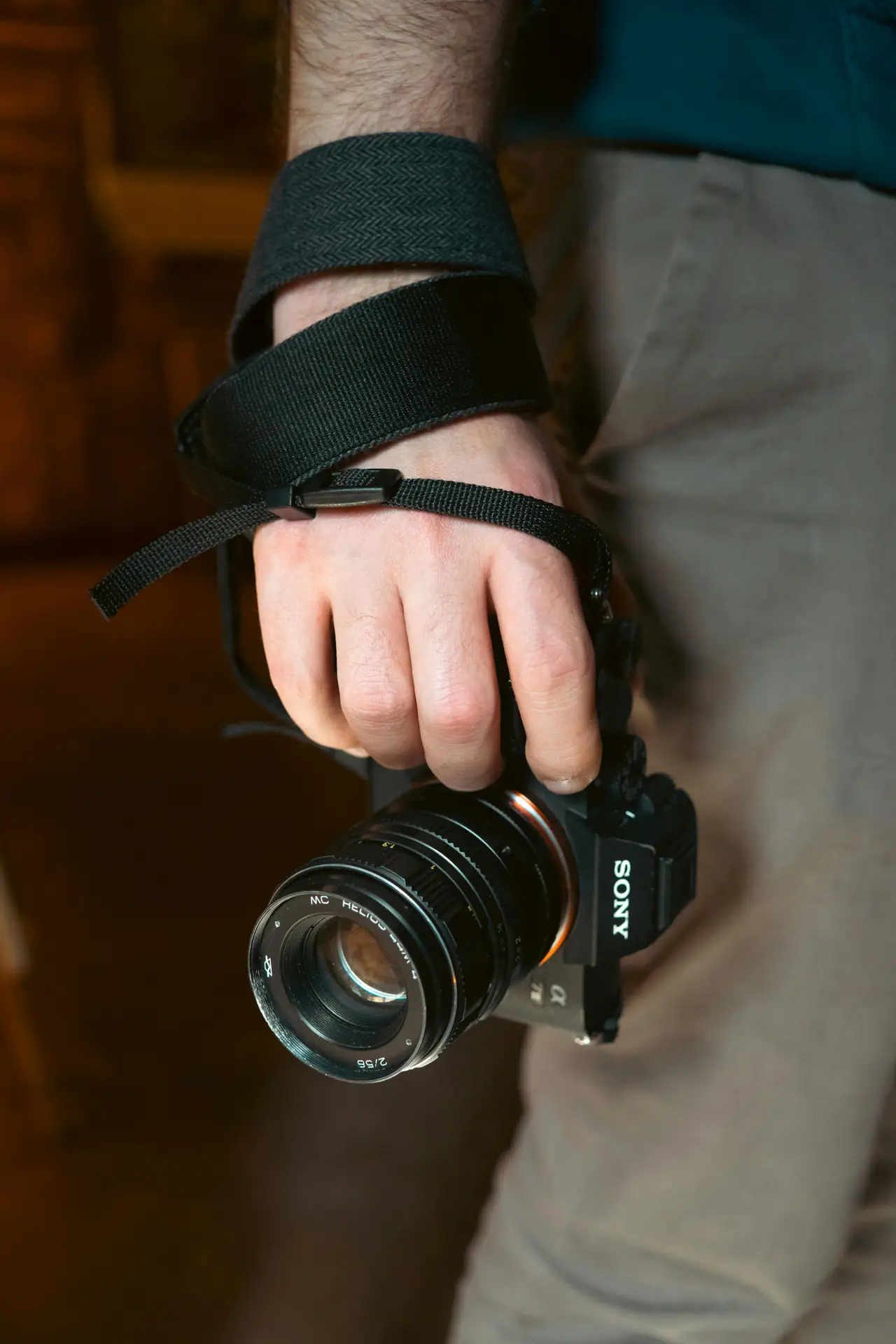
Travel shooters need a strap that is light and low-profile. You want to stay agile and keep your camera secure. Choose a cross-body or sling strap to keep the camera at your side and out of the way when you walk.
- Sling straps let you swing the camera to your chest fast.
- Cross-body straps balance the weight across your torso.
- Camstrap Voyager and Camstrap Explorer are built for travel. They offer light padding and quick swing action.
Outdoor and adventure photography
Outdoor photographers need straps that hold up to rain and rough use. Look for strong webbing and sealed stitching. Choose quick-release points to switch gear fast. Camstrap Nomad is a good pick for hikes. It adds grip and stays dry.
Portrait and studio work
In the studio you might want a strap that looks neat. Thin leather or a simple neck strap can fit the look. Choose a strap that stays hidden or matches your outfit. You can also choose wrist straps for small mirrorless rigs in tight spaces.
Safety and security: choose straps that protect your gear
Protecting your camera is a top need. Straps play a key role in this. Use straps with strong hardware and clear load ratings. Think about theft protection for travel. You can choose straps with locking clips to add safety.
Hardware and attachment points

Check the rings, clips, and screws that join strap to camera. Metal hardware lasts longer than plastic. Screw-in anchors and plate systems add strength. Camstrap MagClip uses a strong plate system to attach fast and hold tight.
Theft and drop protection
Look for straps with anti-theft features like locking carabiners or webbing that resists cutting. For extra safe carry, use a strap plus a chest harness. That helps keep the camera close and hard to grab. Choose straps that meet your travel risk level.
How to choose accessories and extras
Extras can make a strap more useful. Think about spare pads, quick-release plates, and fast sling mounts. These let you change carry styles and move from tripod to hand shoot fast. Choose accessories that match your main strap.
Quick-release systems and anchors
Quick-release gear lets you change straps fast. You can move a camera from strap to gimbal or rig without fuss. Choose anchors that lock and fit your camera body. Many Camstrap models come with quick anchors for smooth changes.

Adapters, mounts, and tripod links
Some straps link to your tripod plate or base. This helps keep things snug on the tripod. Choose straps that match your plate type or come with a small adapter. This saves time if you move between shots a lot.
How to choose for style and brand fit
Style matters for many photographers. You want a strap that blends with your camera and your look. Brands can help with trusted designs and warranty. Camstrap blends style and function across models like Voyager, Explorer, and Nomad.
Picking a brand and model
Look at reviews and brand claims. A trusted band will show clear specs and tests. Camstrap shows weight limits and use cases for each model. If you choose a known brand, you often get better support and parts.
Color and finish

Colors matter for visibility and style. Bright straps stand out and are easy to find. Dark straps hide and look clean. Choose a color that fits your gear and how you travel. Camstrap offers muted and bright options to match different tastes.
Maintenance and care: choose habits that extend life
Simple care makes straps last longer. Clean them by hand and let them air dry. Keep leather oiled but not soaked. Store straps in a dry place away from sun. Choose care steps that fit how often you shoot.
Cleaning tips
- Remove the strap from the camera when you clean. This keeps gear safe.
- Wipe nylon and canvas with mild soap and water. Rinse and air dry.
- Clean metal parts with a dry cloth and check screws for tightness.
Also inspect the strap often for wear. Replace a strap if stitching frays or hardware bends. It is cheaper to replace a strap than to replace a camera.
Where to buy and test: choose smart when shopping

Buy where you can test and return if needed. Try straps in a store or buy from a seller with a fair return policy. Read user reviews and watch videos from people who use the strap in real life. This helps you choose with more confidence.
Online vs. in-store shopping
Online gives more choice and better deals. But stores let you feel the strap. If you buy online, check return rules and delivery times. Camstrap sells direct and through partners so you can test models like MagClip in some stores.
Checklist: how to choose the right strap in five steps
Use this short checklist when you shop. It helps you compare options and choose faster. Check each item to make sure you pick the best match for your camera and life.
- Decide your shooting needs and use cases.
- Match strap material to comfort and weather needs.
- Check hardware strength and quick-release systems.
- Test fit and length for your body and gear.
- Pick a brand and model that offers support and parts.
Also keep in mind product examples that match each need. Camstrap Voyager and Camstrap Explorer suit travel. Camstrap Nomad suits rough outdoor use. Camstrap MagClip adds fast plate release for quick shots.
Final tips: choose wisely and enjoy shooting
In the end, choose a strap that makes shooting easy and safe. Try a few styles if you can. You will learn what works by practice and time. A good strap will let you focus on photos, not gear.
Remember to choose a strap that fits your camera and fits you. Look for proven brands and clear specs. If you travel, weigh comfort and safety first. For tough outdoor work, pick rugged build and secure hardware.
Conclusion: choose the best strap for your next shot
Now you know how to choose a camera strap that fits your life and gear. Use the steps above to test, compare, and pick with care. Choose comfort, safety, and the right features for your style. Then enjoy shooting with more ease.
If you want a quick start, try the Camstrap lineup. Choose Voyager for travel, Explorer for city shoots, Nomad for outdoor work, and MagClip for fast plate swaps. Each model helps you carry and protect your gear better. Choose one and get back to making photos.


