


The Ultimate Guide to Choosing the Right Gear for Rugged Photography in 2026
The ultimate goal for any outdoor shooter is clear gear that lasts. This guide will help you pick the right tools for rugged work. It covers cameras, lenses, straps, power, storage, and key tips for 2026 shoots.
Why the ultimate gear matters for rugged photography
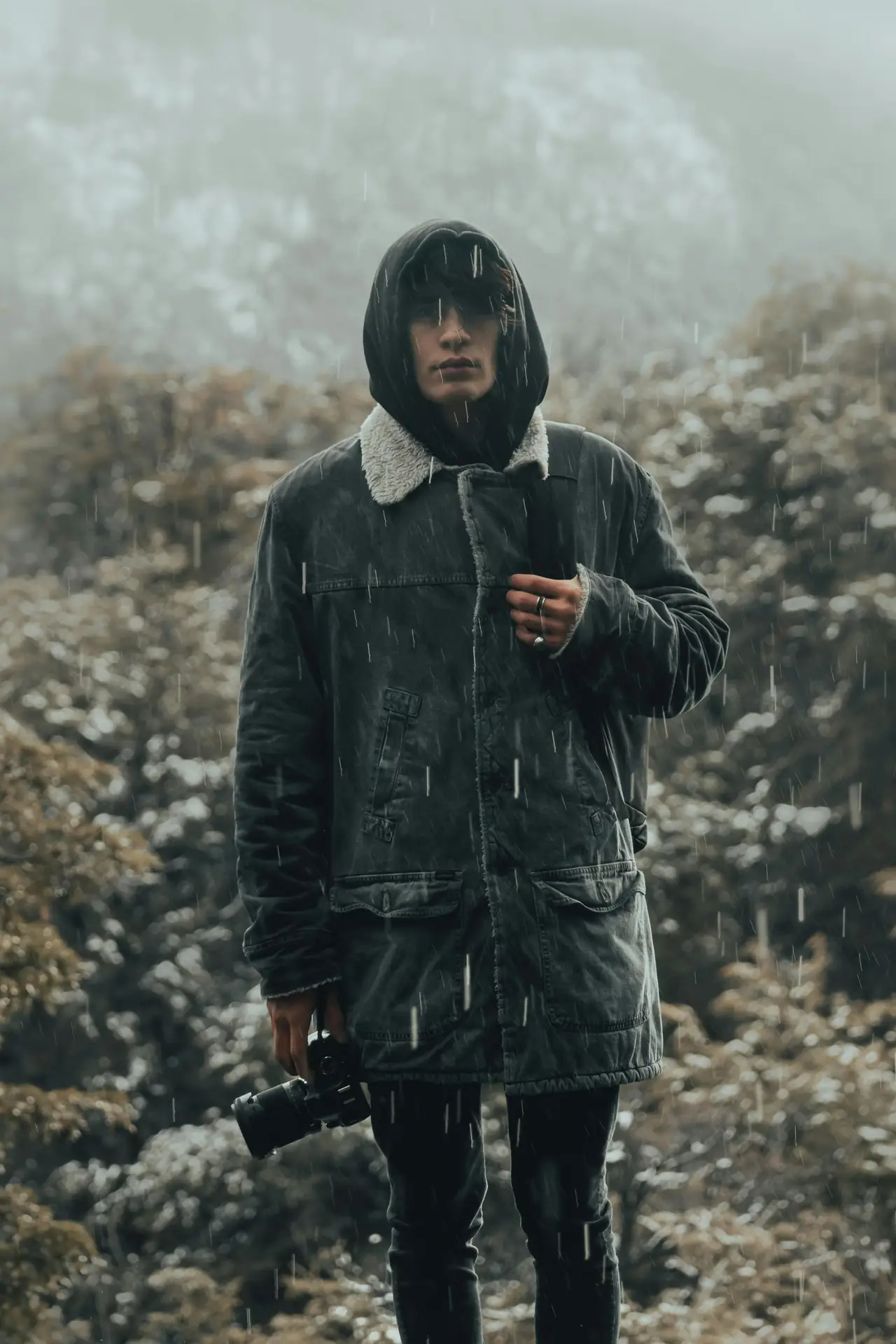
Rugged shoots test both you and your kit. You need gear that keeps working in rain, dust, heat, and cold. The ultimate gear cuts stress, so you can focus on the shot.
Good gear saves time in the field and protects your images. Therefore, you should pick gear that fits your needs and budget. This guide helps with that choosing process.
What makes gear rugged
Rugged gear often has weather sealing, tough build, and simple controls. It should be easy to clean and simple to fix in the field. Brands now add corrosion resistance and better seals for long trips.
Key features to look for
Look for water and dust ratings like IP67 or better. Check for cold-weather gloves use and impact resistance. Also note warranty and service options for remote repairs.
Choosing the right camera and lens for rugged photo
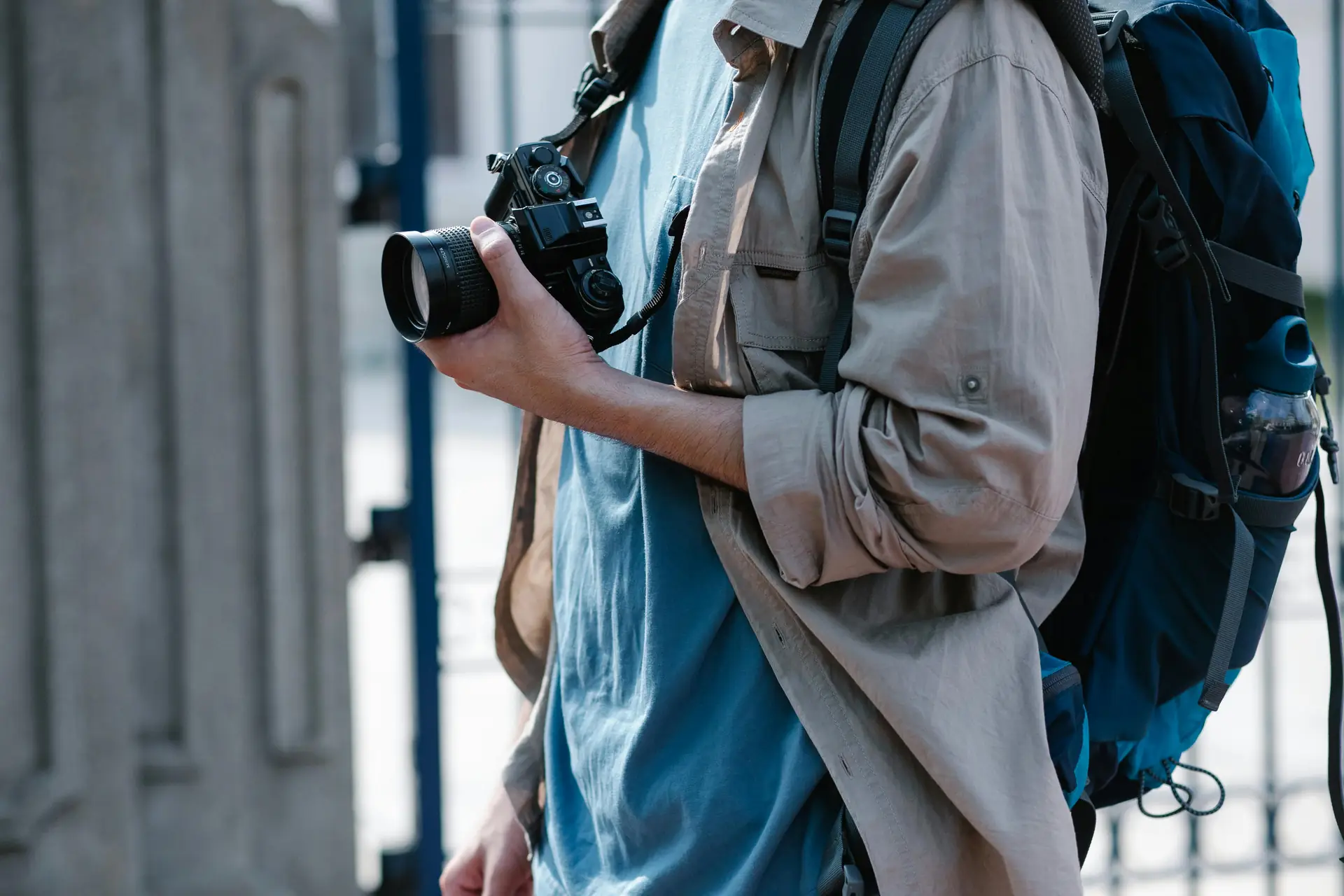
Start by naming your primary needs. Do you shoot landscape, wildlife, or action? Then pick a body and lens that match that work. This makes your gear both light and strong.
Sensor size, autofocus, and stabilization matter for field work. A good sensor gives clean photos in low light. Strong autofocus helps you lock on fast subjects.
Sensor size and image quality
Full-frame sensors give better low-light depth and dynamic range. APS-C sensors save weight and cost but still offer great quality. Micro four thirds can be very light and have long lenses available.
Autofocus and stabilization
Choose a camera with fast autofocus and good subject tracking. In 2026, autofocus algorithms are faster and more accurate. In-body stabilization helps when you handhold heavy lenses in rough spots.
Lens choices for rugged work
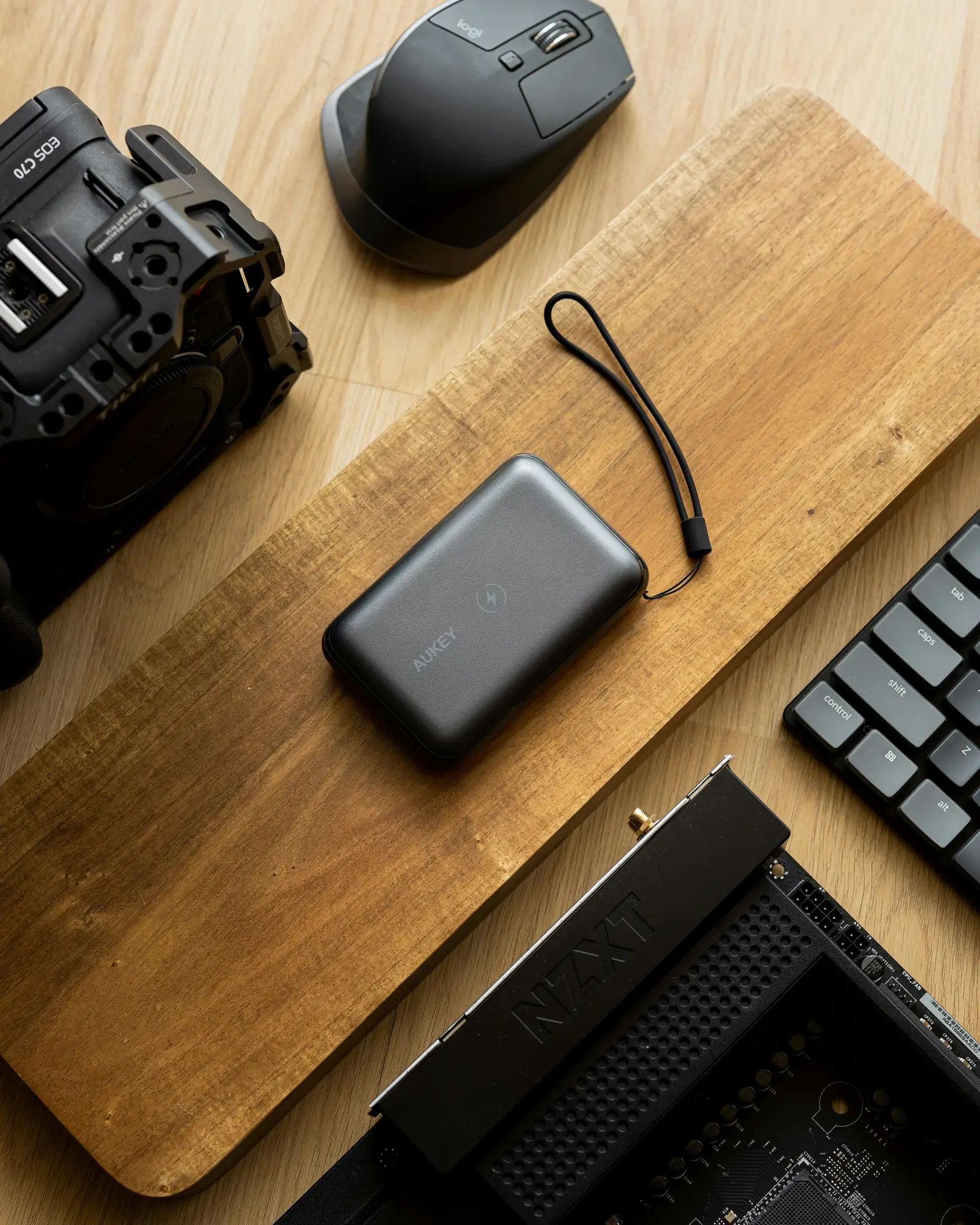
Keep one or two versatile lenses for most shoots. A wide-to-standard zoom fits landscape work. A tele zoom fits wildlife and action. Prime lenses give high quality and low light help.
Weather sealing and build
Pick lenses with dust and moisture seals. Metal mounts last longer than plastic. Check how easy it is to swap lenses in wind and rain. This saves your sensor and lenses from dust.
Ultimate accessories: straps, bags, and protection
Reliable accessories make rugged work safer and faster. The right strap, bag, and clips keep gear secure. This section shows key picks that fit many styles and needs.
Choose gear that keeps your hands free and your camera ready. The ultimate strap and bag match your shooting style and travel needs. Also think about quick access and load comfort.
Best strap types for rugged shoots

- Crossbody straps free one hand and keep the camera secure.
- Shoulder straps spread weight for long hikes.
- Wrist straps give quick grab and light weight for short walks.
Camstrap makes several good options for rugged use. The Camstrap voyager works well for travel enthusiasts who want quick access. The Camstrap explorer fits outdoor adventure photographers who need extra grip. The Camstrap nomad is a great choice for amateurs who want a blend of price and quality.
Magclip and quick release options
The Camstrap magclip gives fast on-off access and strong hold. Quick-release clips save time but check their lock strength. Choose metal parts for long life and low chance of failure.
Bags, cases, and dry protection
Pick a bag with padded dividers and a waterproof shell. Roll-top dry bags work well for water crossings. Hard cases protect fragile glass during travel on rough roads.
- Use a camera cube in a hiking backpack for quick swaps.
- Pick an over-shoulder sling for day trips and easy gear access.
- Carry a small dry sack for lenses to keep them safe in rain.

Power, storage, and data backup in the field
Power and storage issues can stop a shoot fast. You need a plan for batteries, cards, and backups. Follow a basic flow: charge, keep spares, and copy files each night.
Bring quality power banks with high output and rated for outdoor use. In 2026, USB-C PD power banks can charge many mirrorless bodies fast. Also think about small solar panels if you go off-grid for long.
Batteries and charging tips
Carry at least two spare batteries for each camera. Cold weather cuts battery life, so bring extra. Use a fast charger that can handle multiple cells at once.
Storage and backup strategy
Use fast SD or CFexpress cards to keep write times low. Bring at least two cards per card slot and rotate them. Each night, copy files to a portable SSD and then to cloud when you have a signal.

Also carry a rugged SSD with hardware encryption for safety. Redundant backups keep your work safe if a card fails. Therefore, always plan a two-step backup path.
Research-backed tips
Recent trends show mirrorless camera bodies offer more power draw but better image quality. So you need more battery backups than older DSLRs. Also, modern SSDs give fast transfers and long life in rough use.
Final checklist: the ultimate pack for rugged shoots
Now build a simple pack list that fits your route and goal. Use this checklist to prepare and to avoid last-minute stress. The ultimate checklist keeps your shoot smooth and safe.
Pack light but cover the key needs. One camera, two lenses, three batteries, two cards per slot, a small SSD, and a reliable strap will handle most trips. Add weather gear and a first aid kit for remote work.
The ultimate checklist

- Camera body with weather sealing and fast AF.
- Two lenses that cover wide to tele needs.
- Three spare batteries and a fast charger.
- Two memory cards per slot and a rugged SSD.
- Camstrap voyager or explorer strap for secure carry.
- Camstrap magclip or a strong quick-release system.
- Waterproof bag or case and lens wipes.
- Portable power bank and backup solar panel if needed.
- Small tripod or monopod that folds small.
Also carry backup clothing, food, and a compact map or GPS. Check your gear the night before. Then go with a clear plan and the right tool for the job.
Practical tips for choosing the right kit on a budget
Budget work often needs smart trade-offs. You can buy used bodies and new lenses to save money. Also pick accessories that last and add value to each trip.
Look for kit with tight seals and metal parts rather than cheap plastics. Shop during sales and check trusted used shops that list service history. This can give you near-new gear at a fair price.
Where to save and where to spend
- Save on older camera bodies with proven performance.
- Spend on lenses that match your main work and last long.
- Invest in a strong strap like Camstrap nomad for comfort and safety.
- Buy a good charger and SSD rather than the cheapest version.
Also think of long-term costs. A well-built strap and a sealed lens can save repair bills later. So spend where it counts and save where it does not risk your shots.
Conclusion: Your ultimate plan for rugged photography in 2026
This ultimate guide gives a clear path to choosing the right gear for rugged shoots. You now know what to look for in bodies, lenses, straps, power, and storage. Use these points to build a kit that fits your style and trip length.
Start by listing your main goals and the conditions you expect. Then pick gear that covers those needs and leaves room to grow. Consider a Camstrap product for secure carry. The Camstrap voyager, Camstrap explorer, and Camstrap nomad each fit different shooters. Use the Camstrap magclip to speed up access while keeping your camera safe.
Test your kit close to home before you head out. Clean your gear, update firmware, and check seals. Charge all batteries and label cards. Then go shoot with confidence and know your pack has the ultimate mix of strength and function.


