


Unlock the Magic of Low-Light Photography: New Techniques for Stunning Shots
Low-light scenes feel full of magic. Street lamps glow, stars appear, and colors look rich and deep. But many photographers struggle to unlock that beauty, because their photos turn out blurry, dark, or full of grain.
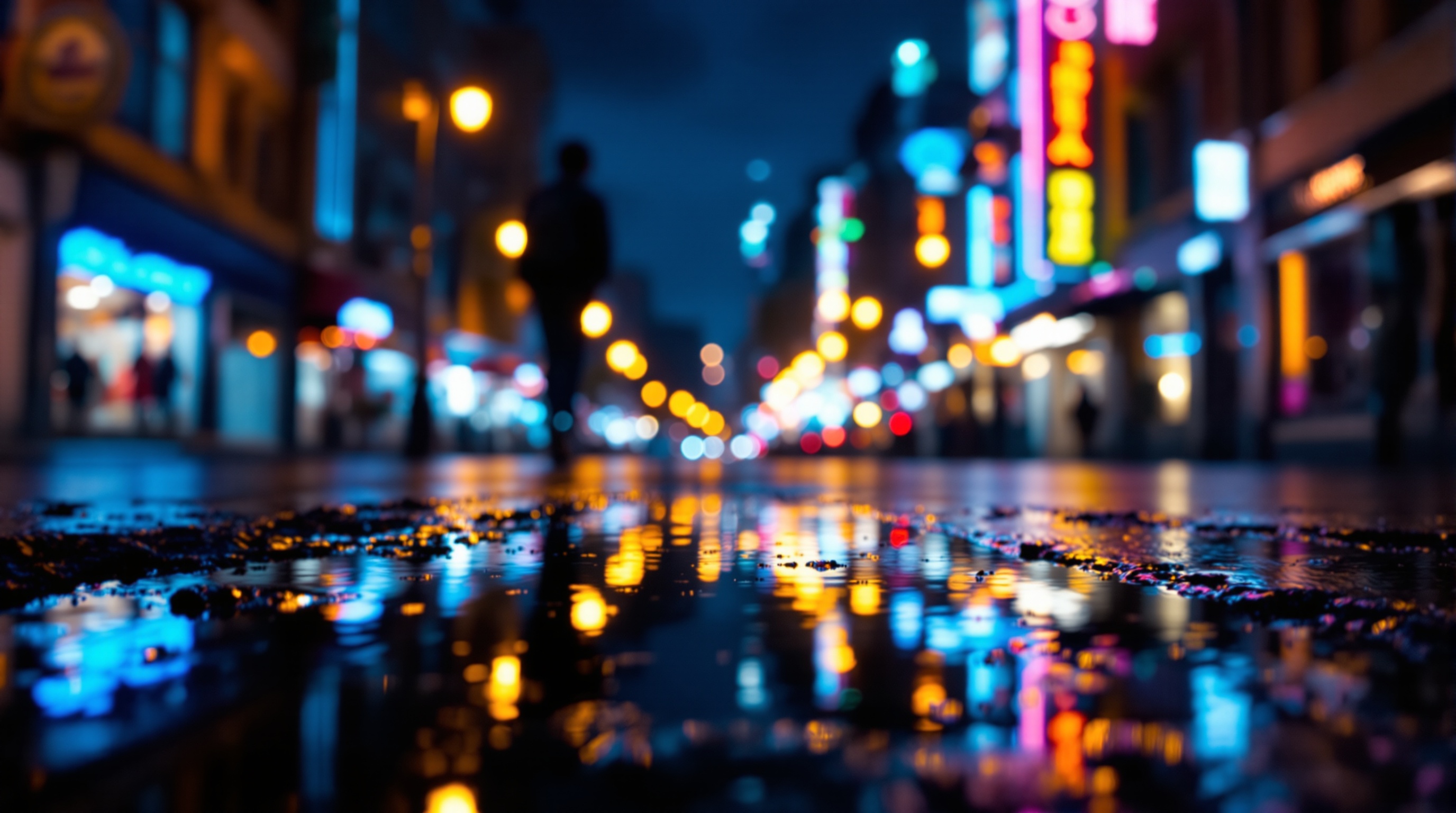
This guide will help you unlock simple, new techniques for low-light photography. You will learn how to use your camera settings, handle motion, and stay steady in real travel and adventure situations. You will also see how smart gear choices, like a good camera strap from Camstrap, help you focus on the shot and not on your equipment.
Why Low-Light Photography Feels So Hard and How to Unlock It
In low light, your camera does not get much light on the sensor. That is why photos often look noisy, shaky, or too dark. Once you understand what is really going on, you can unlock far better results.
Most guides talk about the “exposure triangle”: shutter speed, aperture, and ISO. In very low light, two things are usually fixed. You are at your widest aperture, and the scene brightness cannot change. So the main control you still have to unlock is shutter speed.

The Real Trade-Off: Blur vs Noise
In dark scenes, you always face a choice between blur and noise. A fast shutter freezes motion but forces your ISO very high. That unlocks sharp subjects but adds grain.
A slow shutter keeps ISO low and cleaner. But any movement turns into blur. Pros accept this trade-off and work with it, not against it. They unlock the “sweet spot” by testing shutter speeds until most frames look sharp enough and the noise still looks fine.
You can do the same, even with entry-level gear. It just takes practice and a calm approach.
Unlock the Best Exposure Settings for Low-Light Magic
To unlock great low-light photography, you must control three main settings. You may know their names already. Here we will see how to use them in a simple, step-by-step way.
Aperture: Let in as Much Light as You Can
Aperture is the opening in your lens. A low f-number like f/1.8 or f/2.8 means a wide opening that lets in more light. In dim places, you almost always want to use the widest aperture your lens allows.
Fast lenses, such as f/1.2 to f/2.8, help a lot in low light. Many travel and amateur photographers only have a kit zoom lens. That is fine. Just set your lens to its lowest f-number so you unlock the best it can give.
Key tips for aperture:
- Use Aperture Priority (A or Av mode) when you want soft backgrounds and easy control.
- For portraits at night, try f/1.8 to f/2.8 to unlock bright faces and creamy blur.
- For groups, use f/2.8 to f/4 so more faces stay in focus.
Shutter Speed: The Main Key You Must Unlock
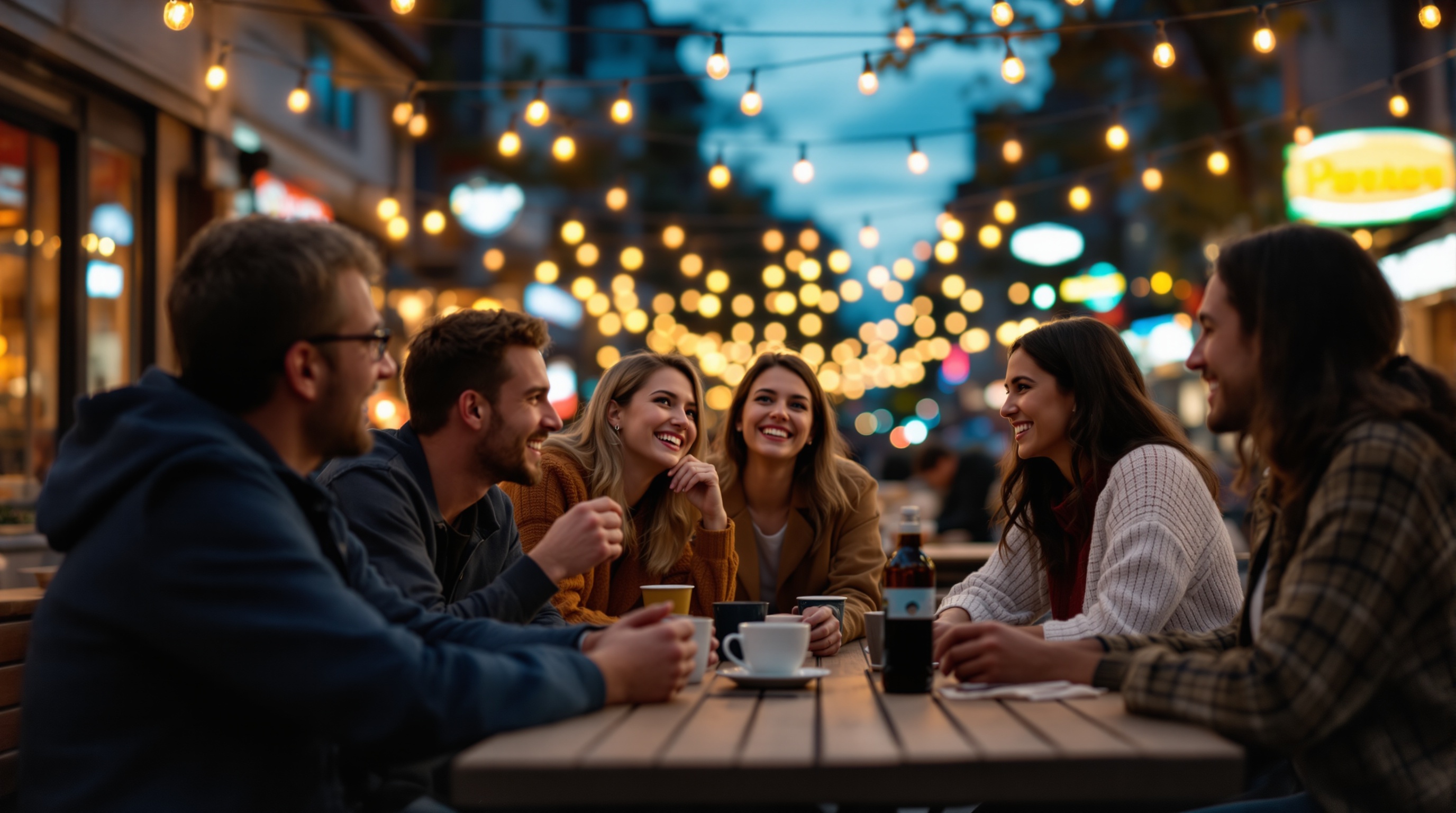
Shutter speed controls how long the sensor gathers light. Longer times unlock more light but also more blur. In low light, this is usually the most important setting to manage.
Many pros “feather the shutter.” They start with a safe, fast shutter, then slowly lower it while shooting bursts. Later, they check which shutter speed unlocked the best balance of sharpness and noise.
Simple starting points for hand-held shots:
- People standing fairly still: 1/60 to 1/125 second
- Walking people or street scenes: 1/125 to 1/250 second
- Fast action like kids or sports: 1/250 to 1/500 second or faster
- Static scenes with image stabilization: 1/20 to 1/40 second can still work
After your first test shots, ask yourself two questions. Are most frames sharp enough? Is the noise level okay? Then adjust shutter speed up or down to unlock a better balance.
ISO: Use What You Need, Then Fix It Later
ISO controls how sensitive the sensor is to light. Higher ISO makes the image brighter but adds noise. Modern cameras, even mid-range ones, handle ISO 3200 to 6400 quite well.
This is true if you shoot RAW and use noise reduction in editing. Many pros say, “Noise is better than blur.” You can reduce noise later with software. You cannot fix a blurry face.
So do not fear higher ISO when you need it to unlock the shot. Use these simple ranges as a guide:
- City streets at dusk: ISO 800 to 3200
- Indoor events or concerts: ISO 1600 to 6400
- Night sky or very dark scenes: ISO 3200 to 12800 on newer cameras
Unlock Sharp Photos Hand-Held: Stability and Motion Tricks
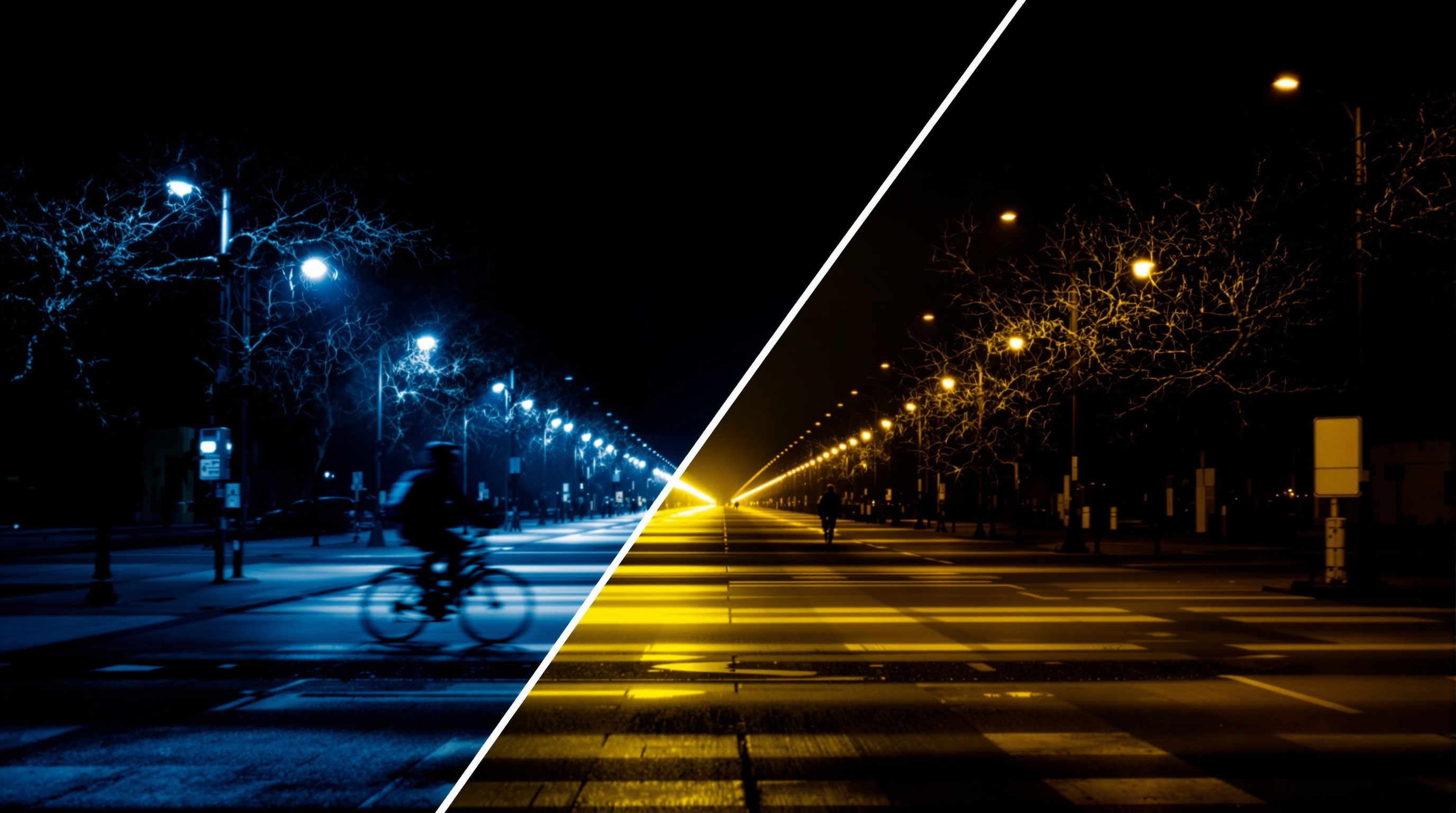
Low-light photography is not only about settings. It is also about how steady you hold the camera and how you handle movement. Travel and outdoor photographers can unlock much better results with good habits and smart gear like a solid Camstrap.
Use Your Body Like a Tripod
When you do not have a tripod, your body becomes your support. A few simple tricks can unlock much sharper shots at slower shutter speeds.
- Stand with your feet shoulder-width apart for a stable base.
- Tuck your elbows into your body, not out to the sides.
- Hold your breath gently as you press the shutter, then exhale.
- Lean against a wall, pole, or tree when you can.
- Rest the camera on a railing, bag, or even your knee for extra support.
Many photographers also shoot short bursts of three to five frames. Often, one frame in the burst will unlock perfect sharpness, even at slower speeds.
Feather the Shutter in Real Life
Here is a simple way to unlock the “feathering” technique during a trip. You can use it without much thought.
- Start safe with a shutter speed you trust, like 1/125 second.
- Take a few shots and zoom in on the screen to check sharpness.
- If the images are sharp but very noisy, lower the shutter to 1/80 or 1/60.
- Take another short burst and check again for blur and noise.
- Repeat until you see blur starting to appear, then go one step faster.
This process unlocks your personal sweet spot for each lens and each light level. With practice, you will learn to guess it quickly. That skill is very useful for street or wildlife work.
Use Focal Length to Unlock Easier Settings
Wider lenses hide small shakes better than long telephoto lenses. So if you struggle to get sharp images at 200mm in low light, zoom out to 50 to 70mm. Then step closer to your subject.
This unlocks two big gains:
- Less visible camera shake, so you can use a slower shutter.
- On many zoom lenses, the wide end also unlocks a wider aperture, like f/4 instead of f/5.6.
You can crop later if your camera has enough resolution. For many travel and amateur photographers, a sharp cropped image looks far better than a blurry full-frame shot.
Unlock the Right Gear for Low-Light Adventures
You do not need the most expensive camera to unlock beautiful low-light photos. But some gear choices make things much easier for travel lovers, outdoor adventure photographers, and hobbyists. Camstrap can also play a key role in this setup.
Cameras and Lenses That Help in Low Light
Full-frame and good APS-C cameras handle low light very well. They gather more light and keep noise under control. Smaller-sensor cameras can still do fine if you know their limits and shoot with care.
Helpful gear choices for low light:
- A camera with good high-ISO performance and RAW support.
- A fast prime lens like 35mm f/1.8 or 50mm f/1.8 for street and travel.
- A lens with image stabilization for hand-held cityscapes or indoor scenes.
- A compact travel tripod if you love night cityscapes or star shots.
Why Your Camera Strap Matters More Than You Think
In low light, you often shoot at the edge of what your hands can hold steady. A good strap can unlock extra stability and comfort, especially during long nights of walking, hiking, or exploring cities.
Camstrap designs camera straps for exactly these moments. Each Camstrap is invented and assembled in France with care and skill. The brand mixes strength, comfort, and style so your strap feels good and looks good.
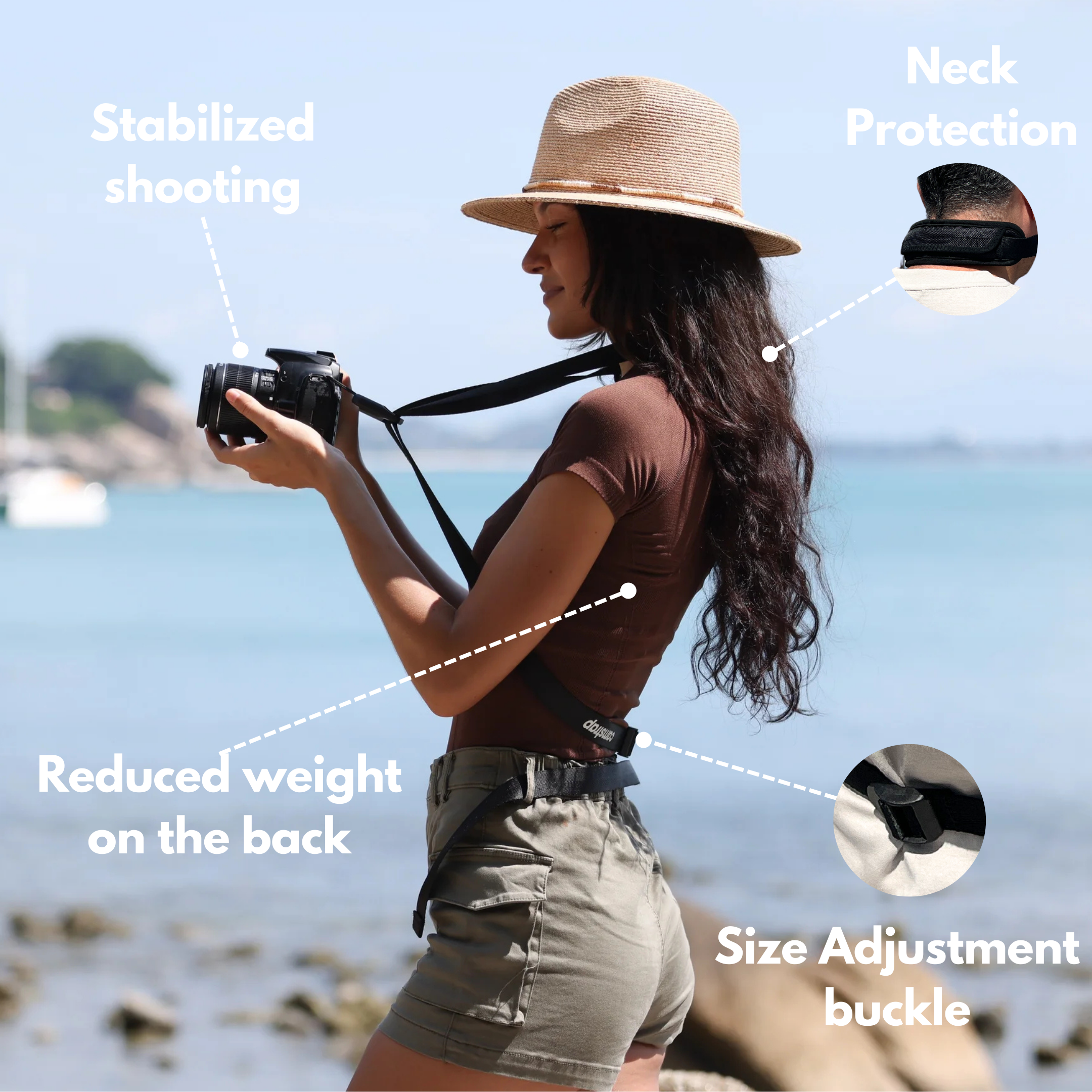
For travel enthusiasts who move through airports, trains, and busy streets, a solid strap is more than a fashion item. It is part of your support system and helps you unlock sharper photos because you feel steady and relaxed.
Choosing the Right Camstrap for Your Style
Different photographers need different strap features. Camstrap offers several models that unlock better comfort and control in low light. Here is how each one can match your style and needs.
Camstrap Voyager: For Travel Enthusiasts
If you travel often and love night markets, neon streets, or dim cafés, the Camstrap Voyager is a strong choice. It is built for people who walk long hours with a camera over their shoulder. The design balances strength and elegance, so it looks good in both big cities and small villages.
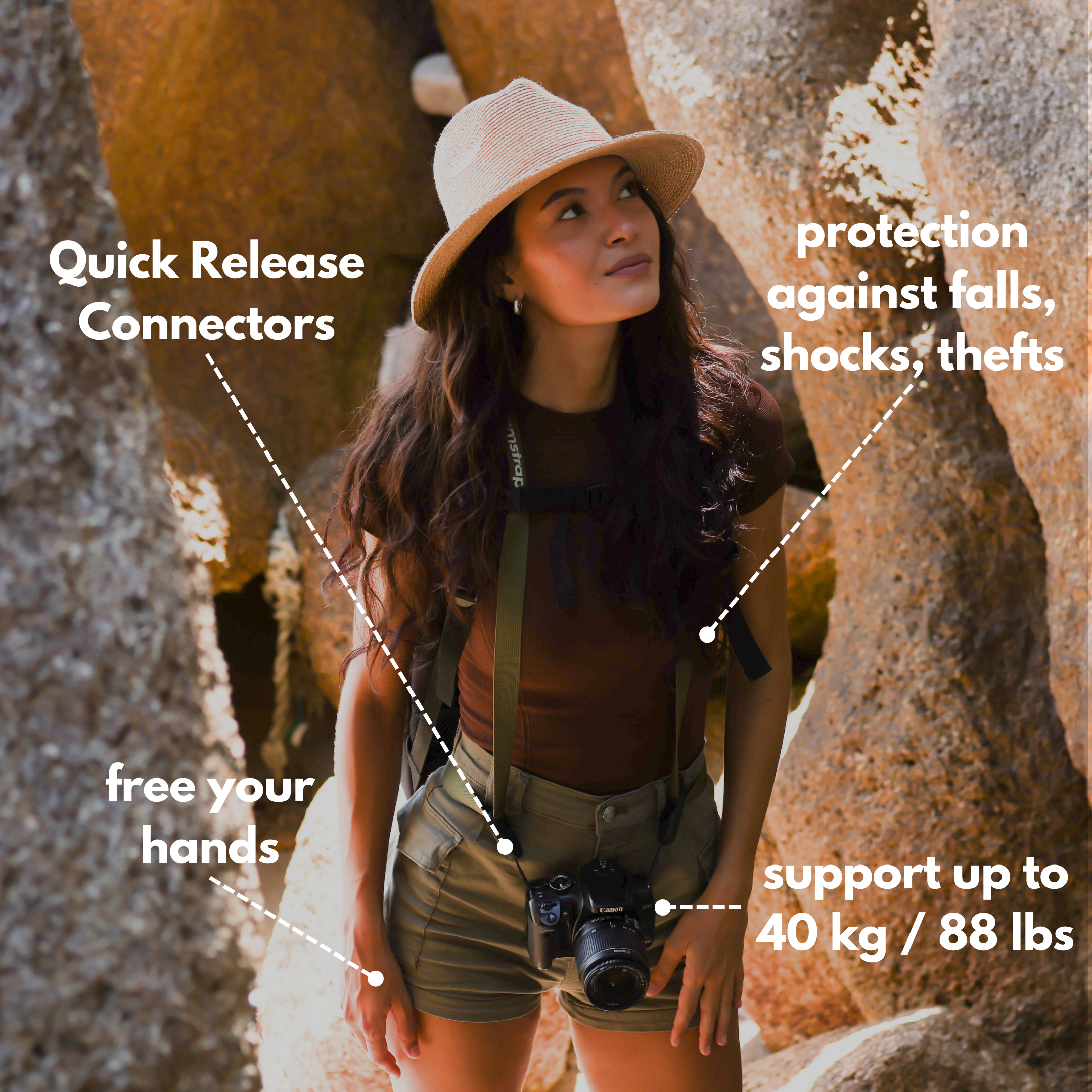
With international shipping and tracking, Camstrap makes it easy to get a Voyager strap before your next trip. Free shipping over €70 and a 30-day money-back guarantee unlock peace of mind. That matters when you plan a big journey and want gear you can trust.
Camstrap Explorer: For Outdoor Adventure Photographers
Outdoor adventure photographers often shoot sunrise hikes, forest trails, and stormy coastlines. In these low-light conditions, you need both hands free to climb or steady yourself. The Camstrap Explorer is built for rough use and comfort, so your DSLR or mirrorless body stays safe while you move.
When you stop to unlock a shot of a glowing sky or a campfire scene, your camera sits ready at your side. You do not waste time digging in a bag while the light fades. For long shoots, the Explorer’s soft padding helps reduce neck and shoulder pain.
Camstrap Nomad: For Everyday and Amateur Photographers
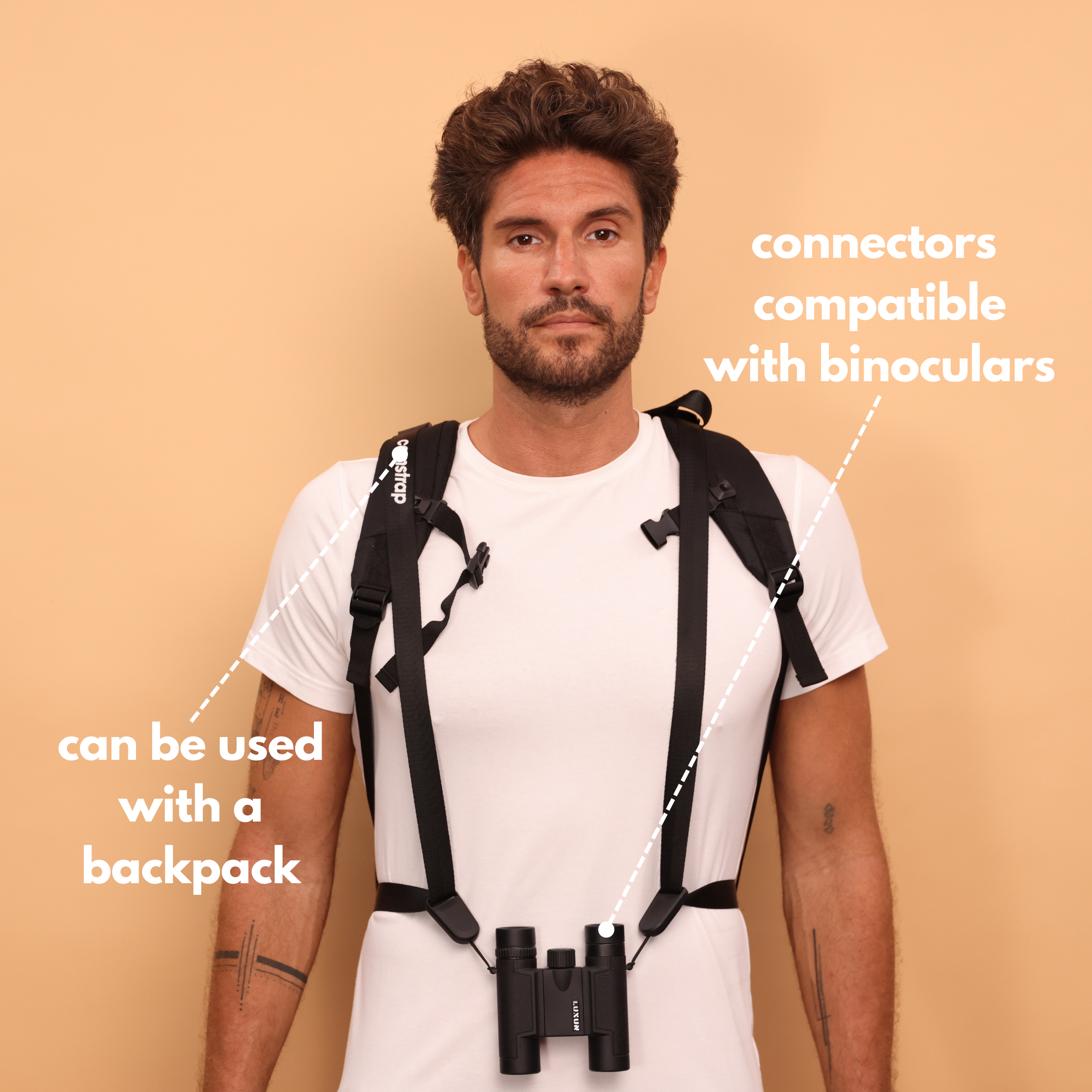
Amateur photographers often carry a lighter, entry-level camera. They want simple, low-cost gear that still feels well made. The Camstrap Nomad fits this need well.
It is easy to adjust, light on the body, and still strong enough for daily use. If you like to stroll around your city at dusk or photograph family events indoors, the Nomad strap keeps your camera ready without feeling bulky. Camstrap’s secure payment options and 30-day return policy unlock confidence for hobbyists building their first kit.
Camstrap Magclip: Fast Access in Low Light
In low light, moments change fast. A singer steps into a spotlight. A child runs through a beam of window light. A bird crosses a glowing sky.
The Camstrap Magclip system uses strong magnets so you can clip and unclip your camera in seconds. This quick-release idea can unlock more spontaneous shots. You keep the camera safely attached while walking. Then you detach it with one hand when you see a scene.
For travel and outdoor shooters, that speed can be the difference between missing and capturing the magic. It keeps you ready without slowing you down.
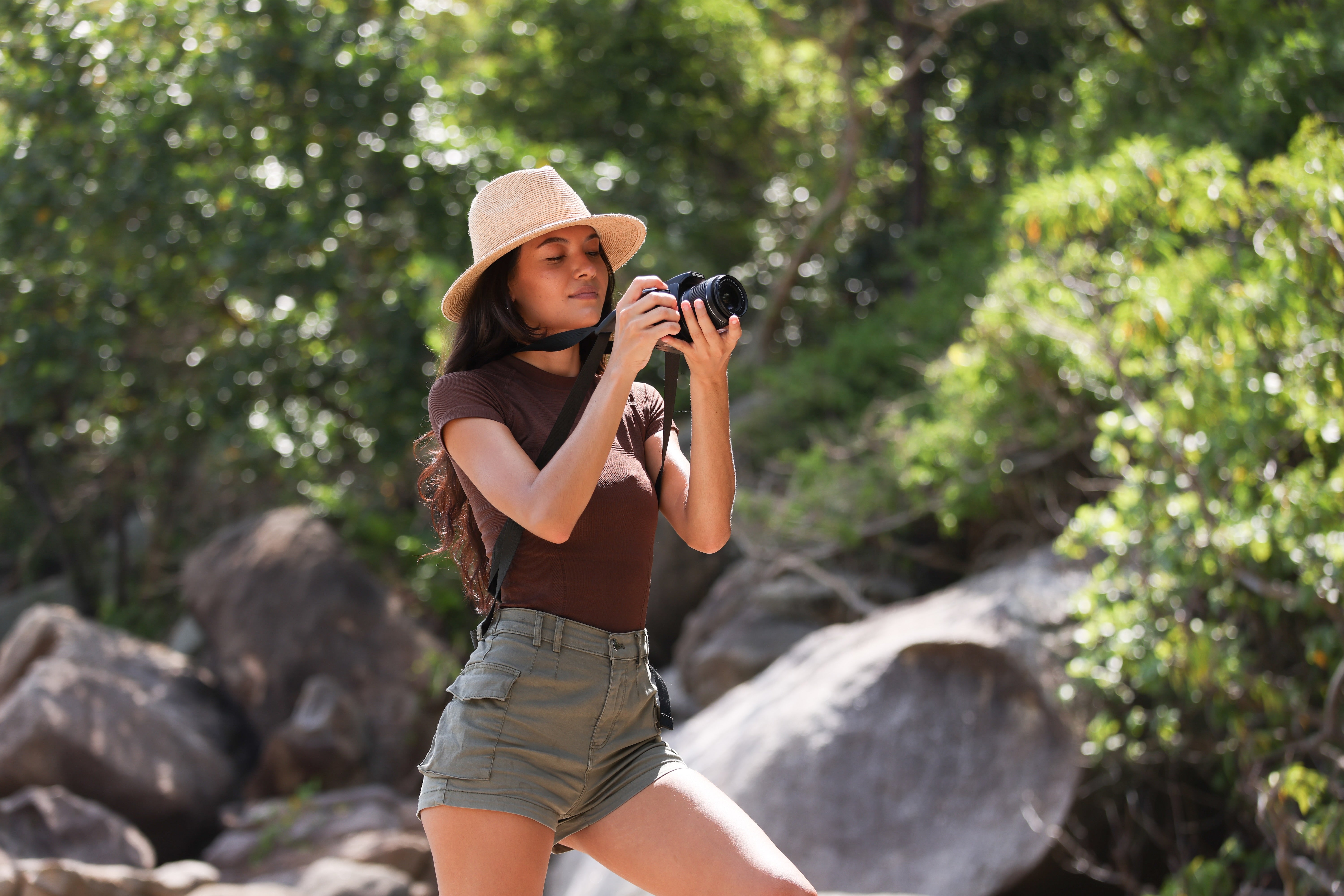
Value Offers for Multi-Camera Setups
Many serious amateurs and pros carry two camera bodies, especially in low light. One might hold a wide lens for city scenes. The other might hold a fast prime for portraits.
Camstrap’s offer to buy one strap and get the second at 20% off helps in this case. With two straps, you can unlock a smoother shooting flow. You keep one camera across each shoulder, ready for different focal lengths.
This reduces lens changes in dark or dusty places and lets you react faster to changing light. It is a simple way to stay flexible and safe.
Unlock Creative Low-Light Photography Ideas
Once you control your settings and stability, you can start to unlock creative low-light projects. These ideas work well for travel lovers, outdoor shooters, and hobbyists. They also help you practice new skills in fun ways.
Light Trails and Night Streets
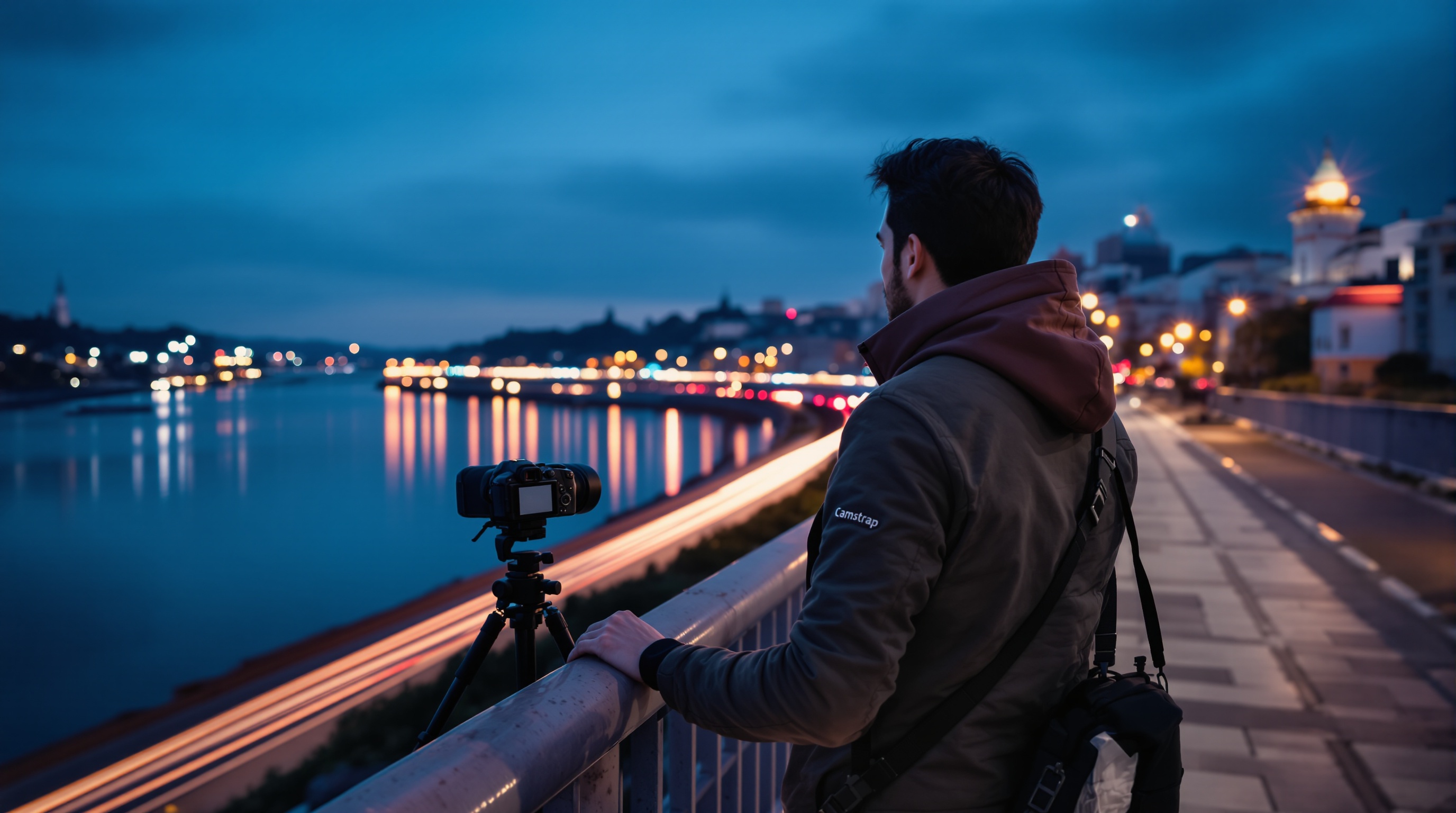
Light trails from cars, bikes, or trams can turn a normal street into a magical scene. To do this, you usually need a tripod or a stable surface. Even a small table or wall can work if you do not have a tripod.
Basic steps for light trails:
- Set ISO low, around 100 to 400, for clean files.
- Use a narrow aperture like f/8 to f/11 for deep focus.
- Set shutter speed between 5 and 30 seconds.
- Use a self-timer or remote to avoid shaking the camera.
Try this from a bridge or balcony in a new city. Your Camstrap Voyager or Explorer can help you carry the camera safely as you move between viewpoints in the dark. This unlocks more chances to find the best angle.
Neon and Urban Night Portraits
Neon signs and shop windows unlock rich colors and soft, moody light. Stand your subject close to a light source, such as a sign or a window. Then use a wide aperture like f/1.8 to keep the face bright and the background soft.
Helpful tips for neon portraits:
- Use eye-detect autofocus if your camera has it.
- Keep shutter around 1/125 second to avoid motion blur in faces.
- Let ISO rise to whatever value is needed for a good exposure.
With a strap like the Camstrap Nomad, you can walk around a night district and stop often for quick portraits. You unlock more chances because your camera always hangs ready at your side.
Astrophotography and Night Landscapes
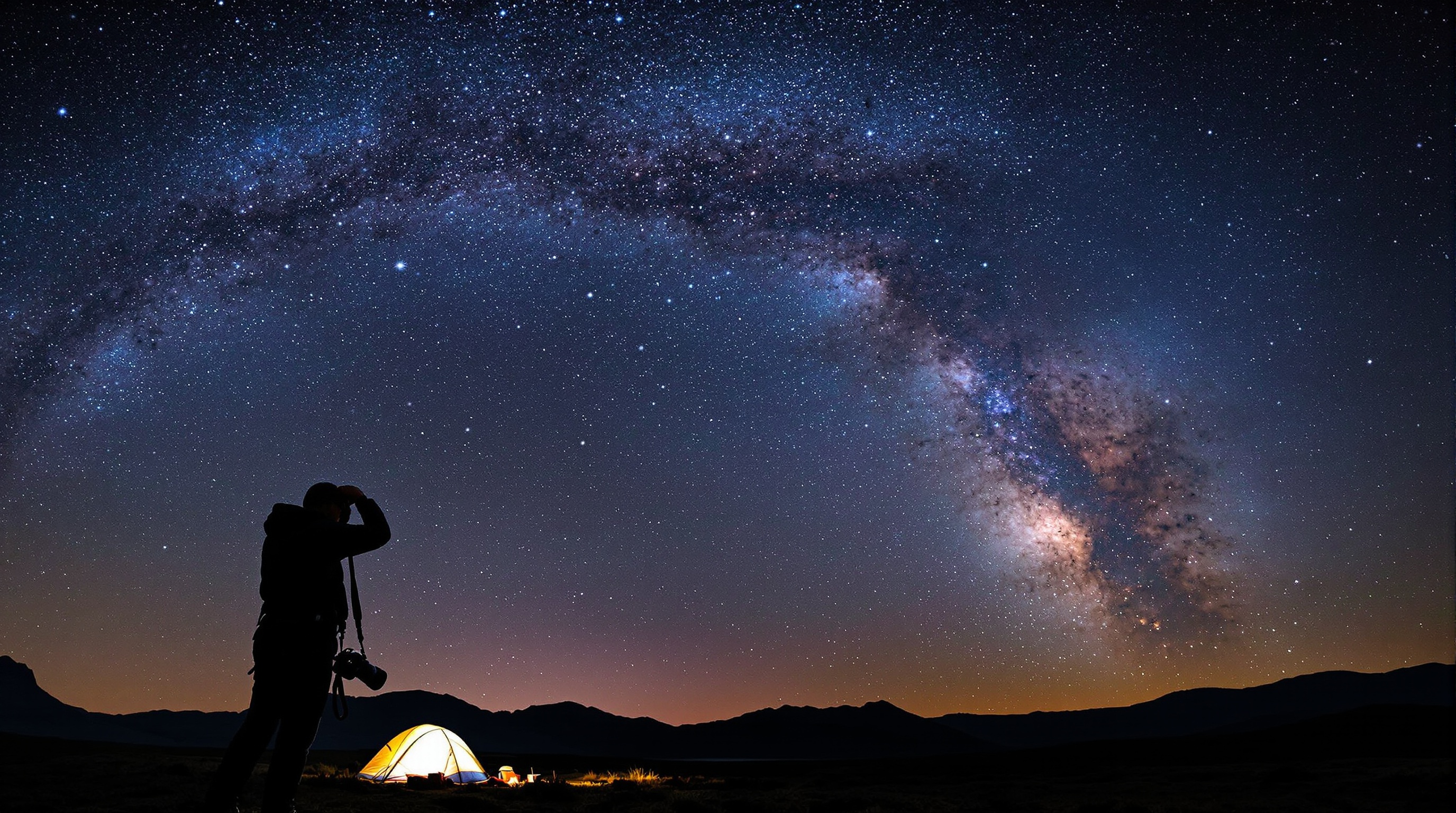
Night sky photos look complex, but the basic rules are simple. You need patience, a tripod, and a dark place away from city lights. Once you learn the basics, you can unlock amazing star shots.
Starting settings for the night sky:
- Lens: wide angle, 14 to 24mm if possible.
- Aperture: f/2.8 or wider to gather more light.
- Shutter: 10 to 25 seconds, or stars will start to trail.
- ISO: 1600 to 6400 depending on your camera.
Outdoor adventure photographers can strap a tripod to their bag and use the Camstrap Explorer to keep their camera safe while hiking in the dark. When they reach the viewpoint, they can unlock the camera quickly and mount it on the tripod without fuss.
Unlock the Final 20%: Post-Processing in Low Light
Even with strong technique, low-light photos often need some editing. Good post-processing can unlock shadow detail, reduce noise, and bring back the colors you saw in person. You do not need advanced skills to make a big difference.
Basic Editing Steps for Low-Light Images
Most editing tools follow a similar path. You can use Lightroom, Capture One, or even simple phone apps. Here is a basic workflow that works in almost any program.
- Adjust exposure and contrast so the image looks bright enough but not washed out.
- Lift shadows slightly to unlock details in dark areas without making the image flat.
- Control highlights so bright lights do not blow out completely.
- Fix white balance so skin tones and street lights look natural or match your mood.
- Apply noise reduction gently, then add a bit of sharpening to bring back detail.
Noise is normal in low-light photography, so do not fear it. A slight grain can even add to the magic and mood of a night scene. The goal is to unlock a clean but still natural look.
Color Grading for Mood and Magic
Those rich, cinematic low-light photos you see online often use color grading. This means pushing certain colors to unlock a stronger mood. You do not need complex tools to start.
Simple ideas to try with color:
- Give night streets a teal and orange look by cooling shadows and warming skin tones.
- Make a quiet forest at dusk feel calm by lowering color strength and adding a small green tint.
- Turn a noisy high-ISO shot into a classic black-and-white image with a bit of grain.
For amateur photographers, this is a fun way to grow. You can start with basic presets, then tweak them until the colors match the feeling you want to unlock in each scene.
Conclusion: Unlock Low-Light Confidence, Not Just Settings
Low-light photography can feel scary at first. Once you unlock the core ideas of wide aperture, smart shutter speeds, and flexible ISO, it becomes one of the most rewarding styles you can shoot.
Travel enthusiasts can unlock glowing cityscapes and cozy café scenes. Outdoor adventure photographers can capture dawn hikes and star-filled skies. Amateur photographers can turn simple family moments into rich, moody images.
The key is to keep experimenting, feather your shutter, and accept some noise in exchange for sharp, meaningful shots. Over time, you will unlock more confidence and a clear sense of what works for you.
Do not forget the practical side of your setup. A well-designed strap from Camstrap, whether the Voyager, Explorer, Nomad, or Magclip, helps you carry your camera safely and comfortably in the dark. With free shipping over €70, secure payments, and a 30-day money-back guarantee, it is easy to test which strap unlocks the best experience for your style.
Now it is your turn. Take your camera out after sunset and unlock a few new techniques from this guide. See what kind of magic you can capture in the low light around you, and enjoy the journey as your skills grow.


