


Mobile-First Street Photography in December 2025: How to Stabilize, Carry, and Shoot Comfortably All Day
Mobile-first street photography is now the normal way many people shoot. In December 2025, phones are powerful, light, and always with you. But walking all day in winter light with cold hands and busy streets is still hard. This guide will show you how to stabilize, carry, and shoot all day in comfort.
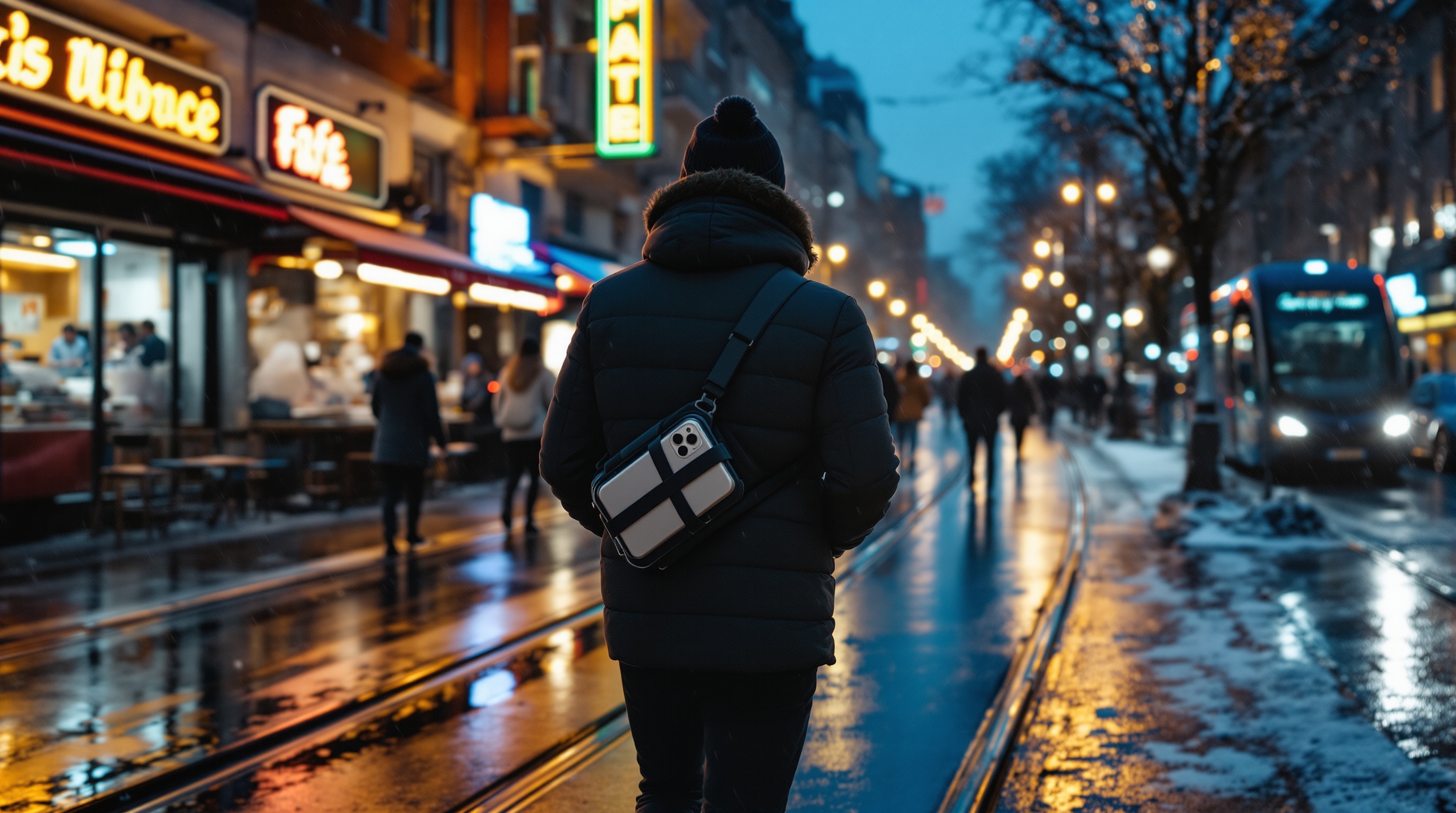
You will learn simple, mobile-first tips that work with any phone or small camera. We will also look at tools like Camstrap straps that keep your gear safe and your body relaxed. Whether you travel, hike, or just love your city, these ideas will help you enjoy street photography more.
Why Mobile-First Street Photography Rules in December 2025
Mobile-first shooting means your phone is your main camera. You might still add a small mirrorless body or compact camera, but the phone leads. This style fits modern street life very well. You move fast, share fast, and carry less weight.
Phones in 2025 have strong image stabilization and smart HDR. They also have great low-light modes. Many can shoot RAW and 4K or even 8K video. You can walk through a street market in December, hand in your pocket, and still grab sharp shots. That is the power of mobile-first street photography today.
Why December Street Days Feel Different
December street photography has its own feel. Days are short, so you work more in low light and blue hour. You deal with cold hands, thick coats, and maybe rain or snow. People move faster and stay closer to warm places like cafés and stations.
This mix is great for photos. You get deep shadows and bright shop windows. You also see steam from food stalls and shiny wet streets. But you must think more about how you carry and stabilize your phone or camera. Comfort becomes as important as megapixels.
Who Mobile-First Street Photography Is For
Mobile-first street photography works well for three main groups. Travel enthusiasts, outdoor adventure photographers, and amateur photographers. Each group needs light gear, safe carry, and simple ways to stay ready all day.
- Travel enthusiasts want secure gear for flights, trains, and crowded cities.
- Outdoor adventure photographers need straps and setups that survive rough trails and bad weather.
- Amateur photographers want simple tools that help them learn and enjoy shooting.
In every case, a mobile-first kit plus a smart carry system is a strong match. Camstrap straps help each group keep gear close and safe without extra bulk.
Build a Mobile-First Street Kit You Can Carry All Day
Before you think about straps and comfort, you need a clear mobile-first kit. The goal is not to own everything. The goal is to carry what you can use for six to ten hours without pain. A small, focused kit also keeps your mind calm.
Core Gear for a Mobile-First Street Setup
Start with the basics. You can always add more later, but keep your day kit lean. This helps your back, your feet, and your focus.
- Phone with a good camera such as a recent iPhone, Pixel, or Samsung.
- One small camera (optional): compact, APS-C, or micro four-thirds body with a small lens.
- Power bank and short cable to fight winter battery drain.
- Thin gloves with touch tips so you can still use the screen.
- Small cloth to wipe rain, snow, or breath fog from lenses.
Many mobile-first street photographers in 2025 also carry a tiny grip or handle for their phone. This gives better hold and reduces hand strain. Even with a grip, keep the total weight low enough that you forget it after a few blocks.
Why a Good Strap Matters, Even for Mobile-First
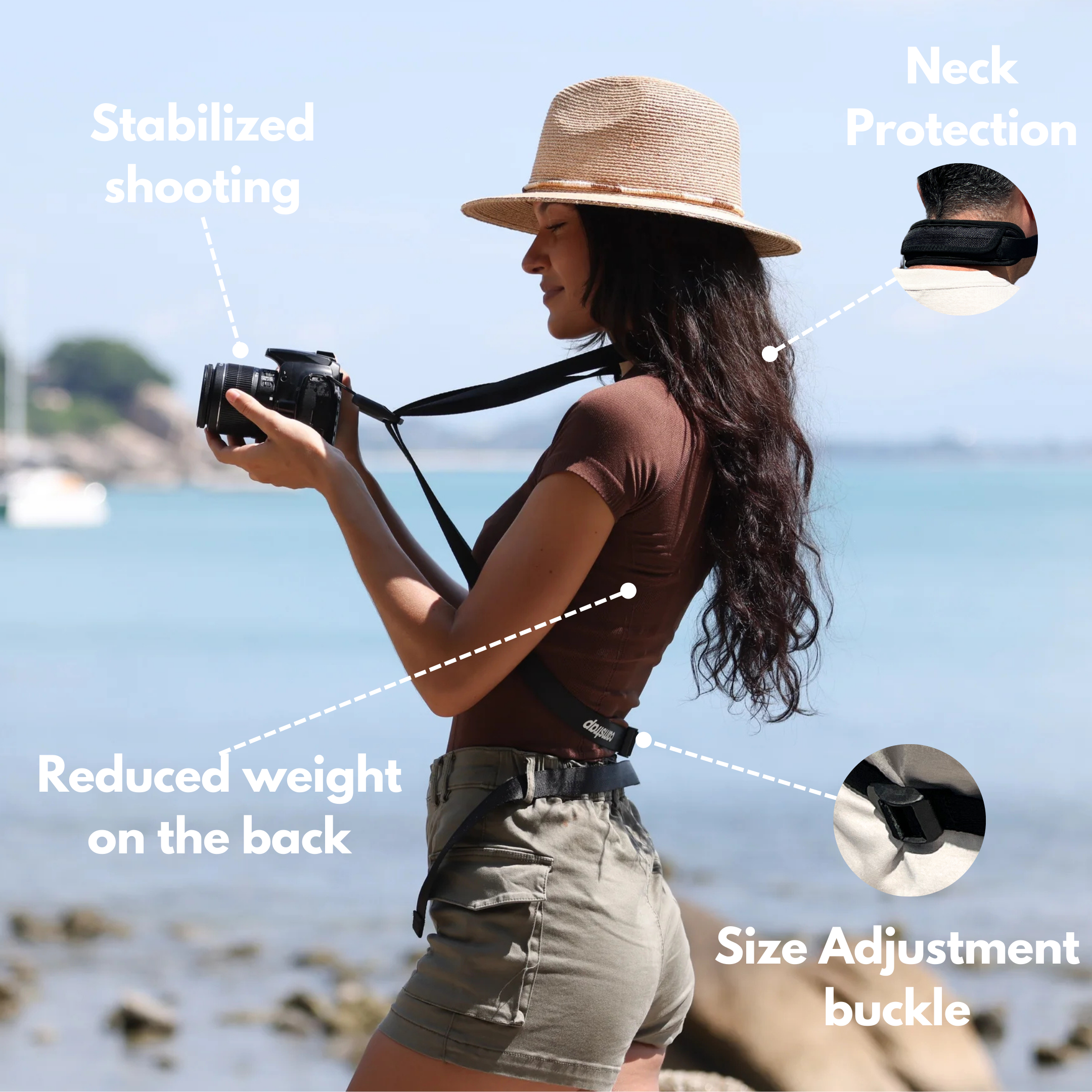
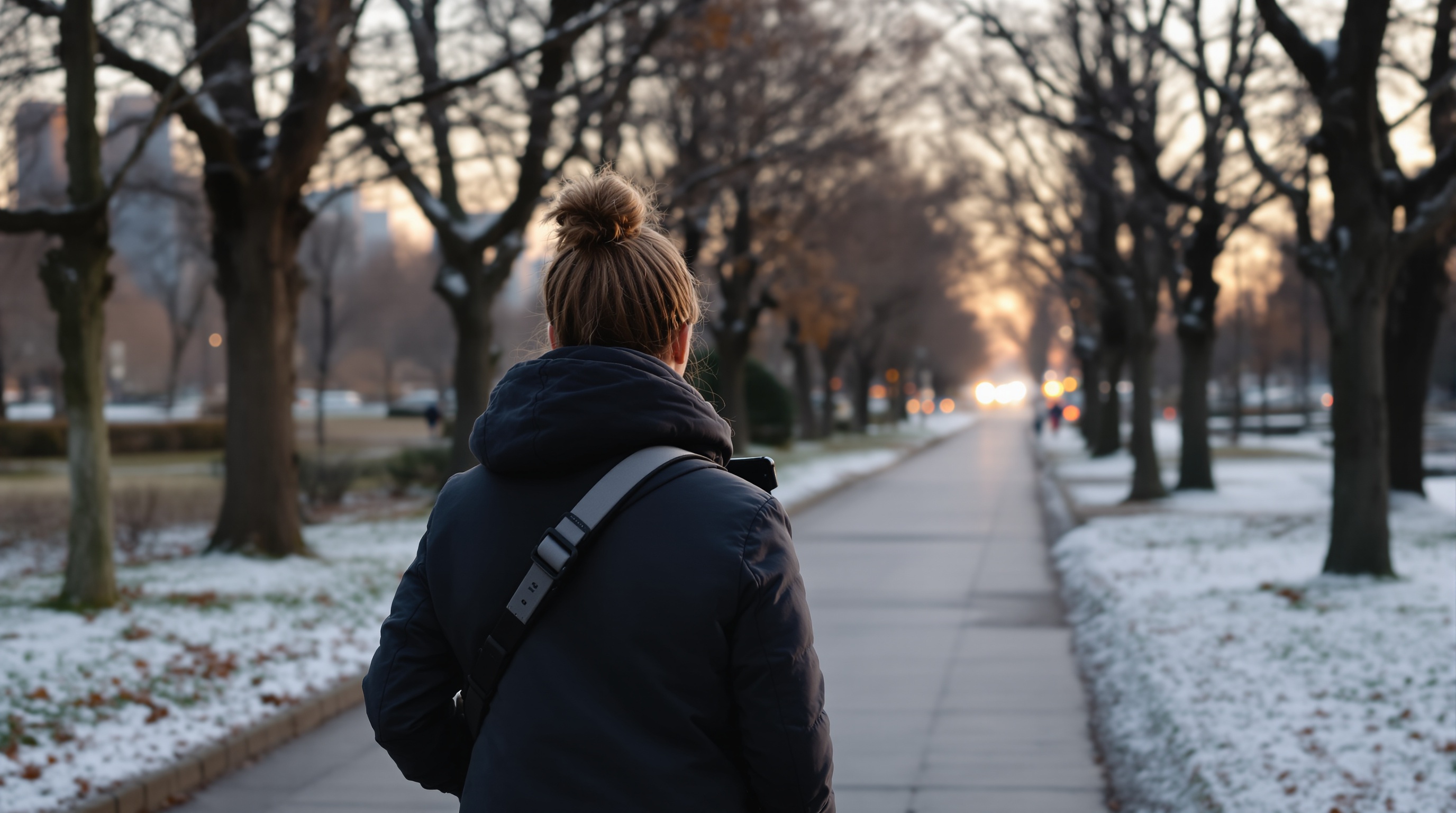
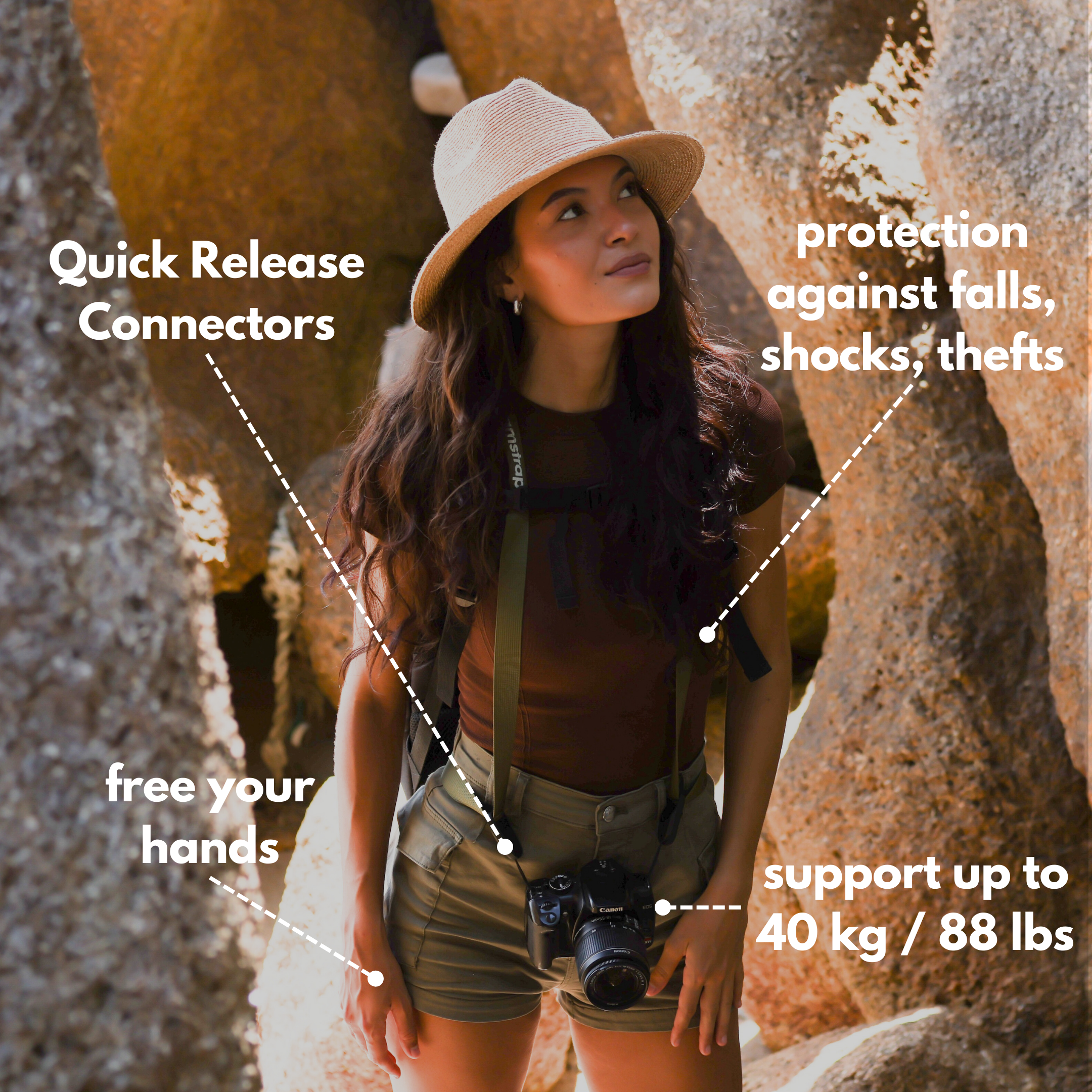
You might think straps are only for big cameras. But even in a mobile-first setup, a light strap can change your day. It takes weight off your fingers and wrists. It lets you relax your hands between shots. It also keeps your phone or camera safe from drops and theft.
Camstrap designs its straps for people who move a lot with a camera. The Camstrap Voyager and Camstrap Explorer are light, strong, and comfortable. That mix is perfect for long street days in December. Coats, scarves, and bags already feel heavy, so a good strap matters even more.
How to Carry Your Phone and Camera Comfortably All Day
Good carrying is the heart of mobile-first street photography. If your neck hurts or your shoulder burns, you will stop shooting. A few simple changes can keep you fresh from morning to night. Camstrap straps help make these changes easy.
Use Cross-Body Carry for Balance and Security
Cross-body carry spreads weight across your torso instead of hanging it from your neck. It also keeps your phone or camera close to your body, which feels safer in busy crowds. This style works well over winter coats and layers.
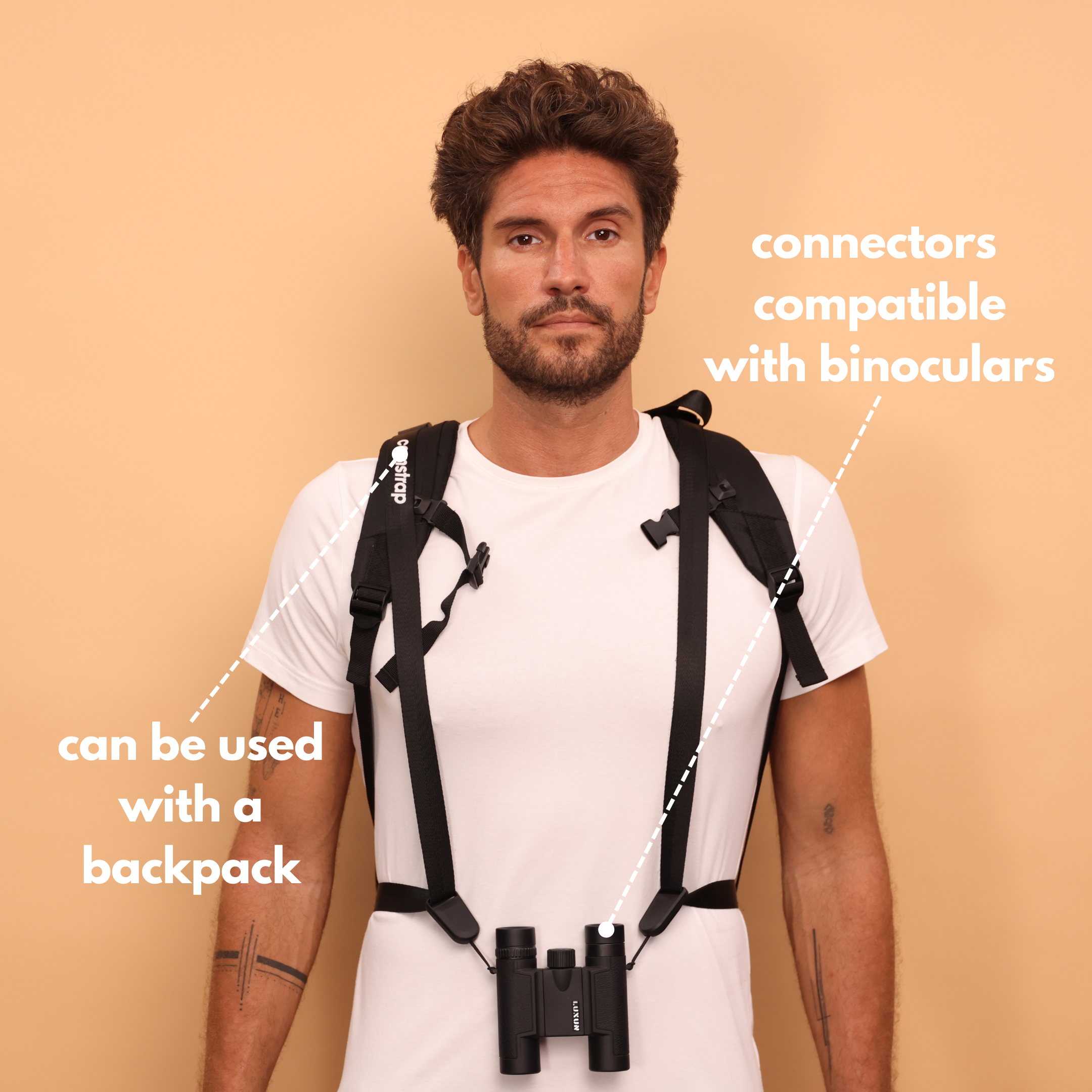
The Camstrap Voyager is built for this kind of carry. It sits flat and does not twist easily. You can adjust it fast over jackets and scarves. For travel enthusiasts who walk all day in new cities, this style helps avoid neck pain. It keeps gear ready at your hip or chest.
- Wear the strap across your chest with the camera resting near your ribs.
- Keep the strap short enough so the camera does not swing low.
- Slide the camera behind you when you need both hands free.
Neck vs Shoulder vs Sling: What Works Best
Neck straps are common, but they can dig in by the end of the day. Shoulder carry is better, but the camera can slip or swing. A sling-style strap often gives the best mix of comfort and fast access.
The Camstrap Explorer works very well as a sling. Outdoor adventure photographers like this style because it stays stable when they climb, crouch, or run. You pull the camera up to your eye in one smooth move. Then you let it drop back to your hip when you are done. You do not need to wrap it around your wrist.
Hands-Free Mobile-First Carry with the Camstrap Nomad
When you shoot mobile-first, you may want both your phone and a small camera ready. The Camstrap Nomad is made for people who move between devices while they walk. It supports light setups and keeps your main tool always at hand.
You can keep your small camera on the Nomad strap and your phone in a front pocket. Use the phone for quick vertical shots and social posts. Grab the camera when you want a more careful frame or better low-light control. The strap keeps the switch smooth and safe.
- Balance your kit with one main device on the strap and one in a pocket.
- Avoid hanging two heavy bodies from one side, because this twists your spine.
- Use the strap to park your camera while you edit or share on your phone.
Quick-Release Comfort with the Camstrap Magclip
Sometimes you want the camera on a strap. Sometimes you want it free in your hands. A mobile-first street day often moves between both modes. A fast connector, like the Camstrap Magclip, makes this easy.
The Magclip lets you snap your camera on and off your strap in a second. You can carry the camera on your chest while you walk. When you reach a spot where you want to work from the hip or shoot low angles, you unclip and work freely. When you are done, you clip it back without looking.
This style suits amateur photographers who want to try new angles without fighting their gear. It also helps outdoor shooters who need to stash their camera quickly before climbing or cycling again. The Magclip keeps mobile-first setups light and fast.
Stabilization Tips for Sharp Mobile-First Street Photos
Modern phones and small cameras have strong image stabilization. But your technique still matters, especially in December light. Cold hands and low sun can make blur more likely. A few simple habits will keep your mobile-first shots sharp.
Use Your Body as a Tripod
You do not need to carry a tripod for street photography. Your body can act like one. The key is to lower movement in your arms and hands. Let your core carry the weight instead.
- Stand with feet shoulder-width apart and one foot slightly ahead.
- Keep your elbows in close to your ribs, not floating out.
- Press the phone or camera gently against your face or chest.
- Exhale slowly and tap the shutter at the end of the breath.
Street photographers often say, “keep your elbows in.” This simple idea reduces shake a lot. It also makes you less visible in crowds, which helps for candid mobile-first shots.
Lean, Sit, or Brace Whenever You Can
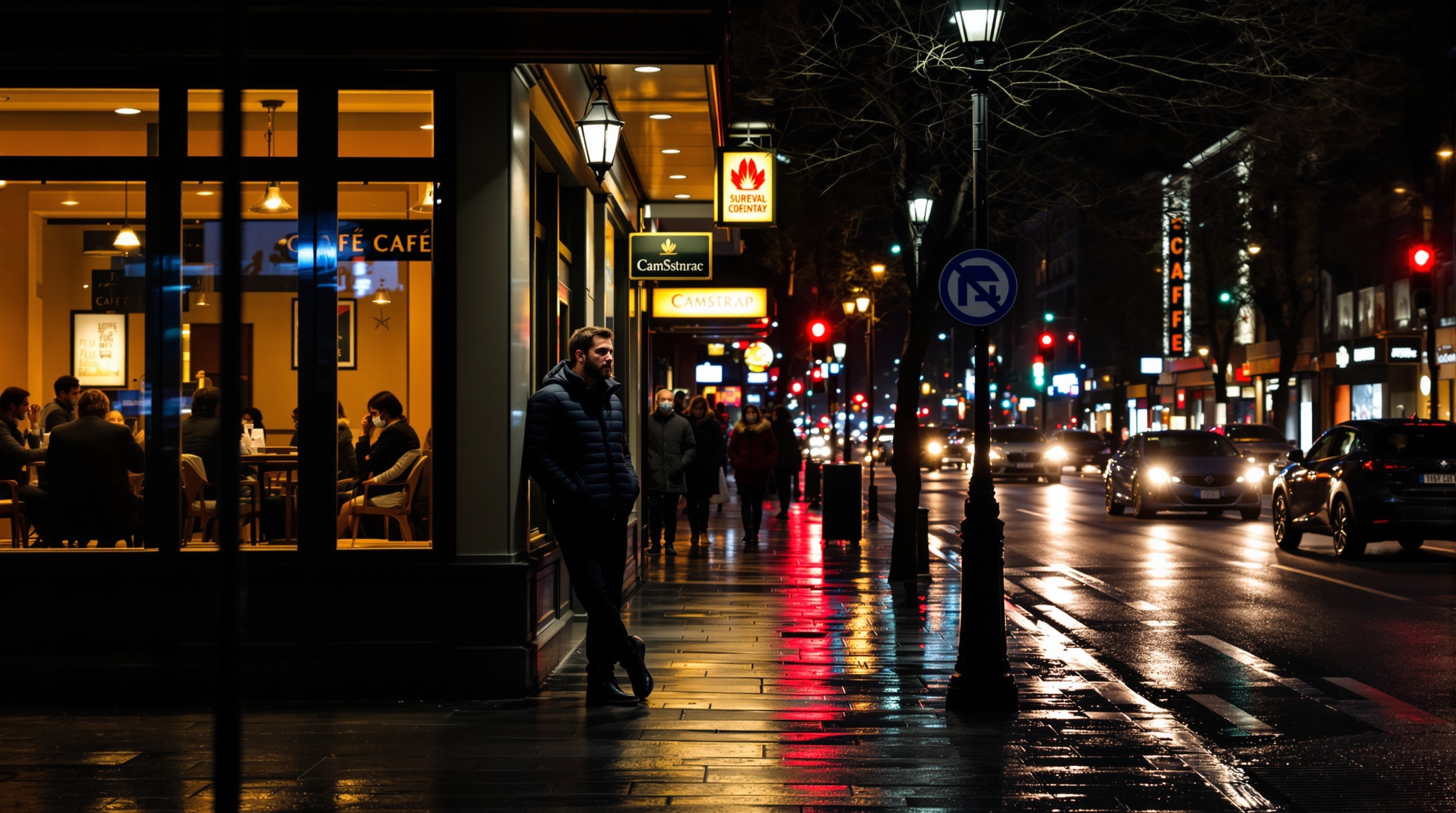
Any time you can touch a solid object, you gain stability. In street work, that might be a wall, a lamp post, a bench, or a café table. This is very useful in December, when shutter speeds drop with the light.
- Lean your shoulder against a wall and tuck your elbows in.
- Rest your forearms on a railing or table when you shoot.
- Sit on a step and rest your elbows on your knees for low angles.
These tricks work great with mobile-first gear because phones and small cameras are easy to place in tight spots. You can slide a phone halfway onto a ledge or between railings for unique views. A secure Camstrap keeps it safe while you experiment.
Let Your Strap Help Stabilize the Shot
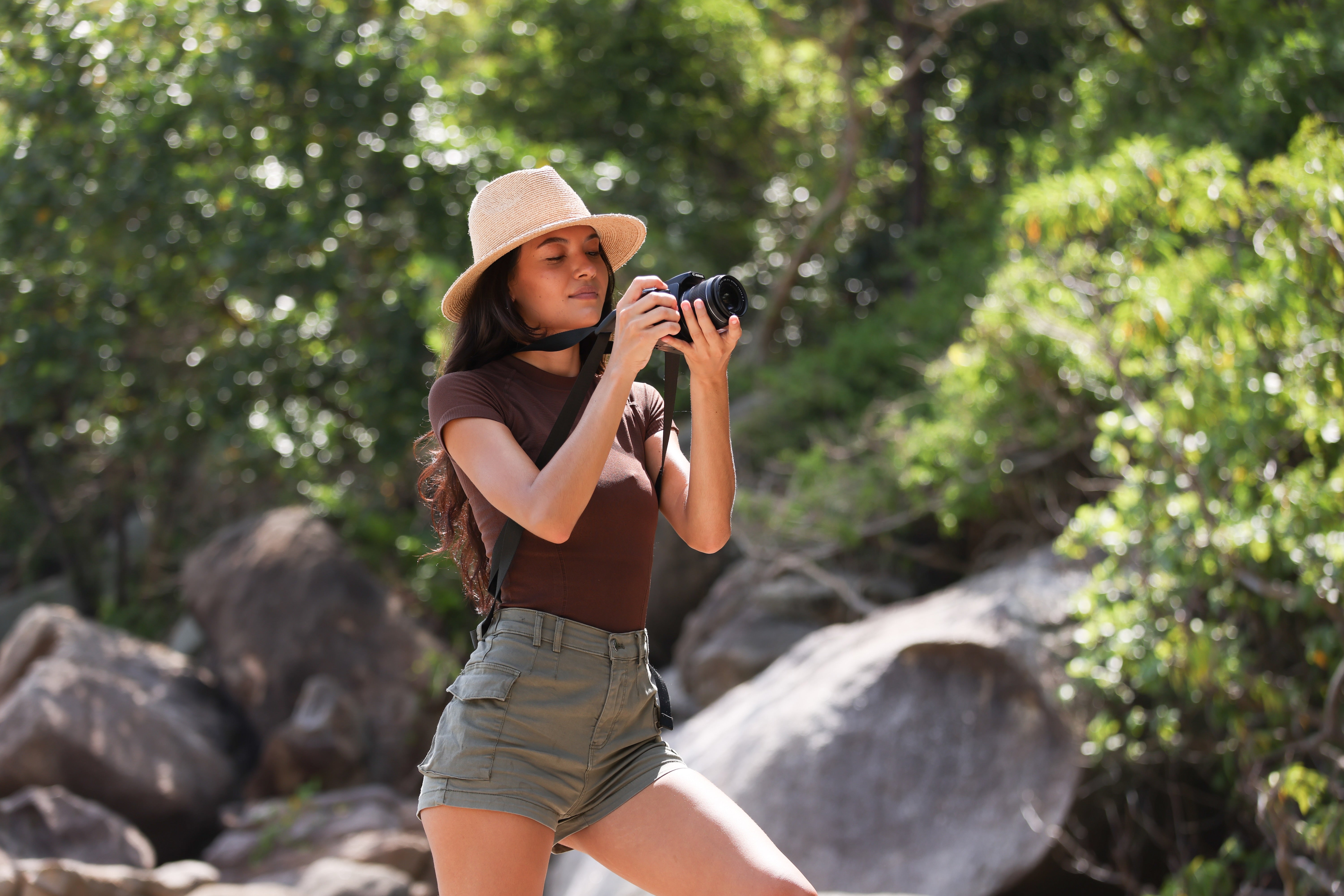
A good strap is not only for carry. You can also use it as a tension tool to steady your hands. This is a classic trick for travel and street photographers who want sharp images without a tripod.
- Shorten the strap so it is just a bit tight when you push the camera out.
- Hold the camera in front of you and pull gently until the strap goes tight.
- Keep your elbows down and your stance firm, then shoot.
Straps like the Camstrap Explorer and Camstrap Voyager are strong and low-stretch. This makes the tension trick work very well. For outdoor adventure photographers, it is a useful way to steady shots on trails or rocks without extra gear.
Use Mobile-First Camera Settings That Fight Blur
Settings matter, even on phones. Many mobile camera apps in 2025 let you control shutter speed, ISO, and focus. When you shoot in the street, a few simple rules can keep things sharp and clean.
- Use a fast shutter and aim for 1/250s or faster for moving people.
- Let ISO rise, because noise is better than blur on most shots.
- Use burst mode for action and pick the best frame later.
- Turn on stabilization and HDR for strong December contrast.
Think of settings like this. First, freeze motion. Then worry about grain. In low December light, that might mean ISO 1600 or 3200 on a phone. That is okay. Most viewers accept a bit of grain more than a soft, blurry subject.
Stay Comfortable: Shoes, Posture, and Energy for Long Street Days
Street photos get better when you last longer on your feet. Comfort is not a luxury. It is a core part of mobile-first street photography. Good shoes, smart posture, and a solid strap like a Camstrap keep you going.
Protect Your Feet and Back
Your feet carry you to every shot. If they hurt, your eye gets lazy and your mood drops. In December 2025, you must think about warmth, grip, and support.
- Wear soft, supportive shoes with good tread for wet streets.
- Use warm, thin socks that do not bunch at the heel.
- Choose a strap that spreads weight, like the Camstrap Nomad, not a thin cord.
Good posture also matters a lot. Keep your shoulders relaxed and your spine tall. Avoid leaning to one side because your camera hangs there. Cross-body straps like the Camstrap Voyager help keep your load centered and balanced.
Dress Smart for Mobile-First December Shooting
December street days can swing from cold mornings to warmer cafés and then back to freezing nights. Layers help you adapt without going home to change. They also give you more pockets for mobile-first gear.
- Base layer that stays dry and warm.
- Mid layer such as a sweater or light fleece.
- Outer shell that blocks wind and light rain.
- Gloves thin enough to use your phone screen and buttons.
Keep key items in easy pockets. Store your phone, cloth, spare battery, and a small snack close by. Let your Camstrap handle the camera, so your pockets stay light and you move freely.
Plan Breaks and Simple Routines
Even with mobile-first gear and a good strap, your body needs small breaks. A simple routine can reset your energy without killing your flow. Short pauses also help you review your best shots.
- Every 60 to 90 minutes, sit for five minutes and stretch your neck and shoulders.
- Drink water or warm tea, because winter air still dries you out.
- Use the pause to back up your best mobile shots to the cloud.
Travel enthusiasts often mix their breaks with café stops. Outdoor photographers might rest on a bench or low wall. In both cases, a strap like the Camstrap Explorer lets you relax without taking your camera off. It just rests safely on your lap or chest.
Practical Mobile-First Shooting Techniques for Street Photography
With your gear stable and your body comfortable, you can focus on the fun part. Now you can see and shoot with a clear mind. These simple mobile-first techniques work in any city or town in December 2025.
Pre-Frame Before You Raise the Camera
Many street teachers now talk about mental framing. You look at the scene first with your eyes, not your screen. You decide where your frame should start and stop. Then you bring up the phone or camera to match that idea.
This habit saves time and battery. It also keeps you more aware of the street around you. It works very well with mobile-first shooting, because phones can tempt you to stare at the screen instead of the scene.
Use Corners and Crosswalks as Simple Stage Sets
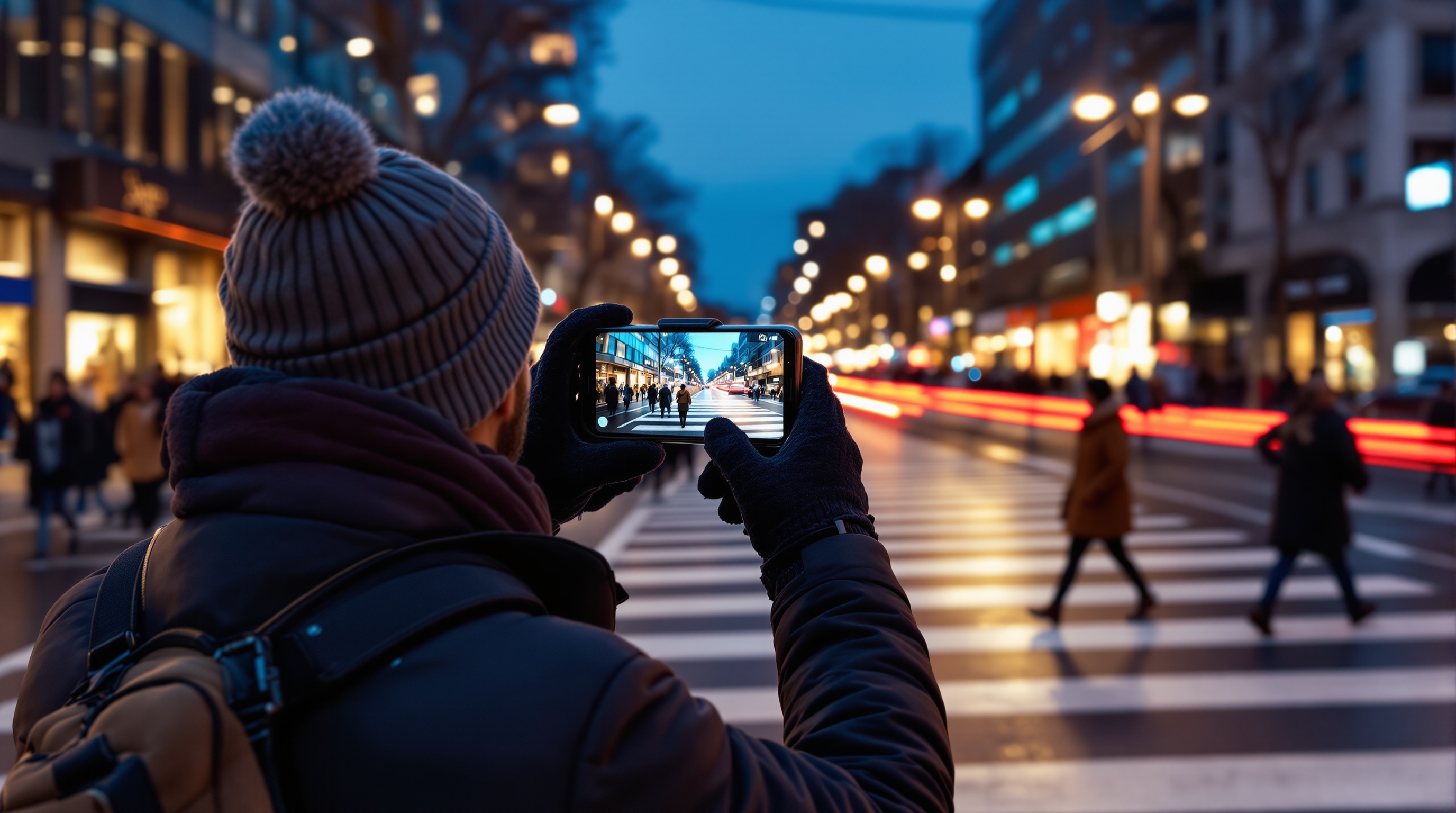
Street photography in 2025 is still about patience. Find a good background with nice light, then wait for the right person or moment. Corners, crosswalks, and café fronts are great places for this type of shot.
- Spot a wall with good color or texture.
- Choose a spot where people pass through the light.
- Lock in your mobile-first settings and hold your frame.
- Wait for someone with an interesting look, walk, or object.
Your strap helps here too. With a Camstrap Voyager or Explorer, you can keep your camera at your chest, ready but relaxed. You watch the scene build and lift the camera only when the moment appears.
Get Close, But Stay Respectful
Mobile-first cameras are small and quiet, which is perfect for street portraits. You can step closer without feeling as bold as with a big DSLR. But respect is still key, especially when you shoot faces.
- Smile and show open body language when someone notices you.
- For a clear portrait, use a small nod or hand sign to ask for a yes.
- If someone seems unhappy, lower your camera and walk on.
Many travel and outdoor photographers say a simple smile works in almost any country. A strap like the Camstrap Nomad keeps your camera visible but not aggressive. It shows that you are a serious but friendly photographer, not a spy.
Keep Shooting After Dark
December streets often look best after sunset. Neon signs, car lights, and shop windows create rich color and contrast. Mobile-first devices now handle low light well, but you still need to adjust how you shoot.
- Use night mode or a manual shutter around 1/60s with higher ISO.
- Brace yourself against walls or poles more often.
- Look for pools of light where people walk through brightness.
- Try black and white for strong scenes with deep shadows.
In these conditions, your strap becomes even more important. You do not want to fumble and drop gear in the dark. A secure sling like the Camstrap Explorer gives you confidence to keep your phone or camera out longer, even when your fingers are cold.
Why Camstrap Fits the Mobile-First Street Photographer in 2025
Camstrap builds its straps in France with care and pride. The brand blends strength with simple style. For mobile-first street photographers, this mix fits very well. You might use your phone as the main camera, but you still need a safe way to carry a small body or phone rig.
Camstrap also makes buying and travel easy. The brand offers free shipping on orders over €70 and a 30-day money-back promise. Payments are 100% secure. For travel enthusiasts and amateur photographers, this lowers risk and stress when upgrading their carry system.
Choosing the Right Camstrap for Your Style
- Travel enthusiasts: The Camstrap Voyager is a strong choice. It is light, stylish, and easy to wear across your body on long days in new cities.
- Outdoor adventure photographers: The Camstrap Explorer offers extra stability and quick adjustment. It helps on trails, cliffs, or busy markets.
- Amateur photographers: The Camstrap Nomad gives a simple, flexible way to carry a small camera or phone rig while you learn and explore.
The Camstrap Magclip adds value to any of these straps. It gives you fast, secure switching between strap carry and hand carry. This matches the mobile-first idea of staying light, fast, and flexible at all times.
Value and Craft for Long-Term Use
Camstrap often runs offers, like “buy one strap and get the second at 20% off.” This is handy if you want one strap for your main camera and another for a backup body. You can also share a second strap with a partner or friend. For people who travel or shoot outside a lot, having two ready straps can save time and stress.
Each strap is invented and assembled in France with careful work. That matters in street photography, where your strap is the last line between your camera and the pavement. For mobile-first shooters who are adding a “real” camera to their kit, a solid Camstrap is a smart first upgrade.
Conclusion: Make Mobile-First Street Photography Work for You This December
Mobile-first street photography in December 2025 is about more than a good phone. It is about how you carry, stabilize, and protect your body so you can keep shooting. A light kit, a smart strap, and a few simple habits will let you enjoy the streets from first light to late night.
Remember these core ideas. Build a small, focused mobile-first kit that you can carry all day. Use cross-body or sling carry with a strap like the Camstrap Voyager, Explorer, or Nomad. Let tools like the Camstrap Magclip keep you fast and flexible. Use your body and your strap to stabilize shots, especially in low December light.
Most of all, stay curious and patient. Walk slowly, watch the light, and be ready when a story appears in front of you. With a comfortable Camstrap carry system and mobile-first gear, you can focus on what really matters. You can enjoy the joy of catching real life on the street, one frame at a time.


