


To photograph extreme weather well, you need a plan and the right kit. This guide shows what to bring and how to shoot storms, floods, heat events, and cold fronts. It will help you tell clear climate stories with strong images. Read on to build a safe, smart field kit for 2026 shoots.
Plan to Photograph Extreme Weather: Safety First
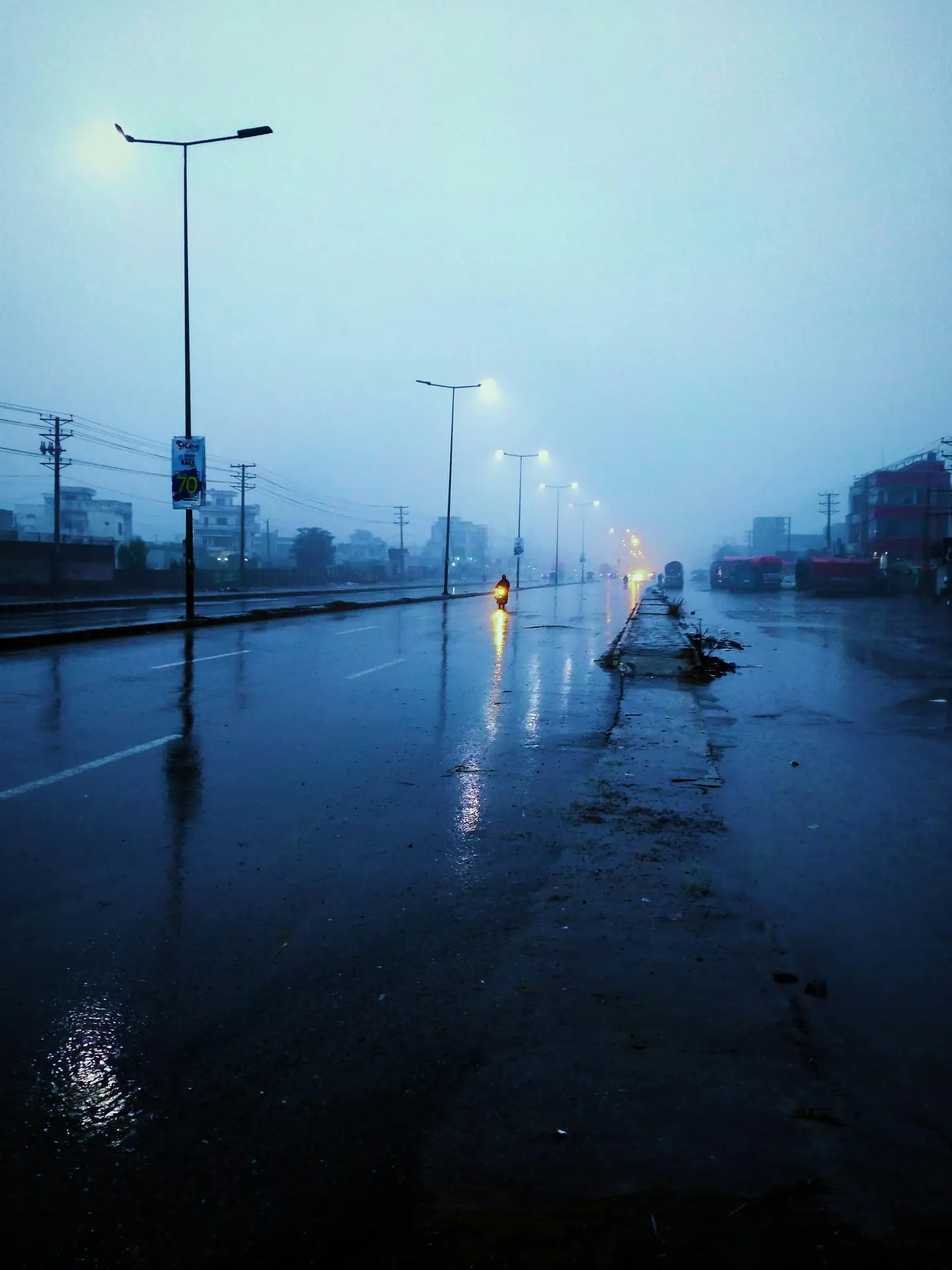
Before you photograph, check safety and local alerts. Know the forecast for your location and have an escape plan. Record emergency numbers and tell someone your route and return time.
Componi il tuo set

- Prezzo regolare
-
€42 - Prezzo regolare
-
€44 - Il prezzo di liquidazione
-
€42
Scegliendo Camstrap, stai scegliendo un prodotto di qualità, progettato per soddisfare le esigenze dei fotografi più esigenti.
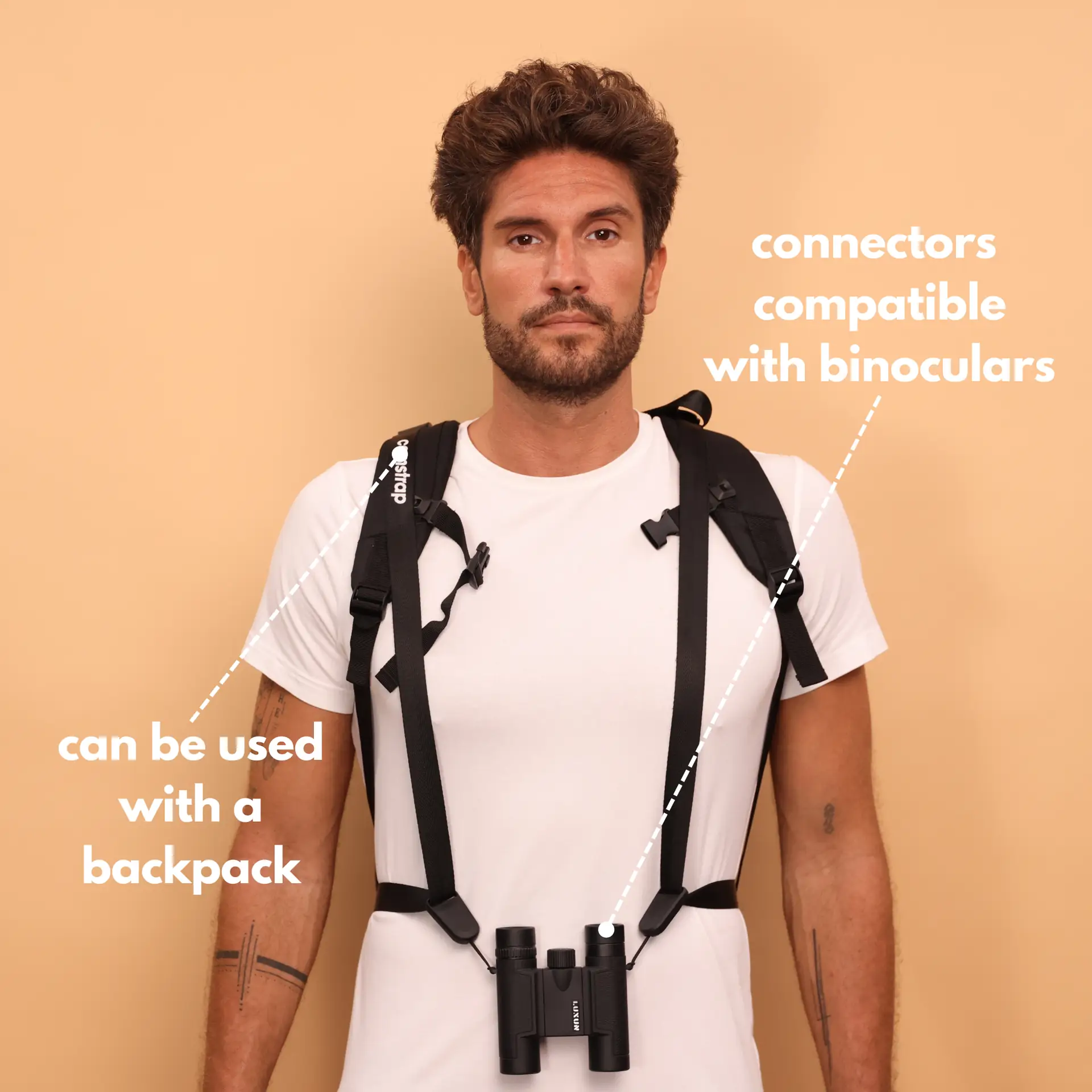
- Sviluppato da un fisioterapista per alleviare il dolore al collo e alla schiena.
- Può essere utilizzato come tracolla o imbracatura a mani libere
- Spedizione internazionale tracciabile 🚚

- Prezzo regolare
-
€36 - Prezzo regolare
-
€42 - Il prezzo di liquidazione
-
€36
Spedizione gratuita inclusa
Use simple tools to track the storm. A weather app and NOAA alerts can help. Also bring a paper map and compass in case your phone dies.
Risk assessment and permits
Assess hazards like flash floods, lightning, and wind. Ask for permits if you plan to photograph protected areas. Stay back from unsafe edges and rising water.
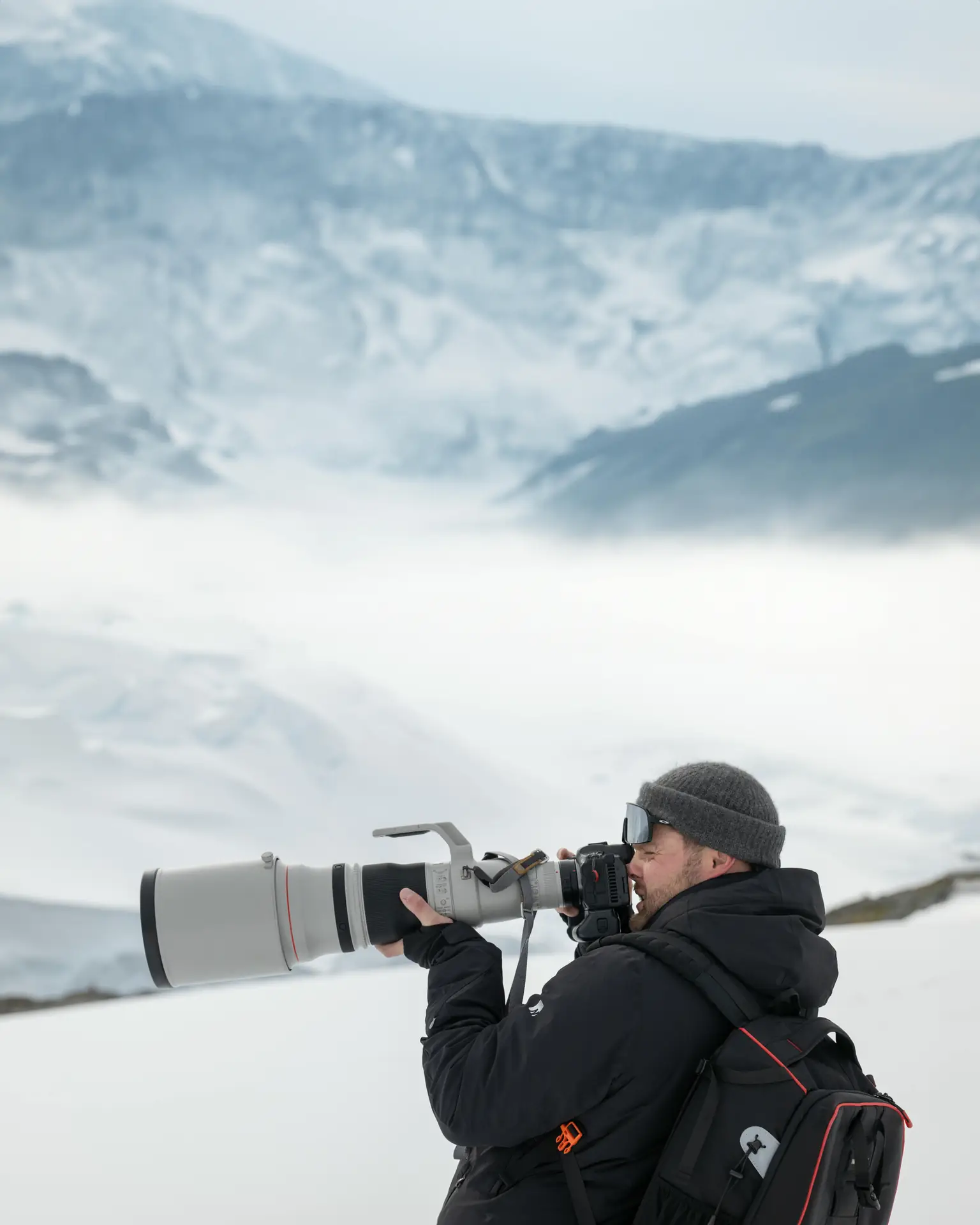
Clothing and personal safety
- Wear layers for hot or cold days.
- Bring waterproof outerwear for storms.
- Use gloves that let you operate a camera.
- Carry a small first-aid kit and headlamp.
Field Kit Checklist to Photograph Extreme Weather
Pack gear that protects your camera and helps you shoot fast. This checklist focuses on durable gear for harsh conditions. It also keeps you ready for climate stories that change quickly.
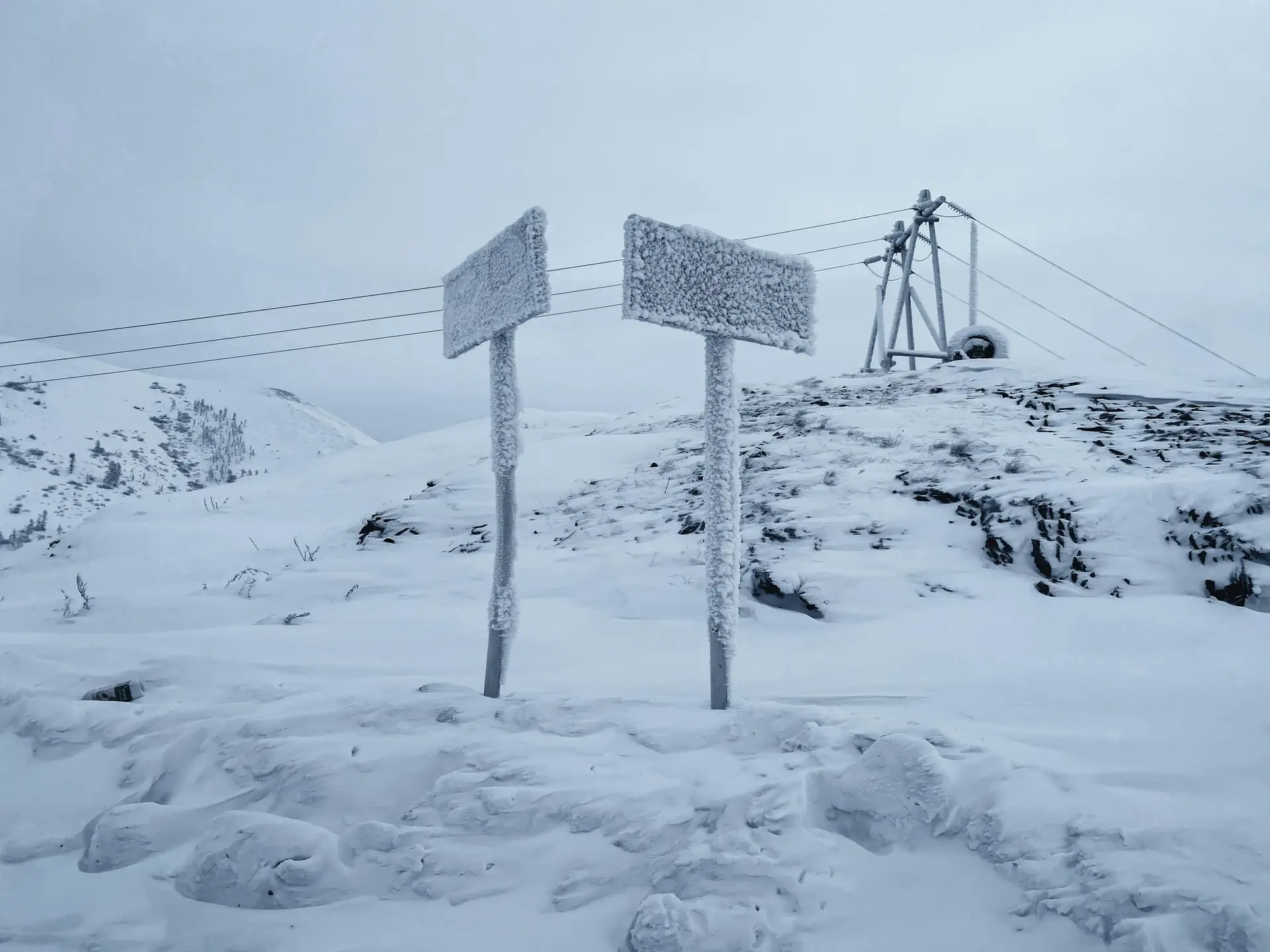
- Camera body (weather-sealed preferred) — have a backup body.
- Lenses: wide, mid, and telephoto with weather seals.
- Tripod: sturdy, low center-of-gravity design.
- Filters: CPL and neutral density for storm skies and long exposure.
- Extra memory cards and multiple batteries.
- Waterproof covers and rain sleeves for camera and lens.
- Microfiber cloths and silica gel packs to reduce moisture.
- Portable power bank and solar charger for long field days.
- Compact drone with ND filters for overhead shots if allowed.
- Notebook and pen for notes tied to each photograph.
Also pack small items that save shoots. Bring hand warmers in cold weather and sun shades in heat. Use a dry bag for phones and notes.
Brand picks and carry systems
Choose straps and clips that keep gear safe. A comfortable strap lets you move fast. Camstrap offers several good options for field work.
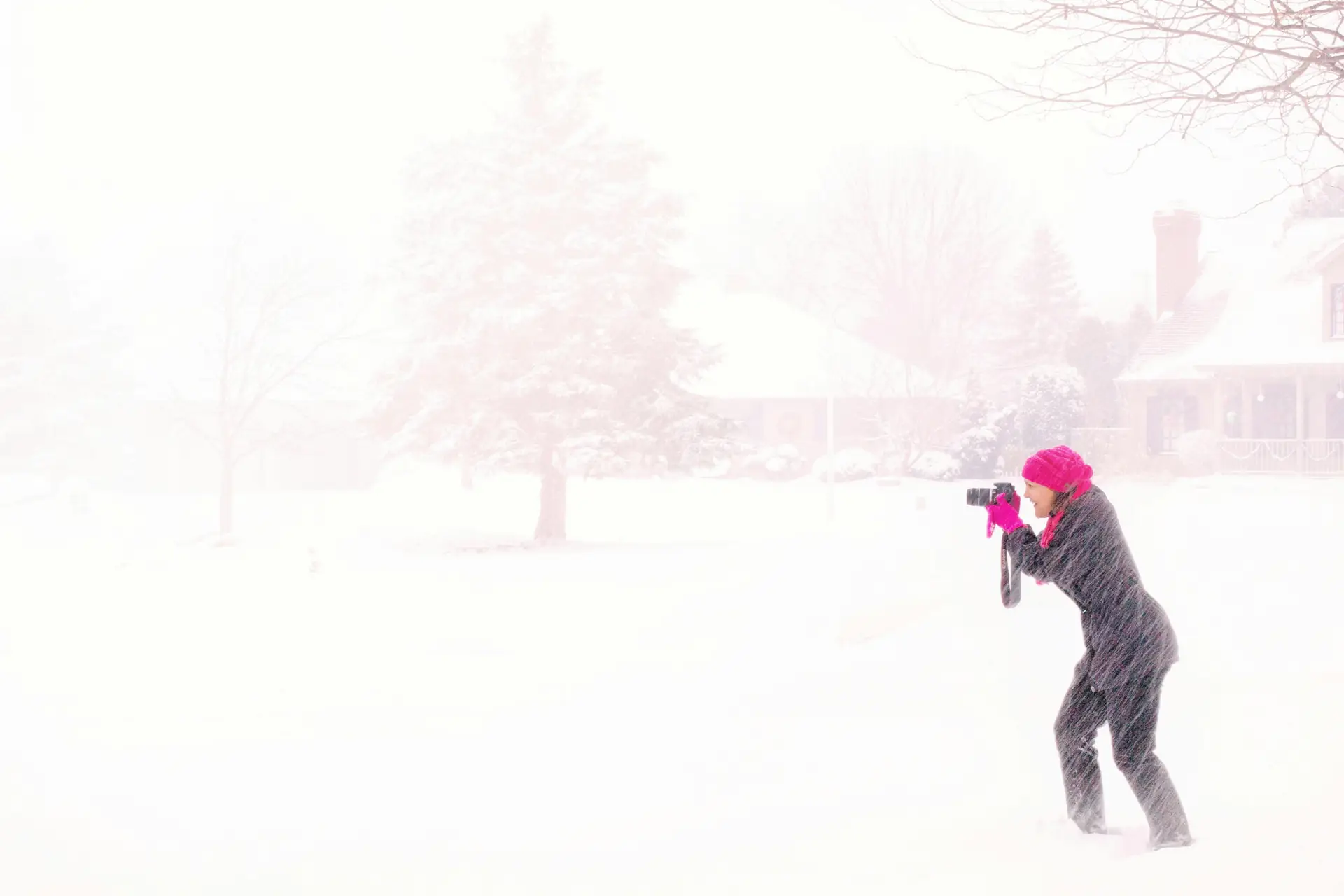
- Camstrap voyager for long shoulder carry on long hikes.
- Camstrap explorer for quick access and hands-free moves.
- Camstrap nomad for active shoots when you need freedom to climb.
- Camstrap magclip for fast on-off and secure attachment to harnesses.
Camstrap products blend function and style. They suit travel fans, outdoor photographers, and hobbyists who need reliable carry gear.
Camera Settings to Photograph Storms and Extreme Weather
Fast-moving weather needs quick choices on settings. Use these tips to keep shots sharp and expressive. They help you get usable images in shifting light and wind.
Shutter speed, aperture, and ISO
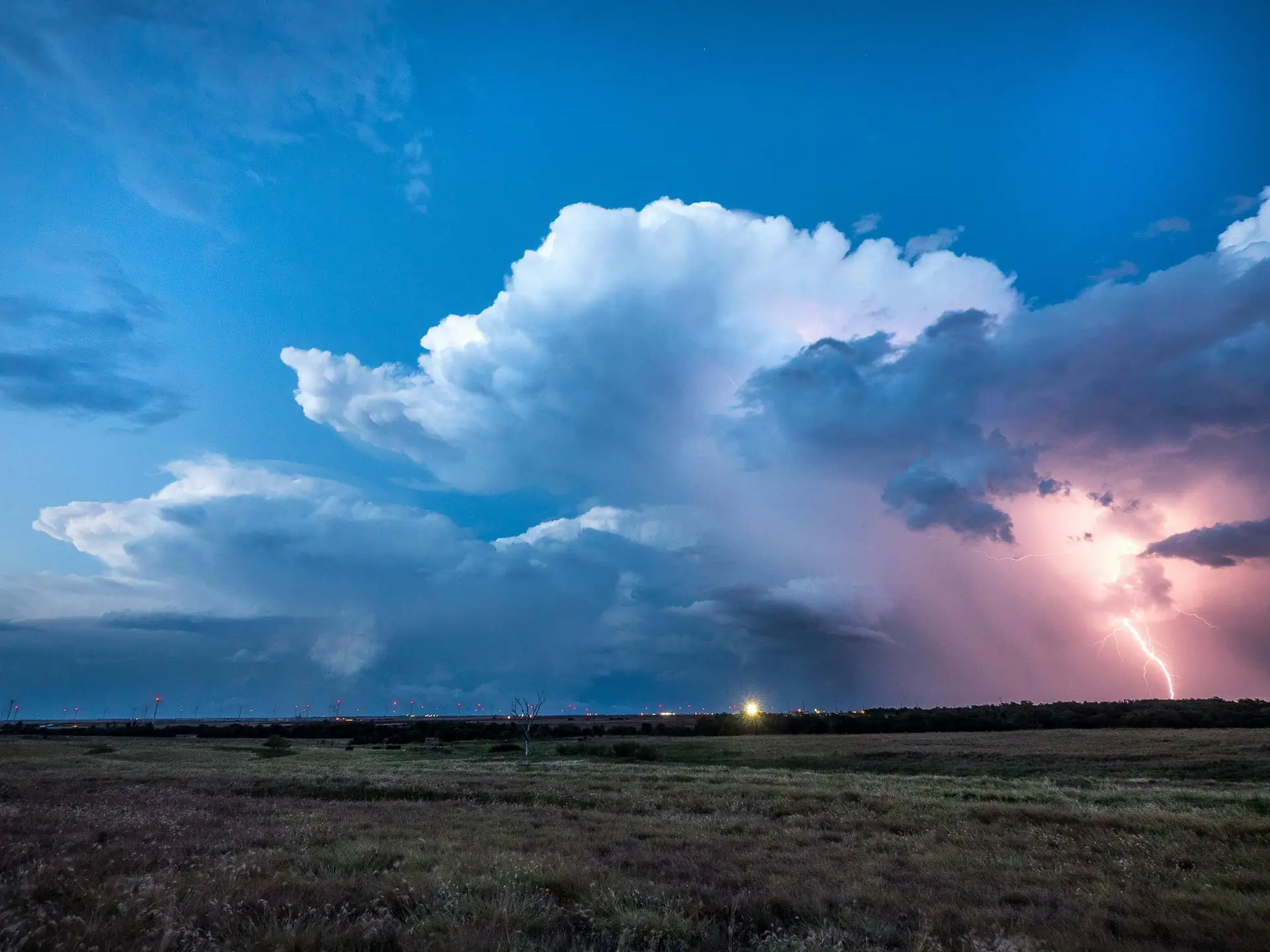
For lightning and action, use a fast shutter speed to freeze motion. Try 1/1000s to 1/250s for debris and wind. For smooth water or cloud blur, use a slower shutter and a tripod.
Set aperture to control depth of field. Use f/8 to f/16 for landscapes and wide scenes. Raise ISO only when you need more speed in low light.
Focus and metering
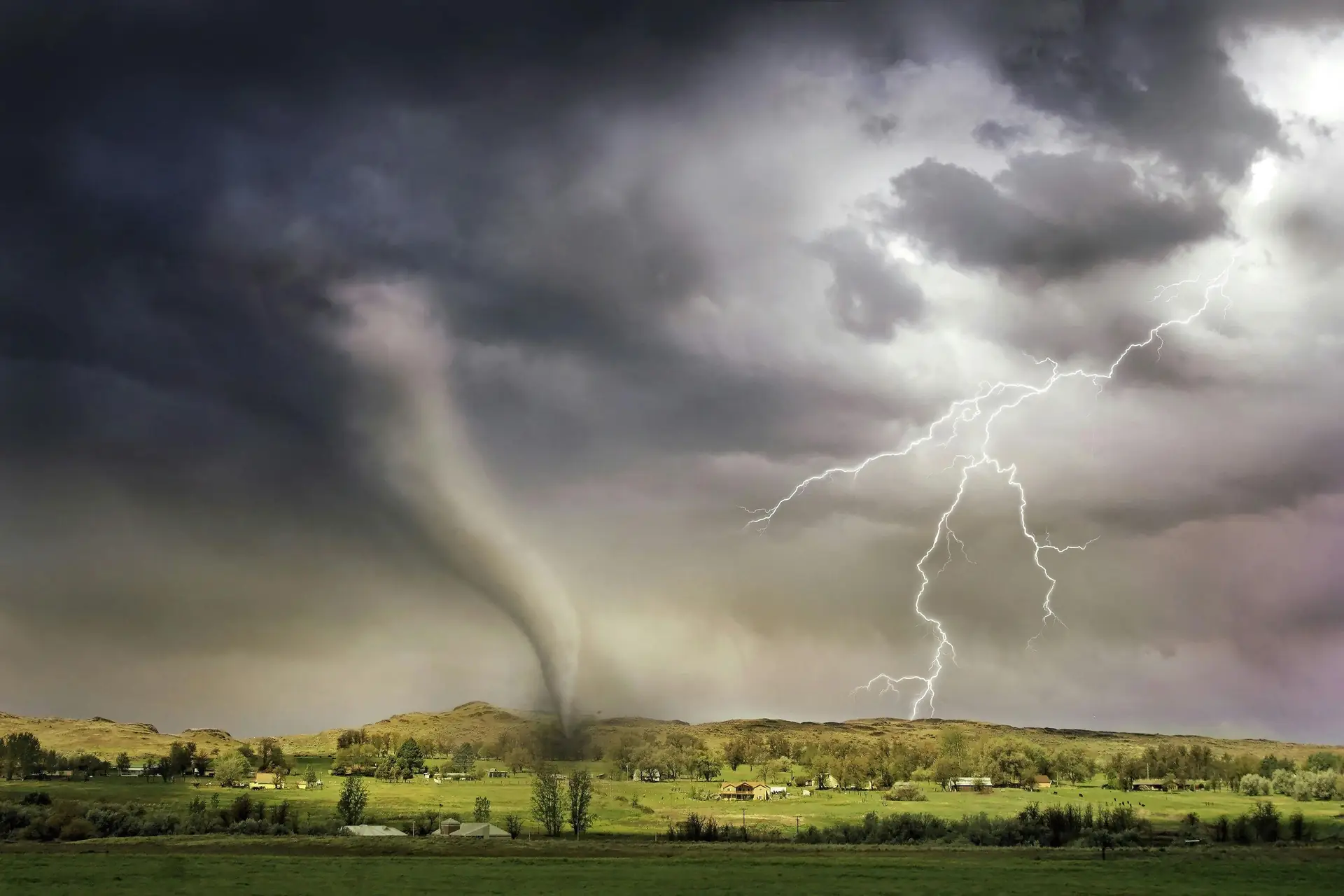
Use single-point autofocus on key subjects like a breaking wave or a distant hail shaft. Switch to manual focus if rain or spray confuses autofocus. Meter for highlights when the sky is bright. Use spot metering on dramatic clouds to keep detail in highlights and shadows.
Long exposures and safety
Use ND filters for long exposures of rain bands or flowing water. Keep your tripod low and secure in high winds. Weigh down legs with a sandbag or pack to avoid camera shake.
Tools and Techniques to Photograph Climate Change Impacts
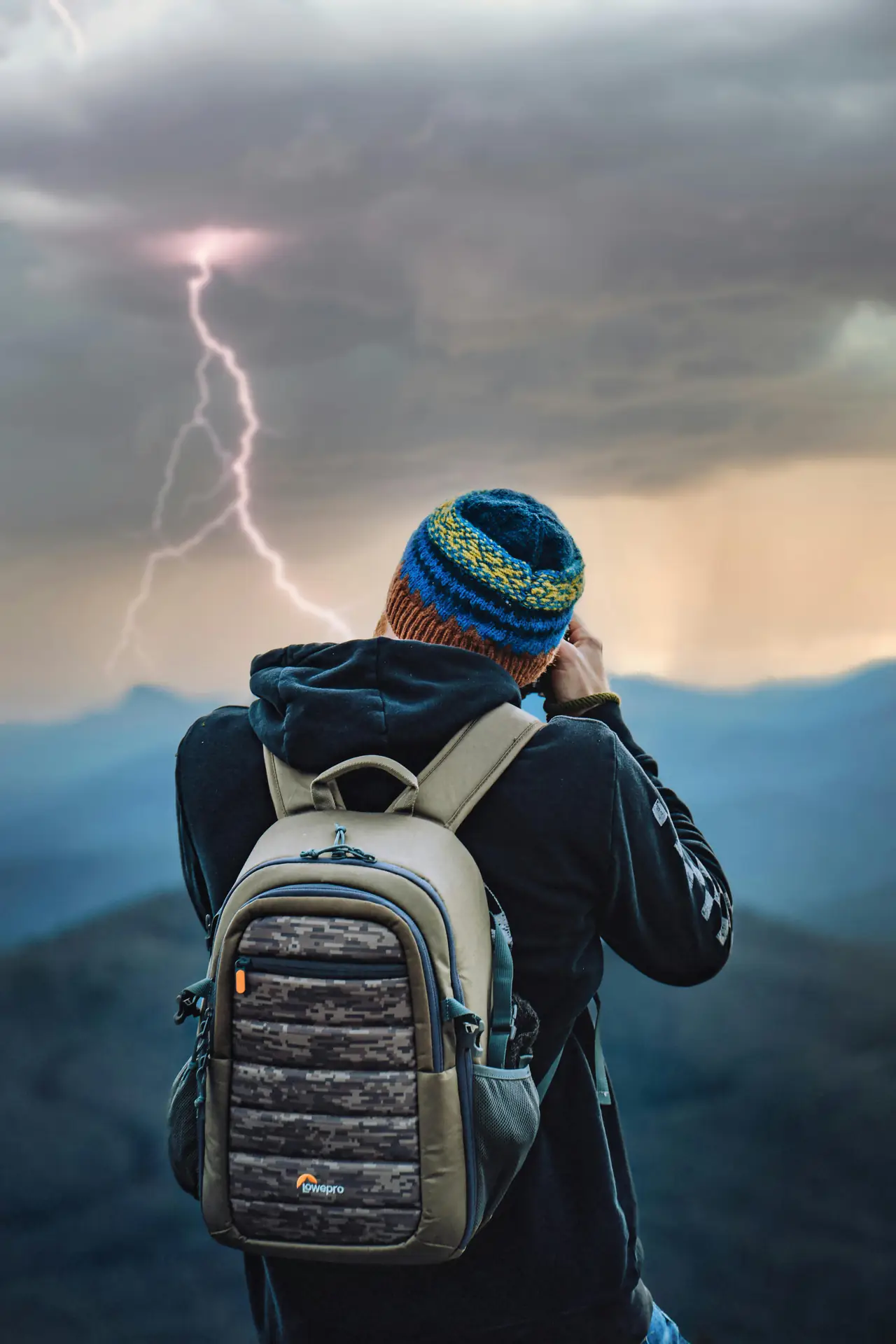
Extreme weather photos for climate stories need context and clarity. Show the scale, show people, and show damage. These photos help viewers see change and feel the story.
Show scale and context
Use wide lenses to show flooded streets or burned landscapes. Place a person or car in the frame to give viewers a size cue. This helps your photograph tell a clear climate story.
Human elements and ethical practice
Include people when you can. Ask permission before you photograph someone in distress. Show empathy and get consent. Honest photos build trust for climate stories.
Before and after documentation
Create repeatable shots to track change over time. Mark locations and record settings. This helps you return and photograph the same scene months later for climate comparisons.
Logistics and Power for Long Field Days
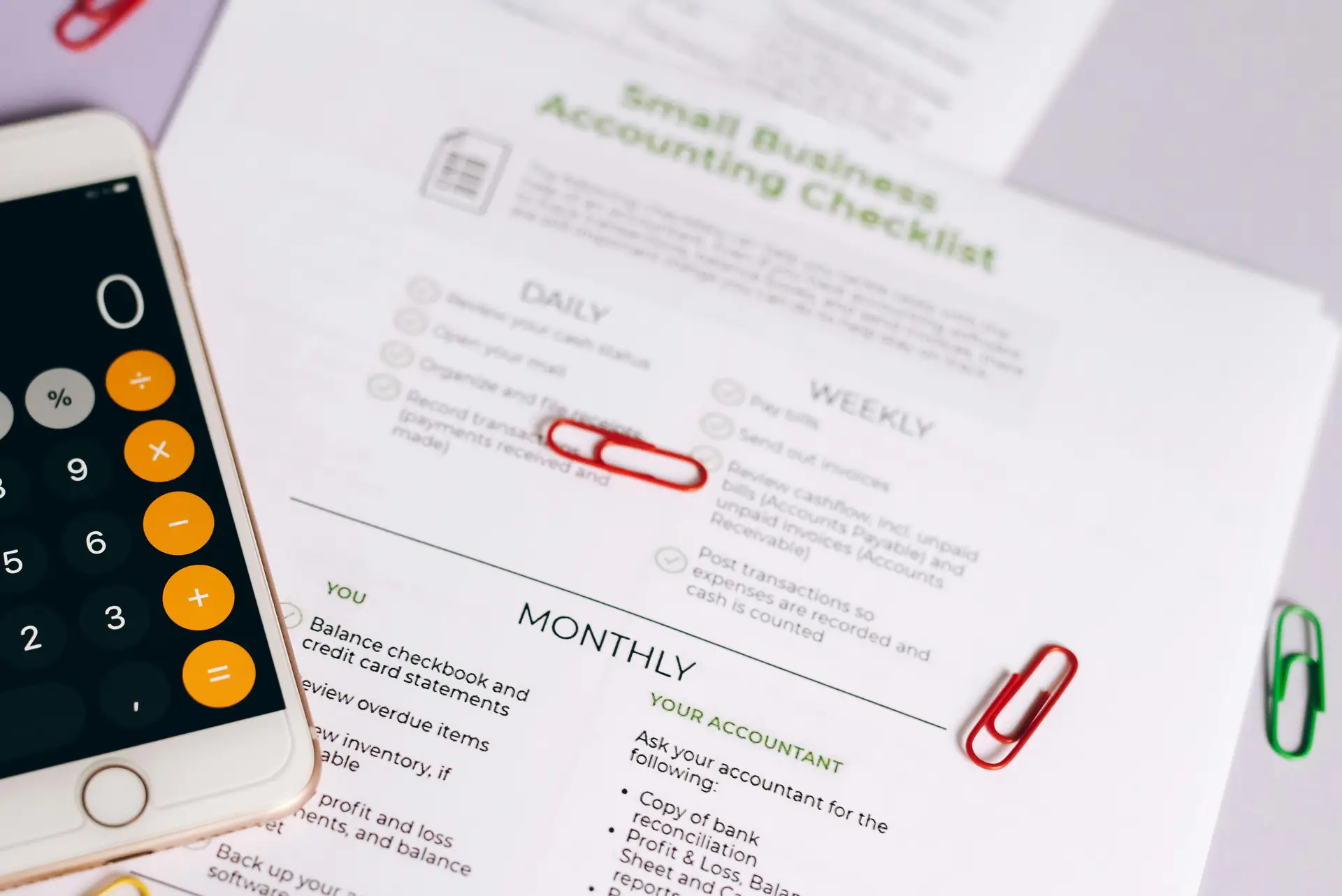
Long weather shoots need steady power and good storage. Bring enough battery power and plan to swap out cards. This reduces the risk of losing critical photos.
- Bring at least three batteries per body in cold weather.
- Use a dry, padded case for extra batteries and cards.
- Carry a high-capacity power bank for phones and radios.
- Consider a small solar panel for multi-day shoots without power.
Hand warmers help batteries last longer in cold weather. Change batteries inside your jacket to keep them warm until use. This tip comes from field pros and recent prep guides.
Data backup workflow
Back up photos nightly. Use two separate drives or cloud backup when you can. Label folders with date, location, and notes to make it easy to find files later.
Packing, Transport, and Straps to Photograph in Tough Conditions
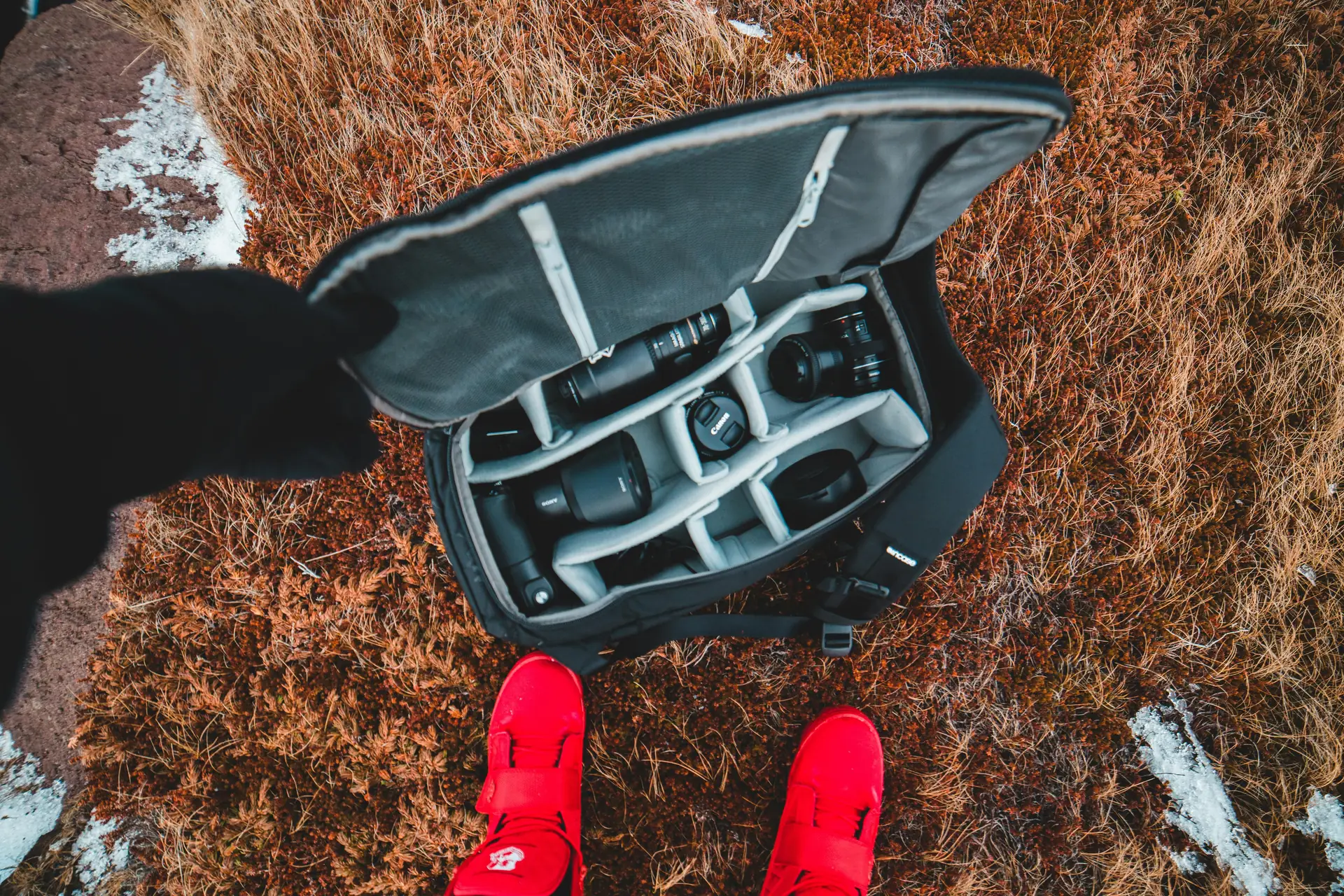
Good packing keeps gear safe while you move. Use specialized camera bags with padding and rain covers. Pack gear by need so you can find things fast when weather shifts.
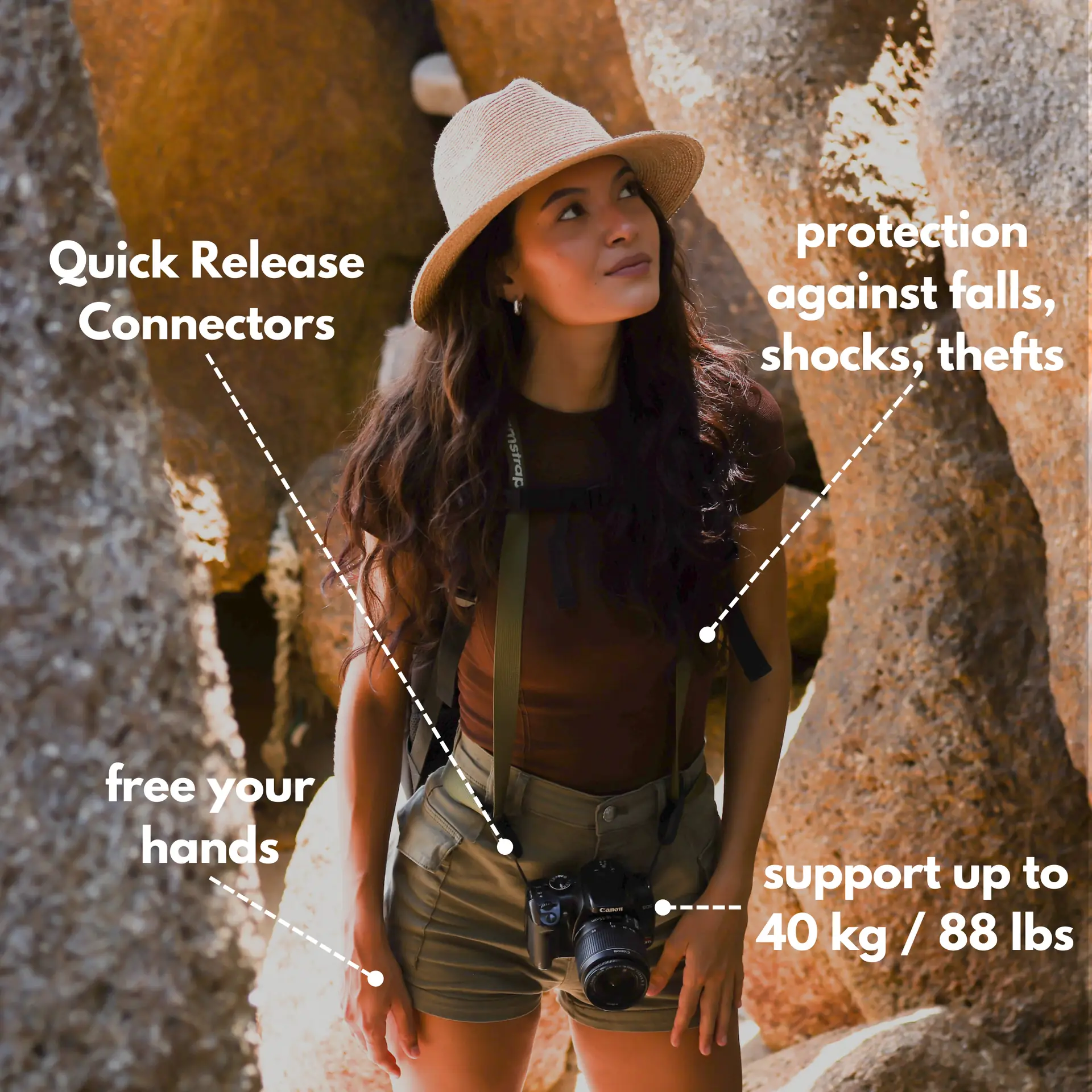
Choose carry gear that fits how you shoot. Sling straps let you access the camera quickly. Chest rigs keep the camera secure in strong wind. Camstrap options offer styles for many needs.
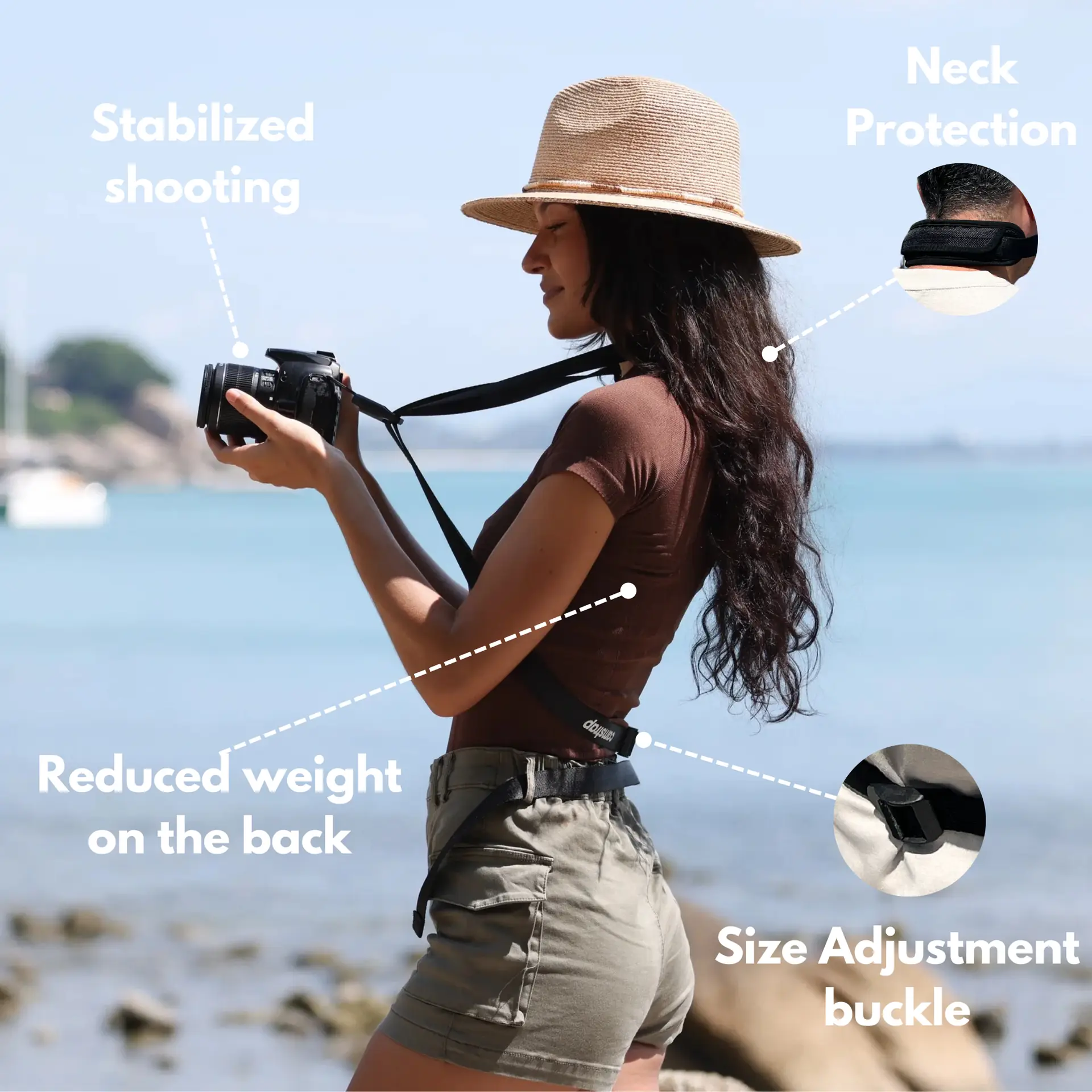
Camstrap choices for different shoots
For long hikes, pick the camstrap voyager. It spreads weight and stays comfortable all day. For urban or mixed shoots, try camstrap explorer for quick access.
If you climb or move fast, use camstrap nomad for low-profile carry. When you need a secure mount for a helmet or harness, use camstrap magclip for a tight hold.
Post-Shoot Workflow: Edit and Caption Climate Photos
After you shoot, organize and edit quickly. Strong edits help climate editors see the story fast. Keep notes that link images to facts and sources.
Editing tips
Fix exposure and bring out cloud detail without overdoing it. Crop to improve story focus and remove distractions. Keep edits honest so your photograph stays truthful.
Captions and metadata
Write clear captions that tell who, what, where, and when. Note how the scene links to climate. Include camera settings and any safety notes. This data helps editors and future researchers.
Case Studies and Research Notes to Photograph Better in 2026
Recent guides show what works in nature and extreme weather photography. Derek Nielsen and others share tips on composition and timing. Their advice helps you plan shoots and stay safe.
Field prep guides recommend layers, hand warmers, and extra batteries for cold shoots. This advice won awards and it still holds true. Use it to keep your camera working in hard weather.
Pre-shoot checklists help you remember gear, permits, and safety steps. They also make your work more consistent when you photograph the same place over time.
Examples to learn from
- Storm photography: watch light, wait for clear foregrounds, and protect gear.
- Flood coverage: show built environment and human scale to illustrate impact.
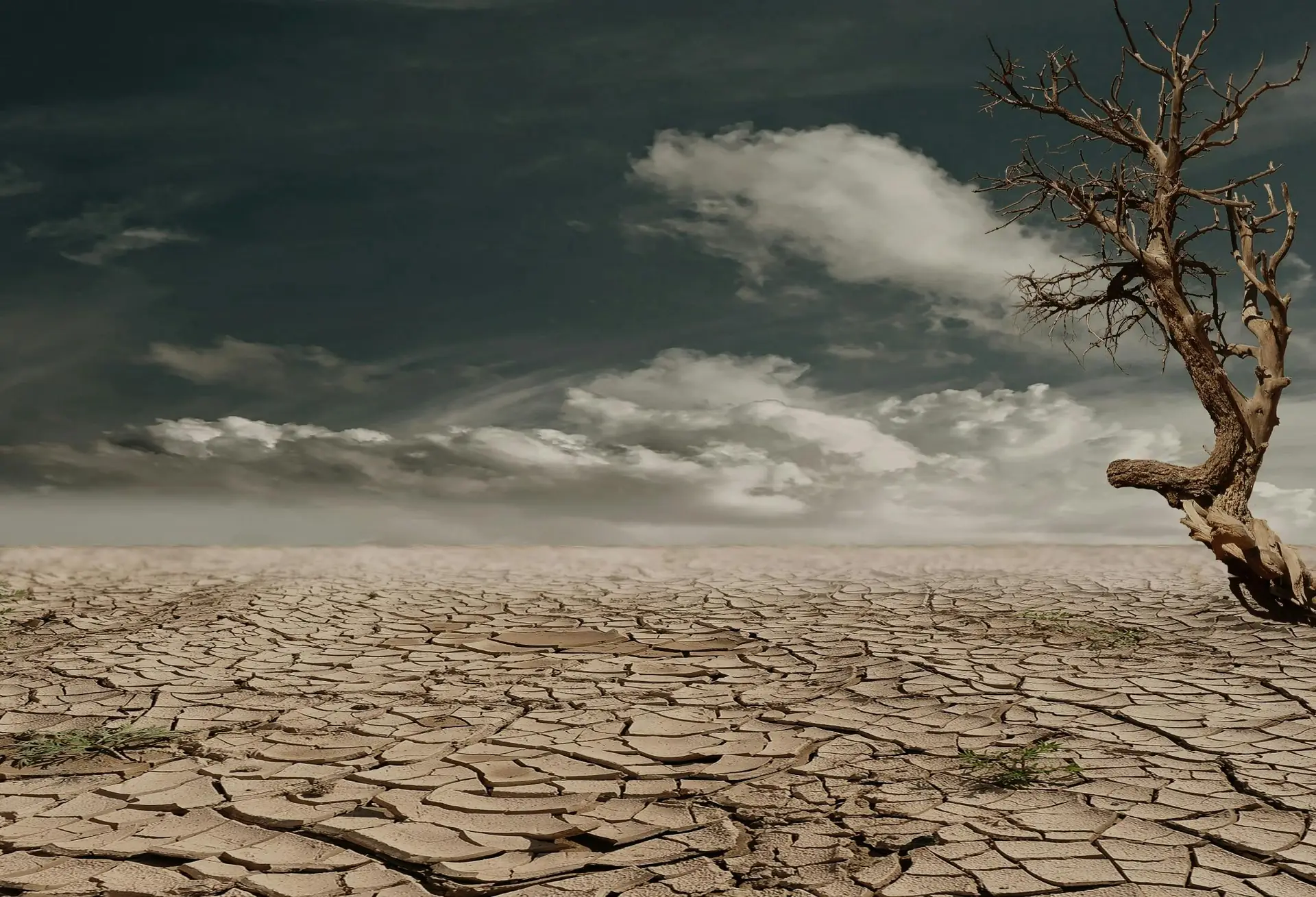
- Heat and drought: document cracked soil and stressed plants with wide shots.
Final Checklist: Quick Field Card to Photograph Extreme Weather
Keep a small checklist card in your bag. Use it before you go and at the scene. This helps you stay safe and get the shot under pressure.
- Check forecast and alerts. Tell someone your plan.
- Pack camera bodies, lenses, tripod, and filters.
- Bring extra batteries, cards, and dry storage.
- Wear weather-appropriate clothes and gloves.
- Secure gear with a sturdy strap like Camstrap explorer.
- Back up files each night and keep notes on each photograph.
Use this card to speed up prep. It will save you time and reduce risk in extreme conditions. Stay flexible and adapt as weather changes.
Conclusion: Photographing Extreme Weather for Climate Stories
To photograph extreme weather for climate stories, you must plan, pack, and act with care. Use a field kit that fits your shoot and your safety needs. Keep batteries warm, use strong straps, and protect your camera from rain and dust.
Practice camera settings for storms, and learn to edit for truth. Include people and scale in your frames to make climate impacts clear. Use tools like Camstrap voyager, camstrap explorer, camstrap nomad, and camstrap magclip to carry gear with confidence on long shoots.
Tell climate stories with clear images and honest captions. Stay safe and keep learning. With the right kit you can photograph extreme weather and help people see why climate matters.


