


Exploring new ways to tell a story with photos is more fun than ever. This guide looks at the latest tools and ideas that help amateur photographers. We will cover gear, styles, editing, and show how to build a strong visual voice while exploring new paths.
Whether you enjoy travel shots, street images, or nature photos, exploring simple steps can raise your game. You will find tips, short research notes, and gear picks that match common needs. Also, we will touch on easy habits that help you tell clearer stories.
Monta tu equipo

- Precio regular
-
€42 - Precio regular
-
€44 - Precio de venta
-
€42
Al elegir Camstrap, estás eligiendo un producto de calidad, diseñado para satisfacer las necesidades de los fotógrafos más exigentes.
- Desarrollada por un fisioterapeuta para aliviar el dolor de cuello y espalda.
- Se puede utilizar como correa para el hombro o como arnés de manos libres.
- Tamaño ajustable gracias a la hebilla de ajuste

- Precio regular
-
€36 - Precio regular
-
€42 - Precio de venta
-
€36
Envío gratis incluido
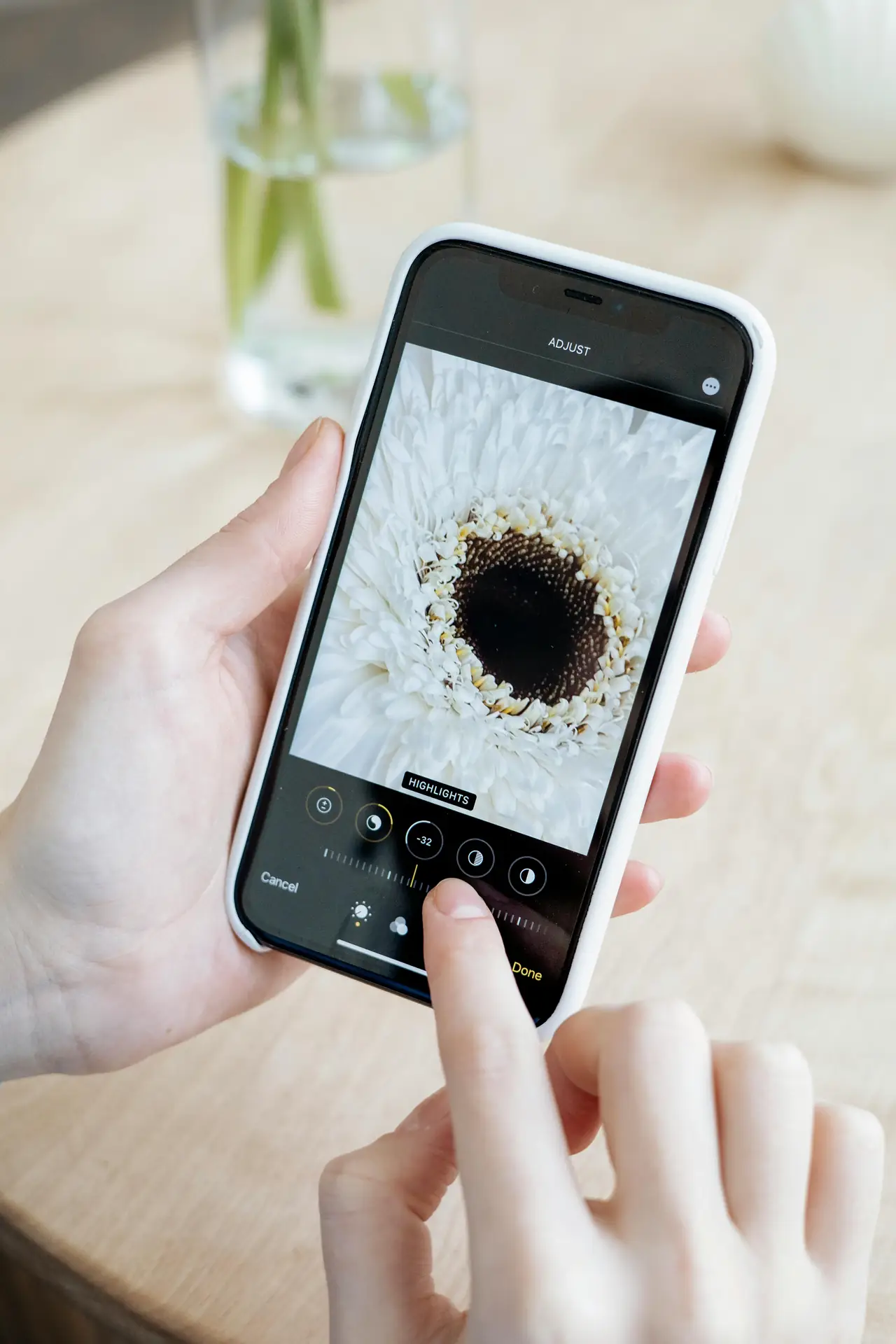
Exploring how tech is shaping visual storytelling in 2026
Exploring new tech can change how you make photos. Cameras and phones now use smart software for color, detail, and noise control. These tools help you focus on your story, not just on settings.
Recent trends show more power in small devices. Smartphones add bigger sensors and better lenses. Mirrorless cameras keep getting lighter and more full of features, so you can shoot longer and travel light.
Key tech trends to watch
- Computational photography that blends images for better light and color.
- AI-powered editing that speeds up tasks like sky swaps and noise clean-up.
- High frame-rate capture for smooth short clips and burst sequences.
- Wireless workflows for fast backups and quick social sharing.
Exploring creative styles and the return to storytelling
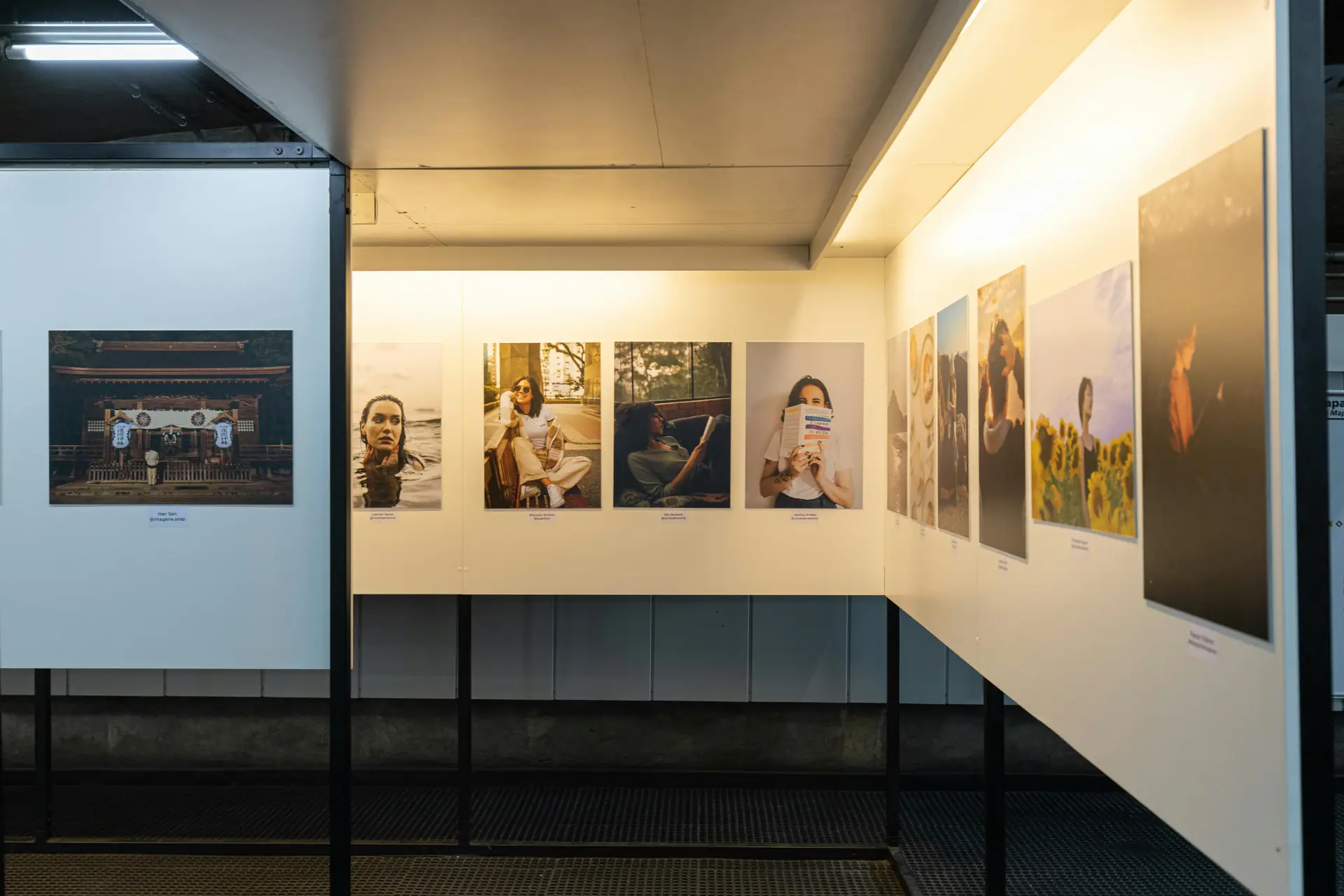
Exploring new styles helps you find your voice. In 2026, many learners move from single perfect shots to a series that tells a clear tale. This shift fits social feeds and short video formats.
Photo series, diptychs, and short sequences help viewers feel the scene. Use a clear subject, simple frames, and steady pacing. Also, think about color and mood to bind parts of the story.
Simple ways to build a photo story
- Pick one theme like a day at the market or a mountain hike.
- Shoot a mix of wide, mid, and close images to show place and detail.
- Edit for tone so all frames feel part of the same tale.
Gear and tools for amateur photographers exploring new looks
Exploring gear choices can feel tough. But you do not need the top kit to tell a good story. A good camera, a few lenses, and solid support will cover many needs.
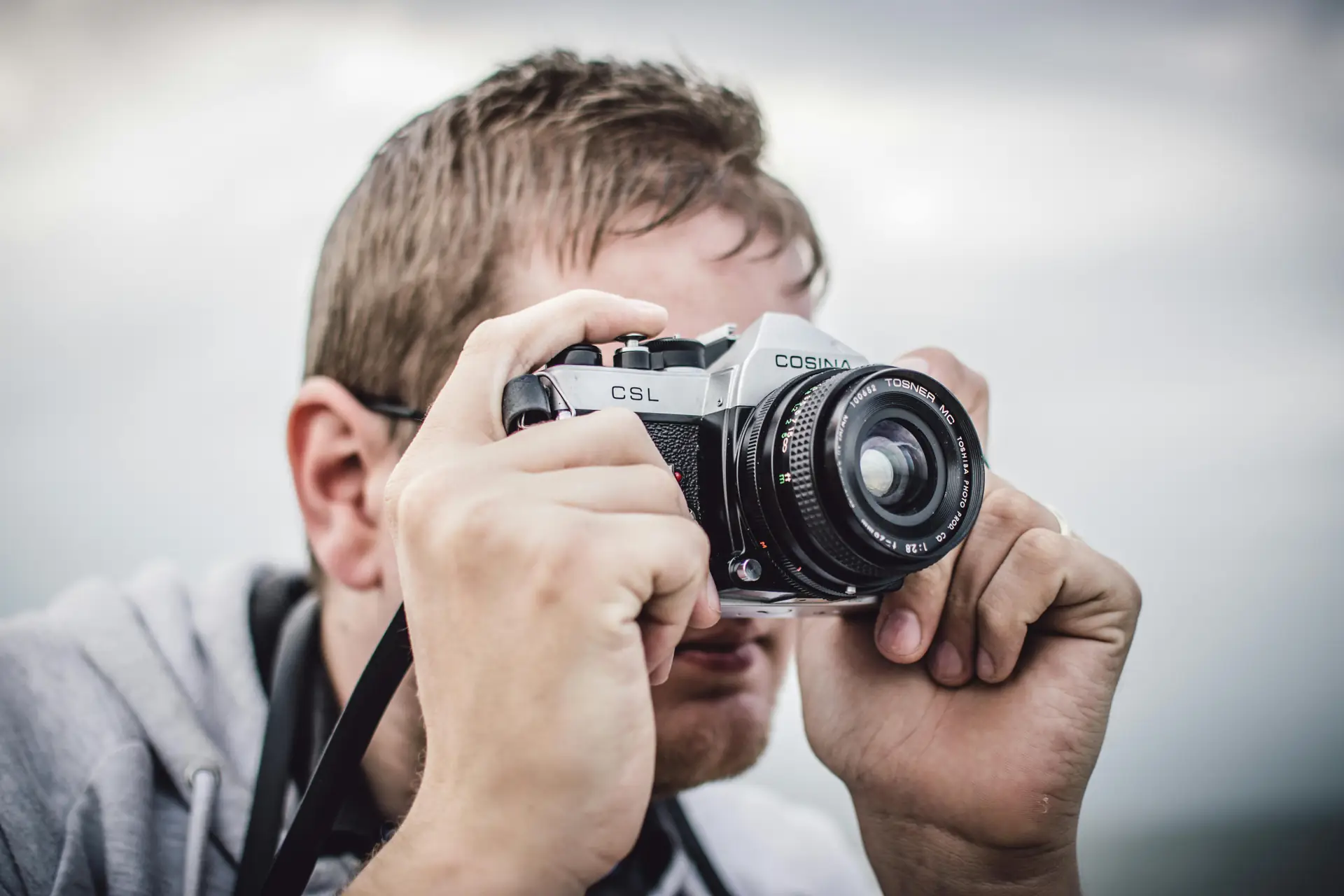
Tripods, small lights, and reliable straps make shooting easier. For example, Camstrap offers options for many styles of travel and adventure. The camstrap voyager is great for long travel days. It lets you carry your camera with comfort and ease.
- Camstrap explorer fits those who move fast and need easy access to gear.
- Camstrap nomad works well for outdoor trips and rough trails.
- Camstrap magclip gives fast, solid mounting that helps when you hike.
Choosing lenses and accessories
Keep a versatile lens like a 24-70mm for many scenes. Add a prime lens for portraits and low light. Pack a small tripod and a strap like the camstrap voyager or camstrap explorer to stay ready.
Editing and AI: exploring fast, ethical photo editing
Exploring editing tools can speed your work. AI now helps remove spots, boost light, and suggest crops. These tools let you spend less time on routine work and more time on craft.
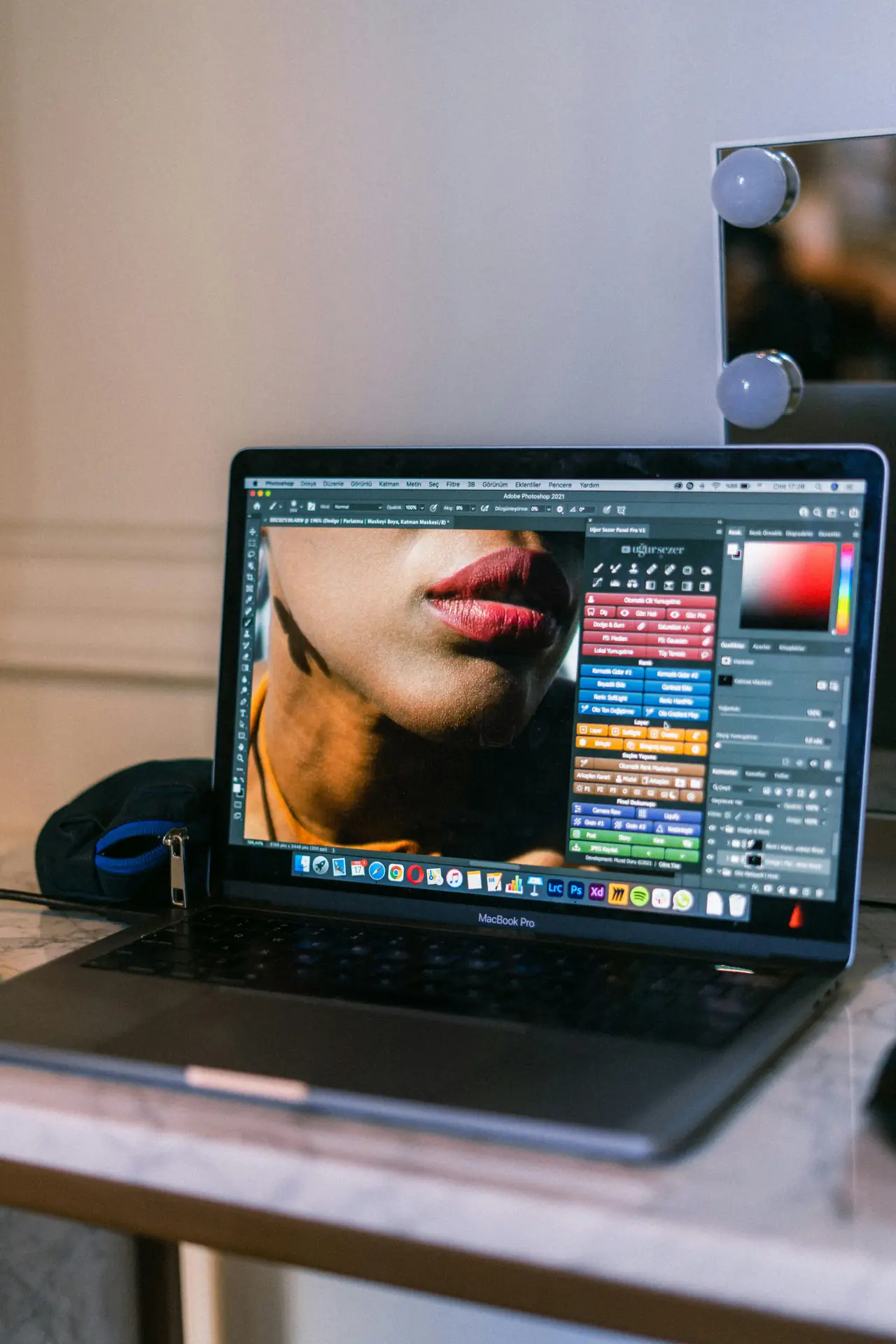
However, be clear about ethics. Edit to show the scene and the mood, but avoid tricks that lie to your viewer. Use AI to fix flaws, not to fake the facts of the scene.
Practical editing tips
- Start with raw files for more control over tone and color.
- Use AI to speed small fixes, then check each change by eye.
- Keep a few preset looks and adapt them for each shoot.
Exploring composition and light for stronger visual stories
Exploring solid composition makes your photos speak. Use simple frames, clear subjects, and clean lines. Move closer or step back to change the mood and the message.
Light is your main tool. Shoot in soft morning light or blue hour for mood. Use backlight to show shape and side light for depth. Study light and plan shoots to match story goals.

Composition rules that still work
- Rule of thirds to place your subject off center and add interest.
- Leading lines to guide the eye through the scene.
- Negative space to isolate the subject and set mood.
Sharing stories: exploring platforms and formats that help you grow
Exploring where you post is as key as the image itself. Audiences now favor short, moving content and clear image sets. Tailor your work to the site and format you choose.
Vertical frames suit phones and short video apps. Square and wide formats suit other social feeds and web galleries. Also, captions and short notes help your viewers connect to the story.
Ways to present your work

- Create short sequences for reels or short clips to add motion to stills.
- Use a consistent color or caption style to make your posts feel like a set.
- Share behind-the-scenes shots, and show how you made the story.
Practical projects for amateur photographers exploring their voice
Exploring small projects helps you learn fast. Pick a short project and stick to it for a week or a month. Focus on theme, mood, and pace.
Try these easy ideas. They keep you shooting and help you find feedback. Also, carry gear that makes shooting easy, like a camstrap nomad for hikes or a camstrap magclip for quick access.
- A seven-day portrait project of people you meet each day.
- A local place story showing one street at different times.
- A travel mini-book that mixes photos and short notes.
Safety, ethics, and rights while exploring new stories

Exploring with care keeps your work honest and safe. Ask permission before you shoot people. Respect places and wildlife when you enter natural sites.
Also, learn a few copyright basics. Keep your files backed up and read simple license notes before you share. This protects your work and your right to sell or show it later.
Quick legal and safety checks
- Ask for consent when you photograph close portraits.
- Stay on trails and follow local rules in nature areas.
- Back up photos to the cloud and a hard drive each day.
How to practice storytelling techniques while exploring
Exploring daily habits builds skill. Set a small, repeatable routine that fits your life. Even short practice sessions help your eye and your workflow.

Try to shoot for 15 minutes each day. Edit one image and post it with a short caption. Track what works and what gets feedback. Over time, you will see clear change in your work.
Practice plan for the month
- Week one: focus on light and take three shots each day.
- Week two: try a theme and shoot a short series.
- Week three: edit and post, then note feedback and edits.
Conclusion: keep exploring to grow your visual voice
Exploring new ideas is the best way to improve your photo work. Try tech, play with style, and keep a simple gear kit. Use straps like the camstrap voyager or camstrap explorer to make travel easy and safe.
Also, use AI tools to speed your edits, but stay honest in your work. Share short stories and test different formats. Keep practicing each week and you will grow. By exploring often, you will find a clear and strong visual voice by 2026.


