


The 2026 alpine season brings new kit and smart ways to pack light. This 2026 guide shows a clear checklist for a lightweight DSLR setup on multi-day hikes. You will find gear tips, weights, and simple rules to keep your pack small and your shots sharp.
Why a 2026 lightweight DSLR setup matters
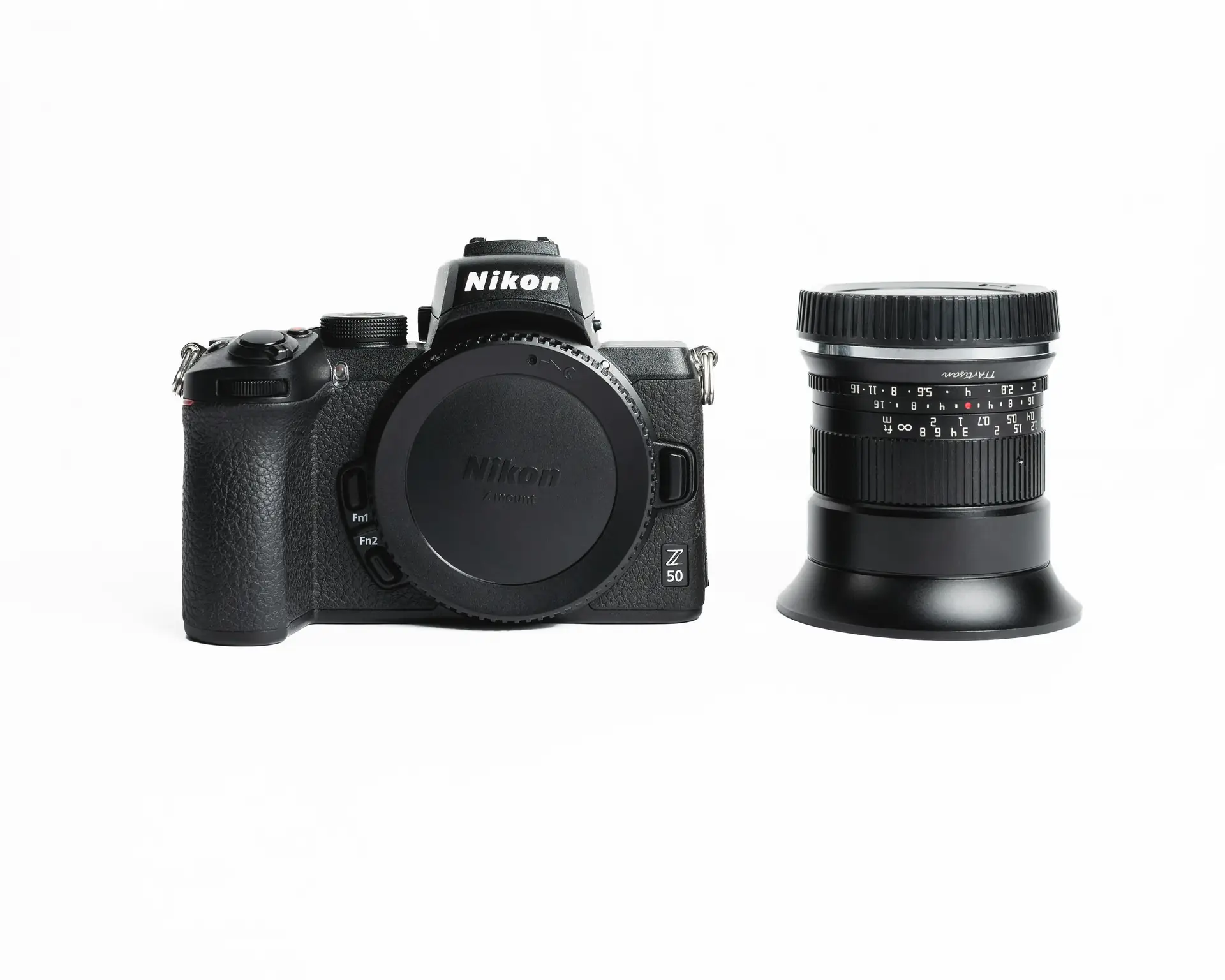
Hiking in high alpine areas means long walks and thin air. In 2026 you want a kit that does not slow you down. A light pack helps you move faster and shoot longer with less pain.
Translation missing: de.blog_cta.bundle_heading

- Regulärer Preis
-
€42 - Regulärer Preis
-
€44 - Verkaufspreis
-
€42
Mit der Wahl des Camstrap-Gurts entscheiden Sie sich für ein Qualitätsprodukt, das auf die Bedürfnisse der anspruchsvollsten Fotografen zugeschnitten ist.
- Von einem Physiotherapeuten entwickelt, um Nacken- und Rückenschmerzen zu lindern.
- Internationaler Versand mit Sendungsverfolgung 🚚
- Kann als Schultergurt oder Freisprechgurt verwendet werden

- Regulärer Preis
-
€36 - Regulärer Preis
-
€42 - Verkaufspreis
-
€36
Translation missing: de.blog_cta.free_shipping_included
Also, weather in alpine zones can change fast. In 2026 you need gear that stands up to wind, rain, and cold. That way you keep shooting when the light is best.
2026 alpine photo gear core kit
This core kit focuses on a DSLR or mirrorless body and a small set of lenses. In 2026 the goal is to cover wide, normal, and short tele with low weight. You should carry only what you will use on a hike.
Camera body choices
Choose a body that is light and rugged. Many hikers pick a crop-sensor DSLR or a small full-frame mirrorless in 2026. These bodies give good image quality and save weight.
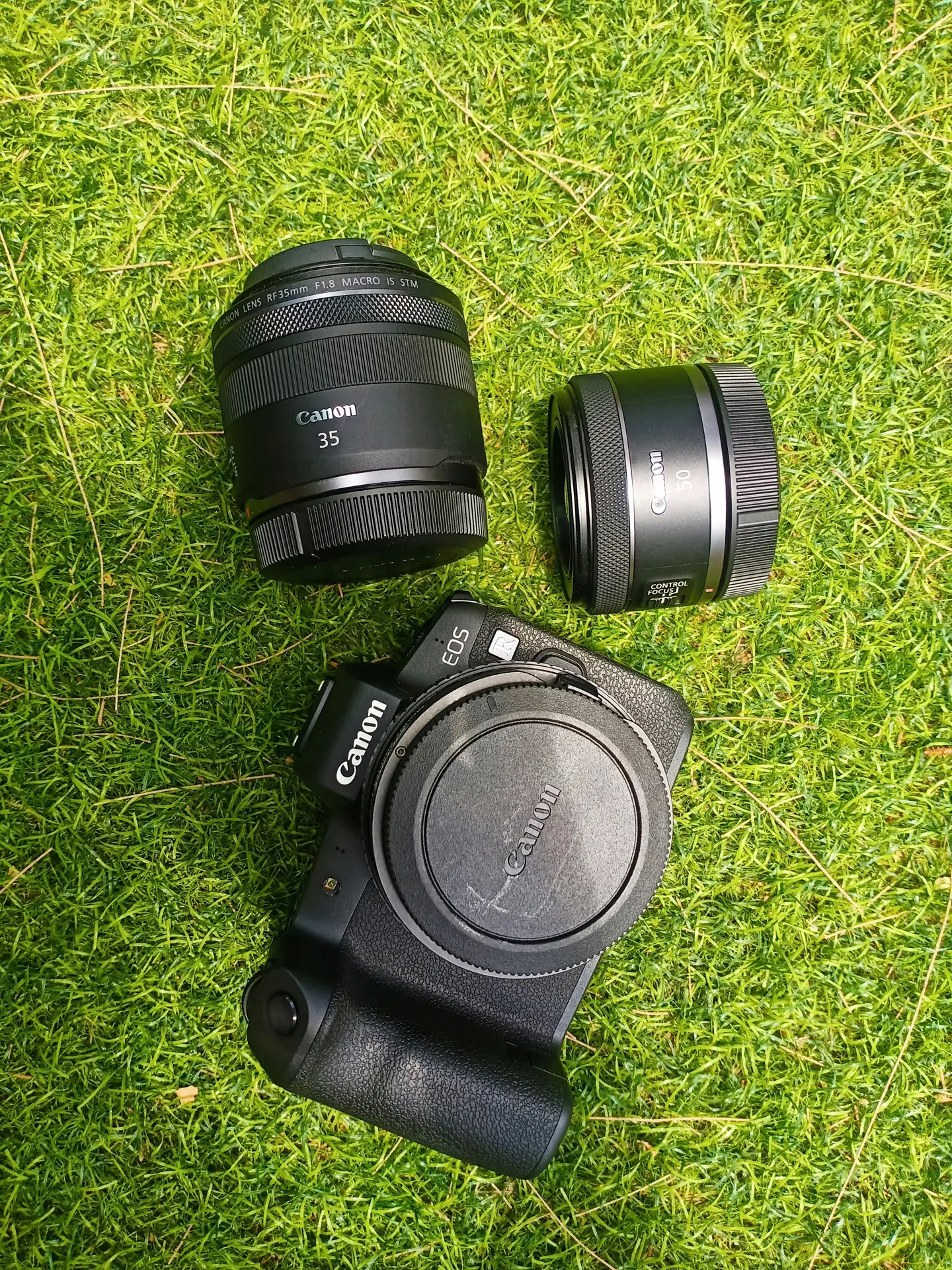
Examples for 2026 include compact DSLRs and mirrorless bodies around 600-800 grams. Pick one you know how to use fast on a trail.
Essential accessories
Bring one spare battery and a small charger. In 2026 a warm spare battery will let you shoot all day. Also pack a small microfiber cloth and a light rain cover.
- Camera body (lightweight DSLR or mirrorless)
- One prime or a light zoom lens
- Extra battery and charger
- Memory cards and case
- Light rain cover or dry bag
- Microfiber cloth and lens pen
Lenses, memory, and power — 2026 choices
Pick lenses by weight and reach. In 2026 more hikers use a 24mm prime and a 24-70 or 70-200 light zoom. But a 24-105 light zoom may be the best single lens for multi-day trips.
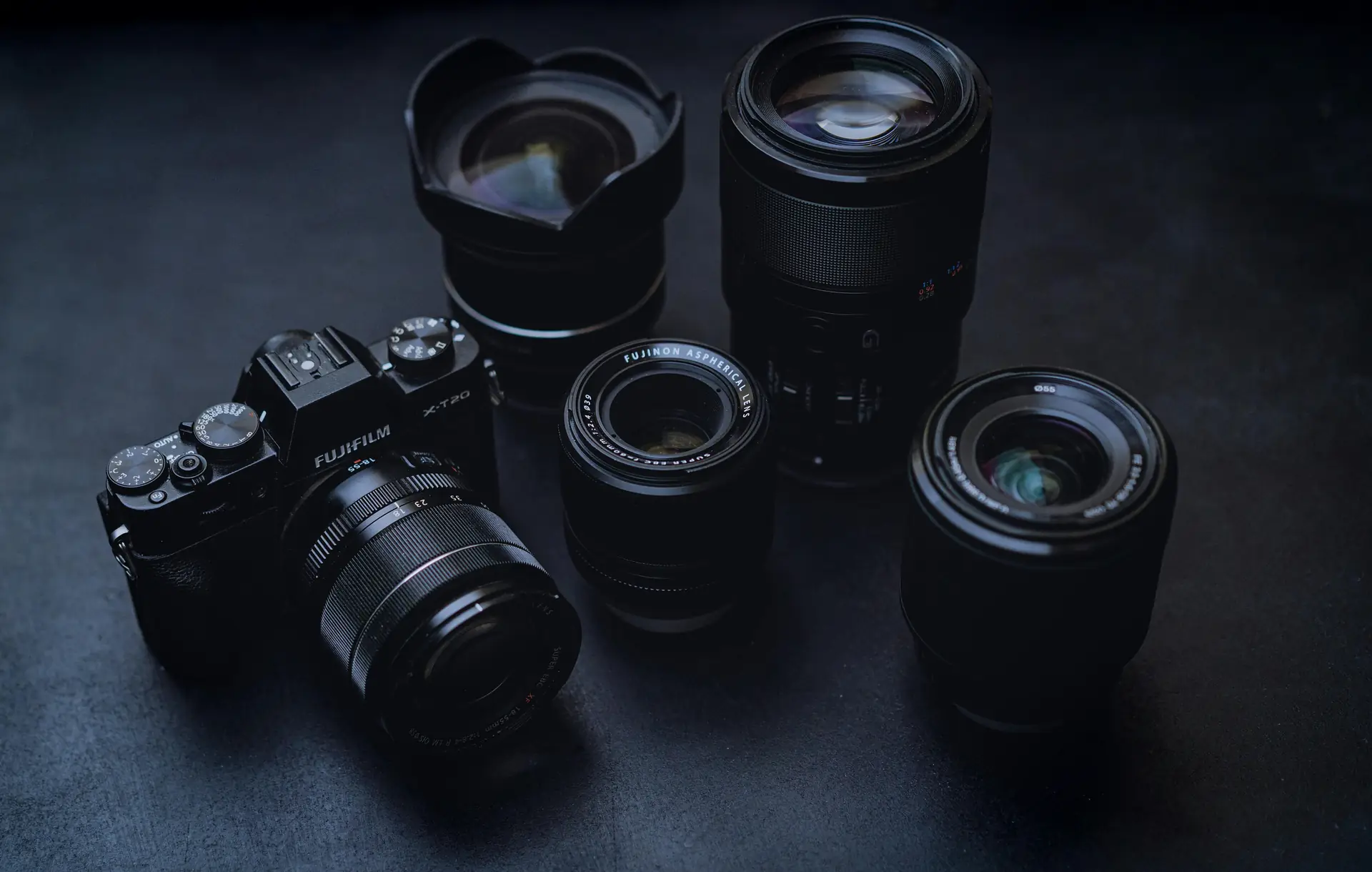
Memory cards should have fast write speeds. In 2026 pick cards that match your camera. Bring two cards in case one fails.
Prime vs zoom on alpine trails
Primes often give better image quality and low weight. But a zoom saves swaps and cuts lens count. For 2026, many hikers choose one quality zoom and one light prime.
- Light zoom (24-105 or 24-70) for range
- Prime (35mm or 24mm) for low weight and wide shots
- Tele choice (70-200) only if you need reach
Power planning and battery care
Cold cuts battery life fast. Research shows batteries can lose 20-50% capacity at low temps. So in 2026 store spares near your body to keep them warm.
Use a small power bank for charging phones and a camera USB charge if your camera allows it. Keep a charge plan and turn off wireless features when not in use.
Backpack, straps, and carrying tips for 2026 trips
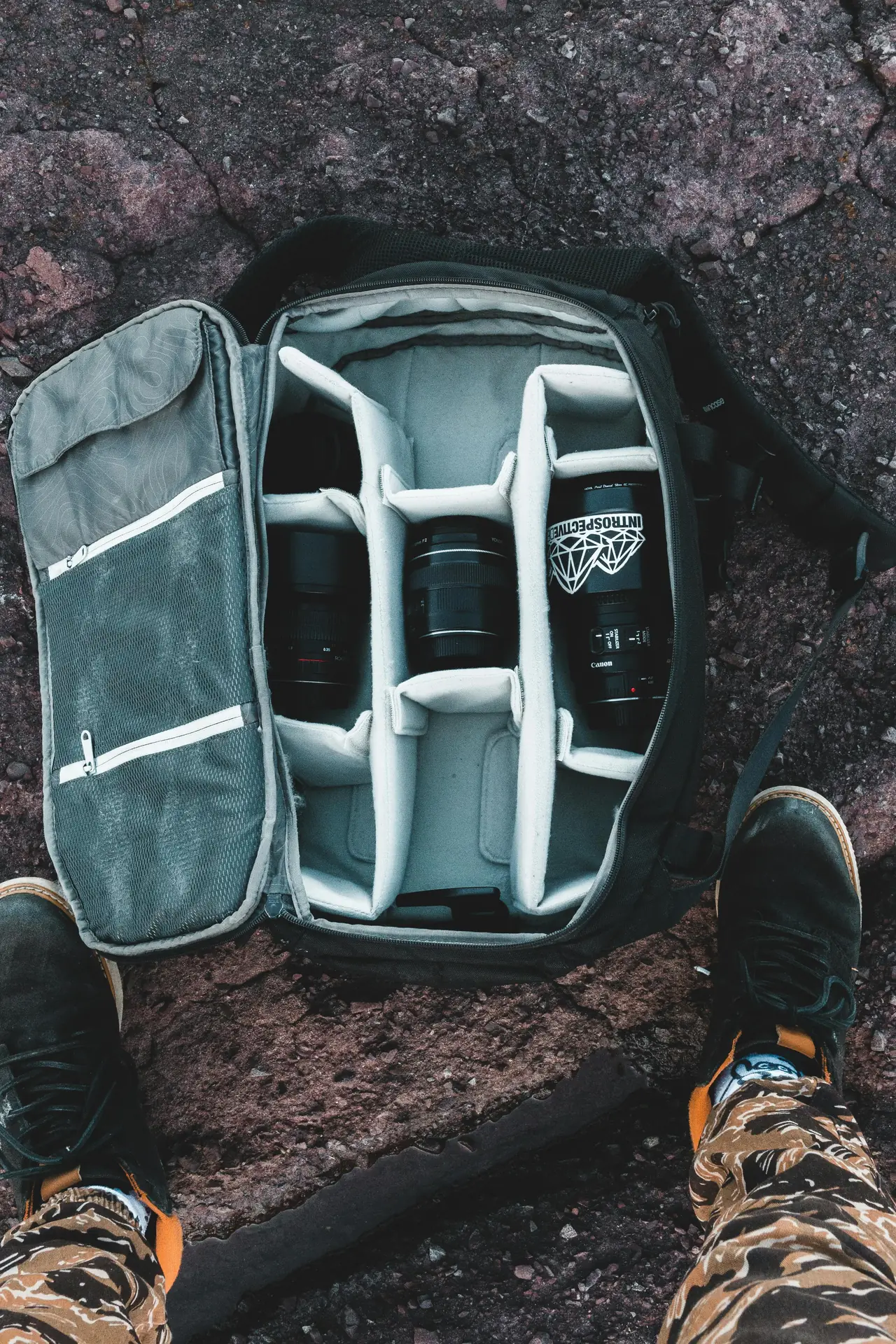
How you carry your kit matters as much as what you carry. In 2026 look for a pack that fits your frame and hikes light. A camera pouch in a top lid or side pocket can help quick access.
Also, choose a strap you trust. Camstrap makes kit for hikers and shooters. The camstrap voyager and camstrap explorer work well for quick access on a trail. The camstrap nomad is a low-profile strap that keeps the camera snug.
Use the right strap and clips
Try the camstrap magclip if you want fast, safe mounts. The magclip holds the camera close to the chest. It also frees your hands when you climb or use poles.

Switch straps based on the hike. For steep scrambles, a snug body strap like camstrap nomad helps. For long walks, a wider camstrap voyager spreads weight better.
Packing order and balance
Keep camera gear near your back and center. This keeps your pack stable and light to carry. In 2026 many hikers put the camera in a hip pack or top pocket for easy grab shots.
- Camera in hip pack for quick shots
- Lens and battery in center compartment
- Rain cover in outer pocket
Field tips: shooting, safety, and alpine conditions in 2026
Light and weather are your main tools. In 2026 alpine light is often best at dawn and dusk. Plan your hike to be at key spots at those times. Move light to hit the best angles.

Also, learn simple gear care. Wipe off moisture and shake out grit. Use lens hoods to cut flare and keep the front glass safe.
Weather and battery notes
Remember that higher altitude means colder temps. Batteries drain faster at altitude and cold. In 2026 carry extra battery power and keep spares warm in an inner pocket.
For safety, tell someone your route. Pack a small repair kit and a light first aid kit. In 2026 simple safety moves let you worry less about gear and shoot more.
Sample 2026 lightweight DSLR kit with weights
Here are two sample packs for 2026. One is ultra light and the other is a balance of range and weight. Use them to plan your own alpine photo gear mix.

Ultra-light 2026 kit (ideal for fast hikes)
- Camera body (650 g)
- 35mm prime (200 g)
- One spare battery (50 g)
- Memory cards and case (20 g)
- Microfiber and rain sleeve (80 g)
- Total camera weight ~1.0 kg
This ultra-light kit keeps your pack small and your pace high. It fits in a hip pack or small camera pouch. In 2026 many hikers choose this setup for long trail days.
Balanced 2026 kit (more range, still light)
- Camera body (700 g)
- 24-105mm zoom (700 g)
- 35mm prime (200 g)
- Two batteries and charger (150 g)
- Memory cards and case (30 g)
- Total camera weight ~1.8 kg
This balanced kit gives you wide and tele reach. It still stays under 2 kg. In 2026 this is the go-to pack for many alpine photo trips.

2026 checklist: final gear list and packing order
Use this checklist to pack fast and smart. In 2026 a clear list saves time and weight. Check each item before you leave and aim to remove one thing before you pack if weight is tight.
- Camera body with strap attached (camstrap voyager or nomad)
- Main lens or lens kit
- Spare battery and charger
- Memory cards in case
- Rain cover and dry bag
- Microfiber cloth and small tool kit
- Power bank and cables
- Light tripod or flexible mini tripod (optional)
- Maps, beacon, and safety kit
Also, pack items in order of use. That means keep your rain cover and battery easy to reach. In 2026 this cuts time and stress on the trail.
Final thoughts and why this 2026 alpine photo gear checklist works
This 2026 checklist keeps your kit small and useful. It saves weight so you can hike longer. At the same time it gives you the tools to make strong alpine photos.
Also, focus on gear you will use. The best kit is the one you can carry and use in real weather. In 2026 small changes in gear and carry will give you better shots and less strain.
Finally, choose the right strap and kit for your style. Camstrap explorer and camstrap voyager help travel enthusiasts and outdoor adventure photographers. The camstrap nomad and camstrap magclip give extra safety and fast access. These items can make your shoot smooth on steep trails.
Use this 2026 guide to plan your next alpine photo hike. Pack light, shoot more, and stay safe. The right 2026 gear and habits will help you get the best images on every trip.


